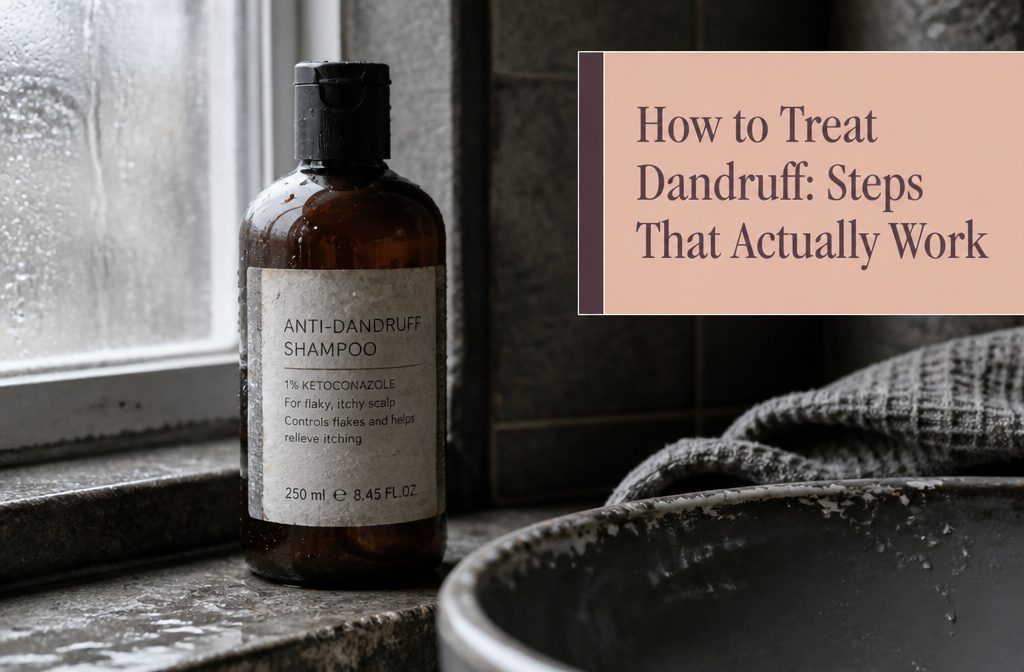
Most dandruff clears with an over-the-counter shampoo in four to six weeks if you leave it on your scalp for five minutes before rinsing.
That wait is the step most people skip, and it’s why the same bottle that worked for someone else does nothing when you rinse after ten seconds.
The active ingredient needs contact time to control the Malassezia yeast that causes flaking.
1. Try an over-the-counter dandruff shampoo first
Most of the time, a medicated shampoo from the drugstore will control dandruff without a prescription. The active ingredient is what does the work, so check the label before you buy.
Selenium sulfide 1% shows up in Selsun Blue and most store brands. Zinc pyrithione is the one in Head & Shoulders.
Ketoconazole at 1% is sold as Nizoral. Tar-based formulas and salicylic acid shampoos are also effective options.
Each active works differently.
Ketoconazole targets the yeast that triggers flaking. Zinc pyrithione controls both yeast and bacteria.
Selenium sulfide slows how fast skin cells die and shed. Salicylic acid breaks down thick buildup and lifts flakes so they rinse away.
The bottle will tell you how much to use and how often.
Follow those directions. If your hair is color-treated, watch out for tar shampoos, which can stain and make your scalp more sensitive to sun.
2. Leave the shampoo on for 5 minutes before rinsing
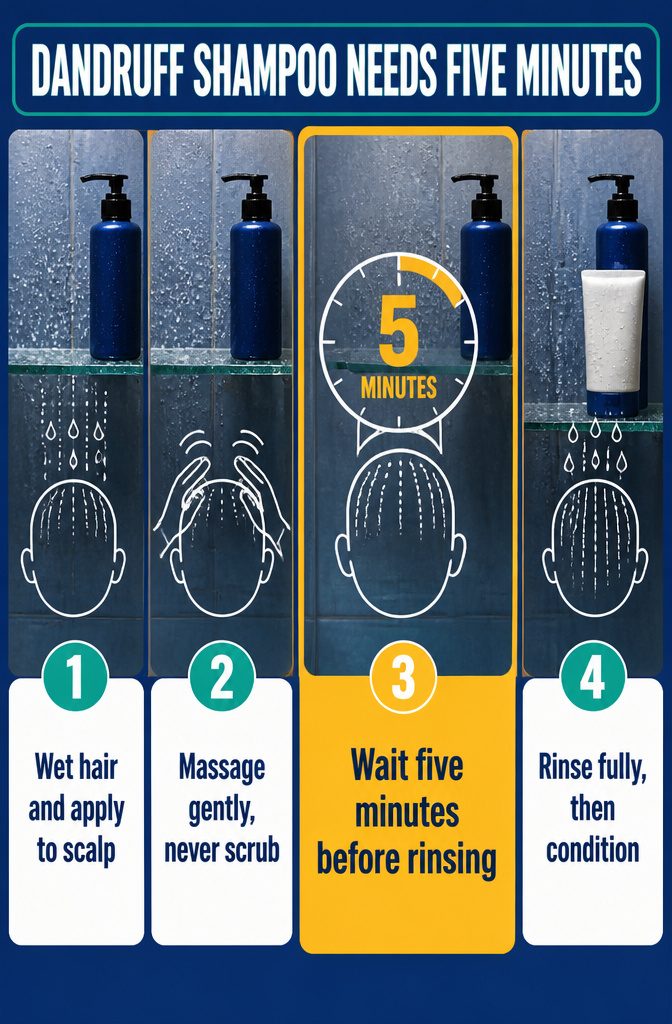
- Wet your hair and apply the shampoo directly to your scalp.
- Massage it in gently rather than scrubbing. You’re working the product into contact with the scalp, not trying to strip anything off by force.
- Let it sit for 5 minutes before you rinse. The medication needs time to work. If you rinse after ten seconds, you’re asking the shampoo to do its job before it’s had a chance to start.
- Rinse completely, then apply whatever conditioner you normally use.
That 5-minute window is the difference between shampoo that treats and shampoo that just washes. Most people rinse too soon and wonder why nothing changes.
3. Cut back to once a week once flakes improve
Once dandruff is under control, you can cut back to one medicated wash a week and use your regular shampoo the rest of the time.
That single treatment is often enough to keep flakes from building up again on your shoulders and collar.
Dandruff responds to treatment, but it returns when you stop managing it. The yeast that causes it lives on everyone’s scalp, so you can’t cure it once and walk away.
Find the lowest maintenance schedule that keeps your scalp clear. Some people need medicated shampoo twice a week long term.
Others stay clear with one wash every ten days. You’ll find your own threshold after a few months of watching what happens when you stretch the interval.
4. Switch to a different active ingredient after 4–6 weeks if nothing changes
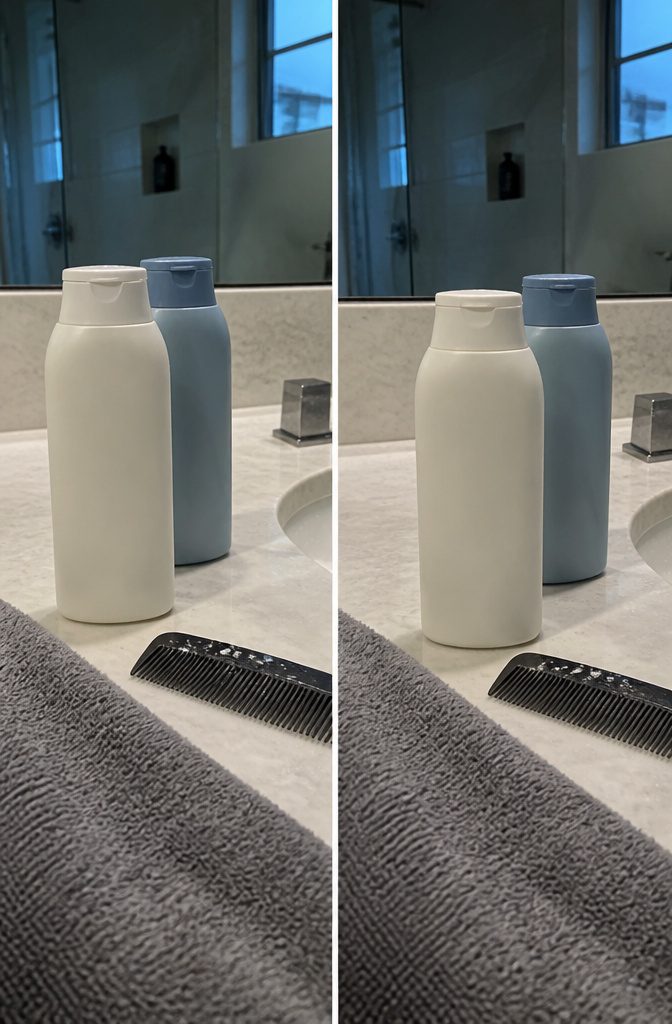
If flakes are still visible after four to six weeks of regular use, switch to a shampoo with a different active ingredient. Dandruff treatments work by targeting the yeast that causes flaking, but not every ingredient works the same way.
Zinc pyrithione, selenium sulfide and ketoconazole each tackle the problem from a different angle, and what clears flakes for one person might do nothing for another.
Some dermatologists recommend rotating two or three different dandruff shampoos from the start, using a different one each time you wash. That approach gives you broader coverage without waiting weeks to find out whether one ingredient will work for you.
If you started with just one formula and nothing has changed after a month and a half, pick up a bottle with a different active and give it the same trial period.
5. See a dermatologist if symptoms persist, worsen, or include redness and swelling
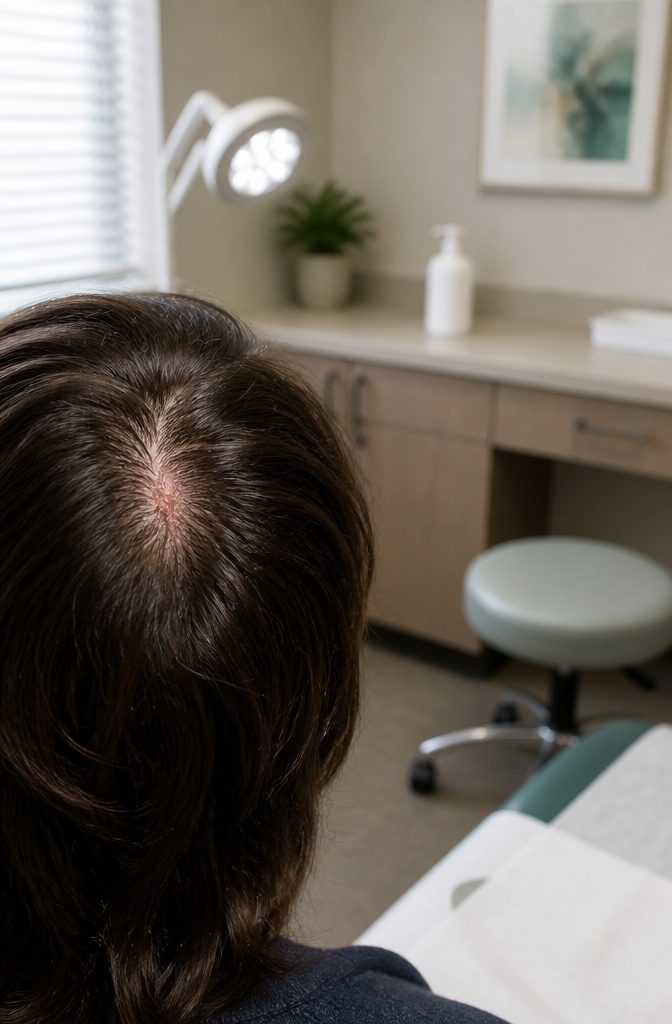
Most dandruff clears up with consistent home treatment, but if symptoms persist after four to six weeks, get worse, or you notice redness and swelling on your scalp, it’s time to see a dermatologist.
These signs suggest the inflammation may need a prescription topical steroid to settle down properly. Extreme dryness, bleeding, or yellow greasy scales that spread beyond your hairline also warrant a visit.
Sometimes what looks like stubborn dandruff turns out to be psoriasis, and a dermatologist can tell the difference and prescribe the right treatment. I’d rather book the appointment than keep cycling through shampoos that aren’t working.
What causes dandruff and what makes it worse
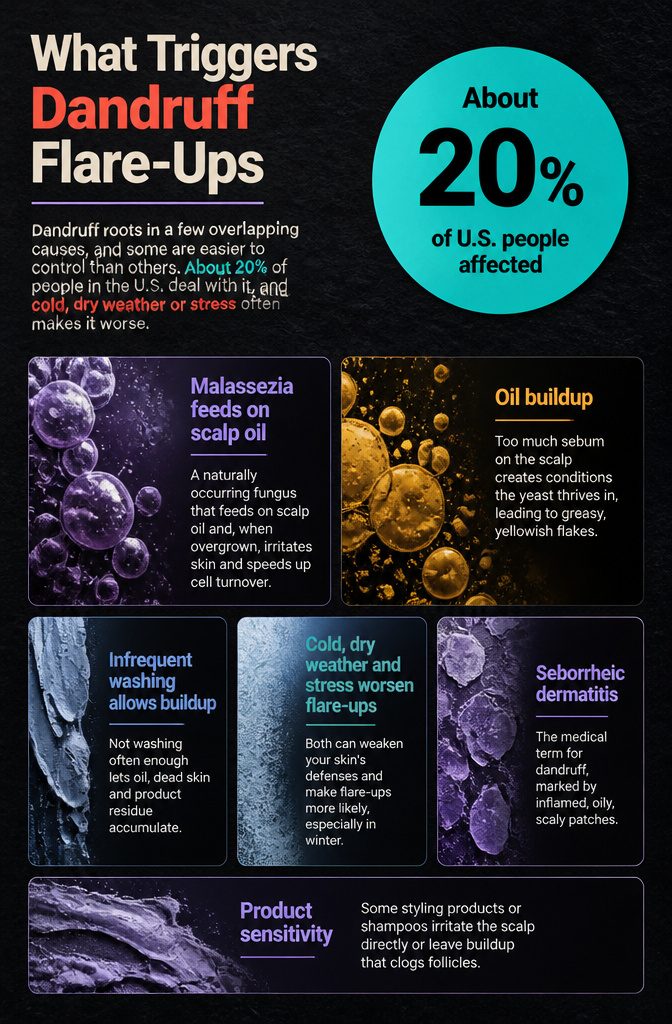
Dandruff roots in a few overlapping causes, and some are easier to control than others. About 20% of people in the U.S. deal with it, and cold, dry weather or stress often makes it worse.
The main drivers:
- Malassezia yeast: A naturally occurring fungus that feeds on scalp oil and, when overgrown, irritates skin and speeds up cell turnover.
- Oil buildup: Too much sebum on the scalp creates conditions the yeast thrives in, leading to greasy, yellowish flakes.
- Infrequent shampooing: Not washing often enough lets oil, dead skin and product residue accumulate.
- Dry scalp: Cold air, harsh shampoos or dehydration can strip moisture and trigger smaller, whiter flakes that look similar but stem from a different cause.
- Seborrheic dermatitis: The medical term for dandruff, marked by inflamed, oily, scaly patches.
- Product sensitivity: Some styling products or shampoos irritate the scalp directly or leave buildup that clogs follicles.
- Stress and seasonal shifts: Both can weaken your skin’s defenses and make flare-ups more likely, especially in winter.
How dandruff flakes differ from dry scalp flakes
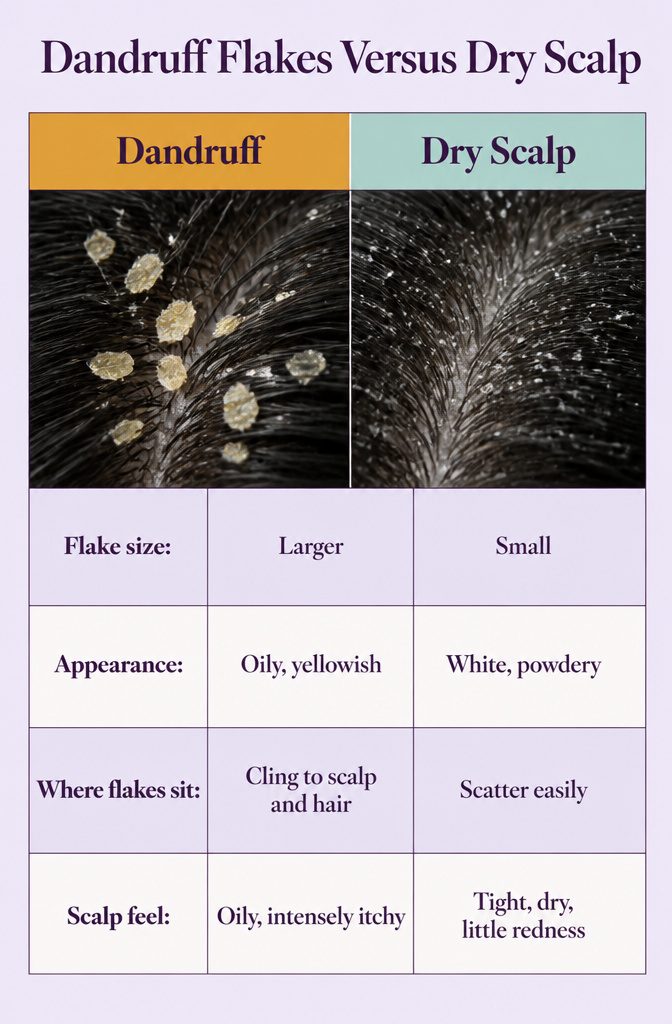
Not every flake is dandruff. The two look different up close, and knowing which you have decides what treatment will work.
Dandruff flakes tend to be larger and oily-looking, often with a yellowish tint, and they cling to the scalp and hair rather than dusting off.
Dry scalp flakes are small, white, and powdery. They scatter easily.
"When people see white scales and flakes on their scalp, they think it’s dandruff, but it’s actually dry skin," says Dr. De La Cruz.
— Allure
If your scalp feels oily and itches intensely, you’re probably dealing with dandruff.
A tight, dry scalp without much redness points to dryness instead. Other conditions like psoriasis, eczema, or contact dermatitis can also produce flakes, sometimes thicker or silvery, so the look of the flake matters more than you’d think.
Home remedies some sources recommend

Some writers suggest home remedies as a first step, though regulatory agencies have not recognized them as effective for dandruff. Most remedies follow a 1–2 times per week schedule for 2–4 weeks:
- Apple cider vinegar diluted 1:1 with water, applied 15–20 minutes before rinsing
- Tea tree oil, 2–3 drops only and never undiluted
- Neem rinse made from 20–25 leaves boiled in 4 cups water for 15 minutes
- Coconut oil with lemon: 2 tablespoons oil, 1 tablespoon lemon juice, left on 20–30 minutes
- Aloe vera gel applied 2–3 times per week
- Fenugreek paste from 2 tablespoons seeds soaked overnight
- Yoghurt and honey: 3 tablespoons yoghurt, 1 tablespoon honey
- Olive oil massage with 2–3 tablespoons, left 1 hour
- Plain coconut oil
- Honey and warm water
- Baking soda, no more than once a week
- Onion juice
One major shampoo manufacturer points out that the FDA and similar bodies worldwide have assessed home remedies and found none effective enough to approve for dandruff treatment. Medicated shampoos remain the only option regulators back.
Why dandruff usually comes back
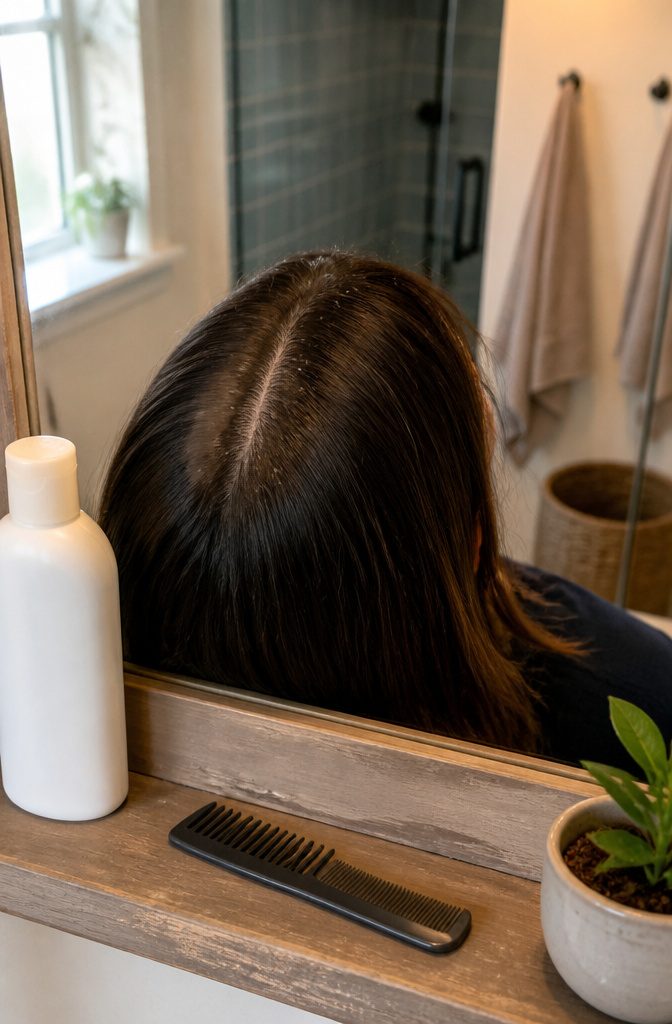
Dandruff usually returns because the Malassezia fungus lives permanently on every scalp.
It only becomes a problem when conditions allow it to overgrow: excess oil, pH imbalance, or a weakened immune response all shift the balance. You can control the flaking with regular treatment, but you cannot eliminate the organism itself.
Whether you can resolve dandruff completely or need to manage it long-term depends on what caused it. Flakes from product buildup or contact dermatitis often clear up once you remove the trigger.
Chronic conditions like seborrheic dermatitis or psoriasis require ongoing control instead. Long-term scalp hygiene and periodic antifungal treatments keep most cases under control, but the fungus remains and flares can happen again.
Product names and concentrations dermatologists mention
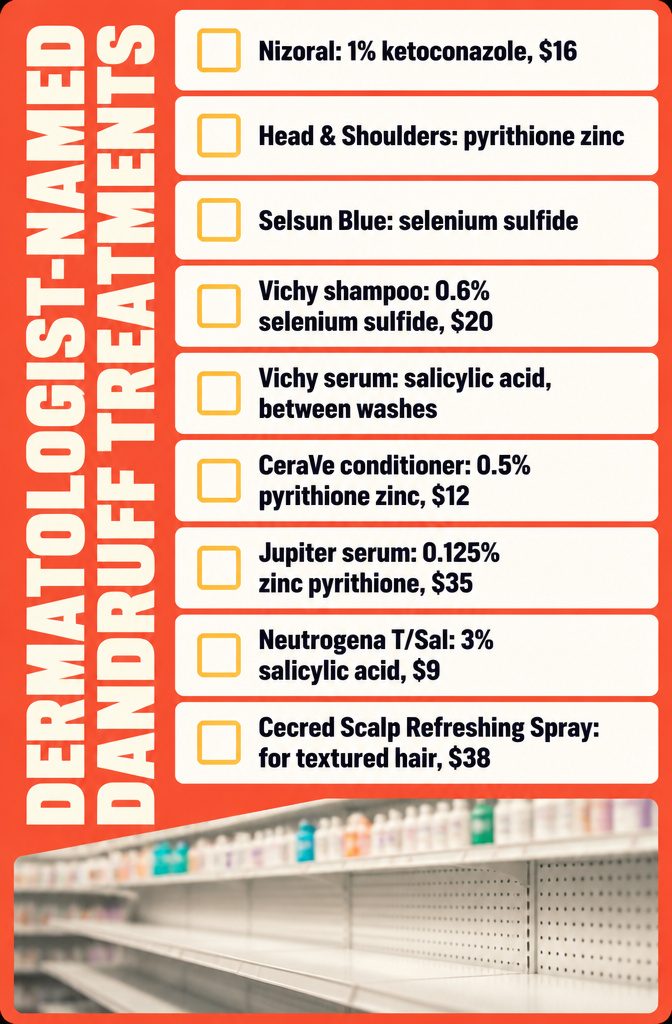
When you shop for over-the-counter dandruff treatment, these are the products and concentrations dermatologists name most often:
- Nizoral Anti-Dandruff Shampoo with 1% ketoconazole, $16
- Head & Shoulders with pyrithione zinc (the brand’s clinically tested active ingredient)
- Selsun Blue with selenium sulfide
- Vichy Dercos Selenium Sulfide Anti-Dandruff Shampoo with 0.6% micronized selenium sulfide, $20
- Vichy Dercos Salicylic Acid Anti-Dandruff Serum for use between washes
- CeraVe Hydrating Anti-Dandruff Conditioner with 0.5% pyrithione zinc, $12
- Jupiter Restoring Serum with 0.125% zinc pyrithione, $35
- Neutrogena T/Sal Therapeutic Dandruff Shampoo with 3% salicylic acid, $9
- Cecred Scalp Refreshing Spray for textured hair, $38
Prices range from $5 to $38, and the active ingredient matters more than the bottle.
Does dandruff cause hair loss
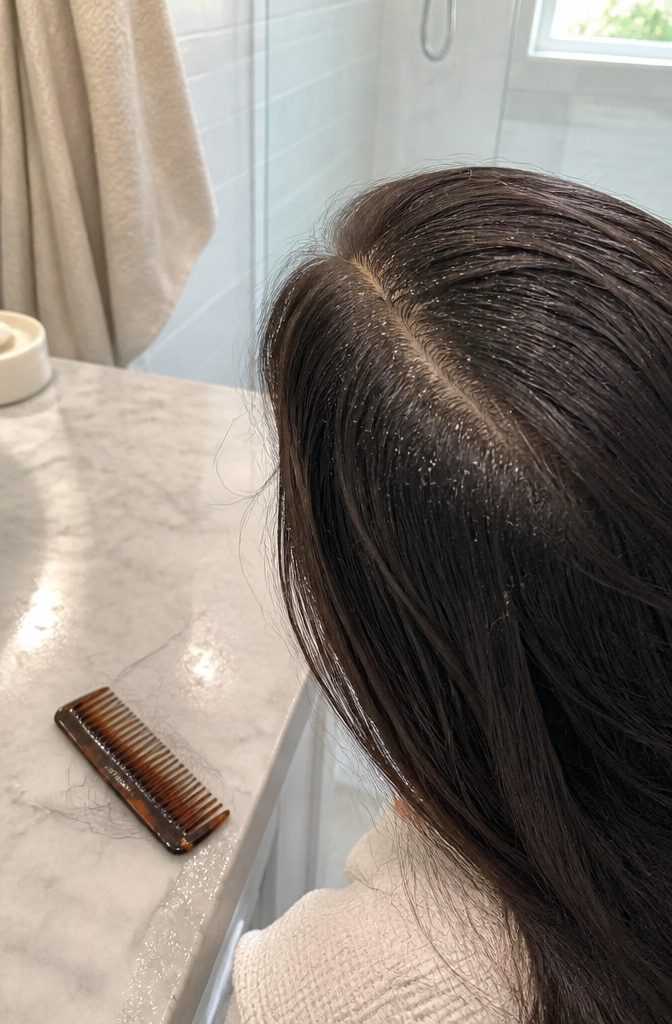
Dandruff itself does not directly cause hair loss.
The flakes are just dead skin cells, and shedding them does not damage the follicles underneath. Your scalp is turning over skin at a faster rate than usual, but that process alone leaves the hair roots intact.
What can lead to temporary thinning is repeated intense scratching. When you dig your nails into your scalp every day to relieve the itch, you risk damaging the follicles over time.
The mechanical trauma is what weakens the hair, not the flaking itself. Severe, untreated seborrheic dermatitis has also been linked to mild hair loss in some cases, though that is less common.
If you notice more hair coming out along with persistent flakes, treat the dandruff first. Once the inflammation and itching settle, the scratching stops, and most people see the hair recover on its own.
Whether oiling your scalp helps or worsens dandruff
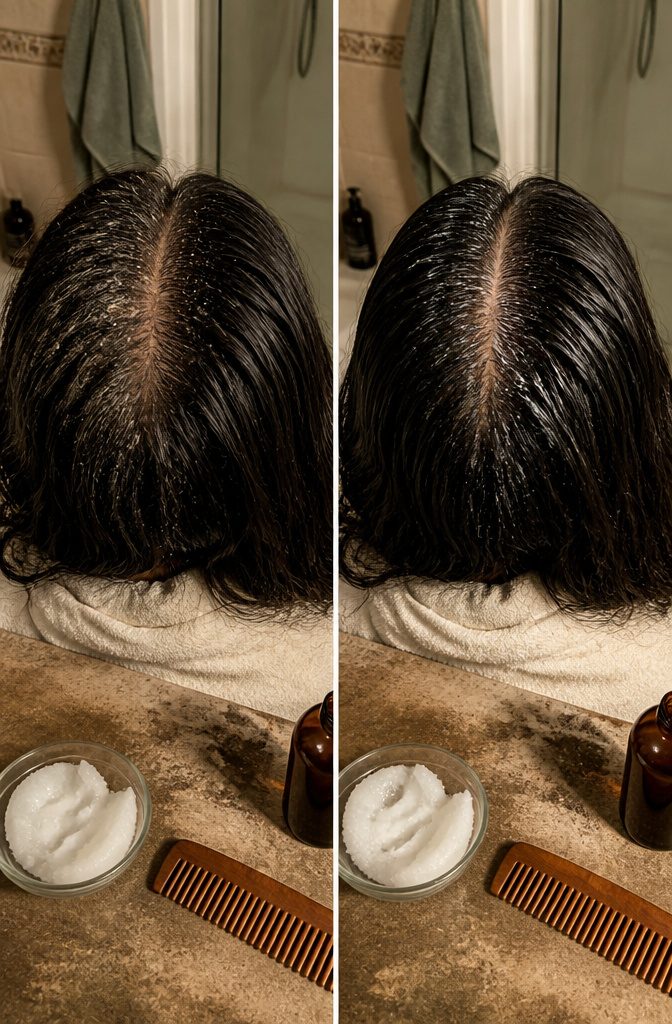
Oiling your scalp can help dry-scalp dandruff but worsen the fungal kind.
If your flakes come from dryness, coconut oil and similar moisturizing oils give your scalp what it needs. I reach for them when my scalp feels tight and the flakes look small and dry.
But if your dandruff is driven by Malassezia, the fungus behind most stubborn cases, oil feeds the problem. The fungus breaks down oils on your scalp, and adding more just gives it fuel.
That explains why some people oil their scalp religiously and still see no improvement. The oil you thought would soothe things is making the overgrowth worse.
If you’ve been oiling and your flakes haven’t budged, stop for a week or two and see what happens. That break often tells you which type you’re dealing with.
Frequently Asked Questions
Is dandruff the same as dry scalp?
No.
Dandruff flakes are larger, yellowish, and oily, while dry scalp flakes are small, white, and powdery. Dandruff comes from oil buildup and yeast overgrowth, while dry scalp happens when your skin lacks moisture.
Can you get rid of dandruff?
It depends on the cause. Flakes from product buildup or contact dermatitis often clear up once you remove the trigger, but chronic conditions like seborrheic dermatitis require ongoing control.
The Malassezia fungus lives permanently on every scalp, so most cases need regular treatment rather than a one-time cure.
What ingredients should I look for in an anti-dandruff shampoo?
Look for zinc pyrithione, selenium sulfide, or ketoconazole to target the yeast that causes dandruff. Salicylic acid also works by breaking down thick buildup and lifting flakes so they rinse away.
Does dandruff cause hair loss?
No, dandruff itself does not directly cause hair loss. The flakes are just dead skin cells and do not damage follicles, but repeated intense scratching can weaken hair over time and lead to temporary thinning.
Is oiling hair good or bad for dandruff?
It depends on the type.
Oiling can help dry-scalp dandruff by adding moisture, but it worsens fungal dandruff because the Malassezia yeast feeds on oil. If you’ve been oiling and flakes haven’t improved, stop for a week or two to see what happens.
Why does my dandruff keep coming back?
Dandruff usually returns because the Malassezia fungus lives permanently on every scalp.
You can control the flaking with regular treatment, but you cannot eliminate the organism itself. Excess oil, pH imbalance, or a weakened immune response all shift the balance and let it overgrow again.
How often should I wash my hair to avoid dandruff?
Use medicated shampoo twice a week at first, then cut back to once a week once flakes improve. Not washing often enough lets oil, dead skin, and product residue accumulate, which creates conditions the yeast thrives in.
Does stress worsen dandruff?
Yes. Stress can weaken your skin’s defenses and make flare-ups more likely, especially in winter when cold, dry air already strips moisture from your scalp.
Can apple cider vinegar help with dandruff?
Regulatory agencies have not recognized it as effective for dandruff treatment, and medicated shampoos remain the only option regulators back.





