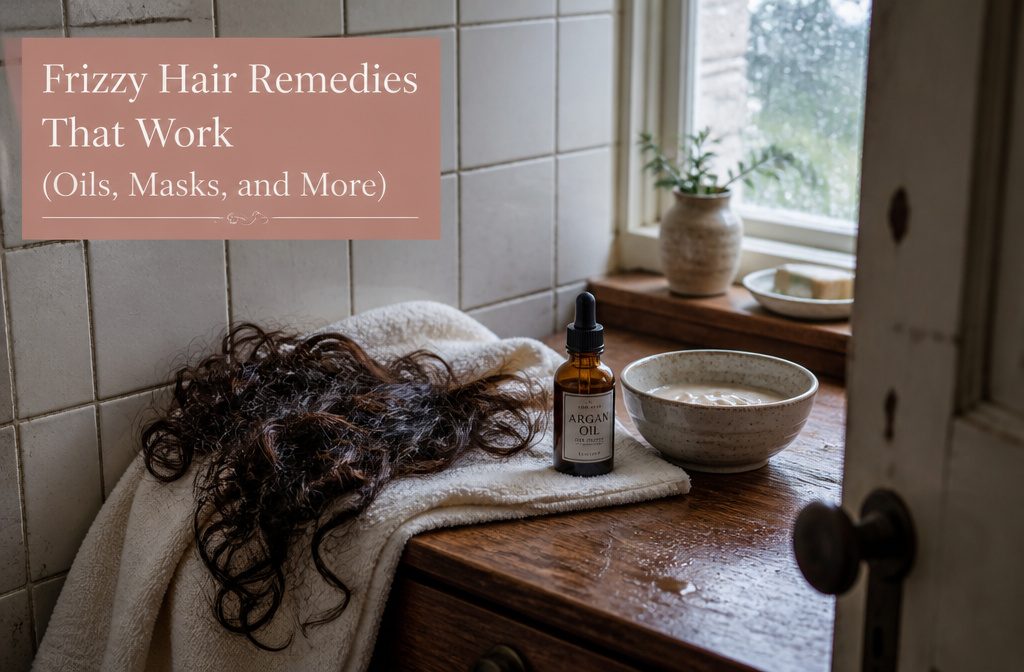
The remedies that work for frizzy hair depend on how porous your strands are and how much moisture they’re already holding.
High-porosity hair absorbs water fast but loses it just as quickly, so it needs heavier oils and weekly deep conditioning to seal the cuticle and stop the cycle.
Fine hair gets greasy under coconut oil and does better with a few drops of argan on damp strands or an apple cider vinegar rinse that flattens lifted cuticles by bringing pH back down to 4.5–5.5.
1. Moisturizing Oils
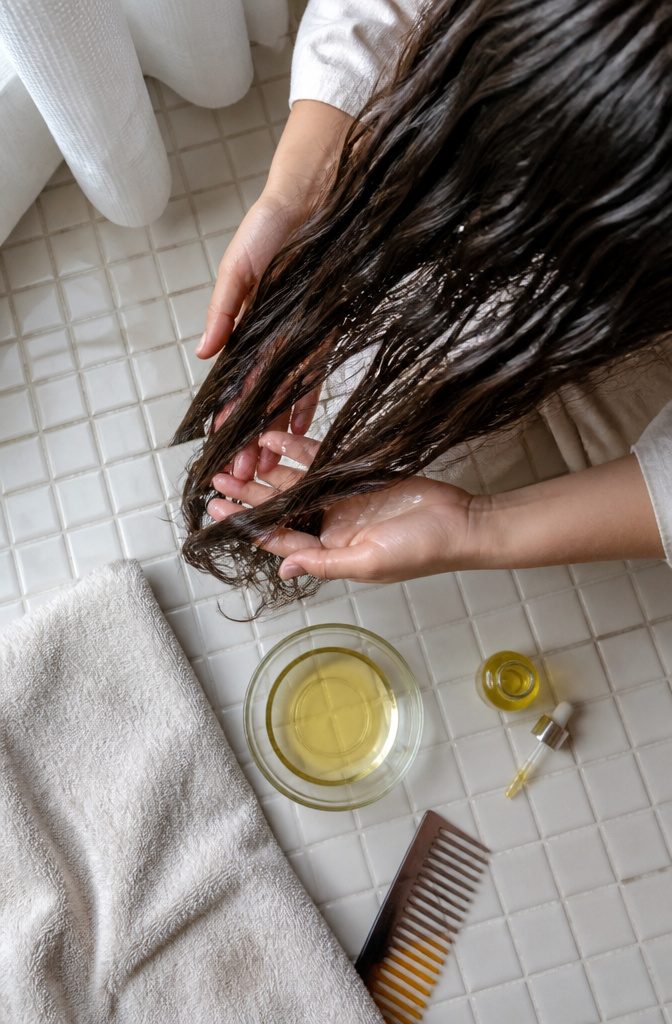
Oils seal moisture inside the hair and close down the cuticle, which is why they work when heavier creams feel like they just sit on top.
Coconut oil penetrates the hair shaft rather than coating the surface, so it actually gets inside to stop moisture loss.
Warm up 2–3 tablespoons and work it through from mid-length to ends, then leave it on for at least 30 minutes or overnight if your hair is very dry.
Wash it out with shampoo the next morning. For a quicker version, massage a small amount into your hair and leave it 15 minutes before shampooing.
Argan oil is lighter and works better on finer hair that would look greasy under coconut. A few drops on damp hair before styling is enough.
Jojoba, almond, avocado, macadamia and grapeseed oils all add moisture without silicone or alcohol, and you can use any of them as a pre-wash treatment or apply a tiny amount to dry hair between washes to smooth the cuticle and tame frizz as it shows up.
2. Conditioning Masks and Deep Treatments
Deep conditioning gives frizz-prone hair what it needs most: sustained hydration that surface products can’t deliver. You can get that from a DIY mask or a store-bought treatment, and both work if you give them time.
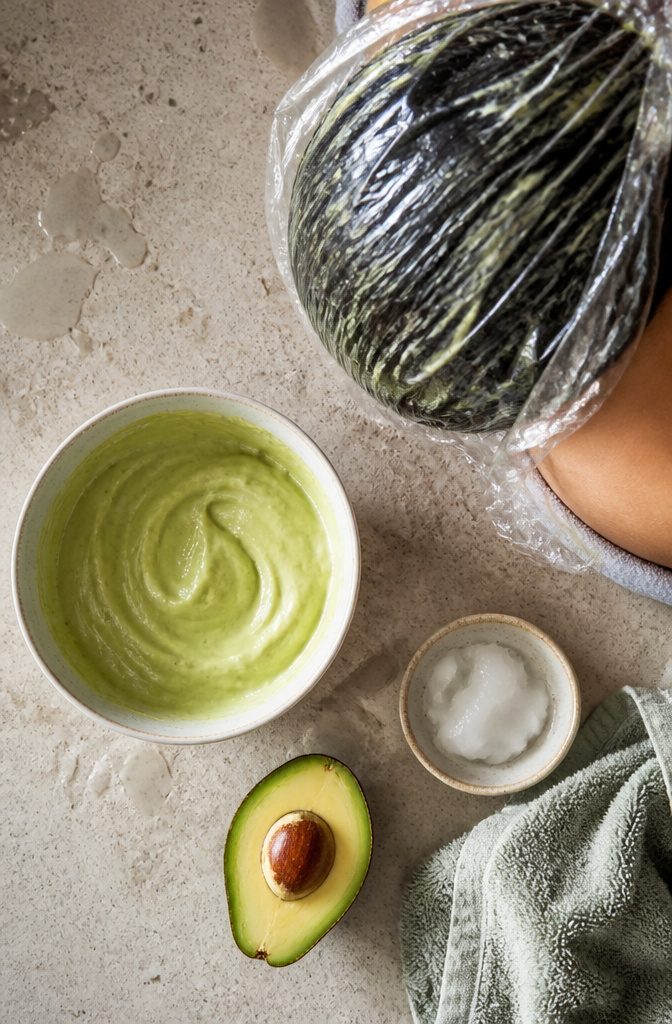
Mash a ripe avocado with 2 to 4 tablespoons of coconut oil until the texture is smooth but not runny.
Apply it to your scalp and hair, cover with a plastic cap or towel, and leave it on for 20 to 30 minutes before shampooing thoroughly.
Use this mask one to two times a week. Avocado brings vitamins A and E, coconut oil adds moisture, and together they smooth out the kind of frizz that comes from dehydrated strands.
Eggs offer a different angle.
Whip up two eggs until frothy, apply to hair and scalp, cover, and leave for 15 minutes before washing out. The saturated fats and biotin help, though the evidence for frizz reduction is mostly anecdotal.
For a richer version, whisk one raw egg with one teaspoon of olive oil and leave it on for 30 minutes. That combination balances protein with hydration.
Honey and olive oil work as a humectant duo. Combine half a cup of honey with a quarter cup of olive oil, massage it through, and leave for 30 minutes before rinsing with lukewarm water and shampooing.
If DIY feels like too much work, store-bought deep conditioners with natural oils or protein treatments deliver similar results.
Apply mid-lengths to ends once or twice a week and leave for three to five minutes. Mayonnaise masks are another option, though once every two to four weeks is plenty.
3. Apple Cider Vinegar Rinses
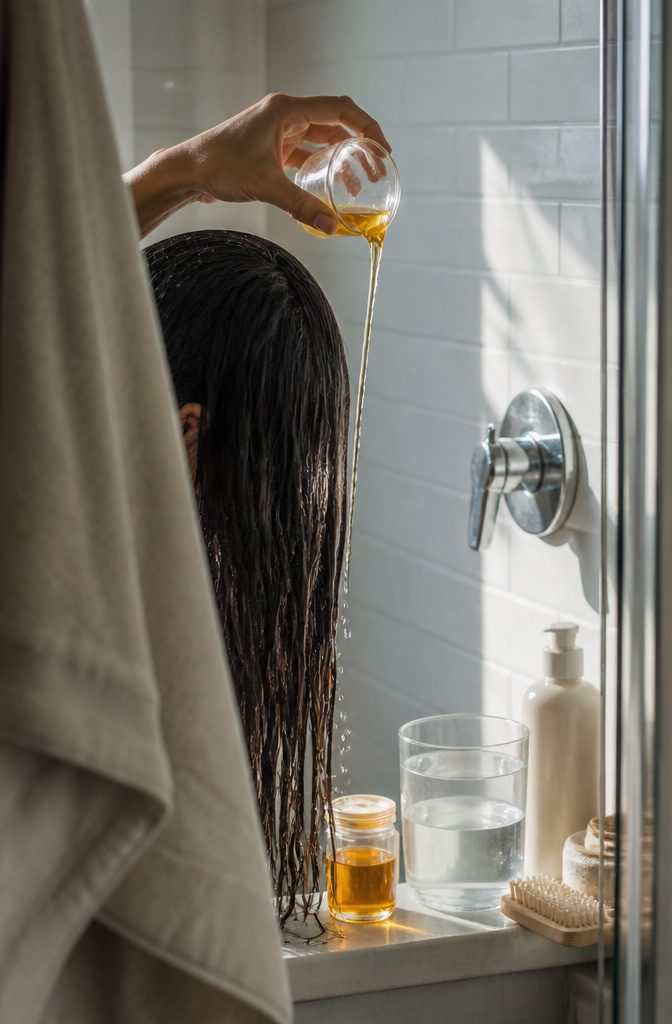
Apple cider vinegar rinses work by bringing hair’s pH back down to its healthy range of 4.5 to 5.5.
When hair turns too alkaline, cuticles lift and frizz follows. The vinegar is slightly acidic, so it flattens those cuticles, removes buildup from conditioners and styling products, and leaves hair smoother and shinier once it dries.
Mix one-third cup of apple cider vinegar with a quart of warm water, pour it over freshly shampooed hair, and leave it on for one to three minutes before rinsing with cool water.
Use the rinse once or twice a week.
If you have fine hair or want a lighter ratio, two tablespoons of vinegar mixed with a cup of water works just as well. Some sources suggest leaving it on for just thirty seconds if your hair is sensitive.
The vinegar smell disappears after rinsing. Air-drying afterward keeps cuticles closed and frizz down.
4. Aloe Vera
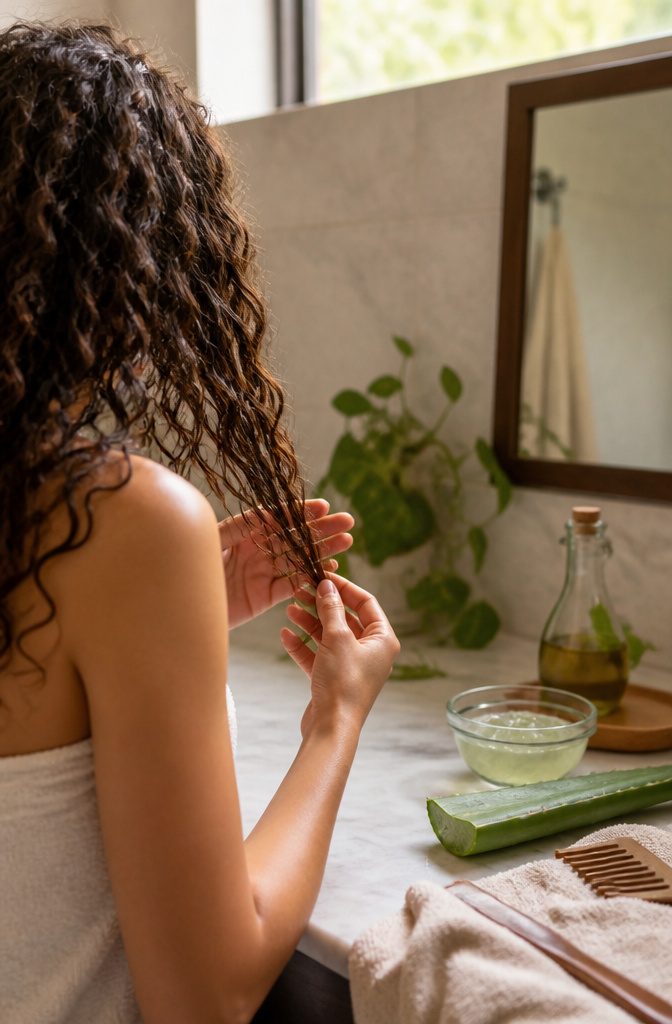
Aloe vera works well as a leave-in treatment on damp hair, providing light hold and moisture without weighing down natural texture.
Fresh gel straight from the plant is best if you have one, though pure aloe vera gel from a pharmacy does the job.
For a quick smoothing treatment, I apply about 1 tablespoon or 15 ml massaged into the scalp on damp hair, then wash it out immediately with regular shampoo and follow with conditioner to lock in moisture.
The gel hydrates and calms frizz while defining curls and waves. You can also leave it in without rinsing for light control throughout the day.
Aloe vera contains vitamins A, C, and E, which help repair damage and condition dry strands. Pair it with a natural oil like olive or coconut for deeper moisture if your hair needs more than hydration alone.
5. Wash Less and Use Moisturizing Products
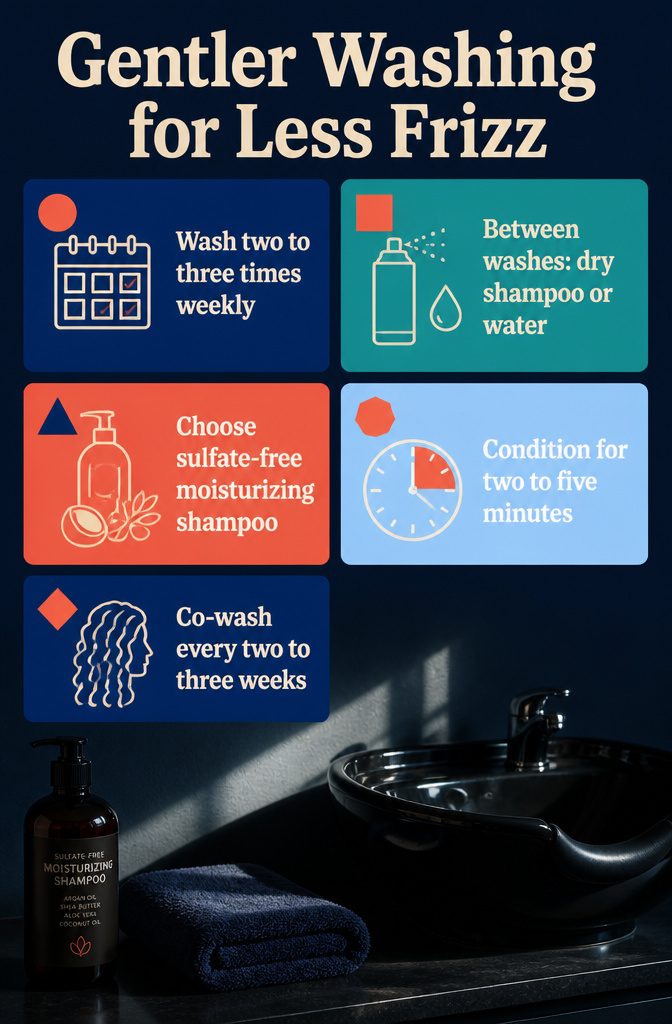
Frequent washing strips the hair of its protective oils and leaves it dry, which is exactly what makes frizz worse.
Cutting back to two or three times a week gives those natural oils time to do their job. On the days between washes, dry shampoo or a quick rinse with water alone keeps things manageable without resetting the clock.
When you do shampoo, sulfate-free formulas make a difference.
Sulfates cleanse aggressively but take too much with them. Moisturizing shampoos built around argan oil, shea butter, aloe vera or coconut oil add back what washing tends to pull out, and they smooth the cuticle instead of roughing it up.
A conditioner formulated the same way should stay on the hair for two to five minutes before rinsing.
Co-washing, washing with conditioner alone, skips the stripping step entirely.
It works well for curly hair that needs all the moisture it can hold. Use a sulfate-free rinse-out conditioner and expect to do it every two to three weeks, depending on buildup and scalp comfort.
6. Blot and Air Dry Instead of Rubbing
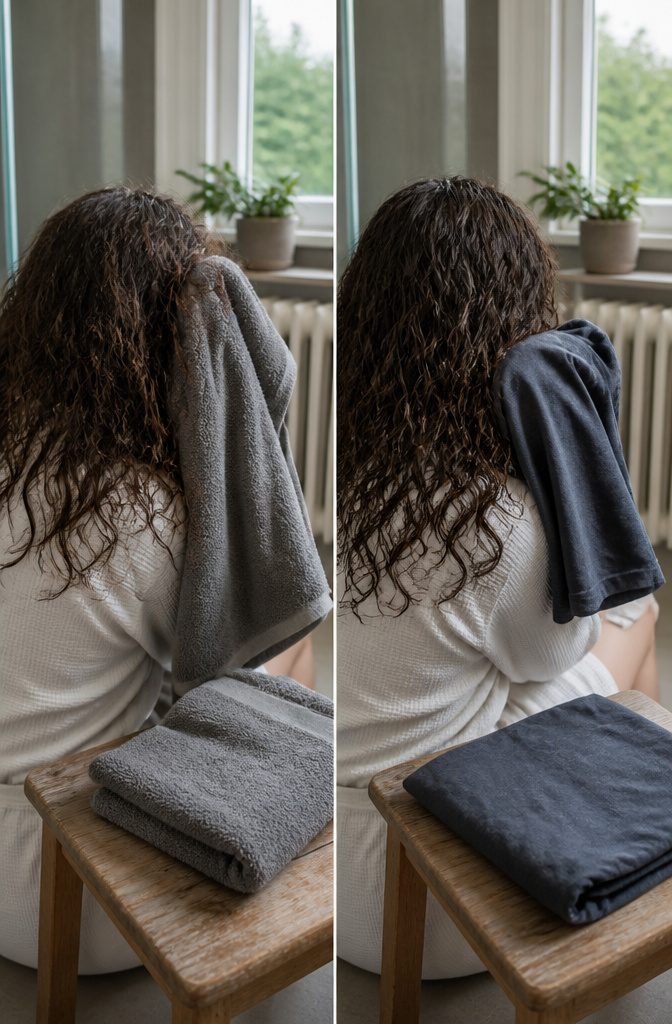
Wet hair is more elastic and more vulnerable to damage than dry hair, so the way you dry it matters. Rubbing with a cotton towel creates friction that opens the cuticle and leaves frizz and static behind.
Blot instead, using a microfiber towel or an old T-shirt to absorb water without roughing up the surface. The plopping technique works well if you want to wrap and let it sit while the fabric pulls out moisture.
Air drying is the gentlest option when the environment cooperates, though humid air can make frizz worse even without heat.
If you do use a dryer, keep the temperature on medium-low, hold it 10–15 centimeters away, and finish with a blast of cold air to seal the cuticle.
For curly or wavy hair, a diffuser distributes heat evenly and protects the curl shape. Always apply a heat protectant first.
7. Silk or Satin Pillowcases
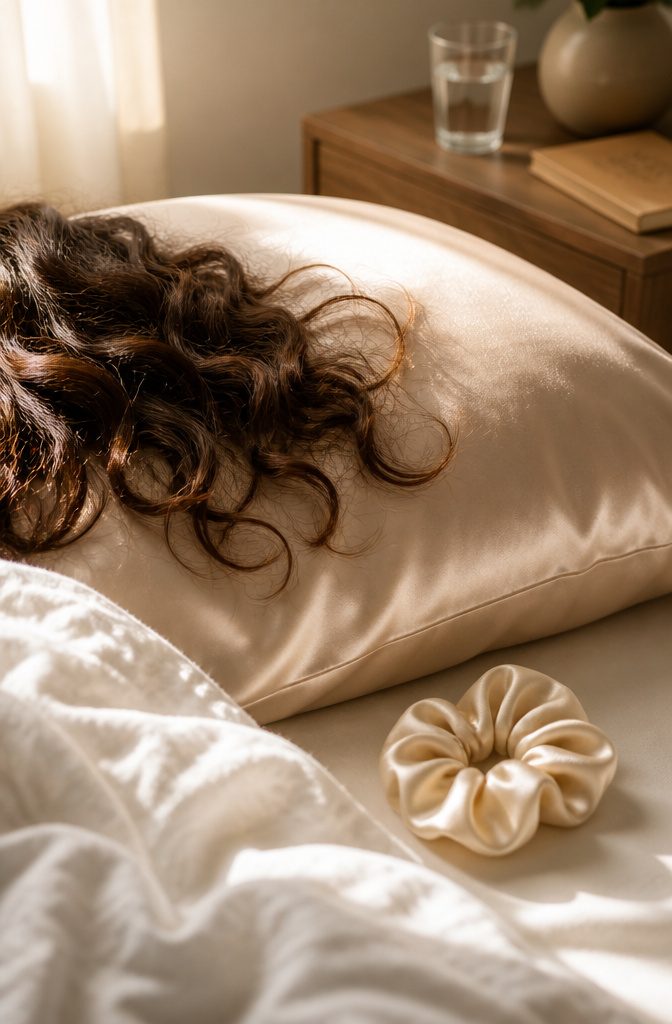
Cotton pillowcases absorb moisture and create friction all night long. Silk or satin pillowcases reduce that friction, letting your hair glide instead of snagging.
The smooth surface keeps cuticles closed and helps hair hold on to the moisture it already has, so you wake up with less frizz and fewer tangles.
Soft silk scrunchies work the same way if you tie your hair back before bed. I use a loose ponytail or bun, high on my head, to keep curls from flattening.
The gentle hold prevents breakage that tight elastics cause, and the silk keeps friction low. Some people call it pineappling; it’s just a soft ponytail placed where it won’t crush volume overnight.
The swap from cotton is simple, and the difference shows up the first morning. Hair moves freely across the pillowcase instead of catching and roughening with every turn.
Why Frizz Happens
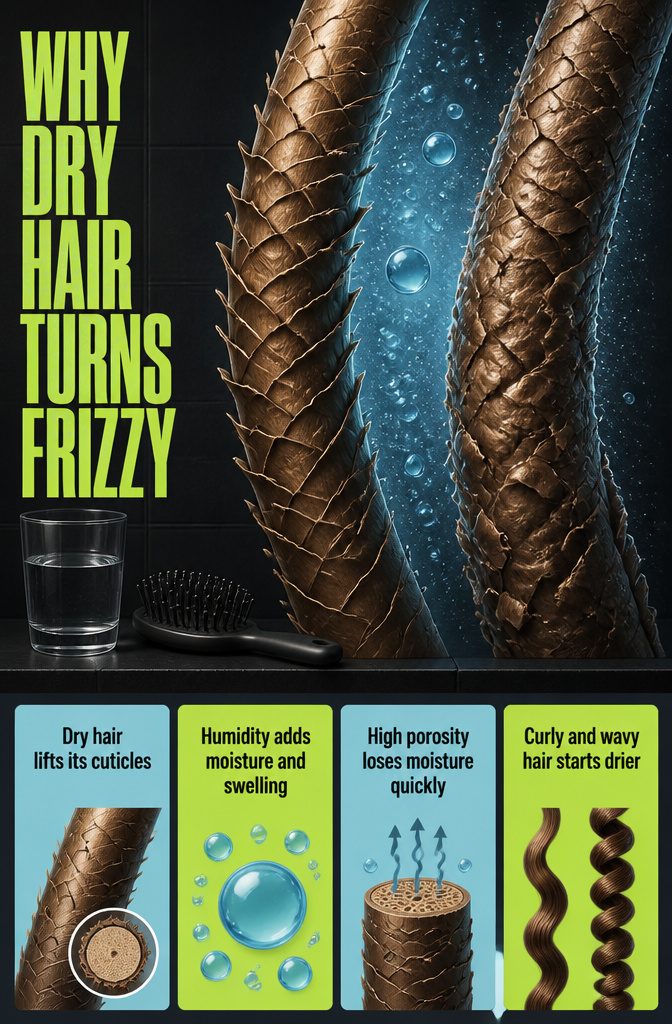
Frizz starts when hair is dry or dehydrated. The cuticles that cover each strand lift and separate, looking for moisture from the air around you.
Humid weather makes it worse because dry hair pulls in whatever water it can find, and that causes the shaft to swell. The result is the rough, fluffy texture that refuses to settle.
Hair porosity decides how quickly your strands absorb and lose moisture: high porosity hair picks up water fast but releases it just as quickly. That cycle leaves hair dry and prone to lifting again.
Curly and wavy hair types tend to be drier from the start, so they frizz more easily than straight hair. Once you know what is opening those cuticles, the right products and habits can close them back down.
How Heat and Handling Make It Worse
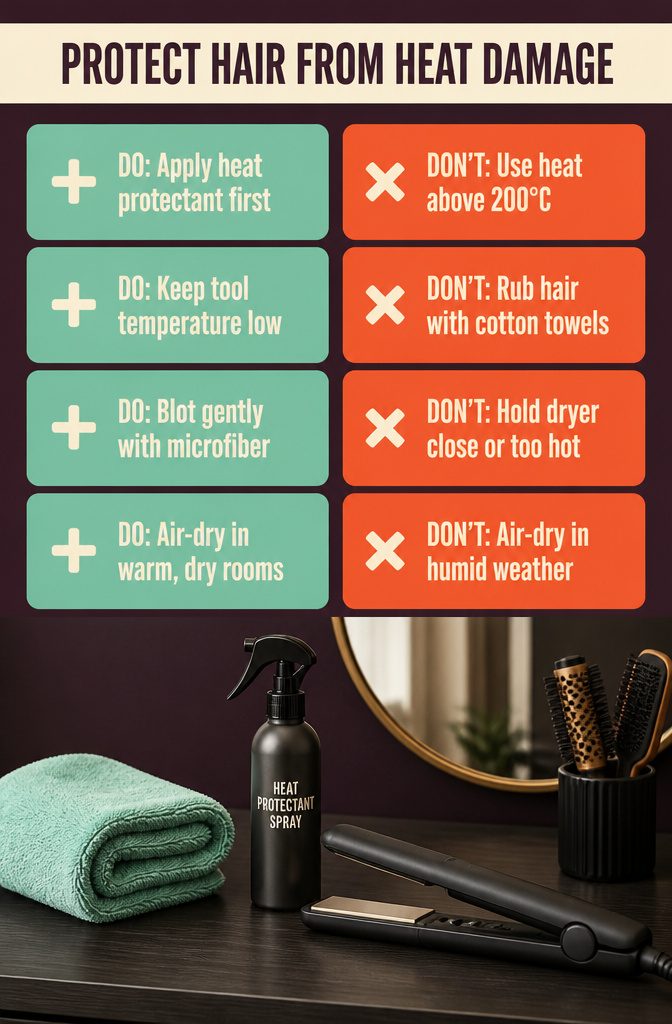
Every time you smooth a flat iron down your hair or wrap it in a regular bath towel, you are opening the door to more frizz.
Heat tools strip moisture and natural oils from the strand, and above 200°C the cuticle cracks outright, damaging the keratin inside.
Flat irons and curling wands are the worst offenders, but even a blow dryer set too high or held too close does real harm.
Rough handling compounds the problem.
Cotton towels create friction that lifts the cuticle and invites static. I blot with a microfiber towel instead, squeezing gently rather than rubbing, and the difference in frizz is immediate.
If you do reach for heat, use a protectant spray first and keep the temperature as low as the tool will allow.
Air drying works when the room is warm and dry, but in humid weather it can backfire and leave you worse off than you started.
Regular Trims for Split Ends
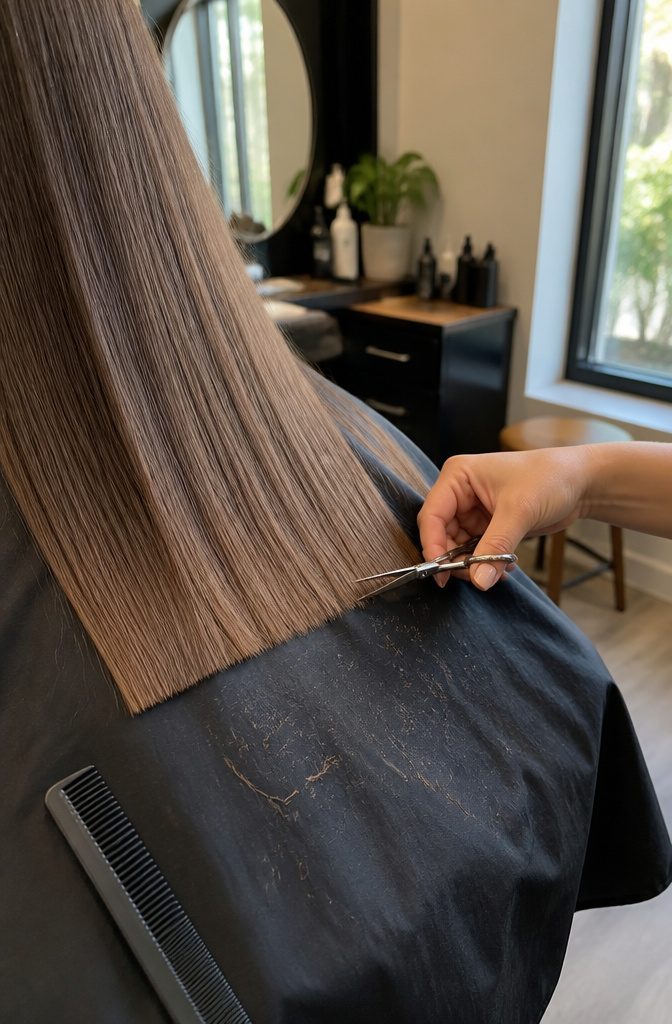
Split ends travel up the shaft and weaken the whole strand, which means more breakage and a rougher texture that catches light as frizz.
Trimming cuts off the damage before it climbs higher, and the recommendation that holds across styling types is every 6–8 weeks. That interval keeps the ends clean enough that they lie smooth instead of fraying outward.
A trim is not a remedy by itself.
It removes the damage that is already there, but it does not add moisture or seal the cuticle, so if your routine strips oils or leaves hair dry, frizz will return between appointments.
Pair the trim with conditioning and gentler handling, and the cut holds its shape longer.
If you live somewhere humid, ask for blunt lines rather than heavy texturizing. The weight keeps flyaways closer to the head.
Frequently Asked Questions
What are the main causes of frizzy hair?
Frizz happens when hair is dry or dehydrated.
The cuticles lift and pull moisture from humid air, which causes the shaft to swell and look rough. High porosity hair loses moisture quickly and frizzes more easily, and curly or wavy hair tends to be drier from the start.
How can I reduce frizz in my hair naturally?
Natural oils like coconut, argan, and jojoba seal moisture inside the hair and close the cuticle.
Aloe vera works as a leave-in treatment on damp hair, and apple cider vinegar rinses bring hair’s pH back to its healthy range of 4.5 to 5.5, which flattens lifted cuticles. Pair these with gentle handling and less frequent washing.
How often should I wash frizzy hair?
Washing 2 to 3 times a week gives natural oils time to protect your hair without stripping it dry.
On the days between washes, dry shampoo or a quick rinse with water alone keeps things manageable. Frequent washing removes protective oils and leaves hair dry, which makes frizz worse.
Which hair masks work best to reduce frizz?
Deep conditioning masks with coconut oil, argan oil, or shea butter deliver sustained hydration that surface products can’t.
A DIY mask made from mashed avocado and 2 to 4 tablespoons of coconut oil smooths out frizz caused by dehydrated strands. Use masks 1 to 2 times a week and leave them on for 20 to 30 minutes before shampooing.
Can oiling reduce frizzy hair?
Yes. Coconut oil penetrates the hair shaft to stop moisture loss, while lighter oils like argan, jojoba, almond, and avocado add moisture without weighing hair down.
Use 2 to 3 tablespoons as a pre-wash treatment for at least 30 minutes, or apply a few drops to damp hair before styling.
How to remove frizz in 5 minutes?
Apply a small amount of natural oil like argan or coconut to damp hair, or smooth on about 1 tablespoon of aloe vera gel and leave it in for light hold.
You can also pour diluted apple cider vinegar over freshly shampooed hair, leave it for 1 to 3 minutes, and rinse with cool water.
Can dry frizzy hair be permanently fixed?
No.
There’s no permanent fix for naturally frizzy hair because hair type can’t be changed. Consistent care with moisture, protein treatments, sulfate-free products, and gentle handling can improve texture and reduce frizz, but the routine needs to continue.
How to prevent frizzy hair in humid weather?
Use lightweight anti-frizz products that don’t weigh hair down, and avoid over-washing so natural oils can protect the cuticle. Consider protective hairstyles that keep hair contained, and apply a small amount of oil to seal moisture in before heading outside.





