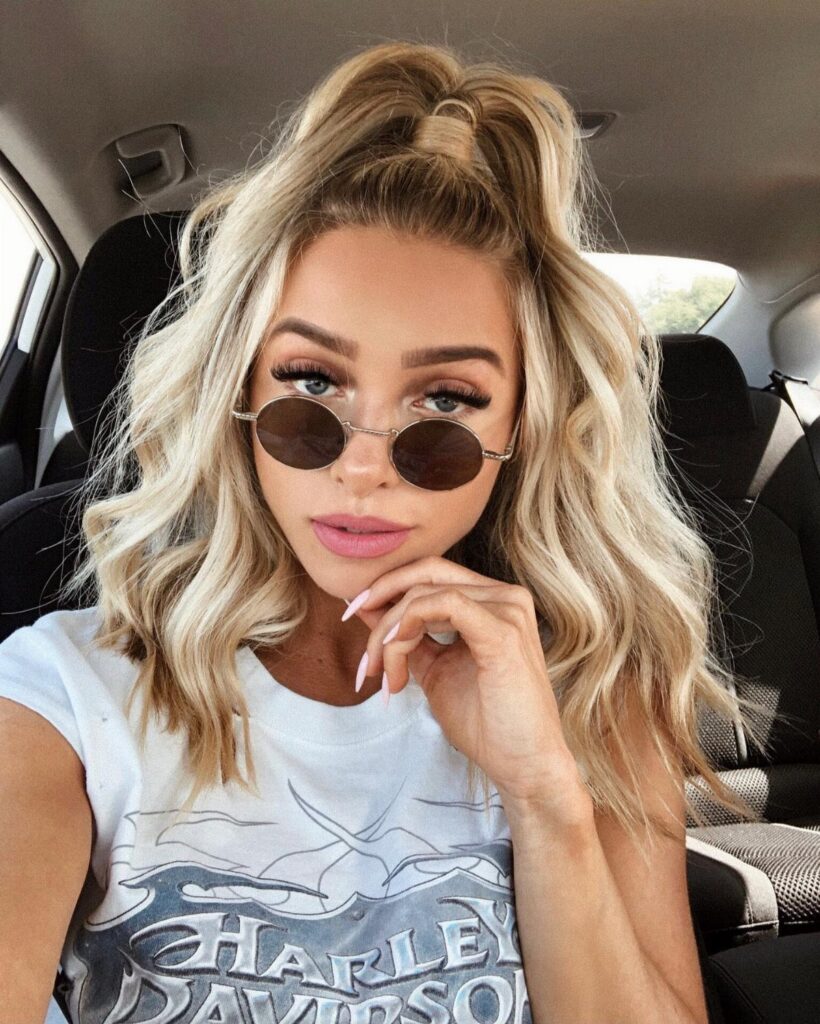
Dry shampoo adds the grip that makes styling easier on day 2 or 3, when freshly washed hair would slip out of braids or flatten under clips.
The style you choose depends on how much oil sits at your roots: a ponytail or bun hides treated sections, a half-up style covers the crown, and a top knot or braid keeps the focus off your hairline.
Hold the can 4–8 inches from your scalp and spray directly at the roots, then wait 30 seconds before massaging the powder in with your fingertips.
1. Half-up Half-down Hairstyle
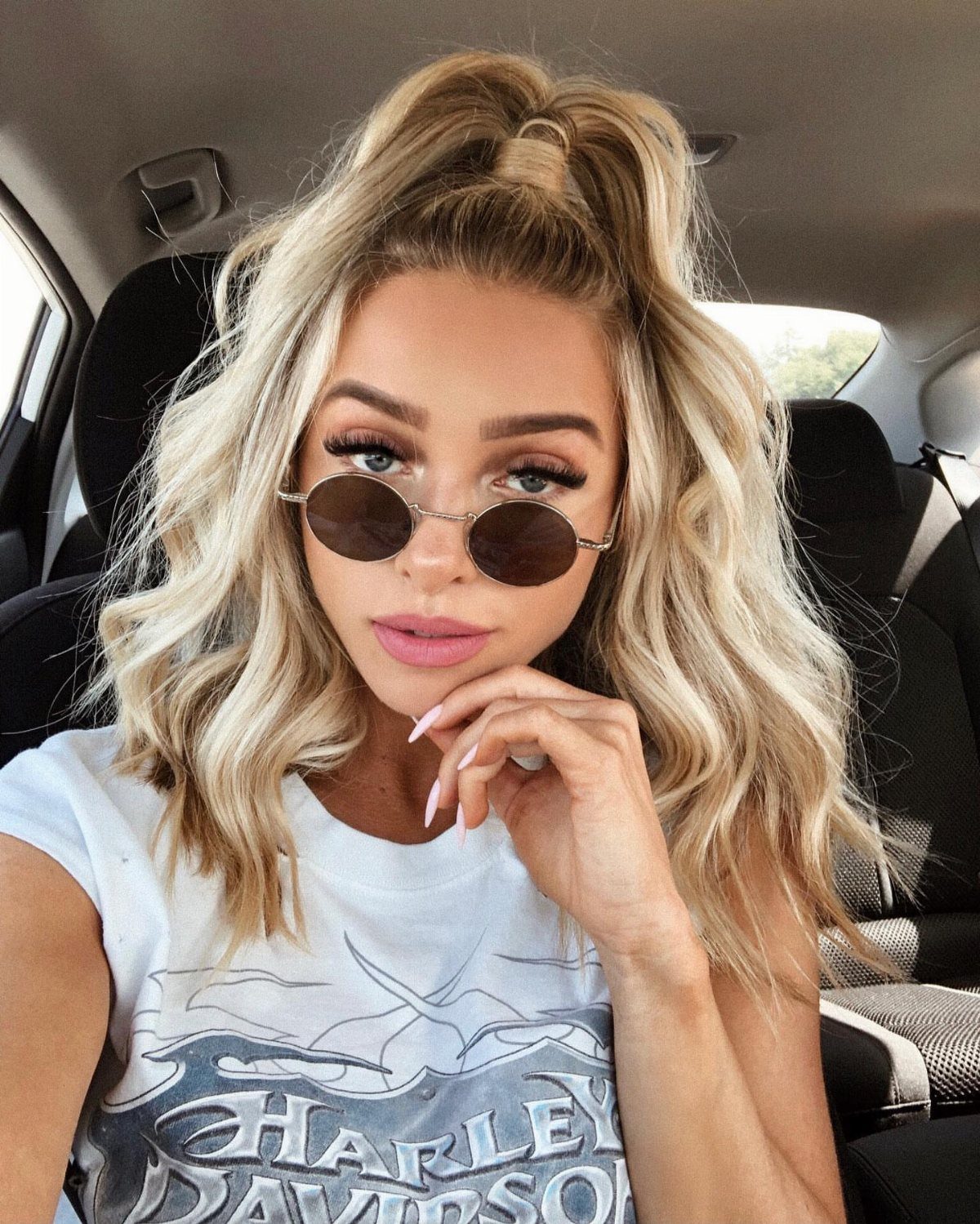
The top section is pulled back and secured with an elastic or clip, while the rest of your hair stays loose.
Dry shampoo lifts the roots at the crown before you gather that section, which adds volume and hides any oil.
I spray dry shampoo directly at the roots, let it sit, then massage it in with my fingertips.
After that, I gather the top half, secure it, and leave the ends loose. If second-day texture makes the loose hair look flat, a quick pass with a curling iron or flat iron brings movement back.
2. Ponytail
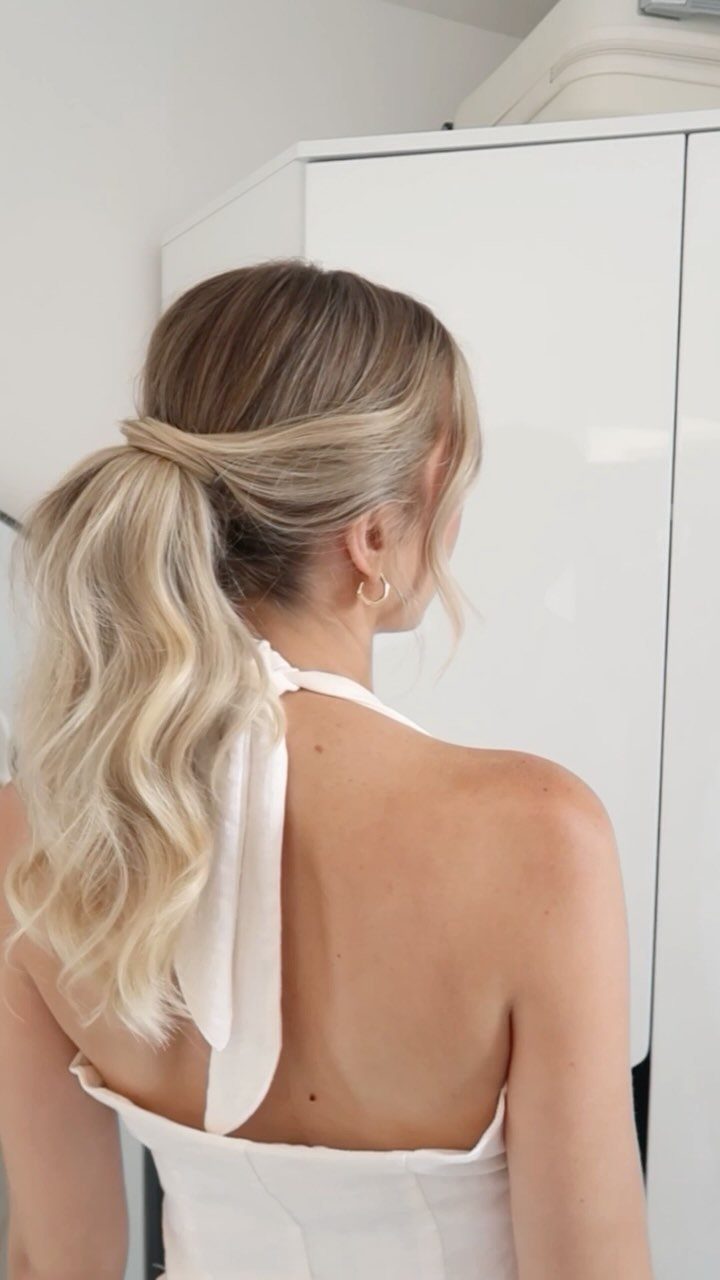
A low ponytail sits at the nape and works on day 2 or 3 when roots need coverage. Dry shampoo absorbs oil at the scalp, and pulling hair back into a ponytail hides the treated area entirely.
I apply dry shampoo where hair looks greasy, wait a minute, then brush everything back and secure it with an elastic.
A looser tie gives a relaxed look, while a tighter pull reads more polished. Leaving a few face-framing pieces softens the style if the pull feels too severe.
3. Messy Bun
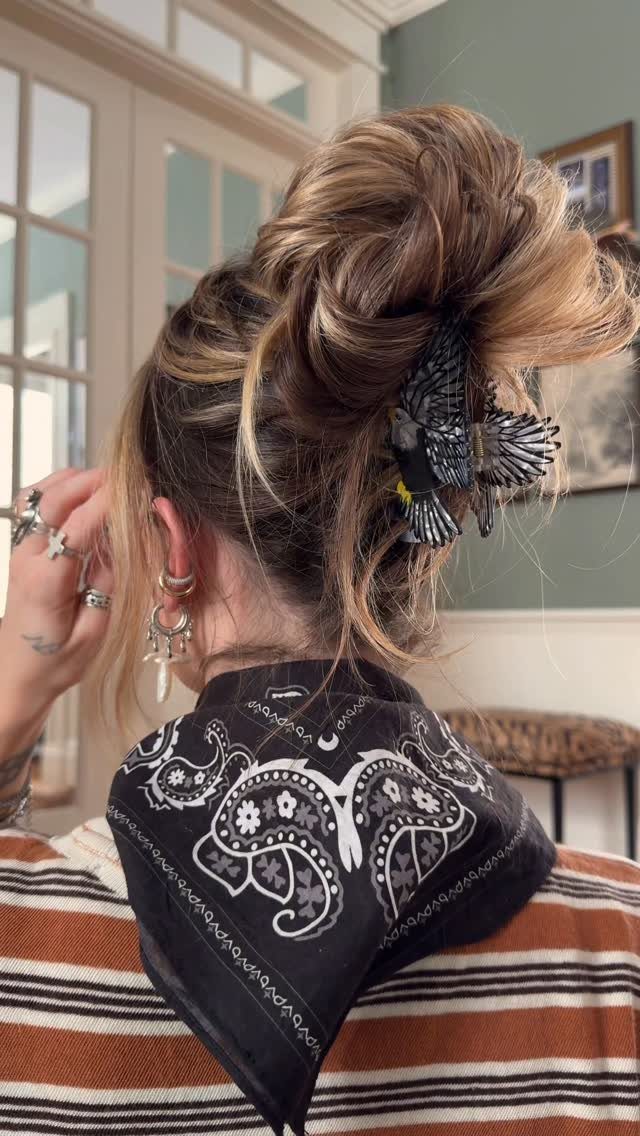
A high, loose bun gathers hair at the crown and secures it without smoothing every strand. Oily roots disappear inside the bun, and the relaxed finish means texture from dry shampoo actually helps the style hold.
After hitting the roots with dry shampoo, flip your head forward and pull everything into a high ponytail.
Twist the length loosely, wrap it around the base, and pin or clip it in place. A few pulled-out pieces around the face keep it from looking too tight.
4. Half-up Top Knot
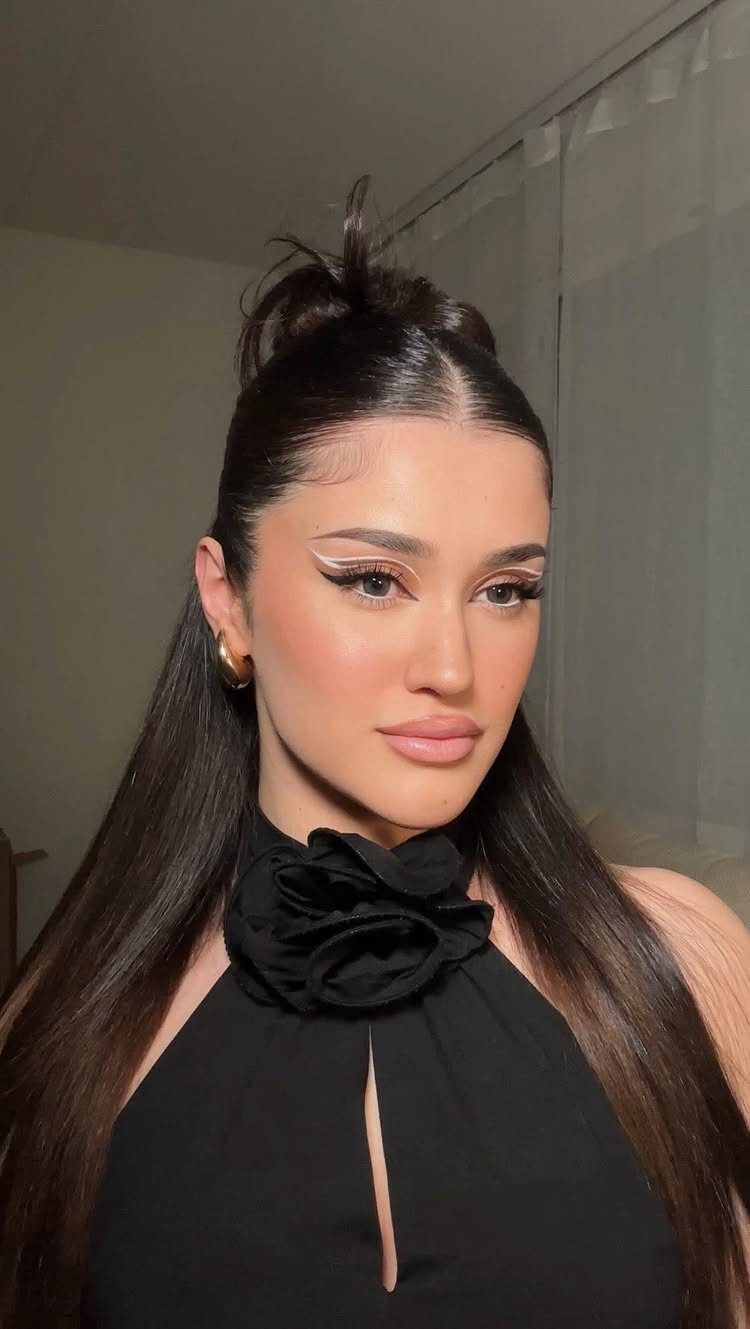
The upper section is twisted into a small bun at the crown, leaving the rest of your hair down. Dry shampoo treats the roots where the top knot sits, which keeps that area lifted and hides oil.
Pull the top section away, hit the roots with dry shampoo, then twist and coil the whole section into a bun.
Secure with an elastic or a few bobby pins. The lower half can be worn straight, wavy, or curled, depending on how much time you have.
5. Textured Faux Hawk
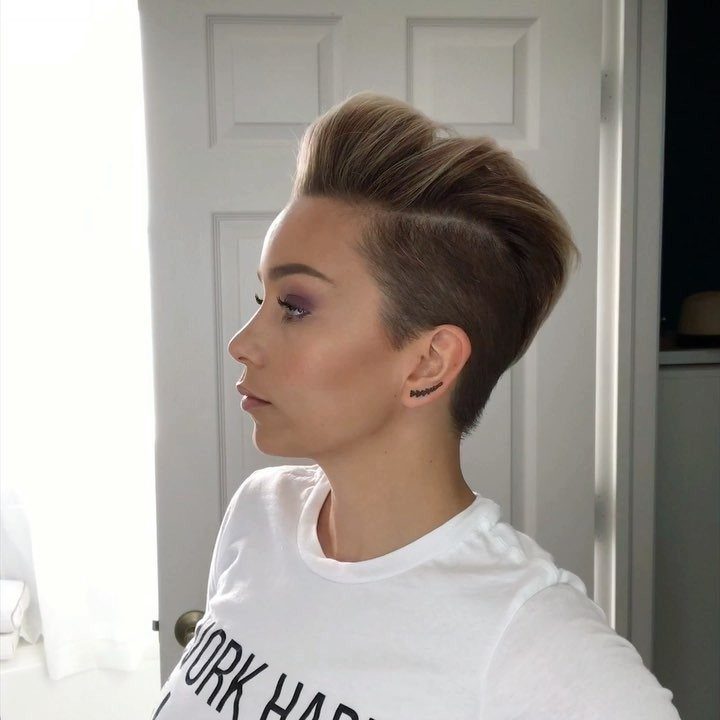
The center section is teased and shaped upward, while the sides are slicked back or shaved short. Dry shampoo gives the lifted center the grip it needs to hold height without washing.
Spray dry shampoo at the roots of the center section, then backcomb from mid-length to the root.
Smooth the top layer lightly with a brush, leaving the volume underneath, and pin or spray the sides flat. The texture dry shampoo adds makes teasing easier and keeps the shape from collapsing.
6. Braided Half-up Style
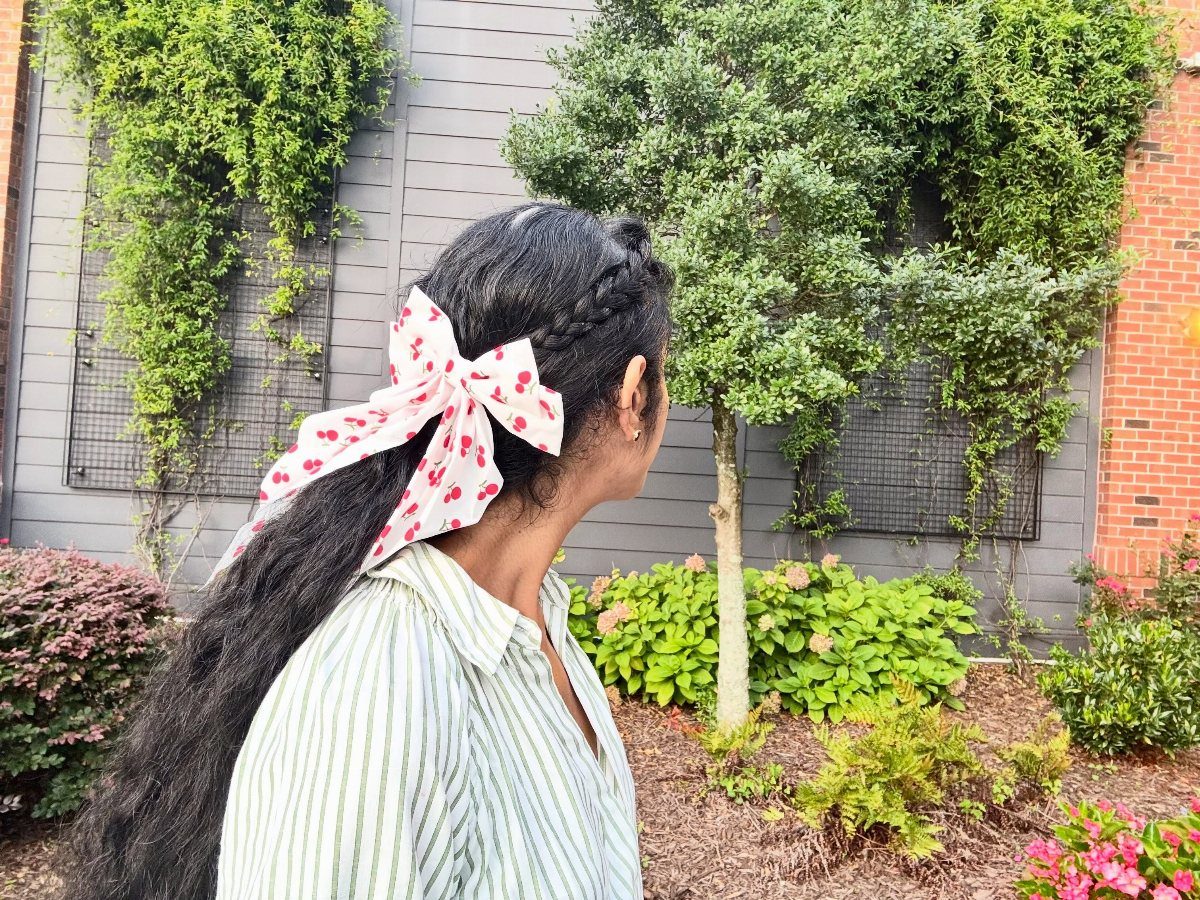
A section of hair is braided and pinned back, while the rest hangs loose. Dry shampoo absorbs oil at the crown and gives the braid texture, which makes it look fuller and less slippery.
Take a section from one or both sides, braid it loosely, and pin it at the back.
I leave the ends slightly undone so the braid blends with the loose hair. If roots look flat after pinning, a light spray of dry shampoo at the part adds lift without redoing anything.
7. Soft Voluminous Curls
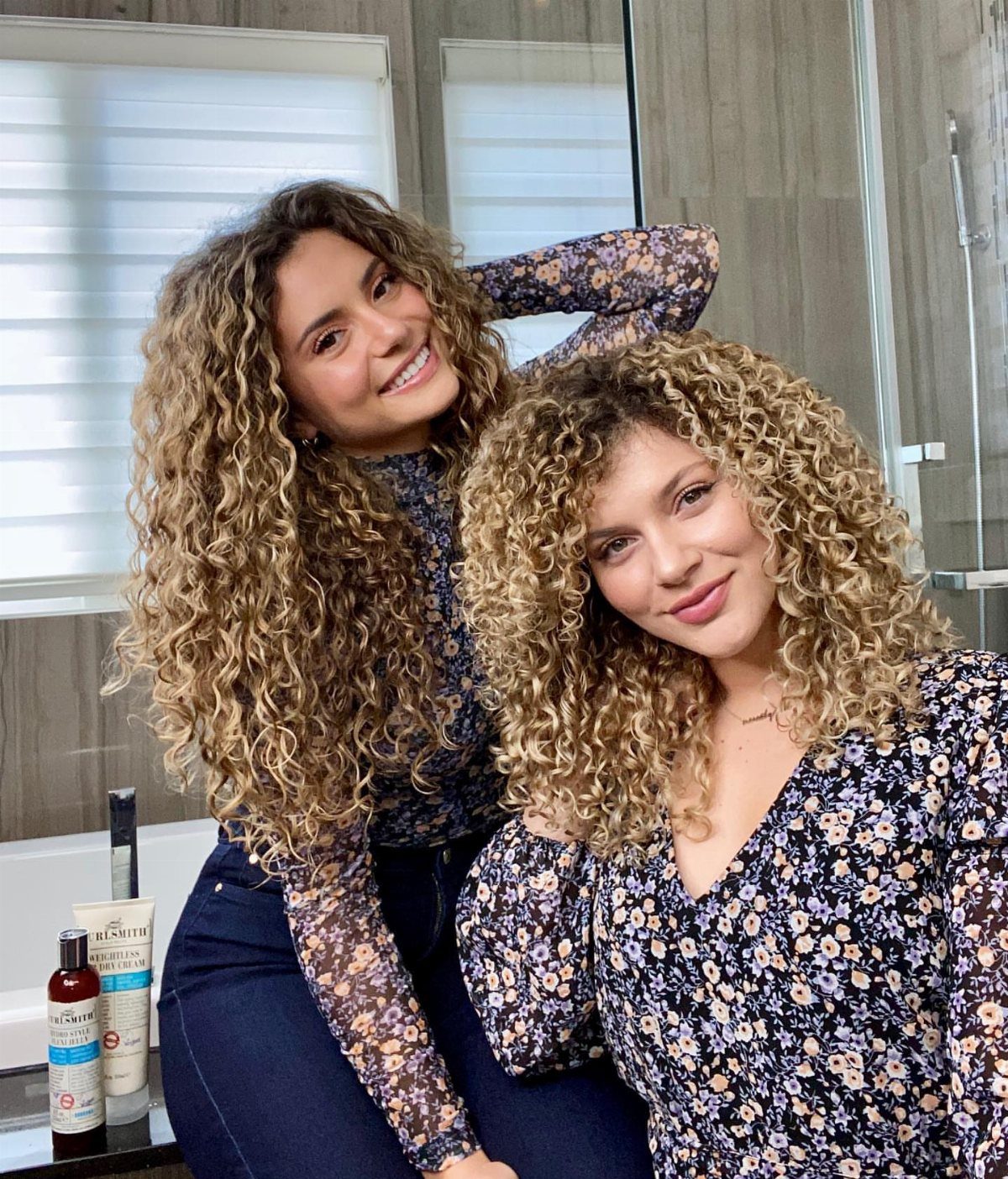
Loose curls worn down with volume at the roots. Dry shampoo lifts the crown and gives curl-forming products something to grip, so the texture holds longer between washes.
If curls from the day before have loosened, I mist them lightly with water and scrunch in a curl cream or mousse. A diffuser on low heat brings the curl pattern back without flattening the volume dry shampoo just added.
8. Casual Side Braid
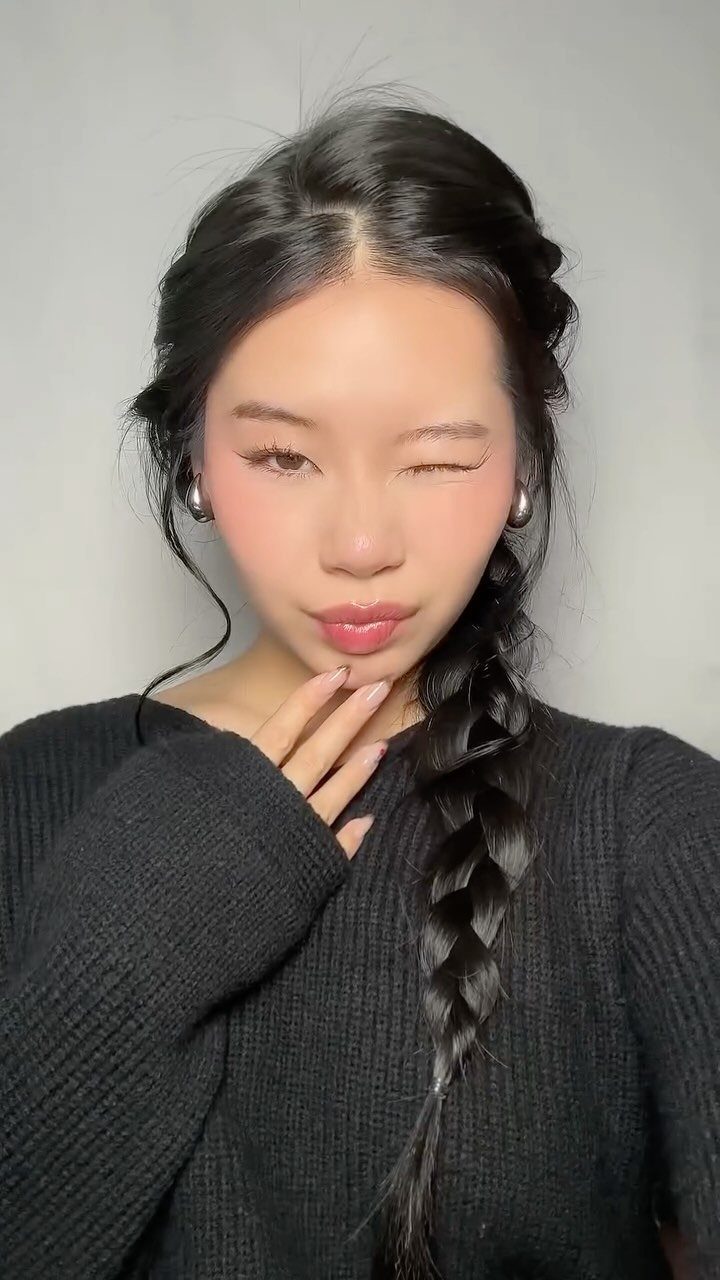
All of your hair is gathered to one side and braided loosely down the shoulder. Dry shampoo treats the roots before braiding, which hides oil and gives the braid enough texture to stay put without slipping.
Pull everything over one shoulder, apply dry shampoo where needed, then braid from the base of the neck down.
I leave the braid loose and tug a few sections wider after securing the end. The side placement keeps the braid visible and works when roots are too oily for hair worn down the back.
9. Low Braided Bun
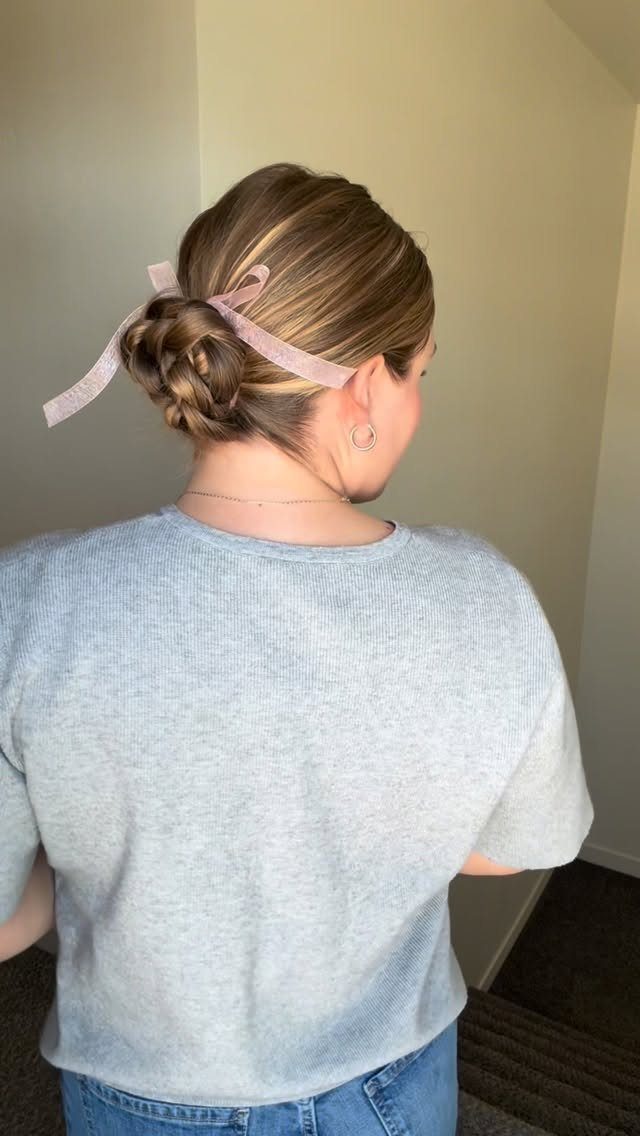
Hair is braided, then twisted into a low bun at the nape and secured with pins.
A ribbon tied around the base adds a finished look. Dry shampoo absorbs oil before braiding, and the bun tucks treated roots out of sight.
According to the creator, you tie the braids into 2 knots, then pin in place and twist.
I braid first, coil the length at the nape, and pin until it holds. The ribbon covers the elastic and the pin ends.
10. Headband with Loose Waves
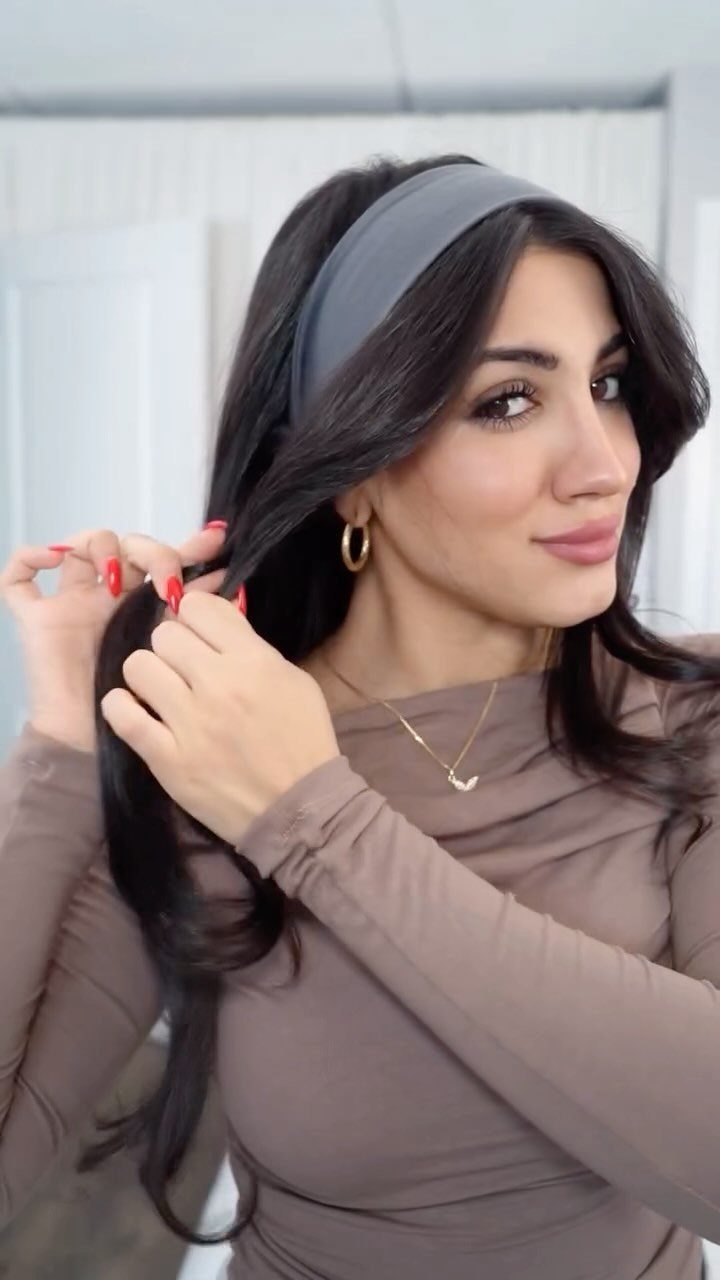
A wide fabric headband pushes hair back from the face, leaving wavy lengths down. Dry shampoo lifts the roots under the headband, and the band itself covers the treated area completely.
Spray dry shampoo along the hairline and at the crown, wait, then slide the headband into place.
The waves can be from the previous day or added with a curling iron. I adjust the band so it sits an inch or two back from the hairline, which keeps the style from looking too tight.
11. High Bun with Claw Clip
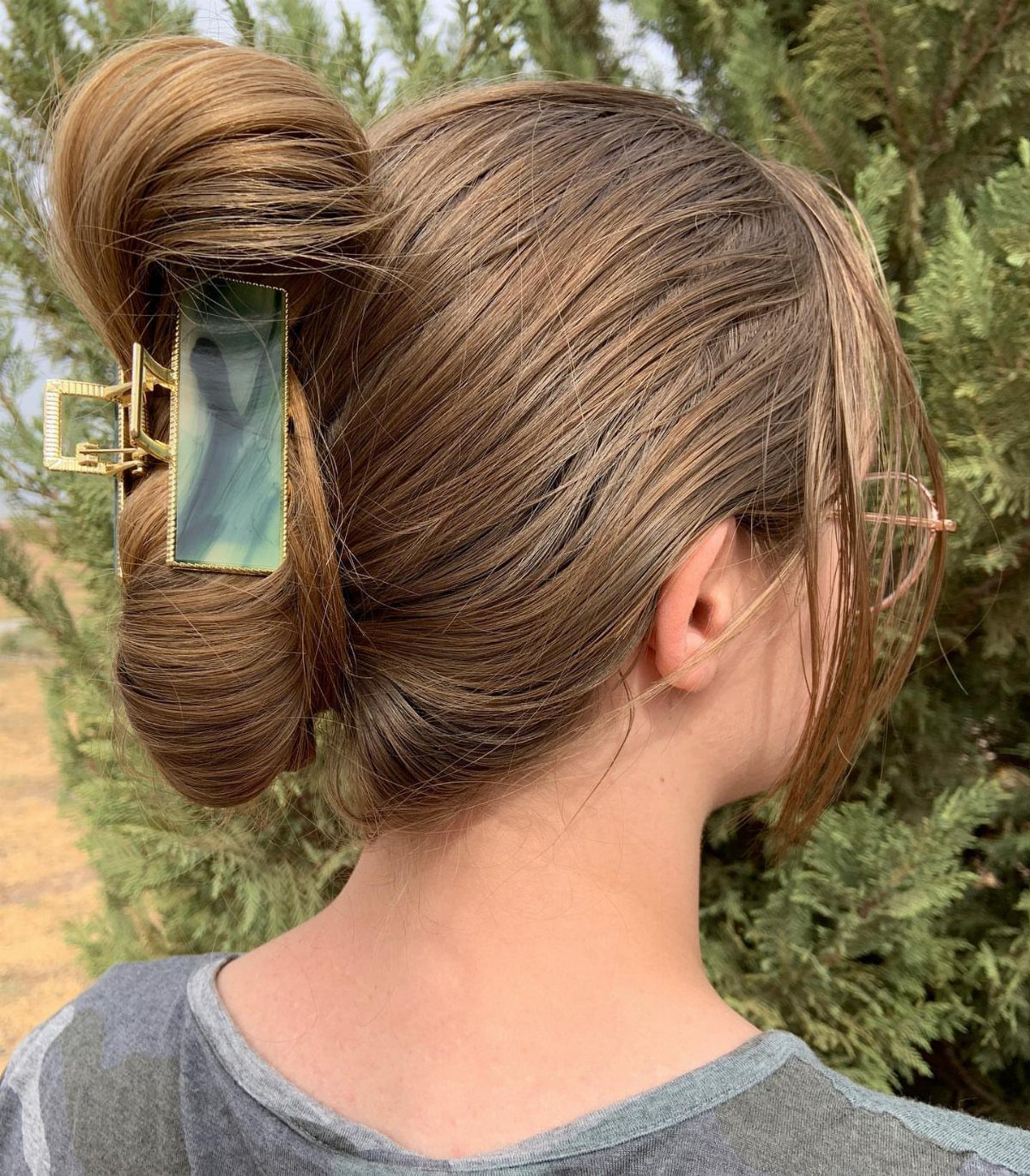
Hair is gathered high and clipped into a bun with a large claw clip in one motion. Dry shampoo gives the bun grip and volume, and the clip does the work of an elastic and pins combined.
I flip my head upside down, work the dry shampoo into the roots with my fingers, and pull the whole length up toward the crown.
Twist the length once and fold it over itself, then clip through the fold. The size of the clip decides how much hair it holds; a smaller one works for thinner hair, a larger one for thick.
Dry Shampoo Application
Hold the can 10–12 inches from your scalp and spray directly at the roots where oil shows: the hairline, crown, nape, and the spots above your ears. A short burst covers each area without saturating it.
Wait 30 seconds, then work the powder into your scalp with your fingertips.
Massaging distributes the product and breaks up any visible white residue. After that, brush through from roots to ends so the dry shampoo reaches the full length and any leftover powder disappears.
If your hair still feels limp, a cool shot from a blow dryer at the roots adds lift as the product sets.
I skip this step most days, but it does help when I need extra volume before gathering hair into a style.
Hold the can of dry shampoo about 6 inches away from the crown of your head.
Dry Shampoo Limits
It soaks up oil and hides dirt until your next wash, but dry shampoo leaves your scalp and strands uncleaned.
After 2 days of use, wash with water and shampoo. Going longer than that can irritate your scalp, clog pores, or leave a buildup that weighs hair down.
I treat dry shampoo as a way to stretch time between washes, not as a replacement for them.
On day 2, it handles oil and adds the grip that makes styling easier. By day 3, I wash.
Hair Type and Styling Grip
Fine or straight hair turns slippery when freshly washed, which makes braids slide apart and lose their shape.
On curly hair, oil buildup flattens the curl pattern and clumps sections together. A light application at the roots lifts the crown and separates curls without the frizz that comes from brushing.
After spraying, I work the product in with my fingers and leave the curls alone. Combing or brushing after application disrupts the curl and adds frizz.
Frequently Asked Questions
How to style hair with dry shampoo?
Spray it at the roots before you start; it soaks up oil and gives hair enough texture that braids and ponytails stay put.
Freshly washed hair is too slippery for most styles to stay in place, so the texture dry shampoo adds works the same way second-day hair does.
Spray where you need volume or oil control, wait 30 seconds, massage it in, then gather or shape your hair into the style.
Do you put dry shampoo in before or after styling hair?
Spray it at the roots before you pull hair into a bun, braid, or ponytail. The product gives hair grip and texture, which keeps styles from slipping and adds volume where you need it.
On curly hair, apply it after styling only if you need to refresh roots without disturbing the curl pattern that’s already set.
What is dry shampoo?
It’s a waterless product that absorbs oil and sebum at the roots using starch or a similar ingredient.
The powder soaks up grease and removes the shine and heaviness that appear between washes. You spray it directly at the scalp, wait, then massage it in with your fingers so any visible residue disappears.





