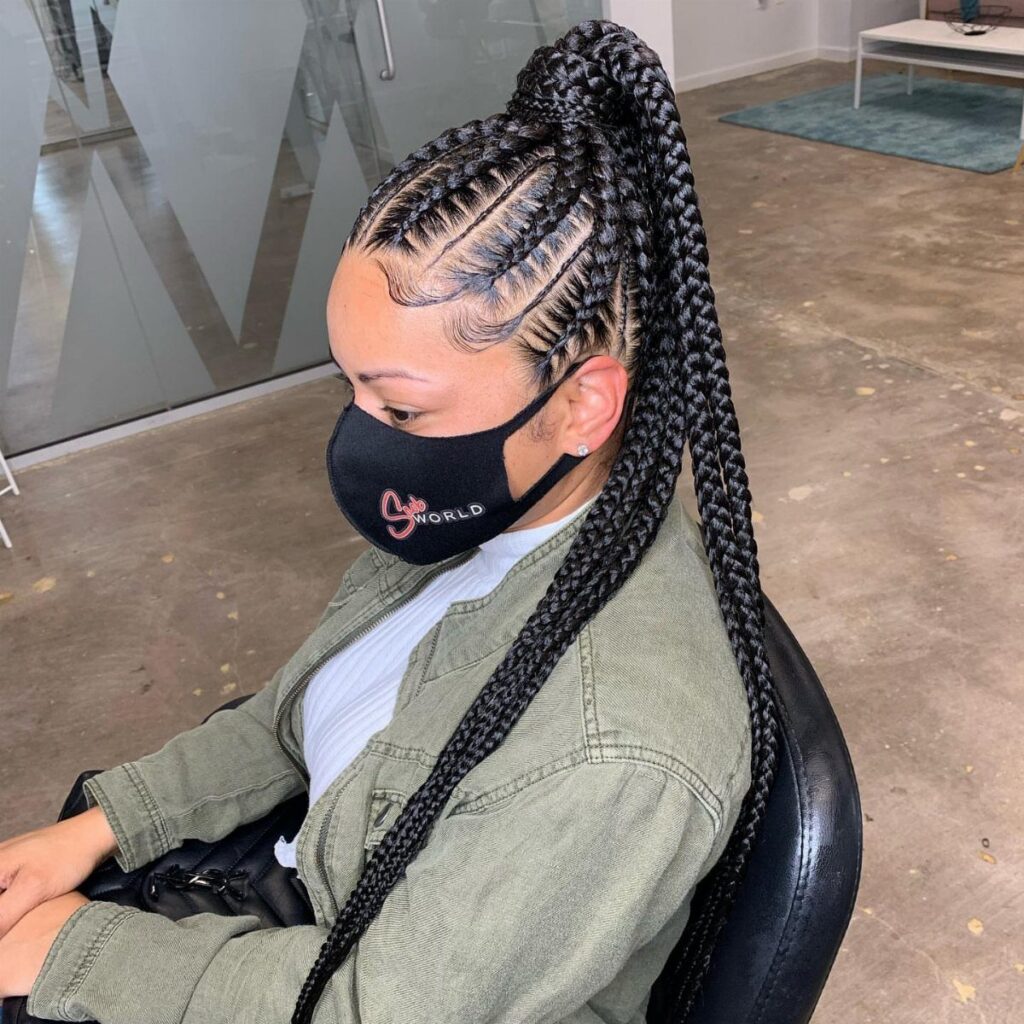
Scalp braids hold anywhere from 2 to 8 weeks depending on size and technique. Box braids and knotless braids last the longest because regrowth blends in, while cornrows and goddess braids hold 2 to 4 weeks before they need refreshing.
1. Braided Ponytail
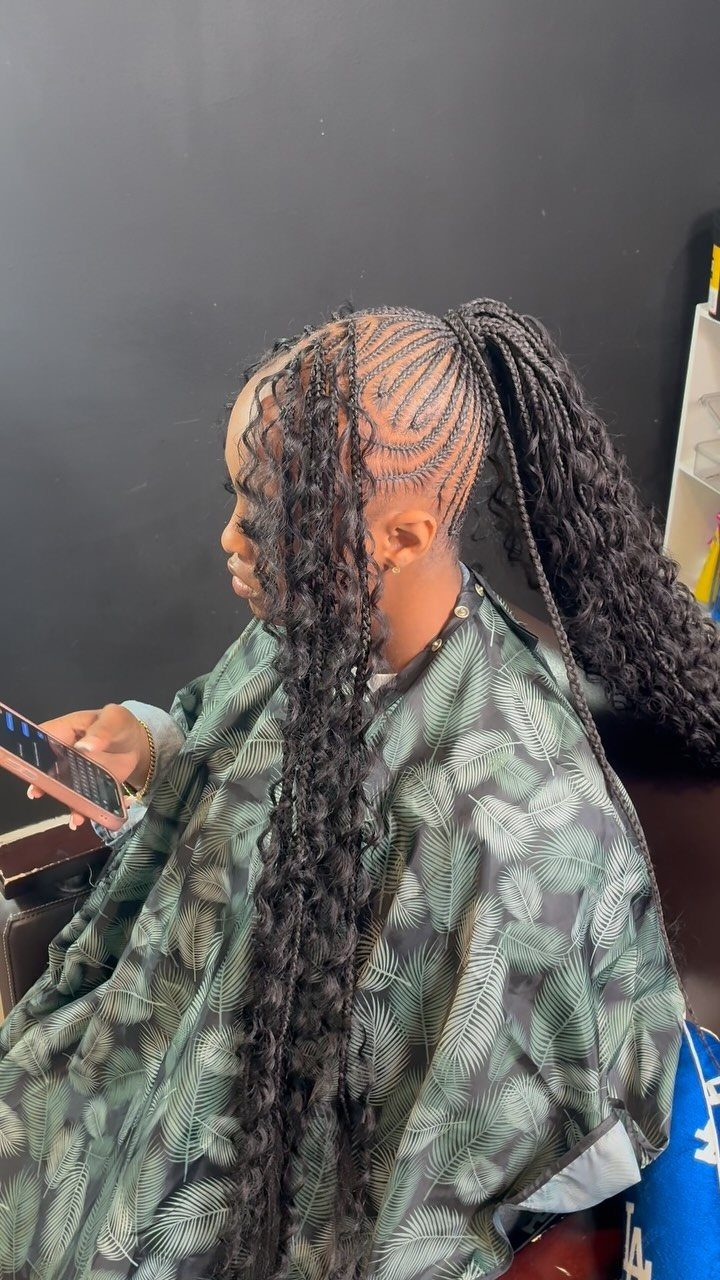
Scalp braids are gathered into a ponytail at any height the client wants. The ponytail can hang loose, sit high on the crown, or rest at the nape, and the braid pattern leading into it can be simple or intricate.
This style keeps hair off the neck and works for workdays or events. Adding curly or wavy hair to the ponytail gives volume and texture at the ends.
Sleep with a satin scarf to protect the braids and keep the scalp moisturized.
2. Extra-Long Braided Ponytail
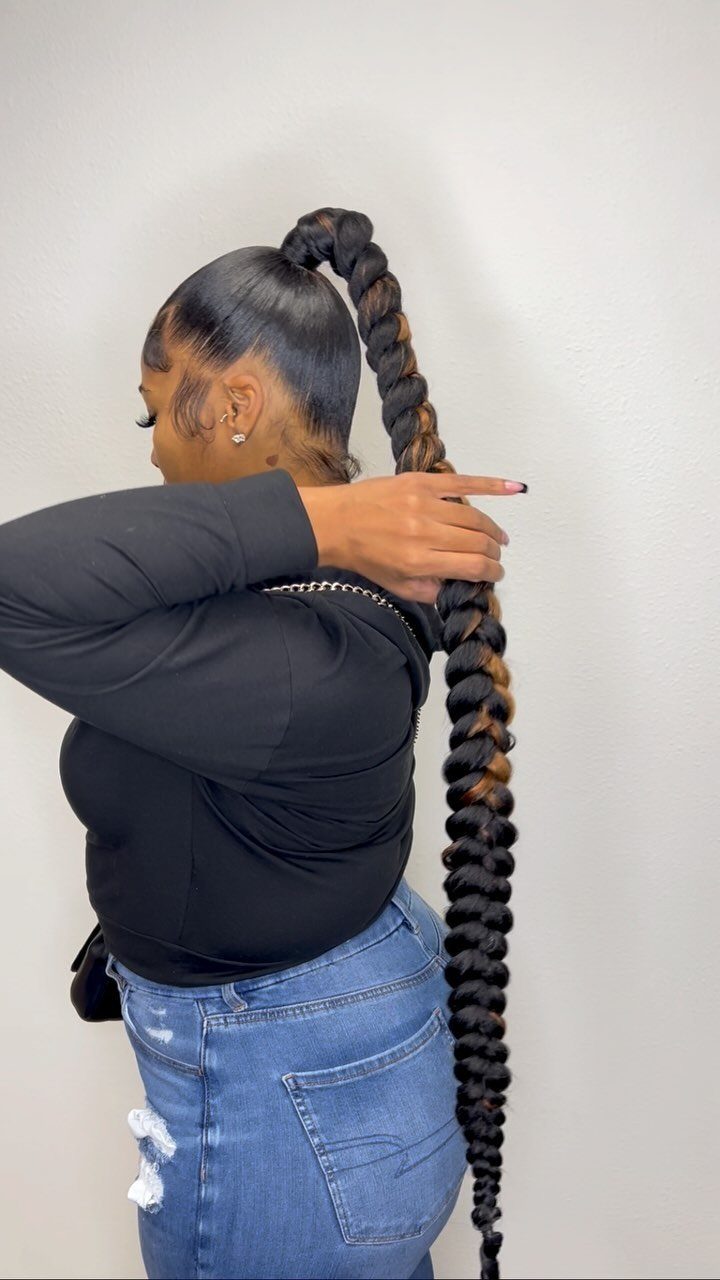
A single thick braid worn as a ponytail, often extended with synthetic or human hair to reach waist length or longer. The braid sits high and the length makes the style dramatic.
This works for anyone who wants a statement look without managing multiple braids.
Installation is faster than box braids or cornrows. The weight of the extension hair can pull on the scalp, so shorter lengths or lighter hair reduce tension on the roots.
Wrap the ponytail at night to prevent frizz.
3. Goddess Braided Ponytails
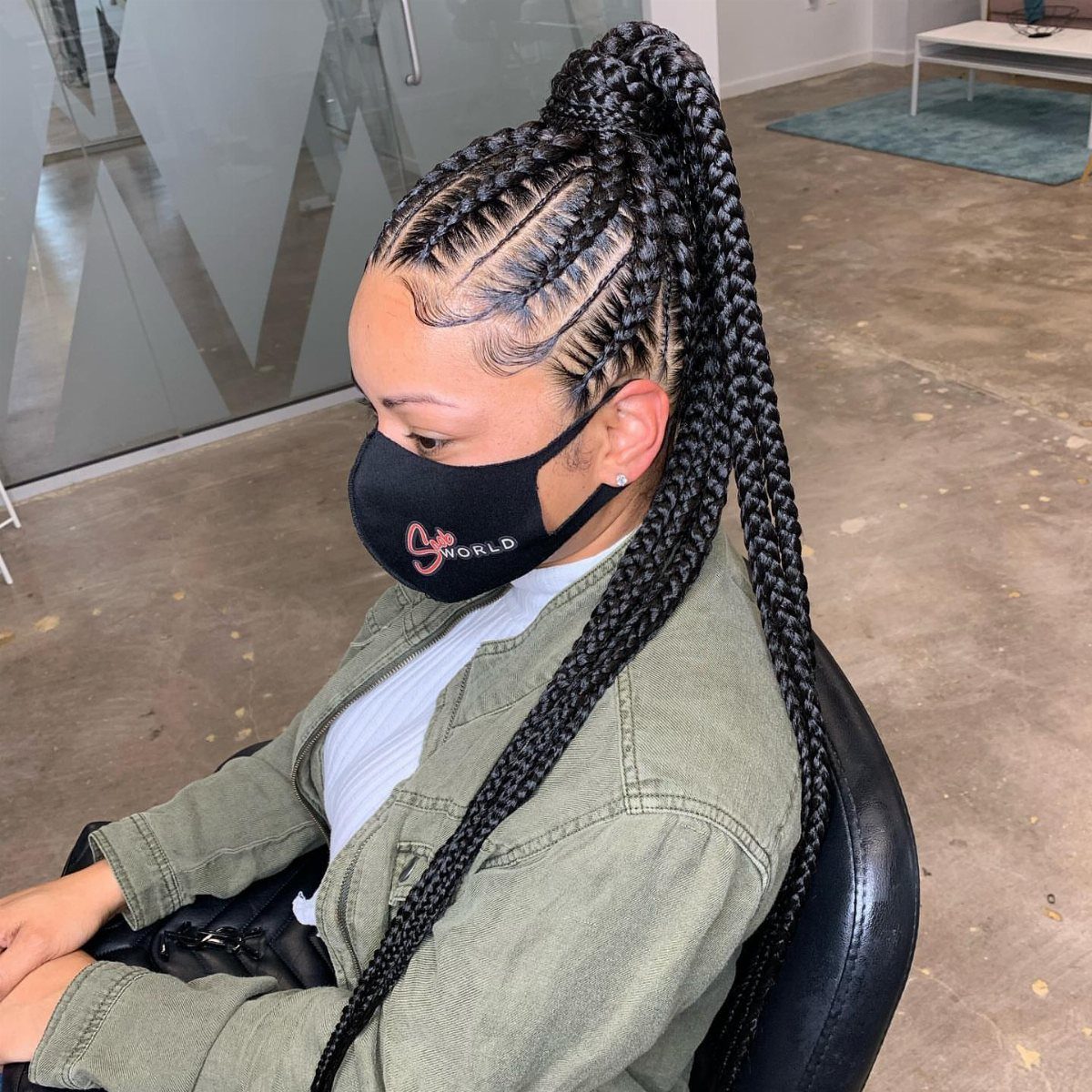
Goddess braids are thick, raised plaits that sit close to the scalp and are gathered into one or two ponytails. The braids are larger than cornrows, so installation is faster.
This style suits anyone who wants the definition of braided scalp work without the time commitment of smaller braids. The ponytail can hang straight or be curled, and adding curly extension hair at the ends softens the look.
Edges and the hairline take tension, so ask the braider to keep the tension moderate at the roots.
4. Knotless Braids
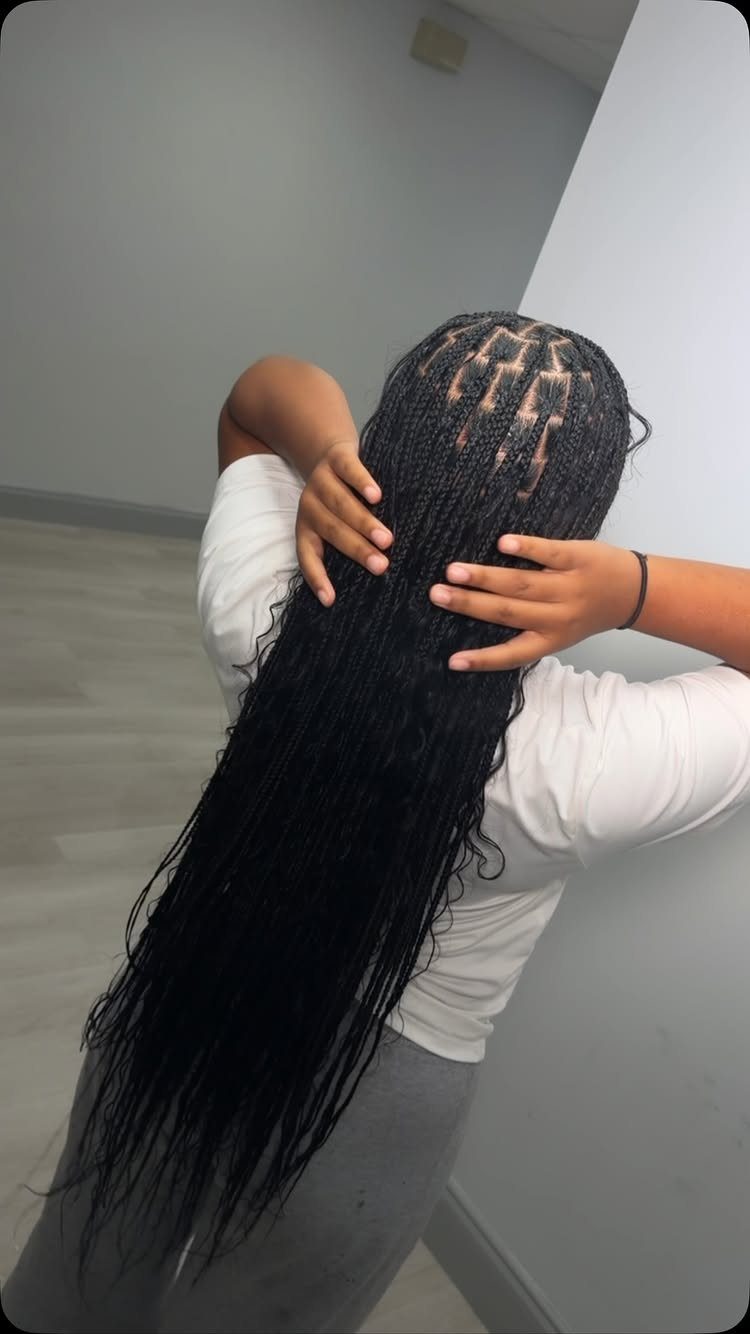
Extension hair is fed in gradually as the braid progresses, rather than starting with a knot at the root. The result is a smoother, flatter base that puts less tension on the scalp.
Installation takes longer than traditional box braids because each braid requires steady feeding.
The benefit is comfort: no bulky knots pulling at the hairline or crown. The style works for anyone with fragile edges or scalp sensitivity.
Moisturize the scalp regularly and sleep with a bonnet to prevent frizz.
5. Boho Braids
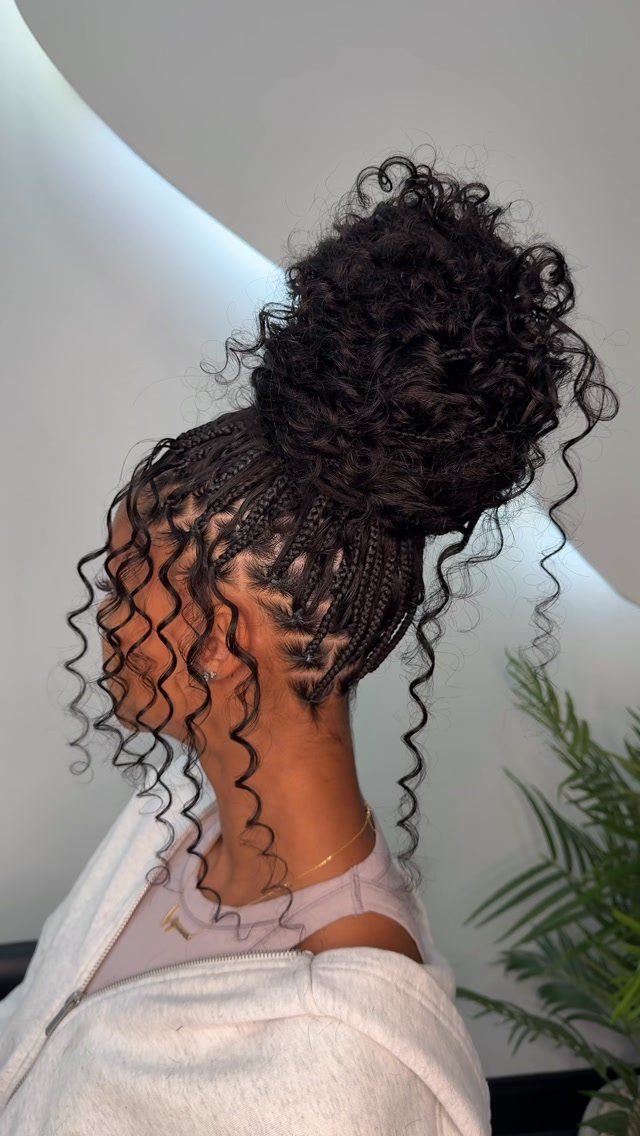
Scalp braids are installed partway down, then loose curly or wavy hair is left out or added for a softer, undone finish. The curls contrast with the sleekness of the braids.
This style works for anyone who wants a protective style but prefers a less structured look. The curls require more upkeep than fully braided styles; refresh them with water and leave-in conditioner every few days.
The loose hair tangles more easily than sealed braids.
6. Crown Braids
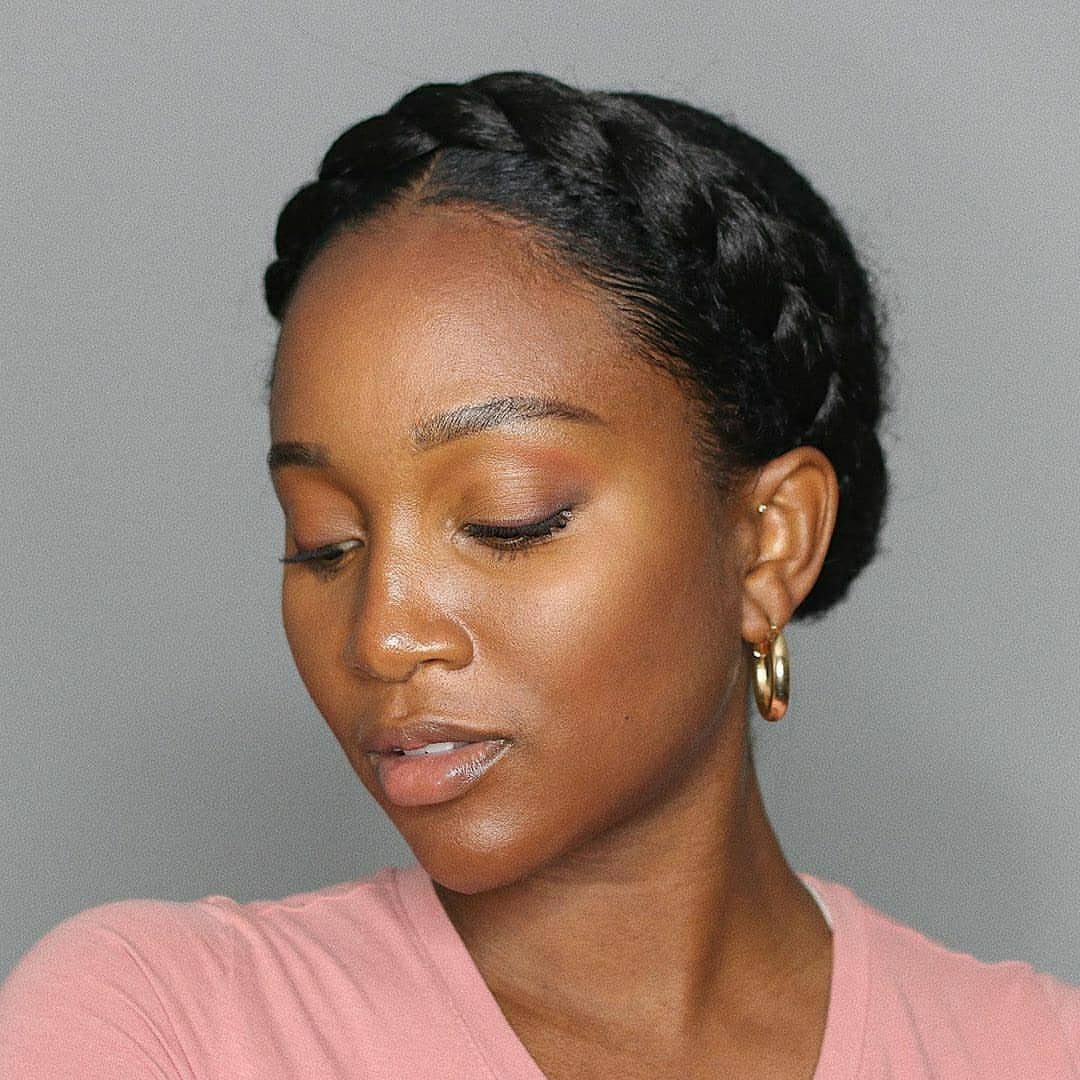
A single braid or multiple braids are wrapped around the head like a headband, sitting flat against the scalp or raised for dimension. The braid can circle once or loop multiple times depending on hair length and thickness.
The style works on natural hair without extensions for a quick, low-tension option.
Adding synthetic hair makes the braid thicker and more visible. The style suits formal events or daily wear, and it keeps hair completely off the face and neck.
Secure the ends with bobby pins or tuck them under the braid.
7. Boho Goddess Braid
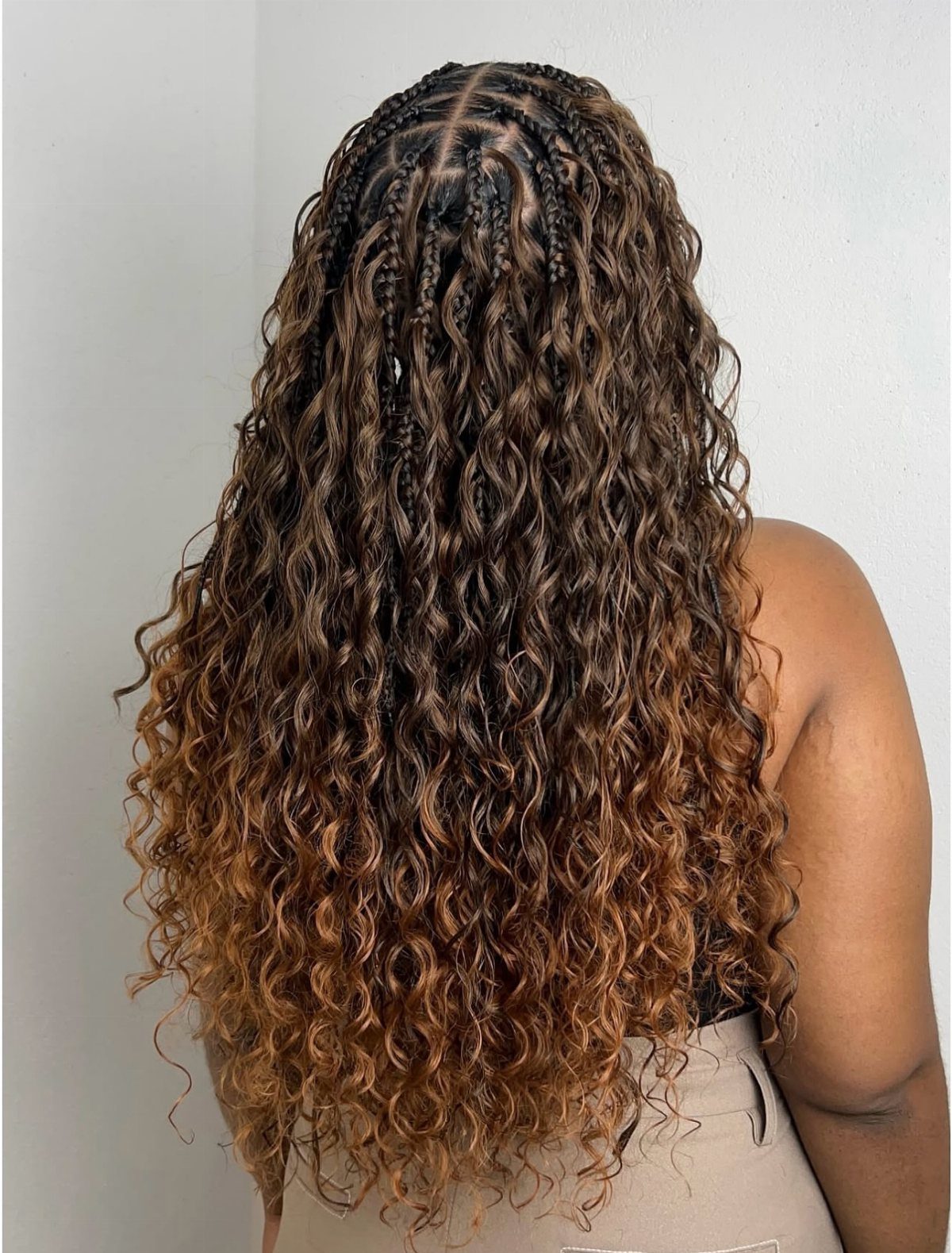
Thick cornrow braids start at the scalp and transition partway down into loose, curly hair. The curls soften the structure and give movement at the ends.
This works for anyone who wants the defined scalp work of goddess braids with a looser, less polished finish.
The curly sections require the same upkeep as boho braids: mist with water and leave-in conditioner every few days to keep them from drying out.
The style suits casual settings better than formal ones.
8. Swedish Crown Braid
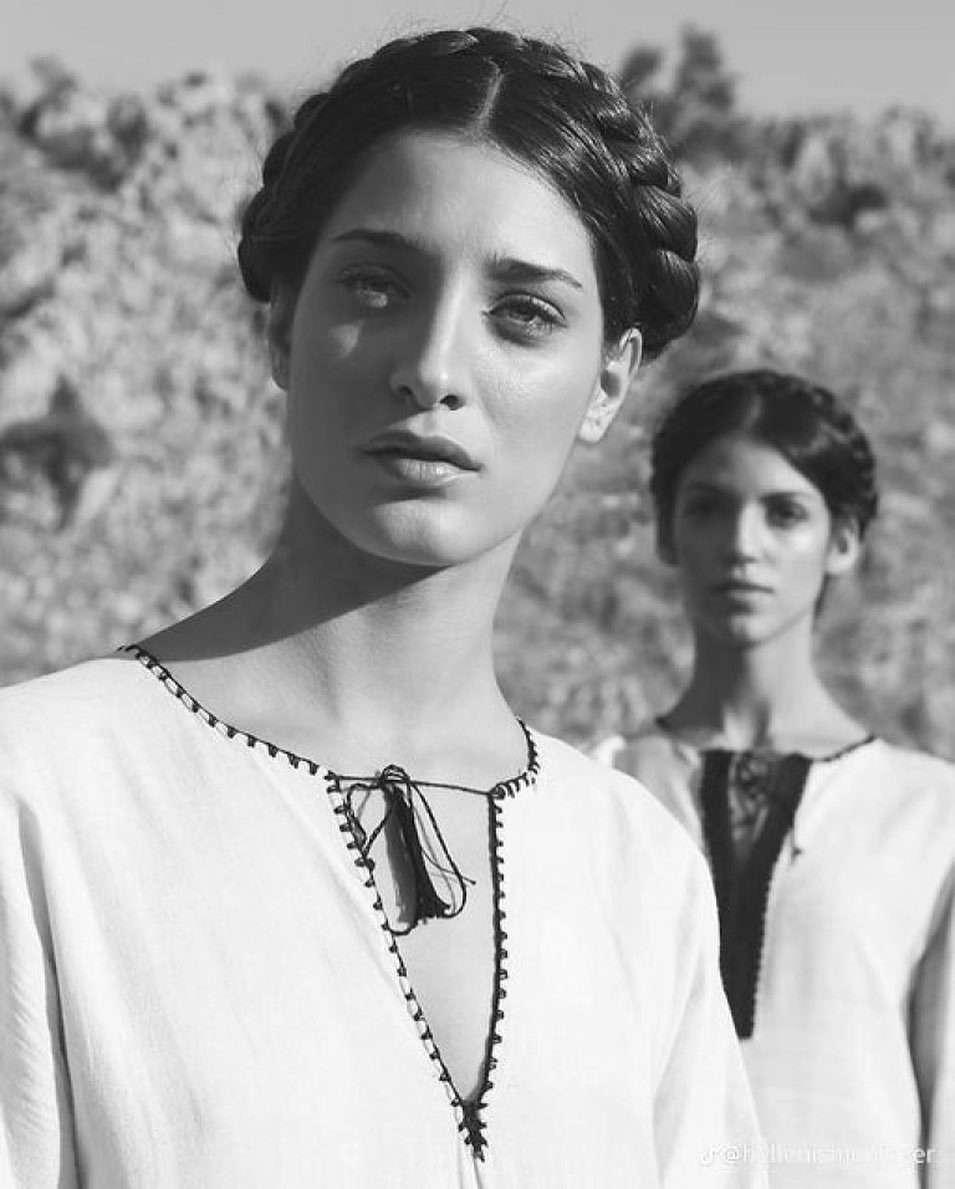
One wide braid wraps around the hairline and sits close to the scalp. The braid wraps completely around, and the ends are tucked under or pinned.
The Swedish crown braid keeps hair off the face and neck, and it holds for a full day without constant adjusting.
Refresh the braid by misting with water and smoothing flyaways.
9. Cornrows
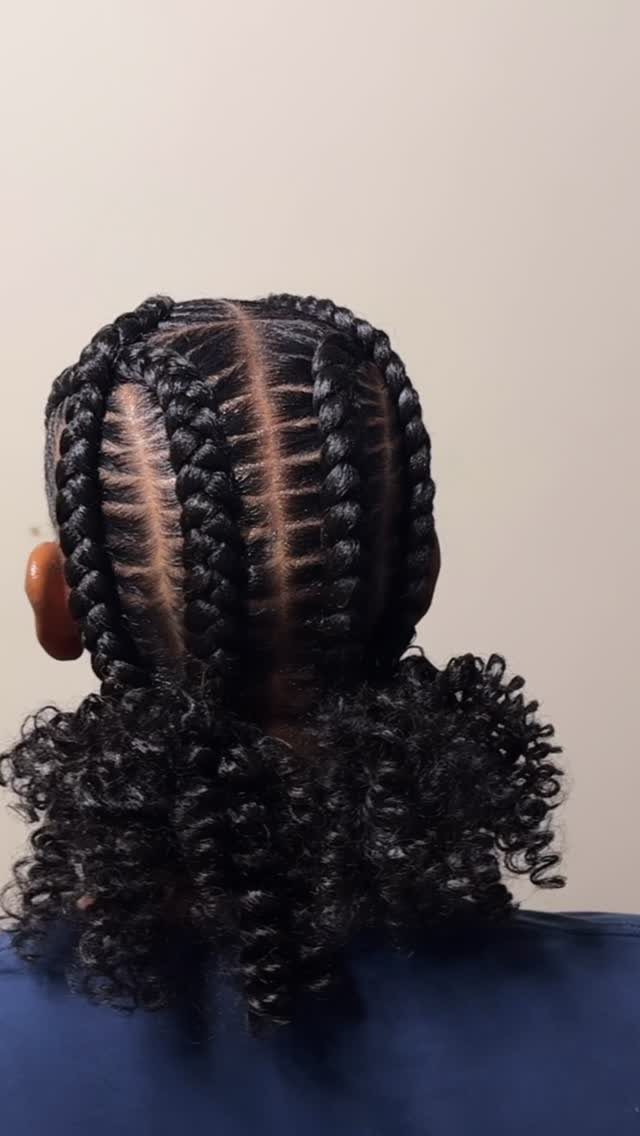
The braid lies flat and follows the scalp in rows that run straight, diagonal or curved. The braids follow the natural direction of hair growth and can be styled in simple parallel lines or intricate patterns.
Installation time depends on the number of rows and the size of each braid.
Thinner parts mean more time at installation and a style that holds a week or two longer. The tension is low, the ends stay tucked and it works on fine, coarse or textured hair.
Oil the scalp every few days and wear a satin scarf at night to reduce frizz.
10. Goddess Braids
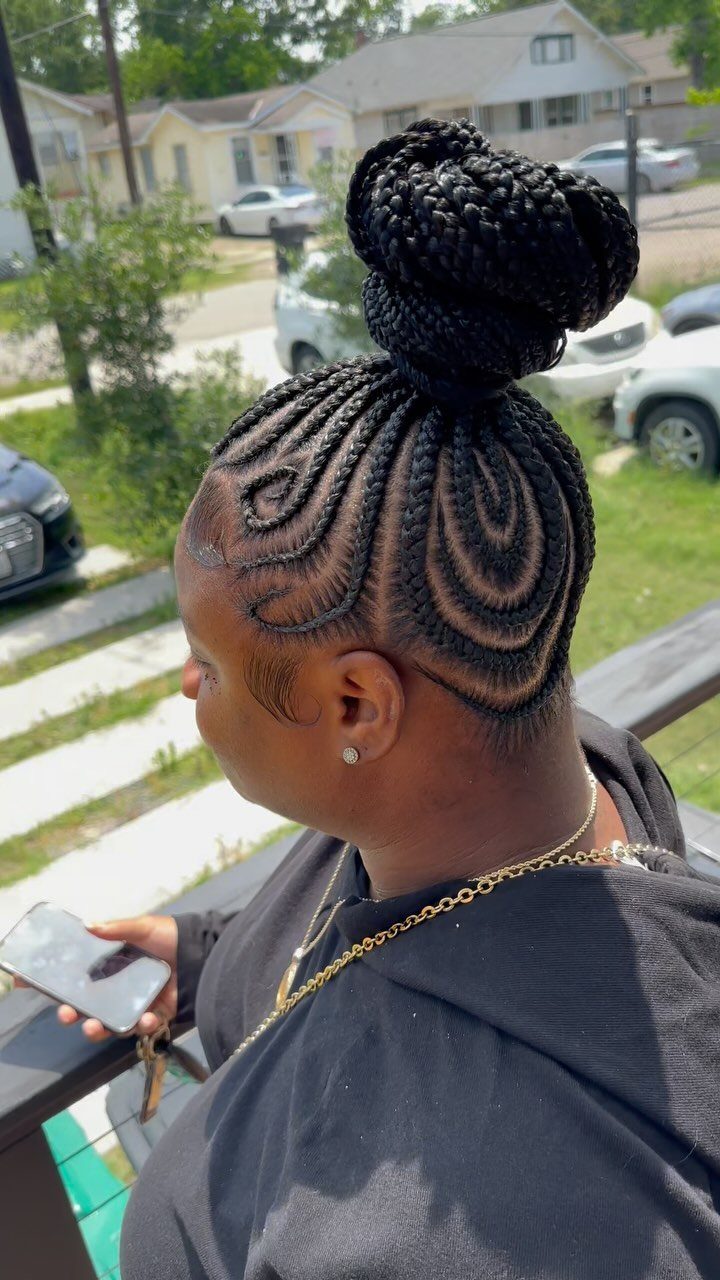
Large cornrows are braided in curved lines that wrap around the head. Wider braids finish faster, and the raised loops add shape instead of sitting completely flat.
This style works for anyone who wants defined scalp braids without spending hours in the chair. The braids can be worn down or gathered into a bun or ponytail.
Keep tension moderate at the hairline to protect edges.
11. Goddess Box Braids
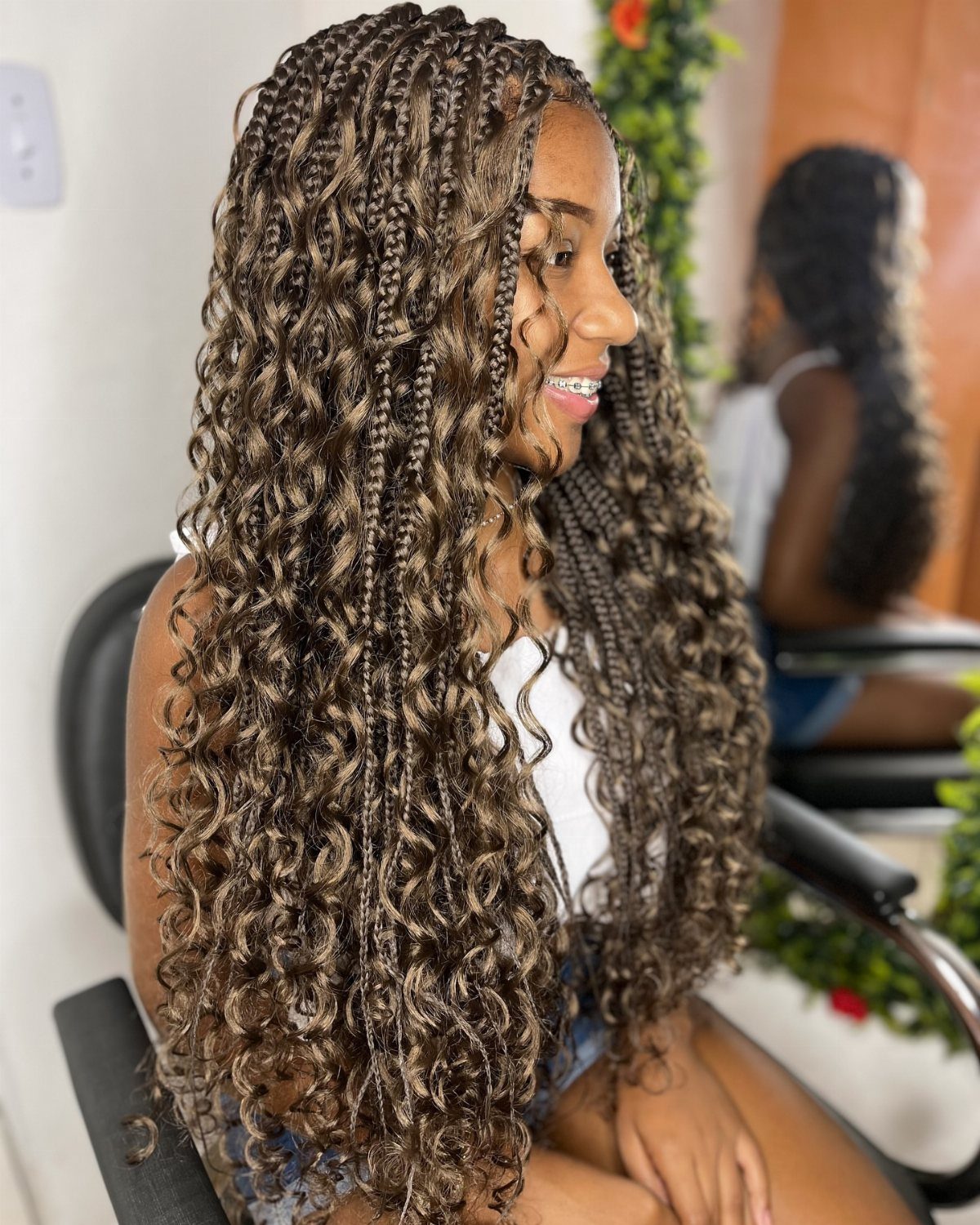
Box braids are installed with extension hair, but instead of sealing the ends, curly hair is left loose at the bottom. The contrast between the sleek braids and the curls gives texture and movement.
Box braids that protect the hair but read softer because of the wavy ends added in. The curly ends need more care than sealed braids: refresh them with water and conditioner to prevent tangling.
Installation time matches standard box braids.
12. Goddess Braided Bun
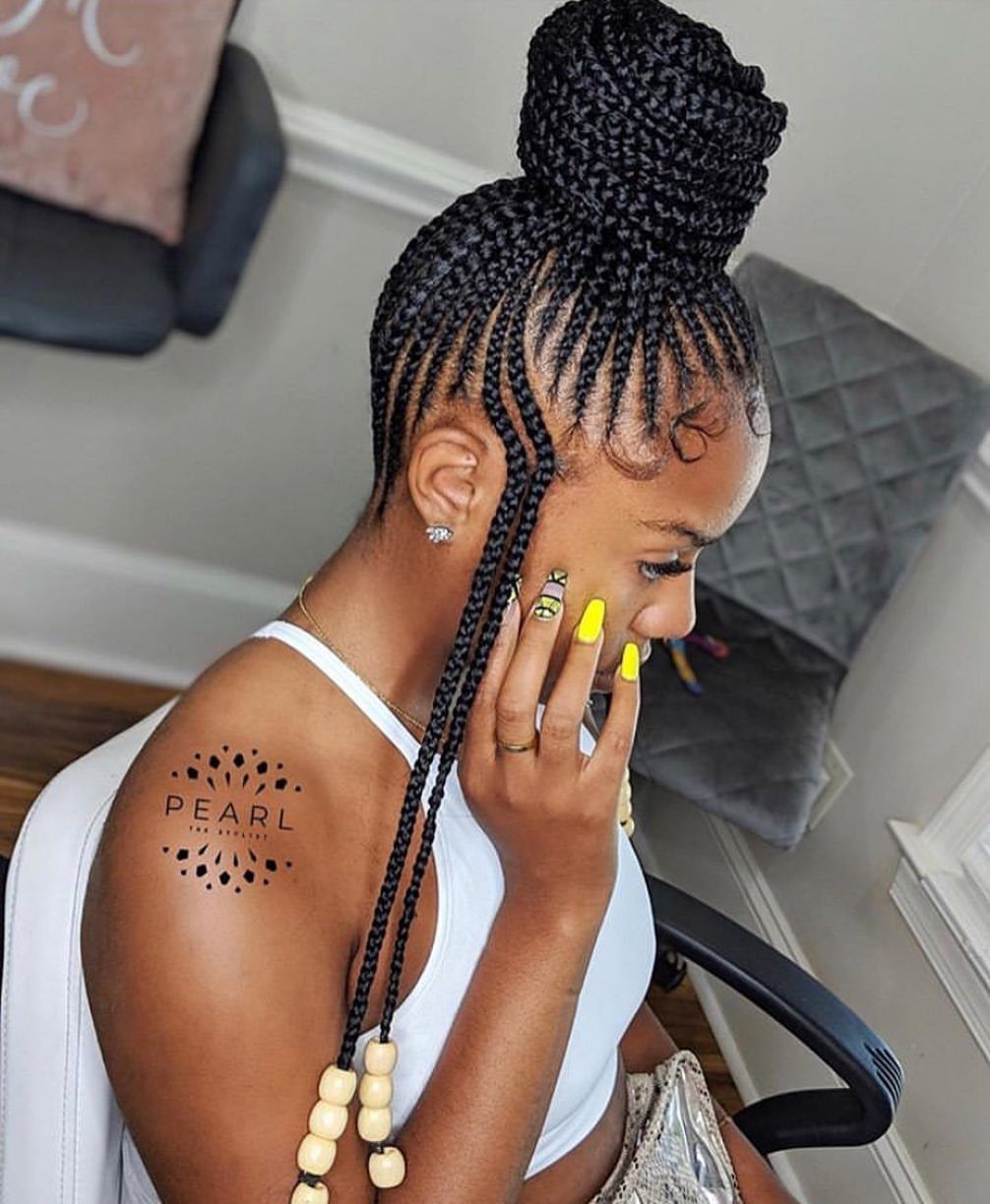
Scalp braids are gathered and twisted into a high bun. The bun sits at the crown and can be pinned tightly or left slightly loose for volume.
Everything pulls up and off the shoulders, so it works for heat, long days and formal settings. The bun can be shaped round or left textured depending on how the braids are wrapped.
Secure with bobby pins and wrap with a scarf at night to hold the shape.
13. Side French Braid Bun
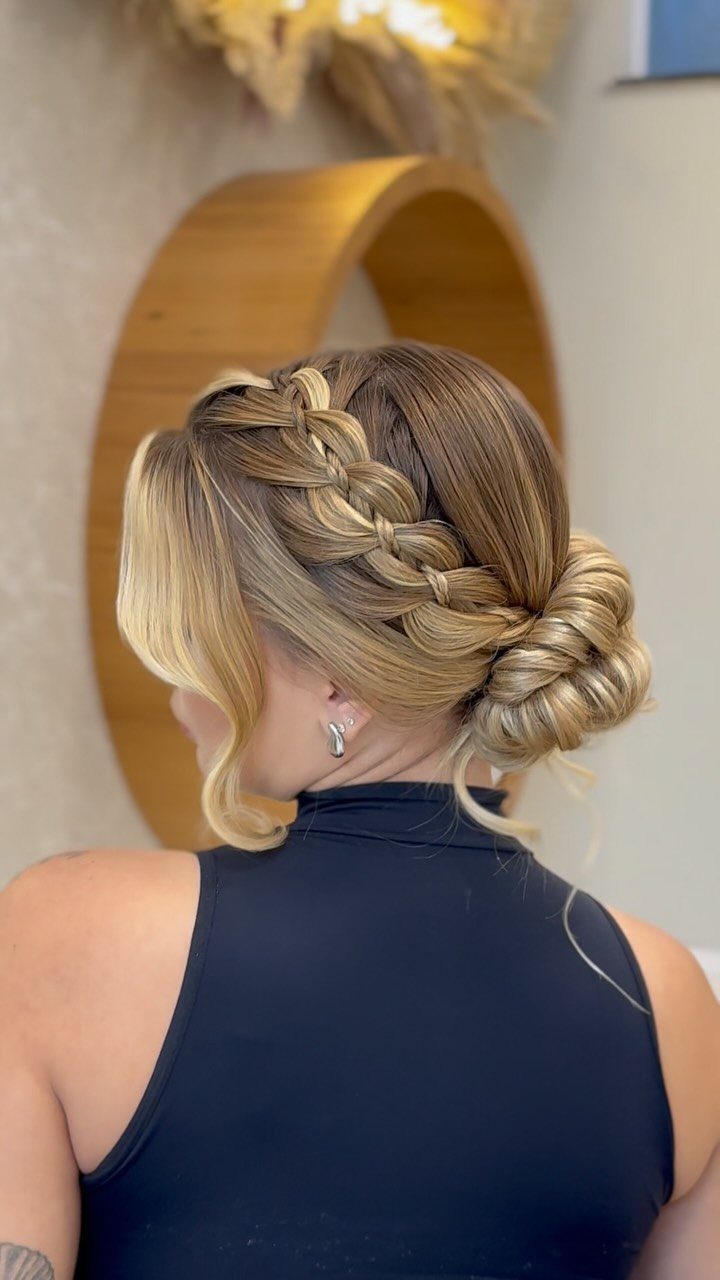
A French braid starts at one side of the head and finishes in a low bun at the nape. The braid gathers hair as it moves down, keeping everything secure and off the neck.
This works for anyone who wants one polished style that holds all day. The braid adds interest without requiring tight scalp tension, and the bun sits low enough to avoid pulling at the crown.
Pin the bun firmly and smooth any loose pieces with gel or edge control.
14. Box Braids
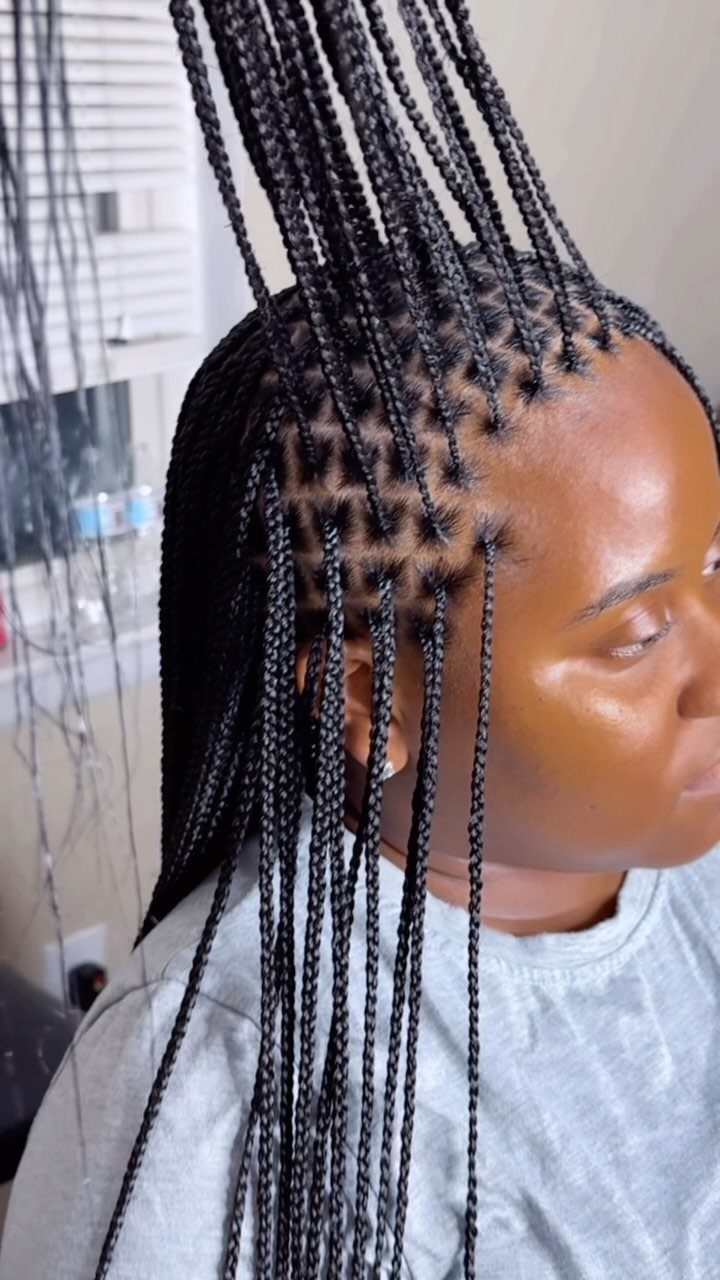
Hair is sectioned into squares and each section is braided individually. The square parts are visible on the scalp, and the braids hang loose from root to end.
This style works on any hair texture and protects natural hair for weeks.
Installation takes several hours depending on braid size; smaller braids last longer but take more time. Extension hair can be added for length or thickness.
A silk or satin bonnet at night keeps the roots smooth, and a light oil or spray on the scalp prevents dryness between washes.
15. Lemonade Braids
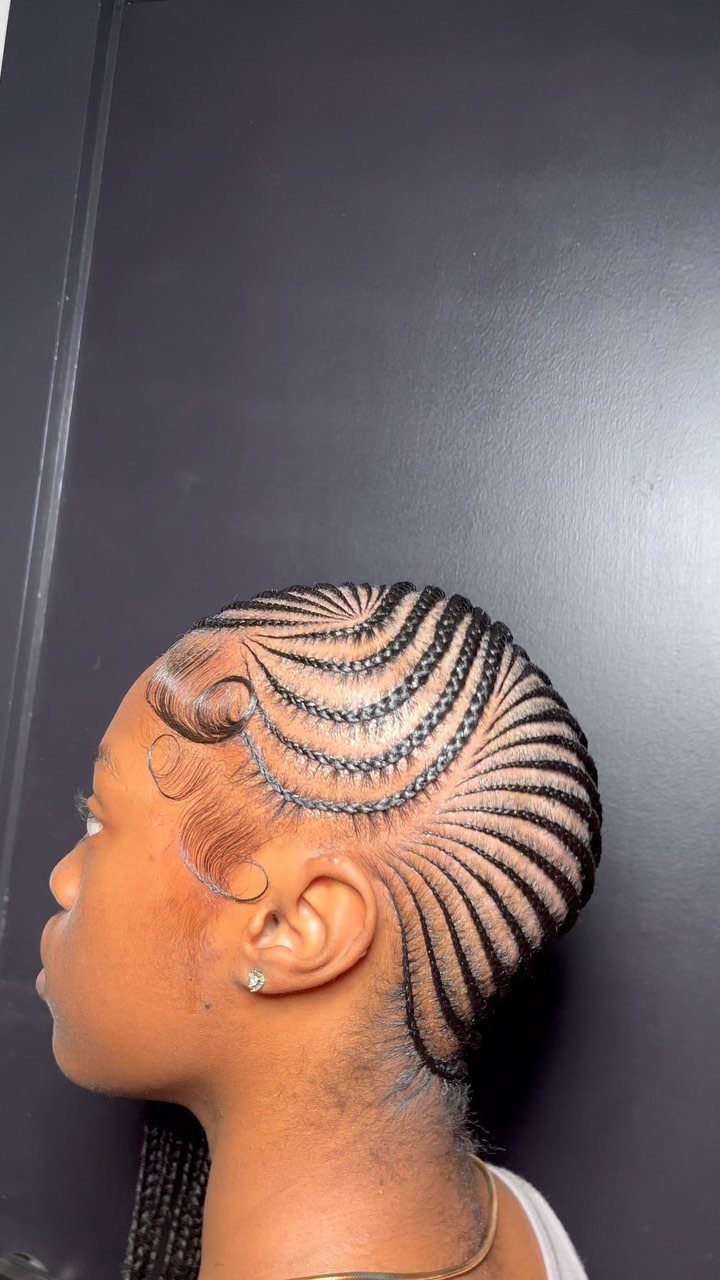
Cornrows are braided diagonally from one side of the head to the other, all running in the same direction. The braids follow a curved path and sit flat against the scalp.
This style keeps hair off the face and suits anyone who wants a sleek, asymmetrical look.
The side-swept direction works well for showing off earrings or an undercut. Installation goes faster than box braids because the cornrows stay close to the head and don’t require as much sectioning.
16. Dutch Braids
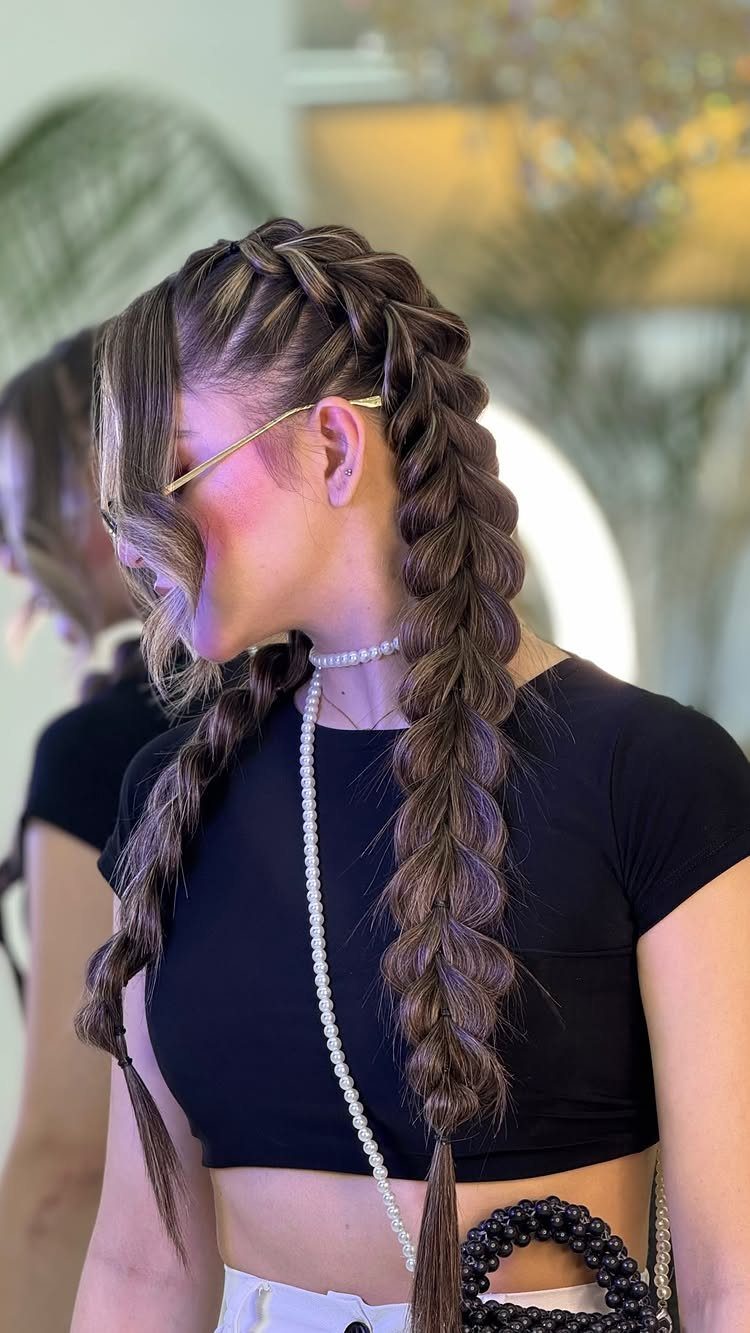
Each strand crosses under the middle section instead of over, which makes the braid sit raised above the scalp. The braid appears thicker and more textured than a French braid.
This works on medium to long hair and suits anyone who wants a defined braid that stands out.
2 Dutch braids offer symmetry and a bold, raised look. The raised structure holds better on thick hair than fine hair.
Secure the ends with elastics and mist with hairspray to prevent flyaways.
17. Fishtail Braids
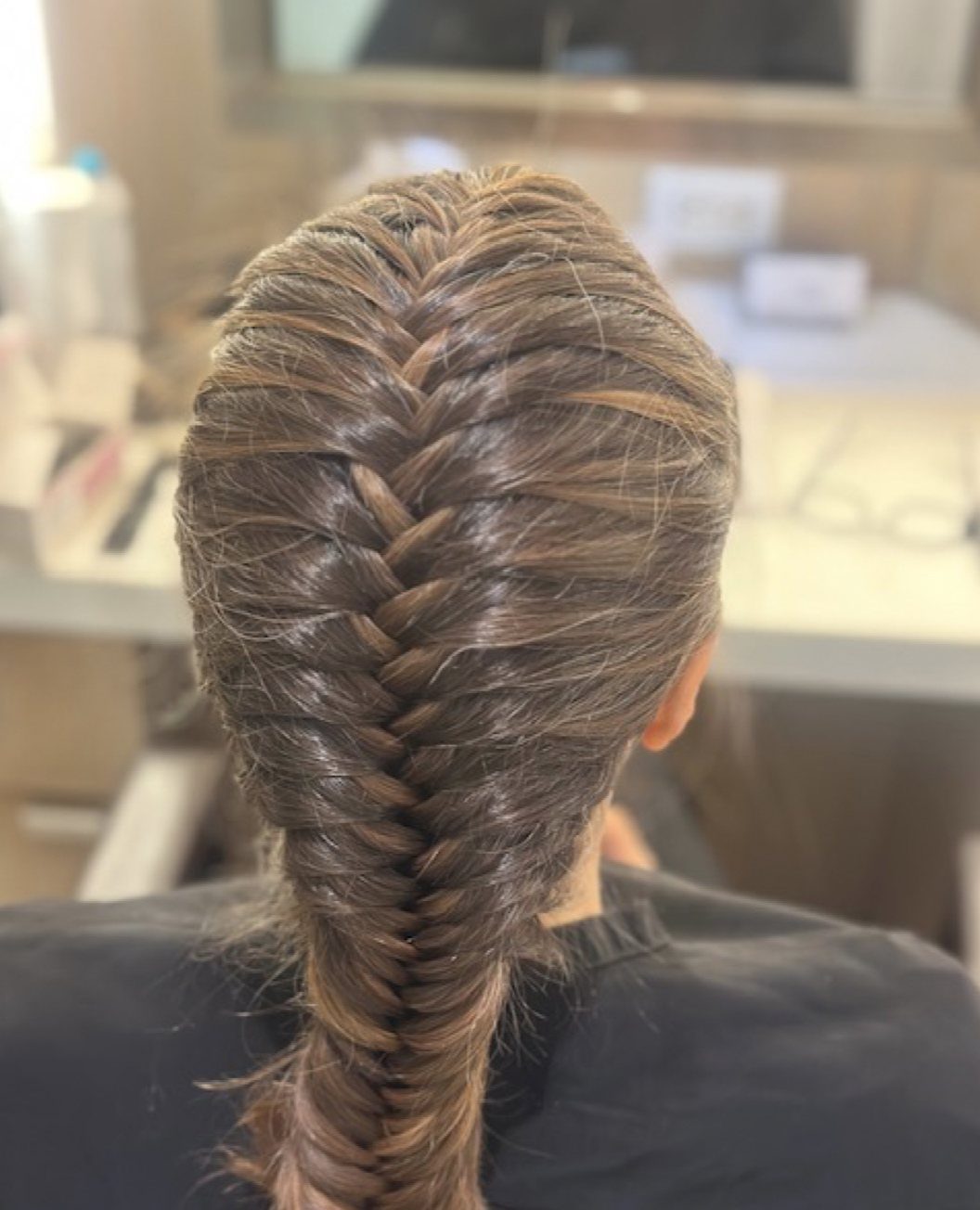
Two sections of hair are held, and small strands are pulled from the outside edge of one section and crossed into the other. The repeated crossing creates a narrow, textured pattern.
The technique takes longer than a standard three-strand braid but produces a distinct woven look. The braid holds on straight or wavy hair and works at any length past the shoulders.
Pull gently on the outer edges of the braid to widen it and soften the look.
18. Braided Bun
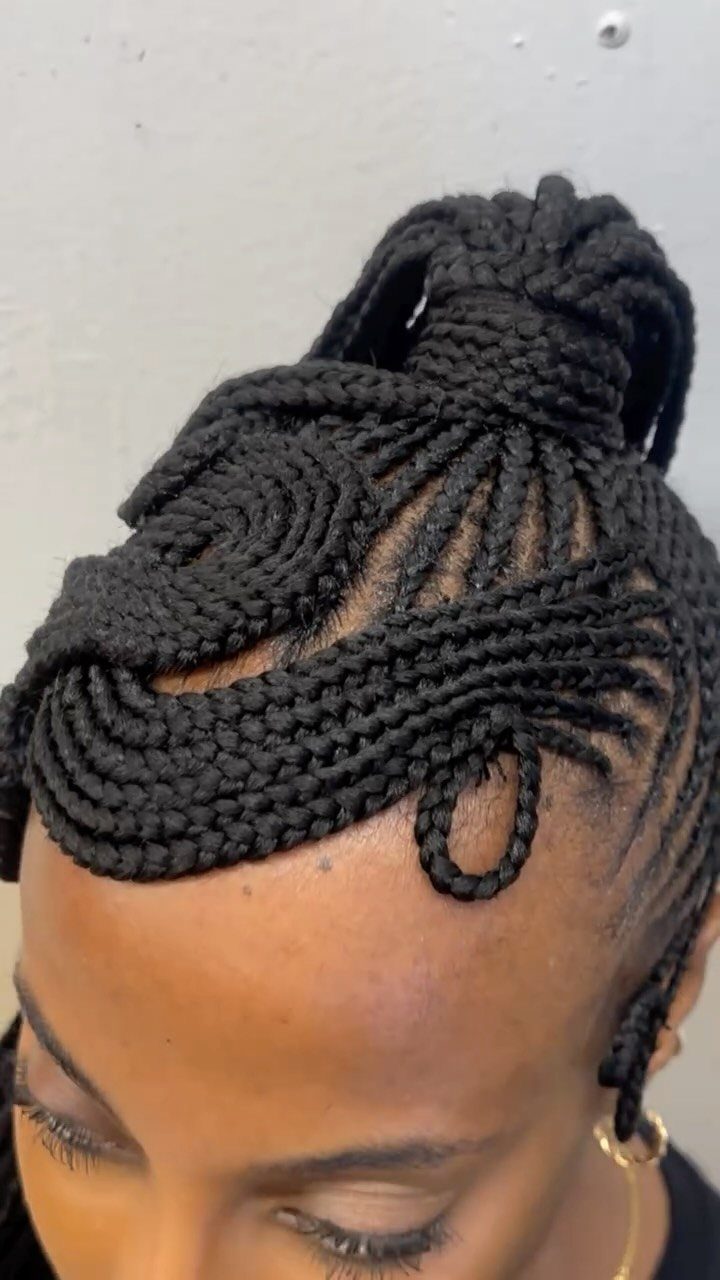
Cornrows or other scalp braids converge at one point and are coiled or pinned into a bun. The bun can sit at the crown, nape or side depending on where the braids lead.
The braids add structure and the bun stays secure without constant adjusting. Pin the bun tightly if it will see movement, or leave it slightly loose for a softer shape.
19. Braided Bob
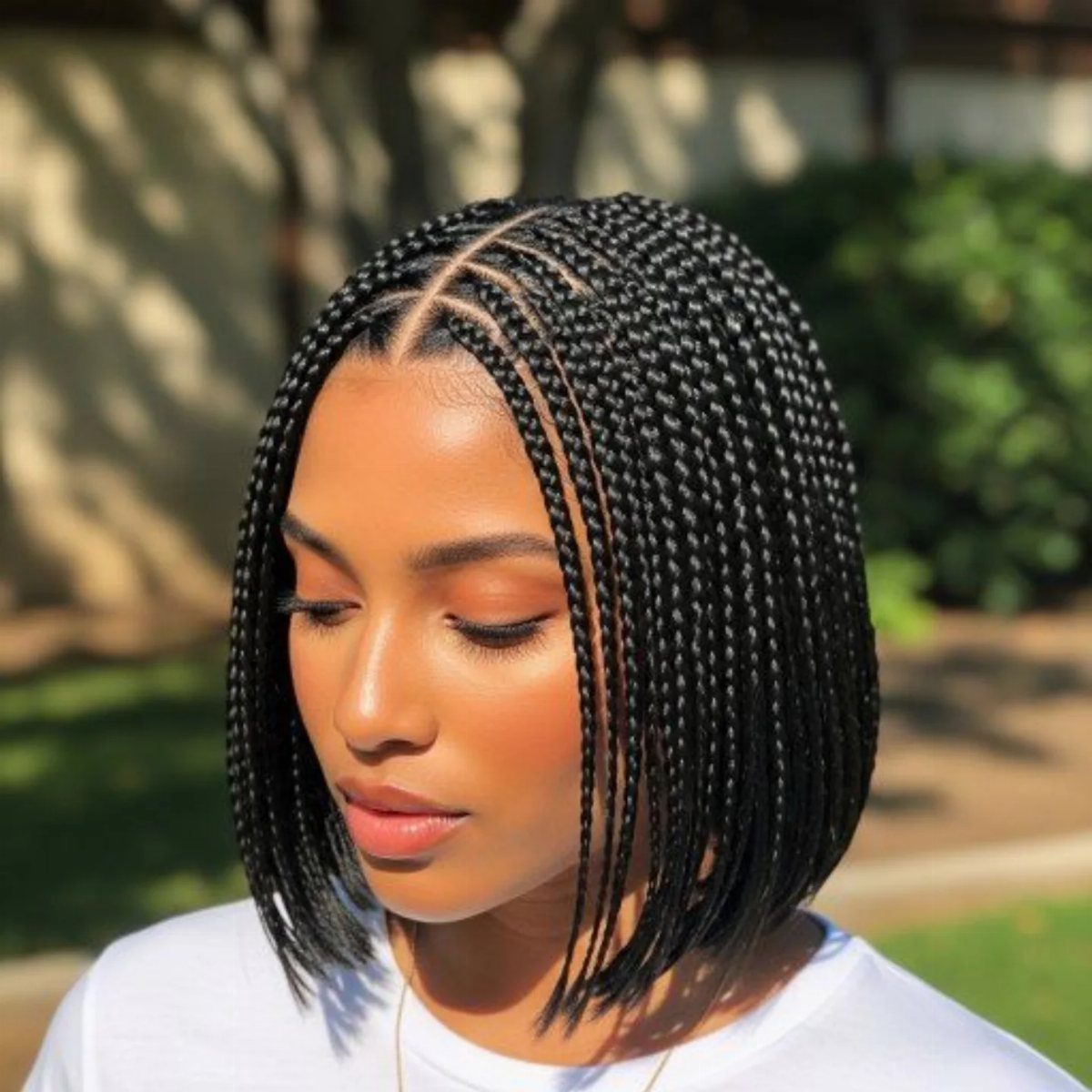
Box braids are cut or installed to chin length instead of hanging long. The shorter length keeps the style light and reduces tension on the scalp.
Installation takes less time than waist-length braids because less extension hair is needed. The bob works for anyone who wants a protective style that reads polished without the weight or upkeep of longer braids.
Smooth edges with gel before bed and sleep in a bonnet.
20. Fulani Braids
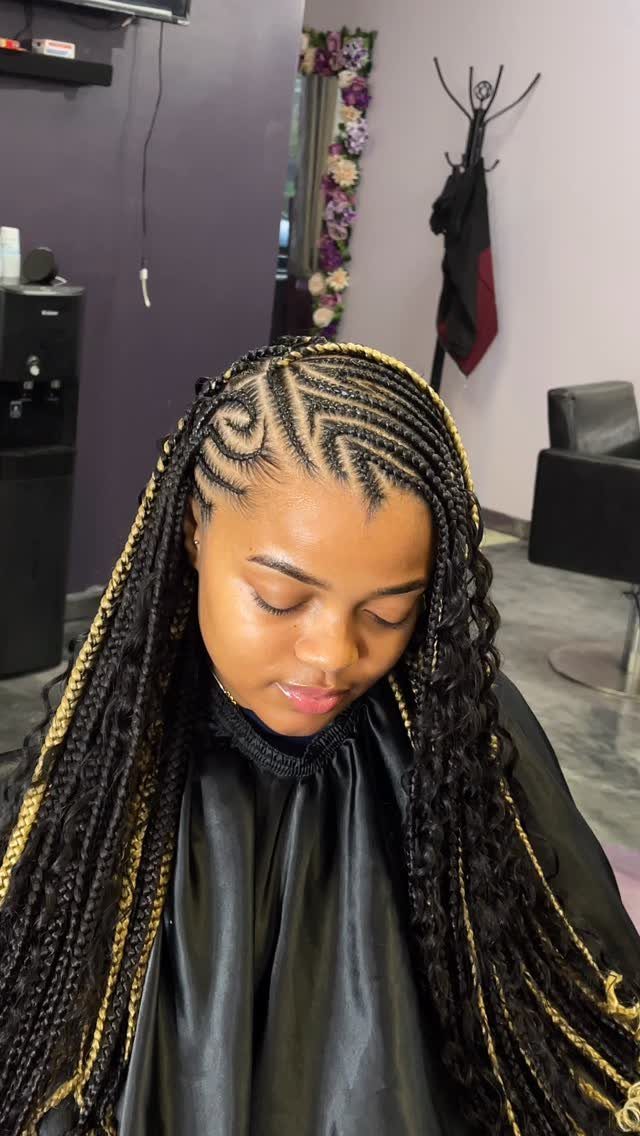
Thin cornrows at the front and sides meet individual braids that hang loose at the back. The cornrows often follow curved or straight lines toward the face, and the loose braids can be worn down or gathered.
This style suits anyone who wants scalp work at the hairline with length and movement at the back. Installation takes longer than simple cornrows because both techniques are used in one style.
Beads or cuffs are often added to the loose braids for decoration.
21. Rope Braids
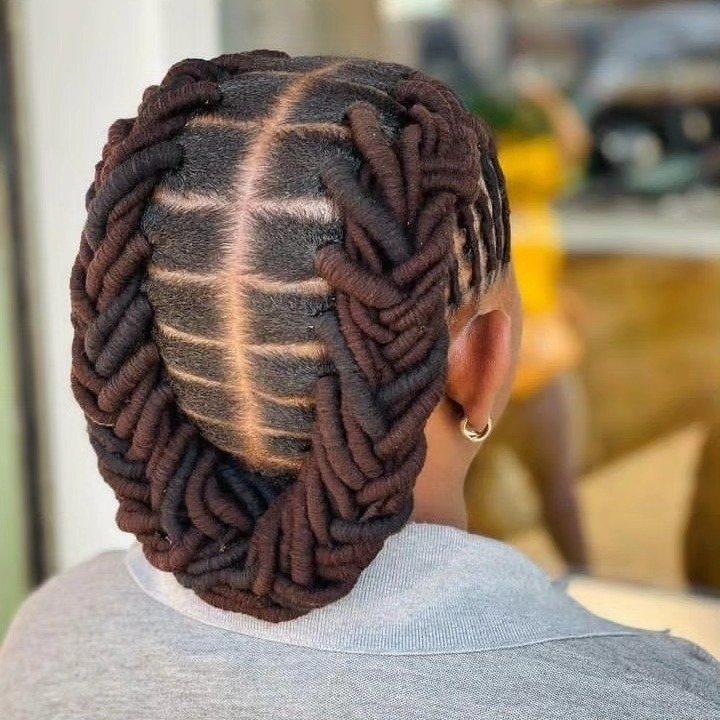
Each section twists one direction on its own, then the two wind around each other the opposite way. The twist holds without plaiting and creates a spiral texture.
Rope braids install faster than cornrows because the technique uses fewer strands.
The twists loosen faster than cornrows, so refresh them every few days by re-twisting any sections that have slipped.
22. Halo Braids
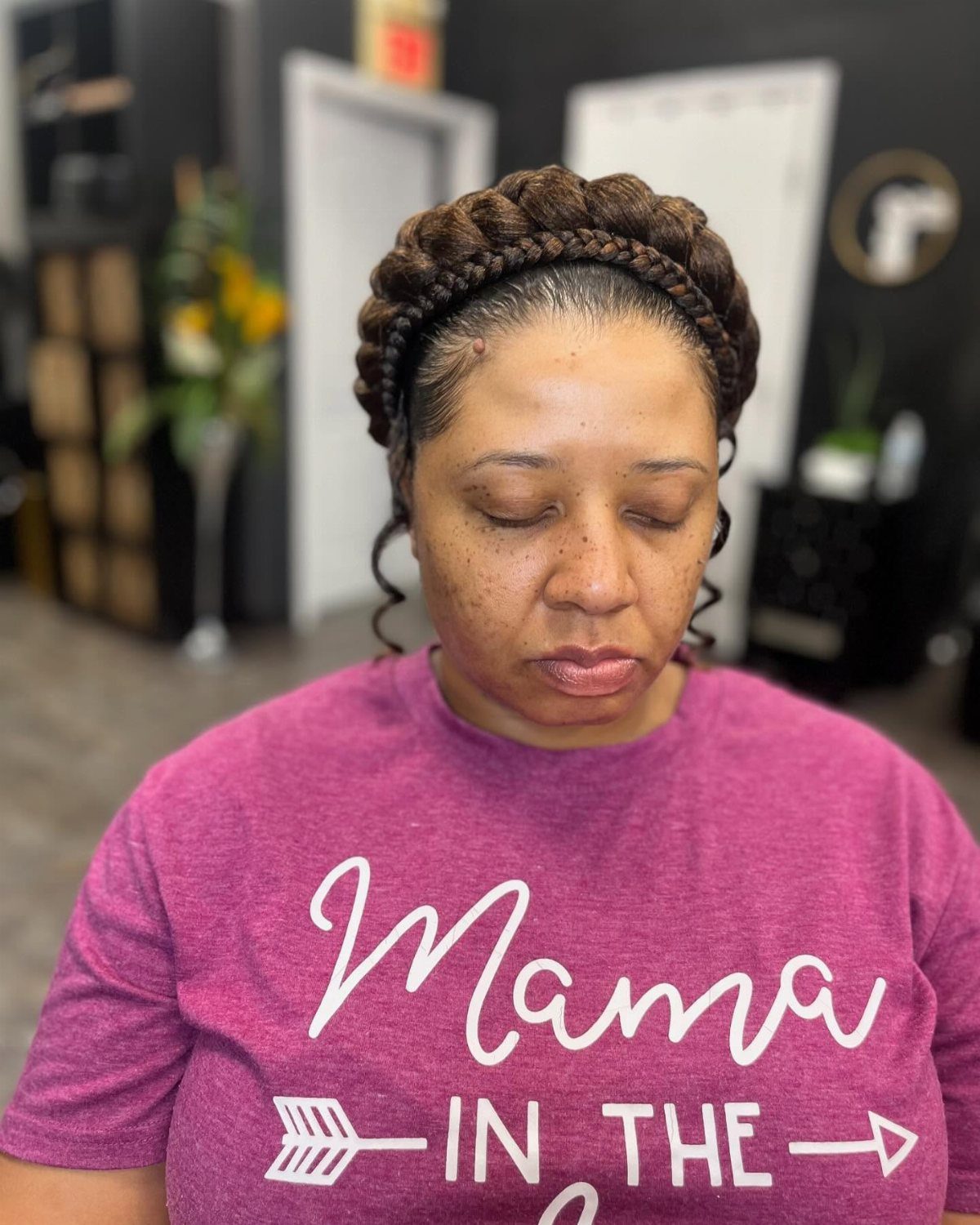
A single braid wraps around the crown and sits raised instead of flat. The braid circles the head completely and the ends are tucked under and pinned.
This style keeps all hair off the face and neck. It works on medium to long hair and holds better on thick hair than fine hair because the raised structure needs volume to stay visible.
Secure the ends with bobby pins and mist flyaways with water or edge control.
23. Micro Braids
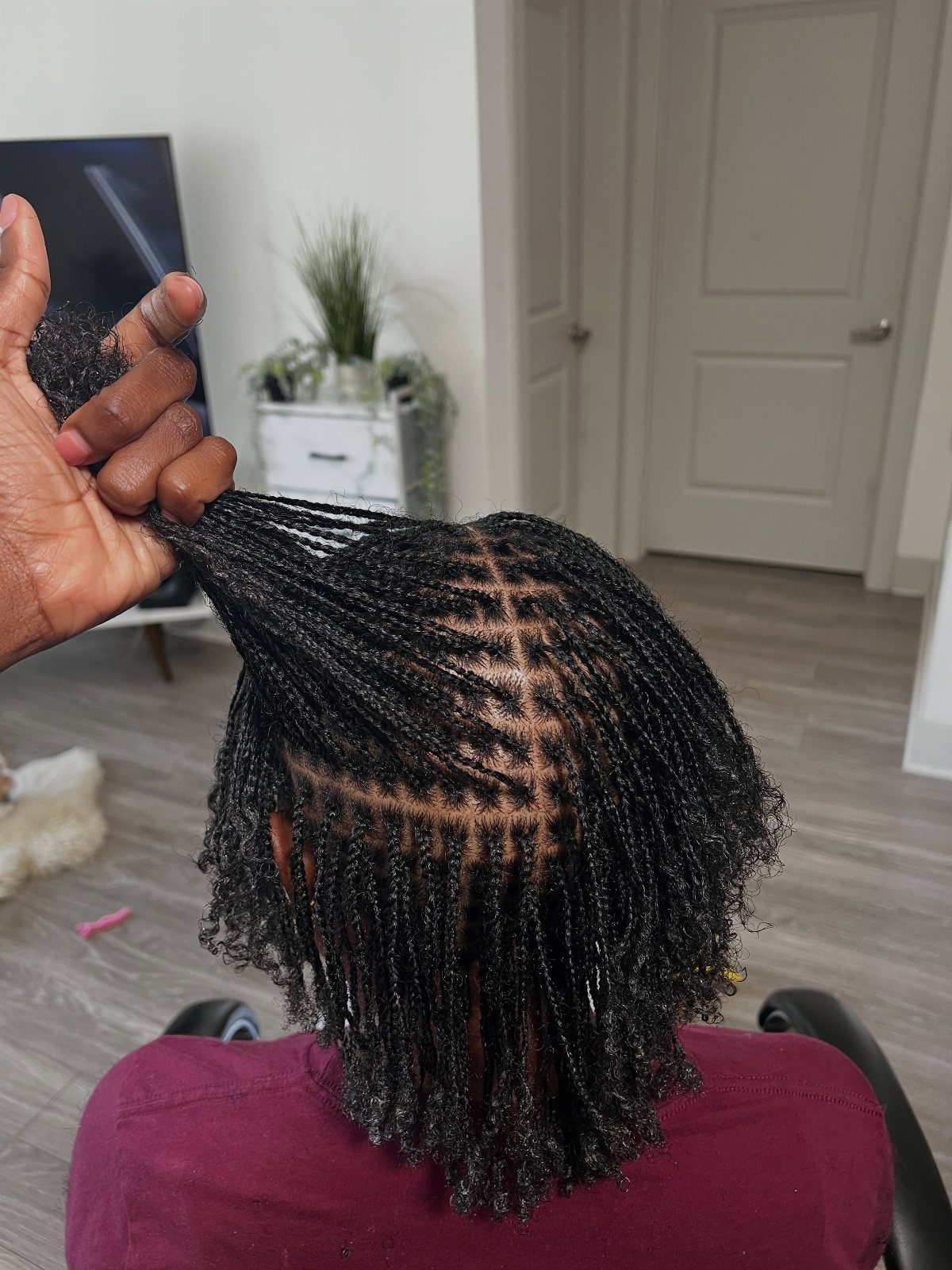
Each braid is made from a very small section of hair, resulting in hundreds of thin plaits. The braids hang loose and move freely because each one is so fine.
The fine sections put less weight on each follicle, but the sheer number of braids means installation is tiring for both client and braider.
Moisturize the scalp regularly and wear a bonnet at night.
24. Criss-Crossed Cornrows
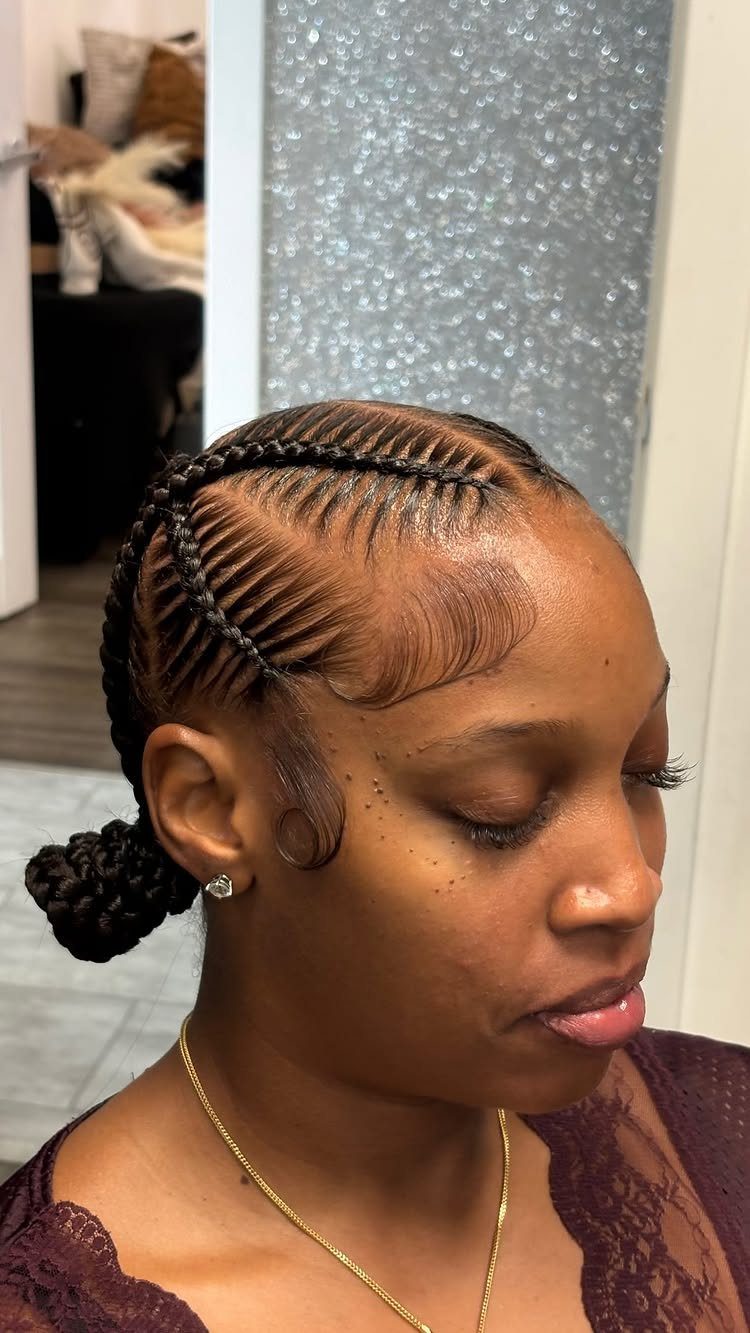
Cornrows are braided in opposing directions so they cross over one another on the scalp. The pattern can be simple with two or three crossings, or intricate with multiple layers.
The crossed lines add dimension without requiring more time than standard cornrows. The style works for anyone who wants a geometric look that still lies flat against the head.
Keep tension even at each crossing to prevent pulling on the scalp.
25. Half-Up Braids
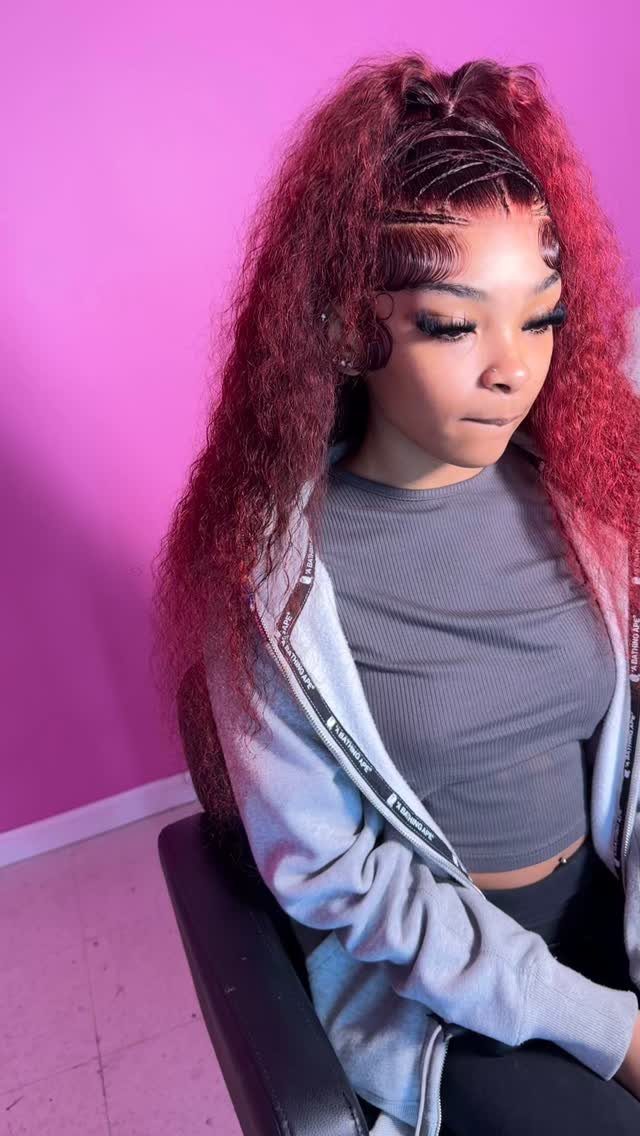
Cornrows or French braids are installed at the crown and pinned or tied, leaving the rest of the hair loose. The braids keep hair off the face while the loose sections move freely.
This works for anyone who wants the hold of scalp braids without committing the full head. The style suits casual wear and takes less time to install than a full set of cornrows.
Refresh the loose hair with your usual products and re-braid the top section every few days to keep it tight.
26. Stitch Braids
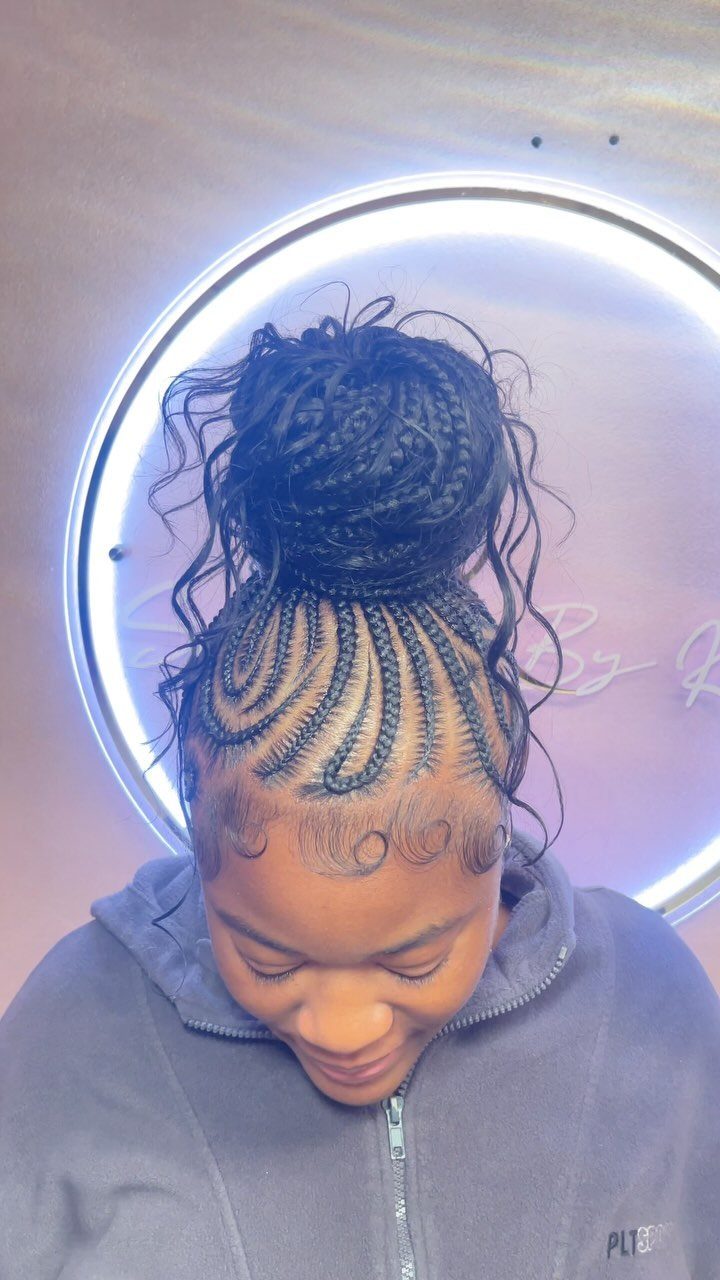
Precise horizontal parts run through each cornrow, creating lines that look sewn into the scalp. The spacing between parts stays uniform, and the braids themselves sit flat and sleek.
The clean geometry reads polished and suits anyone who wants defined scalp work with visible precision. Installation takes longer than standard cornrows because each part is measured and straightened before braiding begins.
Use a rattail comb to mark the parts and apply gel to smooth edges before braiding each row.
27. High Pony Box Braids
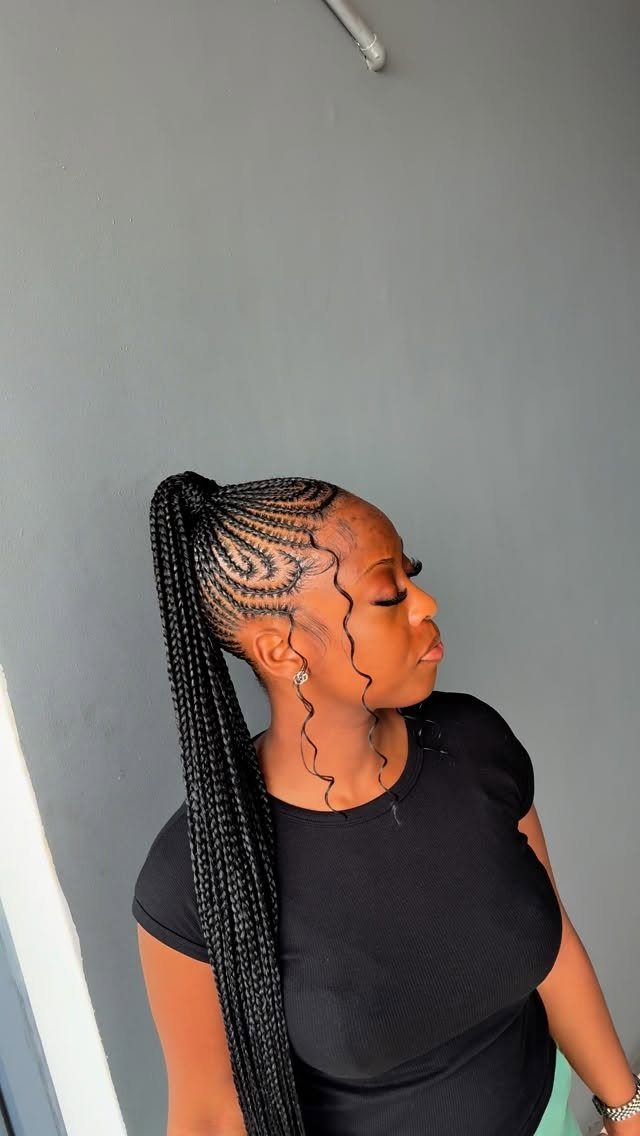
Box braids are gathered and secured at the crown, creating a high ponytail that sits above the ears. The ponytail hangs freely and can swing or be wrapped depending on length.
Pulling the braids up reduces weight on the scalp and keeps everything off the shoulders. The style works for heat, workouts and long days without adjusting.
Wrap the base with a hair tie that matches the braid color and smooth the edges with gel to keep the hairline neat.
28. Goddess Braid Adornments
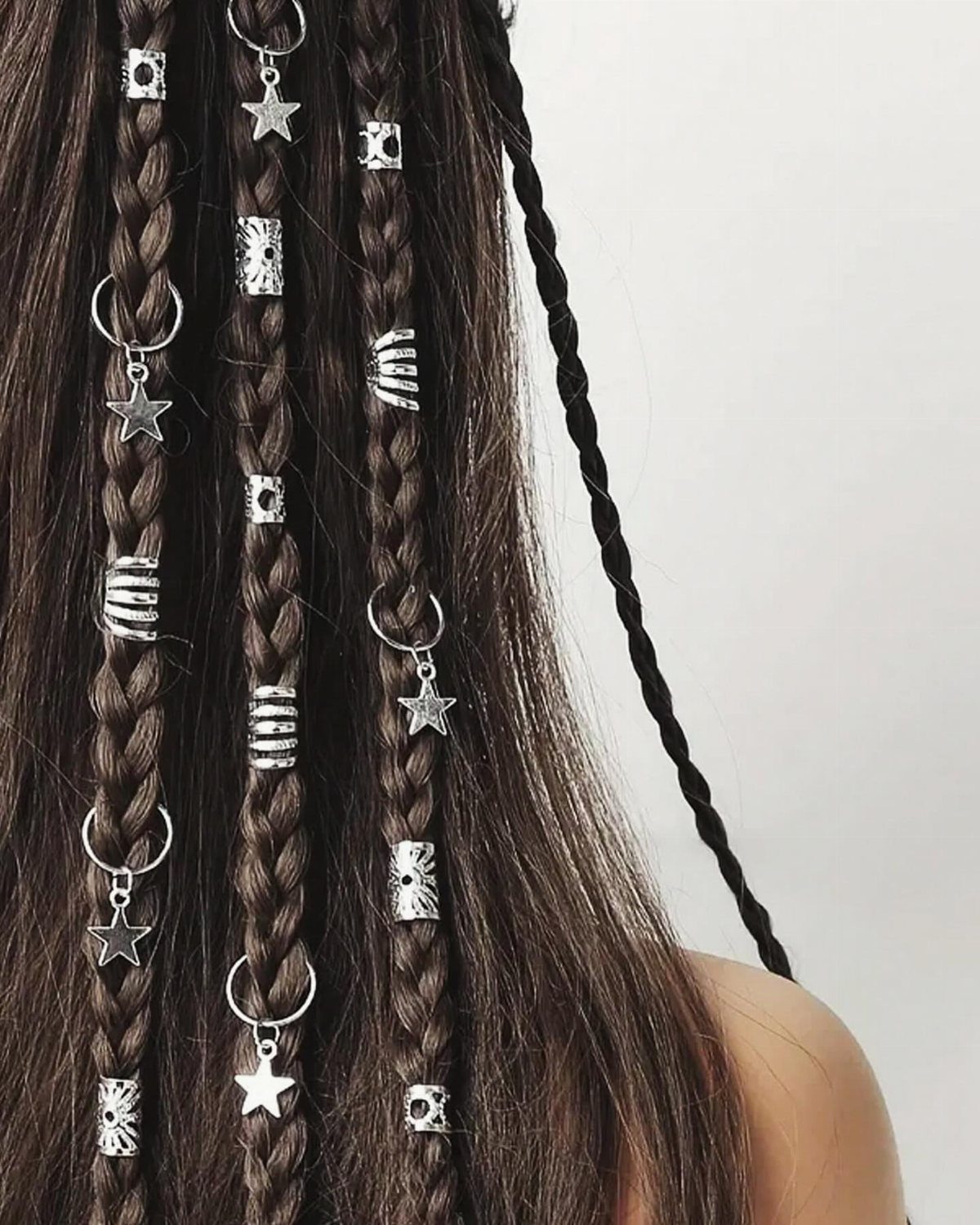
Metal cuffs, rings or thread are added along the length of cornrows or goddess braids. The accessories slide onto the braid or wrap around it, and they can be placed evenly or clustered.
Adding metal gives texture and catches light without changing the braid pattern. Cuffs stay in place better than loose thread, and both can be removed and repositioned between washes.
Choose lightweight accessories to avoid pulling on the braid.
29. Braids with Beads
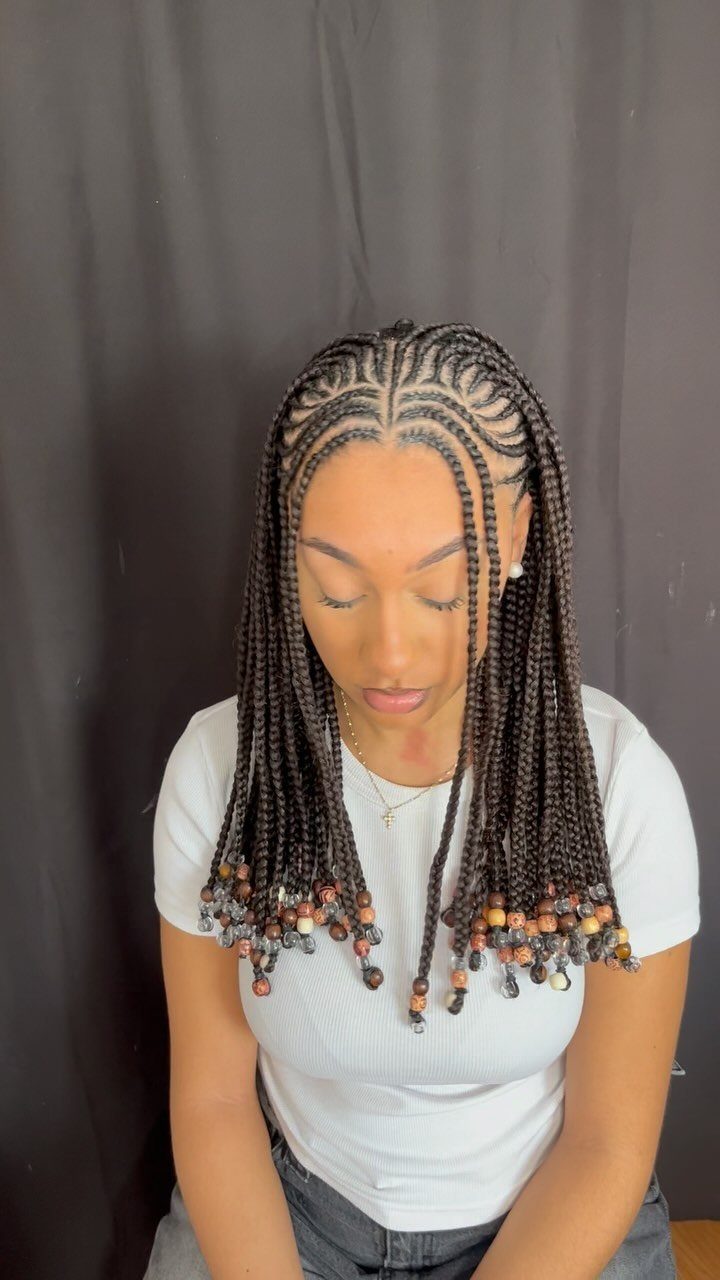
Small beads are threaded onto the ends of braids and secured with a knot or elastic. The beads can match in color or mix for contrast, and they click softly when the braids move.
Beads finish the ends neatly and add weight that helps the braids hang straighter. Wooden or plastic beads work on fine hair, metal holds on thicker braids.
Thread the bead before sealing the end, or tie a small knot below the bead to keep it from sliding off.
Braid Care and Longevity
I wrap my braids in silk or satin before bed so they stay smooth instead of rubbing against the fabric.
Cotton pulls at the braid surface overnight, and that friction lifts the texture into frizz. A bonnet, scarf, or silk pillowcase all work.
Most braided styles hold 2–8 weeks. Box braids and knotless braids hold their shape for weeks because the sections are small enough that regrowth blends in rather than puffing out all at once.
Cornrows and goddess braids hold 2–4 weeks, faux locs around 6 weeks. Jumbo braids frizz sooner than smaller ones.
I wash every 10 to 14 days and keep my scalp moisturized so the parts stay tight. Use a light scalp oil, spray, or leave-in conditioner between washes.
Arrive at the appointment with clean hair. A professional braider will section more evenly and pull just enough tension that the style lasts a month, not 2 weeks.
Tension and Scalp Safety
A braid should not hurt. If the root hurts, the tension is already too high and you need to take that braid out before it thins your hairline.
Constant tension on the follicle can cause traction alopecia. I look for a braider who works with a light hand and I speak up the moment my scalp stings.
Knotless braids feed hair in gradually, so the weight sits along the length instead of tugging at the root the way a knot does.
If your scalp aches or your edges feel sore that first night, the braid is already too tight and you should remove it.
For most styles (like box braids and cornrows), your scalp is more exposed than usual. As a result, it can be more prone to dryness, irritation, and/or flakiness.
Choosing and Installing Braids
Braids protect your hair by cutting out the combing, brushing and heat that cause breakage in the first place.
Smaller braids let you pull them into more shapes; larger ones sit in one silhouette and hold it. I choose crown braids or a braided chignon for formal events because they hold through dancing and humidity.
Fine hair needs fewer added strands per braid than thick hair or the weight will pull.
Frequently Asked Questions
How long do goddess braids last?
One to 3 large goddess braids hold about 2 weeks with careful wrapping and minimal manipulation, while smaller goddess braids can last 2 to 4 weeks.
Larger braids sit with less tension on each strand, so they frizz faster than finer work. A satin scarf at night and a shower cap keep the braids looking fresh longer.
Which type of braids last longest?
Box braids and knotless braids hold longest, often 6 to 8 weeks with regular care.
The small sections mean new growth blends in gradually instead of puffing out all at once. Jumbo braids loosen faster because their wide parts show regrowth more obviously.
What kind of hair should I buy for braids?
Latched & Hooked or X-Pression braiding hair both work well; X-Pression is softer than standard Kanekalon and includes more fiber per pack.
Regular Kanekalon is fine, but test synthetic hair on a small patch of skin first or rinse it with apple cider vinegar if you have not used it before.
How much hair should I buy for goddess braids?
One pack of X-Pression or 2 packs of regular braiding hair covers 1 to 3 thick braids. Four braids or more need 2 to 3 packs, more if you want them thicker.
What are the easiest braids to do?
Pigtail and fishtail braids finish in 10 minutes or less because they skip intricate scalp work.
What are the most popular braided hairstyles right now?
Knotless box braids and boho braids with curly pieces left out are booked solid right now.
Lemonade braids, the side-swept cornrows Beyoncé made famous, still get asked for nearly a decade later. Patterned cornrows with zigzags or layered shapes show up more during Fashion Month when clients want statement scalps.
How do I maintain braids?
Wrap your braids in a silk bonnet, satin scarf or silk pillowcase at night so cotton does not rough up the surface while you sleep.
Apply light oil or scalp spray 2 to 3 times a week to prevent drying and itching. Let your hairline rest a week or 2 between styles so the tension does not pull it back permanently.
Are box braids low-maintenance?
Box braids require minimal daily handling and can be washed, worn for workouts and taken swimming with limited frizz. The scalp still needs cleansing and moisture every 2 to 3 weeks with diluted shampoo or scalp cleanser, followed by leave-in conditioner.
What is the process like for getting box braids?
Hair is washed, deep conditioned and detangled, then sectioned into square parts. Synthetic or natural extensions are added and braided into each section.
What are the pros and cons of box braids?
Box braids protect natural hair and offer versatile styling in ponytails, buns and half-up looks. Installation is time-consuming, and you must style gently and watch tension at the hairline to prevent breakage.
Is hair shedding normal after removing box braids?
Shedding up to 100 strands a day is normal, but those hairs stay trapped in the braids until you take them out. Excessive shedding happens when braids were installed too tight or handled roughly during removal.





