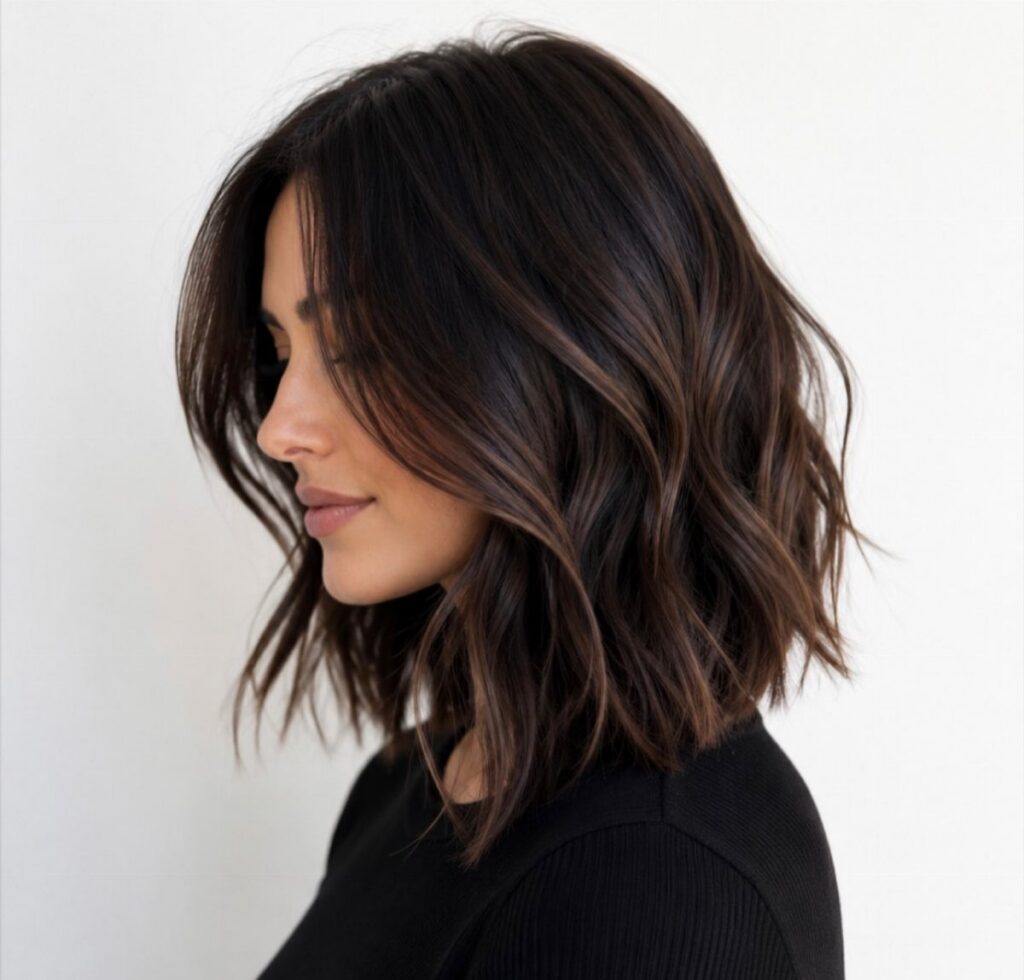
A lob at the shoulders removes enough weight that waves lift instead of pulling flat, while long layers in hair past the collarbone keep length and let texture show without the bulk.
The choice depends on how much frizz you start with and whether you air-dry or reach for a round brush most mornings.
1. Lob
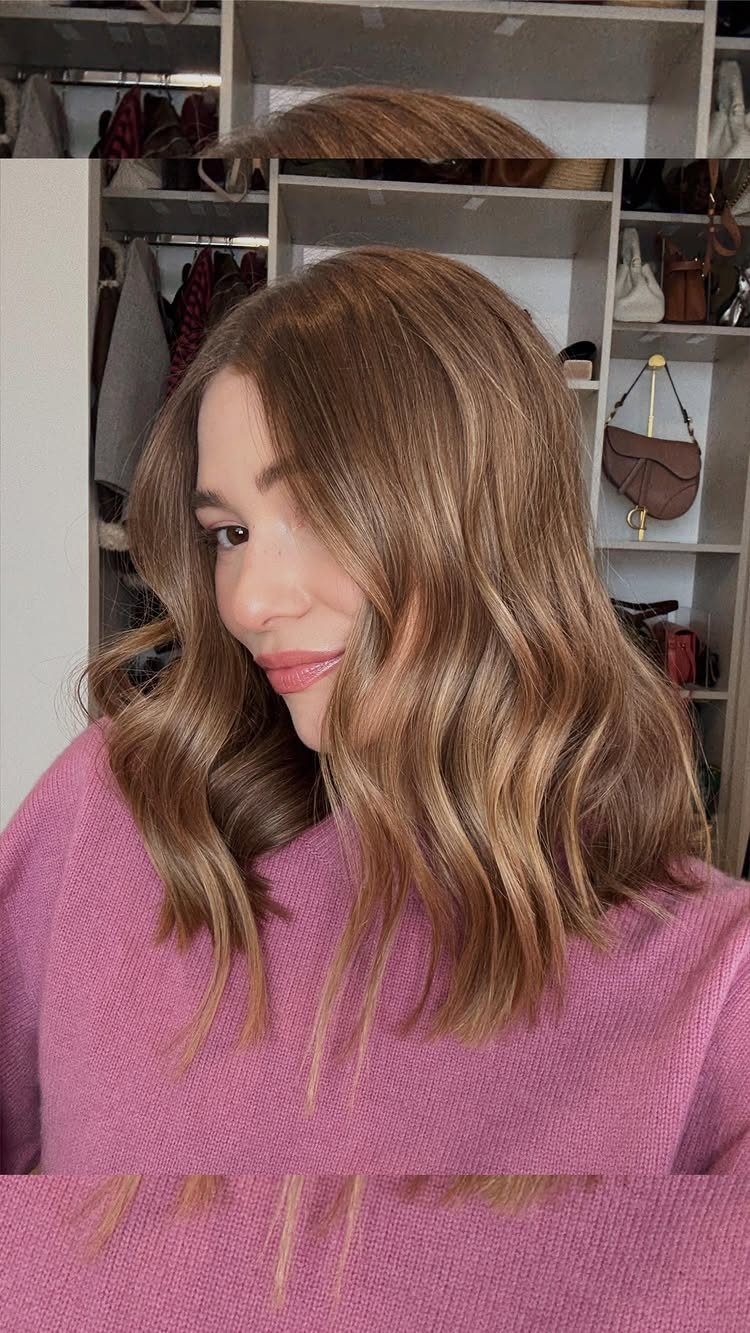
A lob sits right at the shoulders, long enough to tuck behind your ears or pull into a low ponytail but short enough that the weight comes off and your natural wave shows up.
For frizz-prone texture, that length lets you air-dry without fighting it flat or standing over a round brush. Ask for a blunt or slightly layered cut depending on how much volume you start with.
If your hair tends to triangle out, layers help remove weight at the bottom. Morning routine is wash-and-go or a quick pass with a curling iron to tidy the pieces that dry awkward.
2. Shag
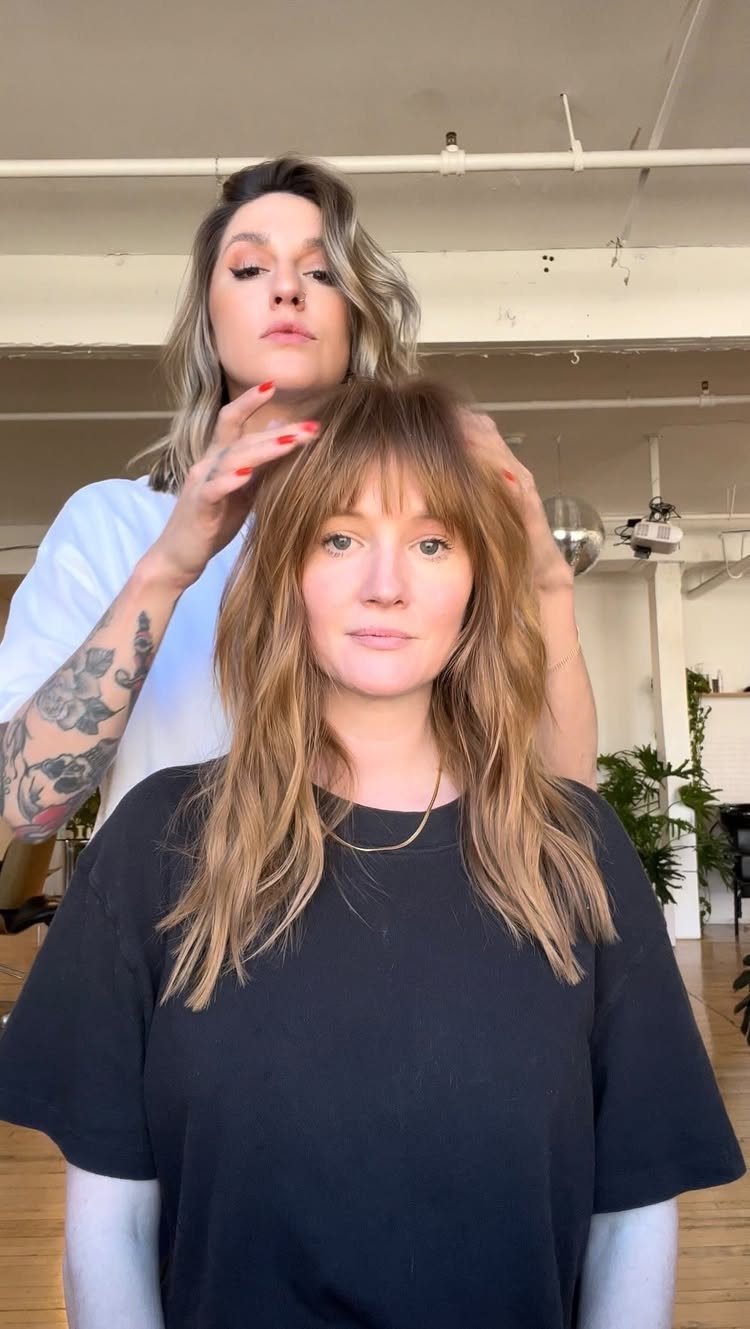
Layers cut at different lengths through the whole head give wavy hair room to move instead of sitting flat.
A shag works that idea all the way through: shorter pieces around the crown add lift, longer lengths at the ends keep some weight, and the choppy finish hides frizz better than a blunt line ever will.
The texture reads as intentional, so second-day hair looks fine and you skip the flat iron.
Ask for point-cutting or slide-cutting at the ends to keep them soft. If your waves are loose, this cut coaxes them into something with more bend.
One of the biggest misconceptions about cutting wavy hair is that it should be cut the same way as straight hair, says Shahid Dilshad Pasha, master trainer manager at Davines India. “If you ignore the natural pattern, the cut can look uneven once it dries.”
— Vogue
3. Below-the-shoulder Lob
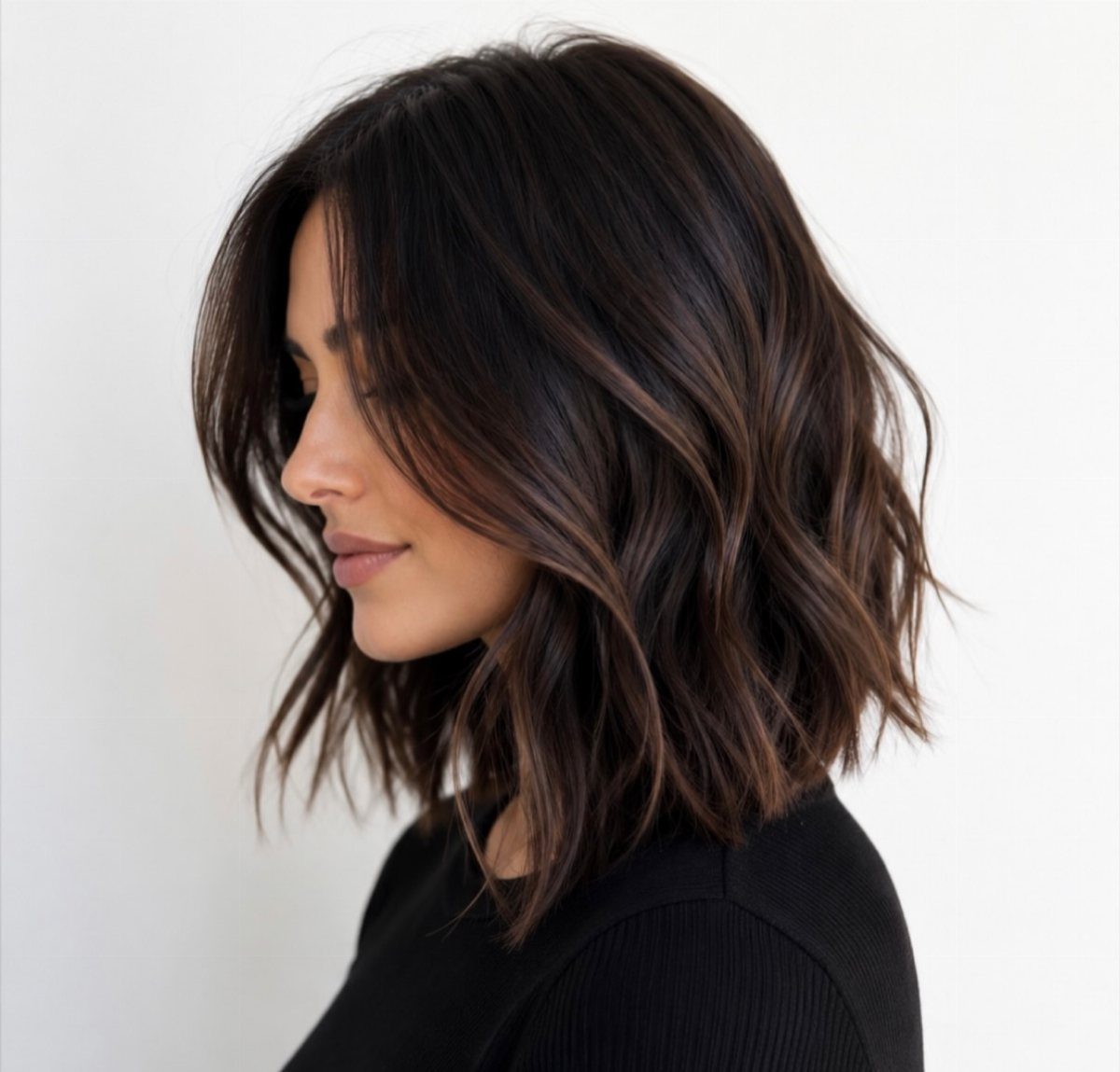
A lob that falls an inch or two past the shoulders gives you enough length to experiment but keeps the ends healthy, and face-framing layers that start near the chin pull attention forward.
That framing works well if your face is longer than it is wide. The layers around your face dry faster and curl tighter than the rest, which can look deliberate if you let them.
Ask for long layers only in the front if you want the back to stay fuller. Styling time is short with a diffuser or faster still with sea salt spray and your fingers.
4. Fine-hair Shoulder Lob
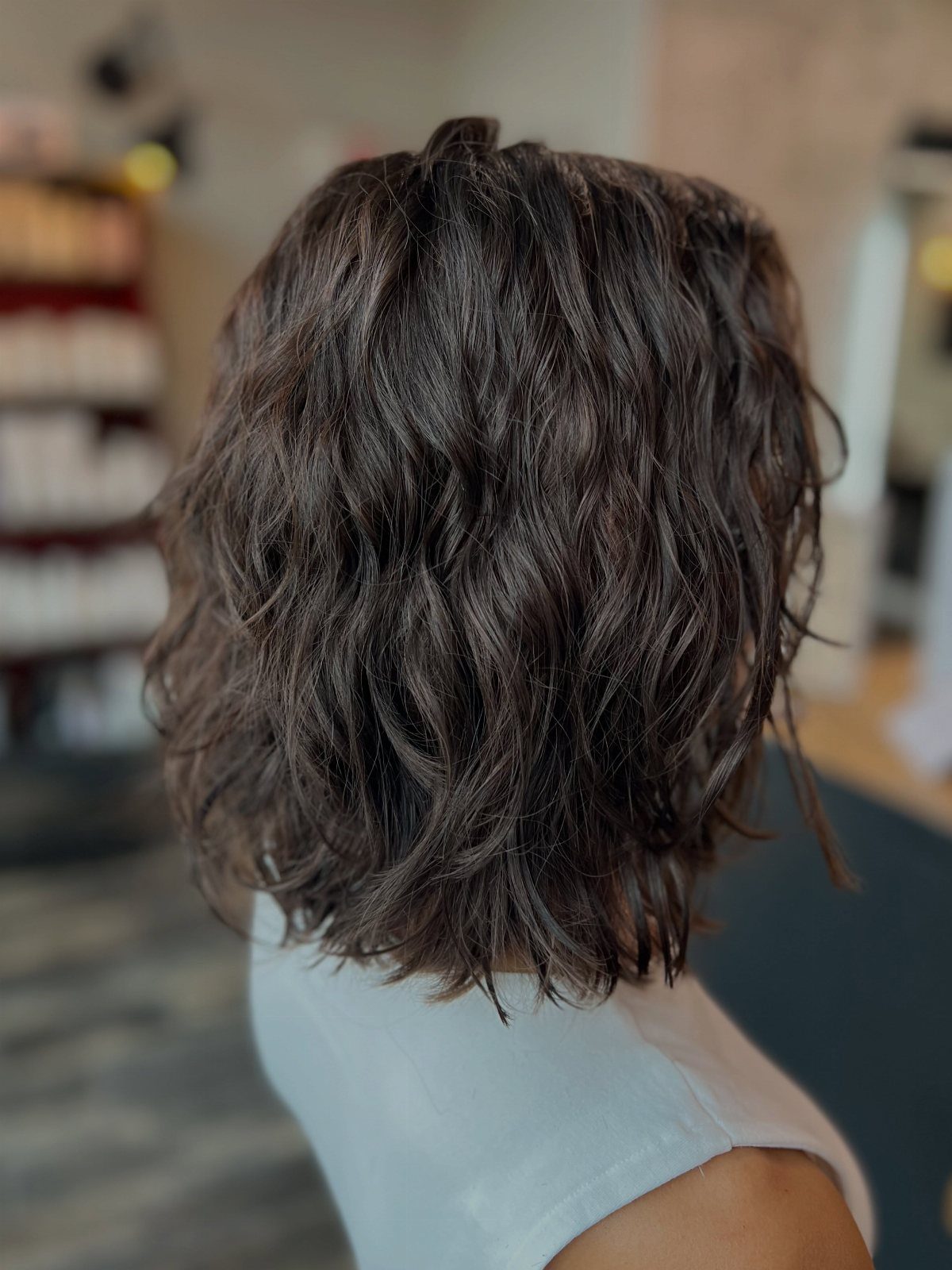
Fine hair benefits from a shoulder-length lob because the cut removes just enough weight that the waves lift instead of lying limp.
Subtle layers through the back add movement without thinning out the ends. If your hair tends to fall flat by midday, ask for interior layering that keeps the perimeter fuller.
A texturizing spray at the roots before you air-dry gives you another hour of volume. The cut grows out evenly, so you can stretch trims if your ends stay healthy.
5. Shoulder Shag
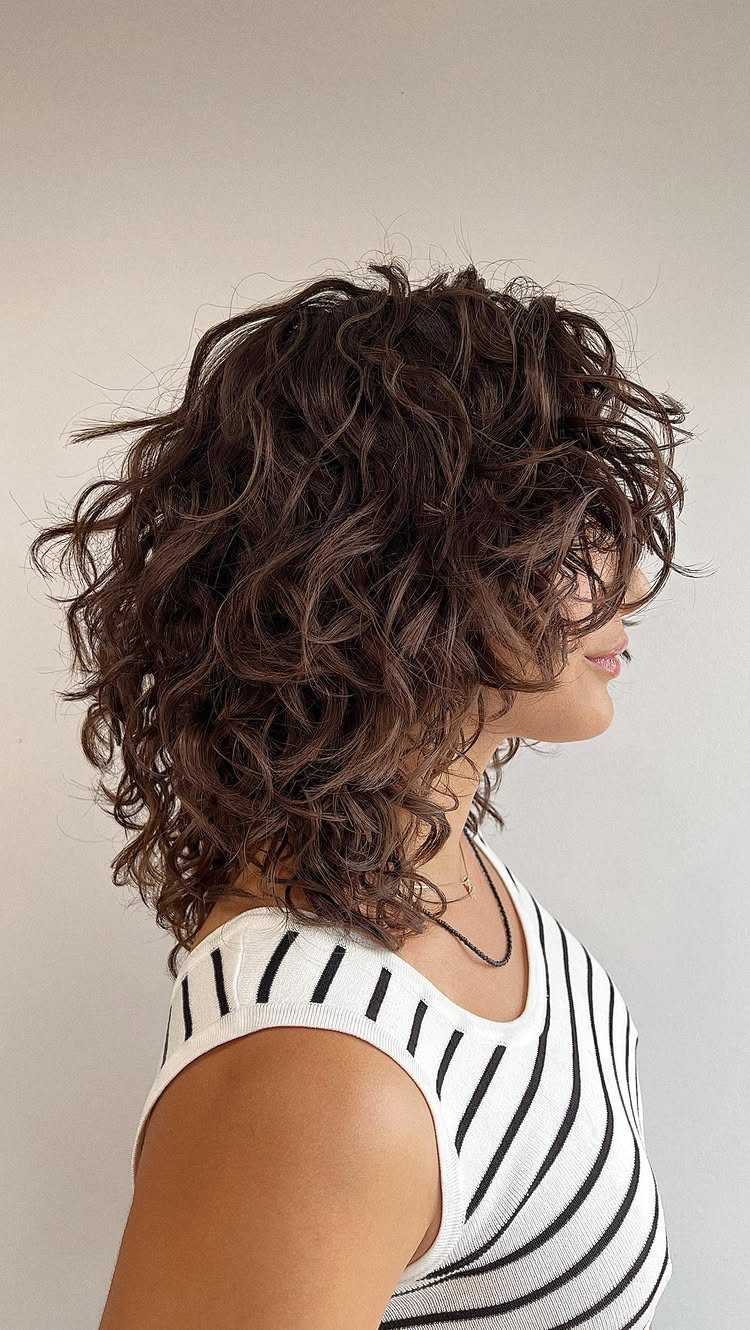
This one lands at the shoulders with long bangs that blend into the layers, and those layers start high enough that everything moves.
The waves look messy on purpose, which is exactly what you want when frizz shows up halfway through the day.
If your texture is somewhere between wavy and curly, the shag separates the pieces so each one curls on its own instead of clumping into a triangle.
Ask your stylist to cut it dry so they can see where your natural wave pattern sits. Style with curl cream and scrunch while it dries.
6. Short Shag with Fringe

Short shaggy layers cut close to the head break up bulk at the crown, and a fringe that sits just above the eyebrows or grazes them ties the whole cut together.
If your hair is thick and frizz-prone, this cut removes enough weight that you can air-dry and still have shape. The fringe softens a strong jawline and draws the eye up.
Ask for the fringe to be cut into the layers rather than sitting as a separate line. Styling is a nickel-sized amount of mousse and your hands.
7. Air-dried Wavy Shag
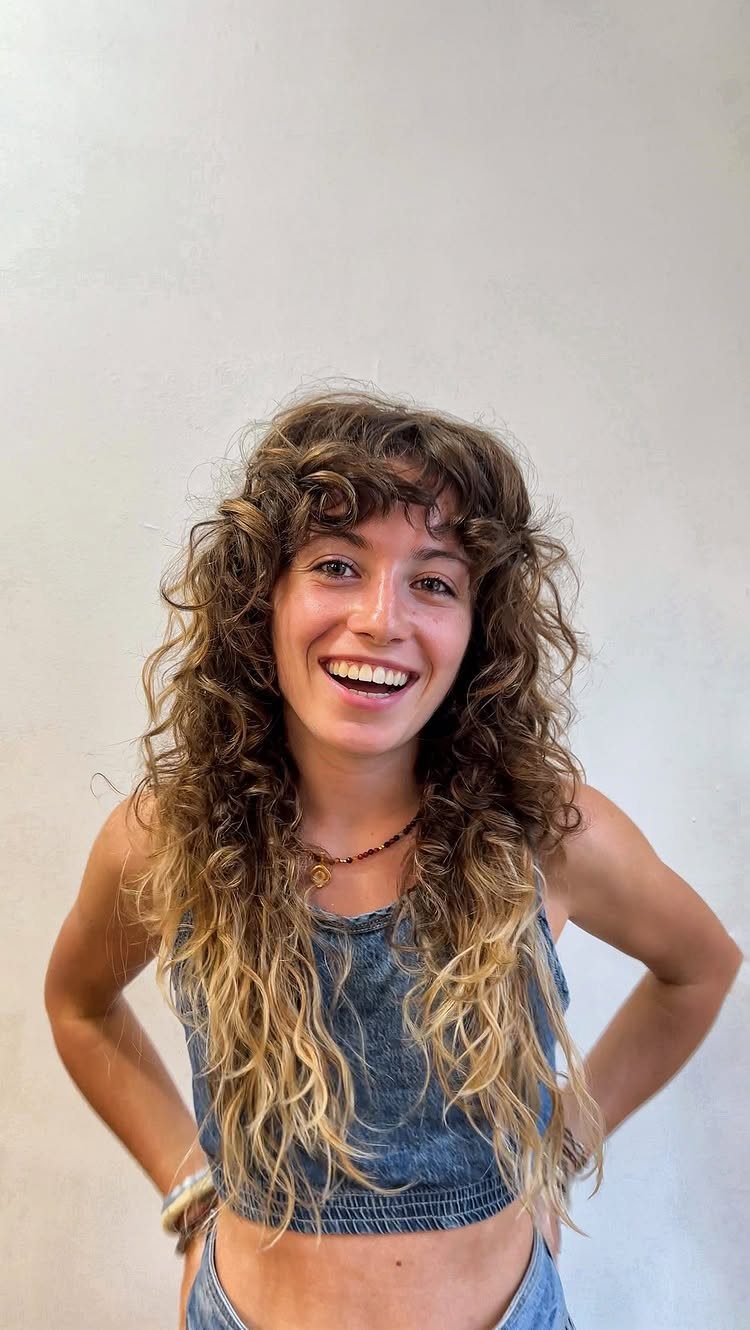
This version of the shag is cut with air-drying in mind, so the layers fall where your waves naturally form instead of fighting them.
The length through the front keeps things soft, and the texture hides frizz as it shows up. If you skip heat tools most days, this cut makes that easier.
Ask your stylist to shape it while your hair is damp or dry so they can see how the wave sits. A leave-in conditioner keeps the ends from turning wispy.
8. Long Layers
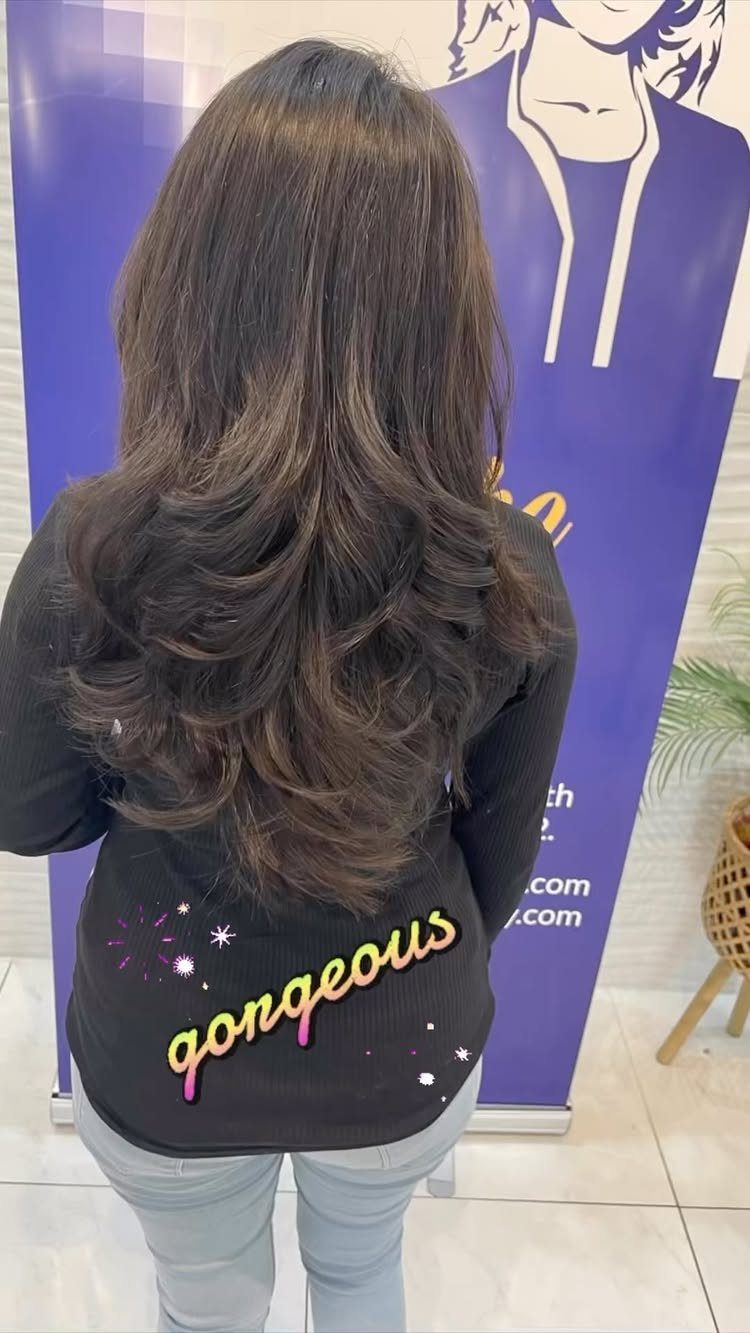
Layers cut into long hair take weight off without sacrificing length, and that makes wavy texture show up instead of pulling straight under its own bulk.
The back stays full while the layers give the sides room to move. If your hair tends to frizz, the movement reads as texture rather than something to fix.
Ask for layers that start at chin level or lower if you want to keep the length looking even. Air-drying works, or a quick diffuse at the roots.
9. Pixie Cut
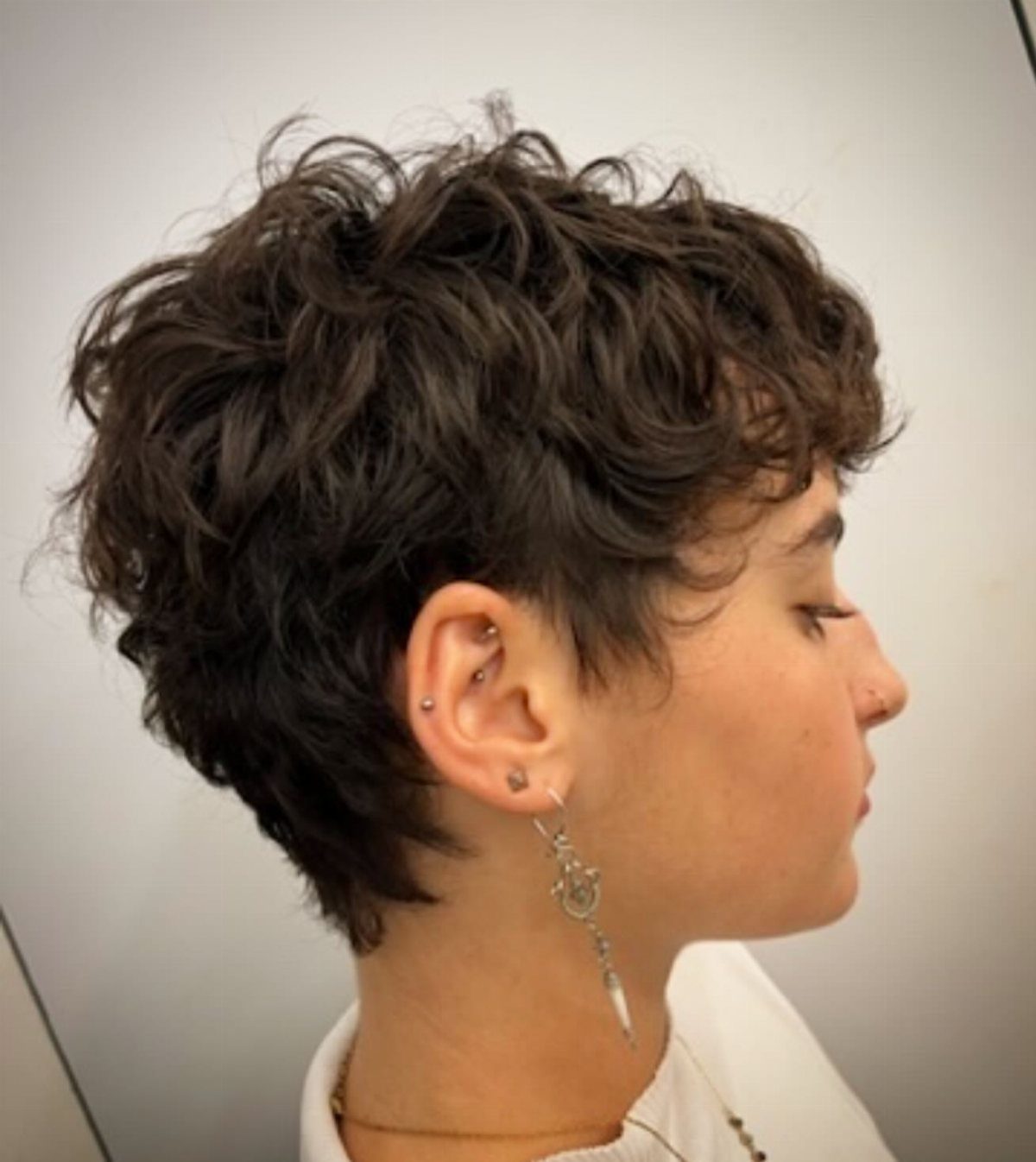
A pixie removes most of the weight, so wavy hair can curl without dragging itself down.
The shorter length also means frizz has less time to develop and less surface to cover. If your texture is fine, this cut gives you volume without products.
Ask for enough length on top that the waves still show, and keep the sides close if your hair is thick. Styling is a dab of pomade or curl cream worked through with your fingers.
10. Wavy Hairstyles with Curtain Bangs

Curtain bangs split down the middle and fall to either side of the face, softening a center part and balancing width if your face is narrow.
The length usually sits between the cheekbones and the chin, and wavy texture makes them blend into the rest instead of sitting as a hard line.
If your hair is frizz-prone, the bangs pick up that texture too, which can look intentional with the right cut. Ask for them to be cut dry so the wave is already in place.
11. Tousled Pixie
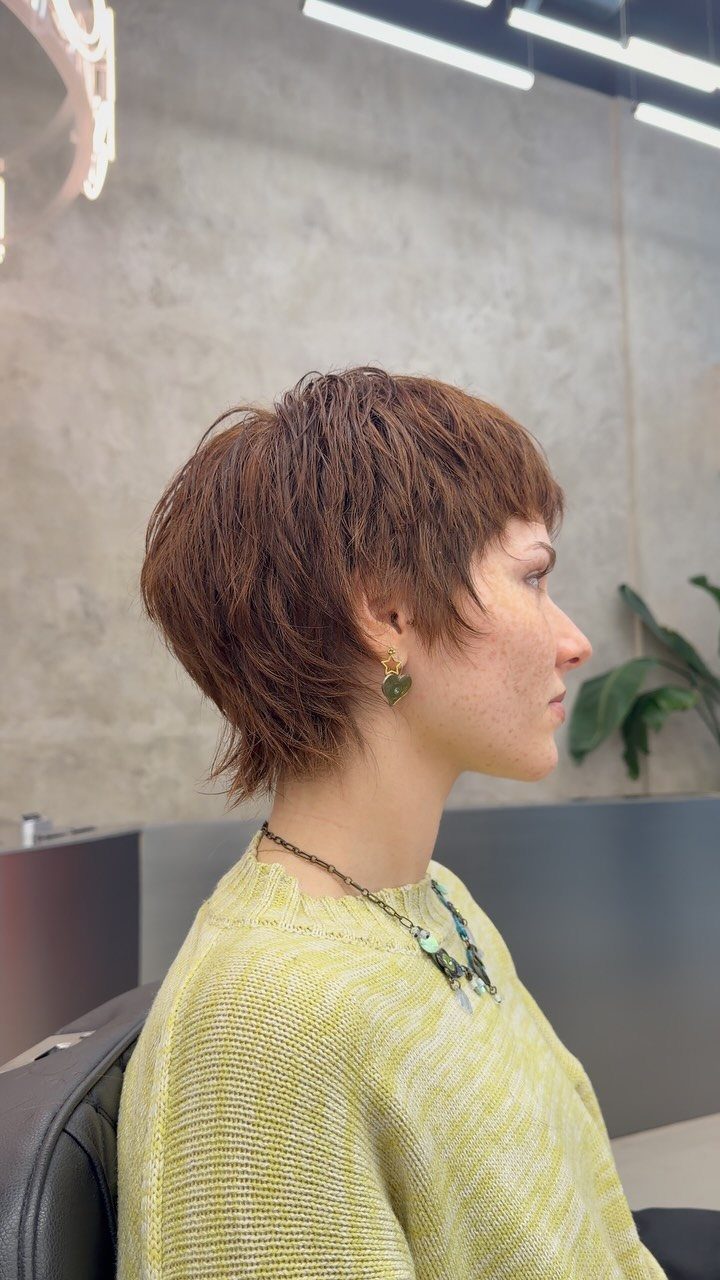
Choppy layers cut through the top and front give a pixie that messy, just-woke-up look, and the shorter back keeps the shape from going round.
Wavy hair holds that texture without much effort, and frizz just adds to the finish. Thick hair especially benefits from the weight removed, which cuts down your morning routine to almost nothing.
Point-cutting keeps the ends textured instead of blunt, which stops them from clumping together. A little texturizing paste gives you control without stiffness.
12. Long Bob
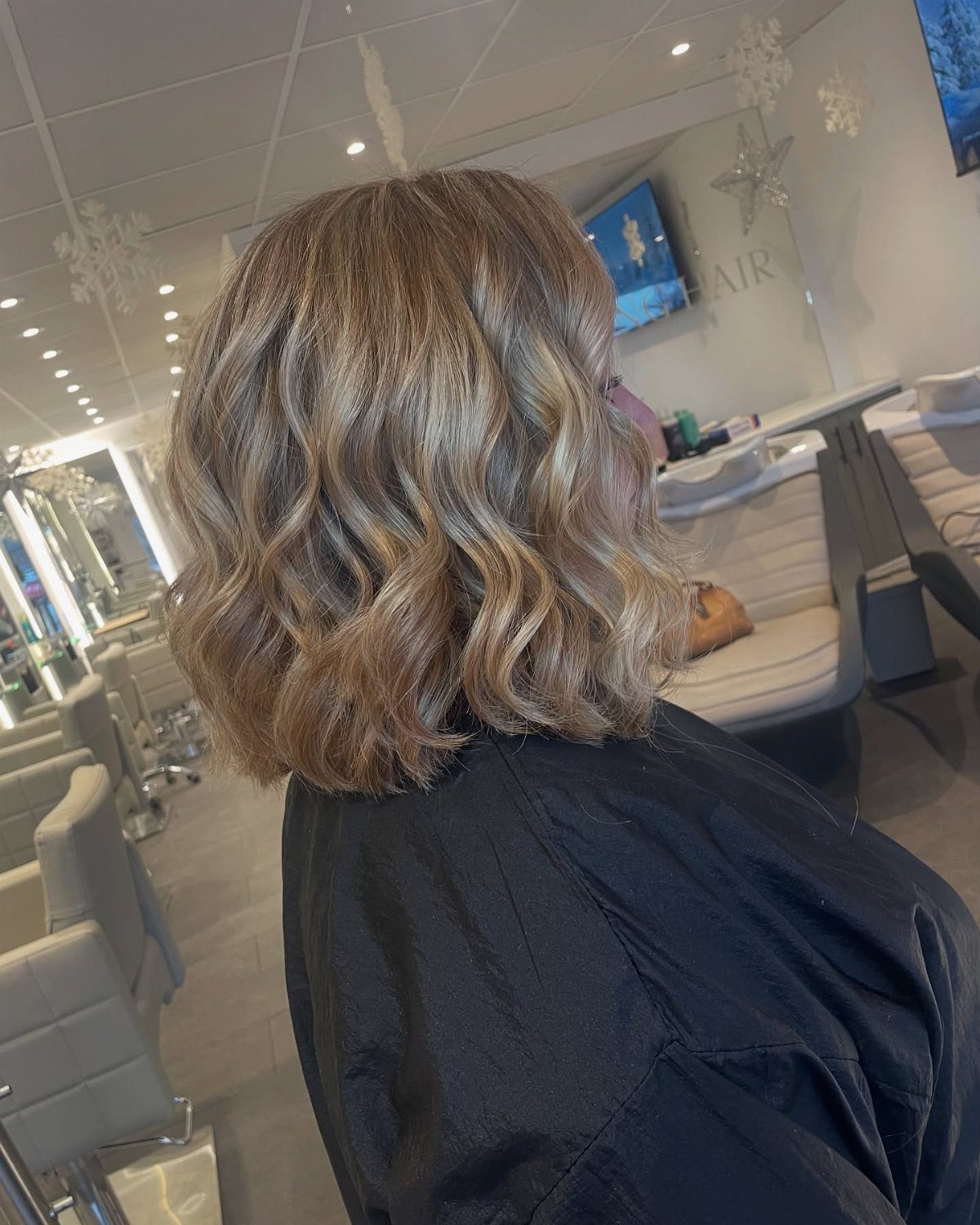
A long bob that ends at the collarbone keeps enough weight that wavy hair swings instead of puffing out, and the blunt or lightly layered finish looks clean without needing a flat iron.
If your waves are loose, this length lets them form without tangling at the ends.
Ask for minimal layers if your hair is fine, or a few through the back if you have volume to spare. Styling is a round brush for polish or your hands for something more relaxed.
13. Face-framing Layers
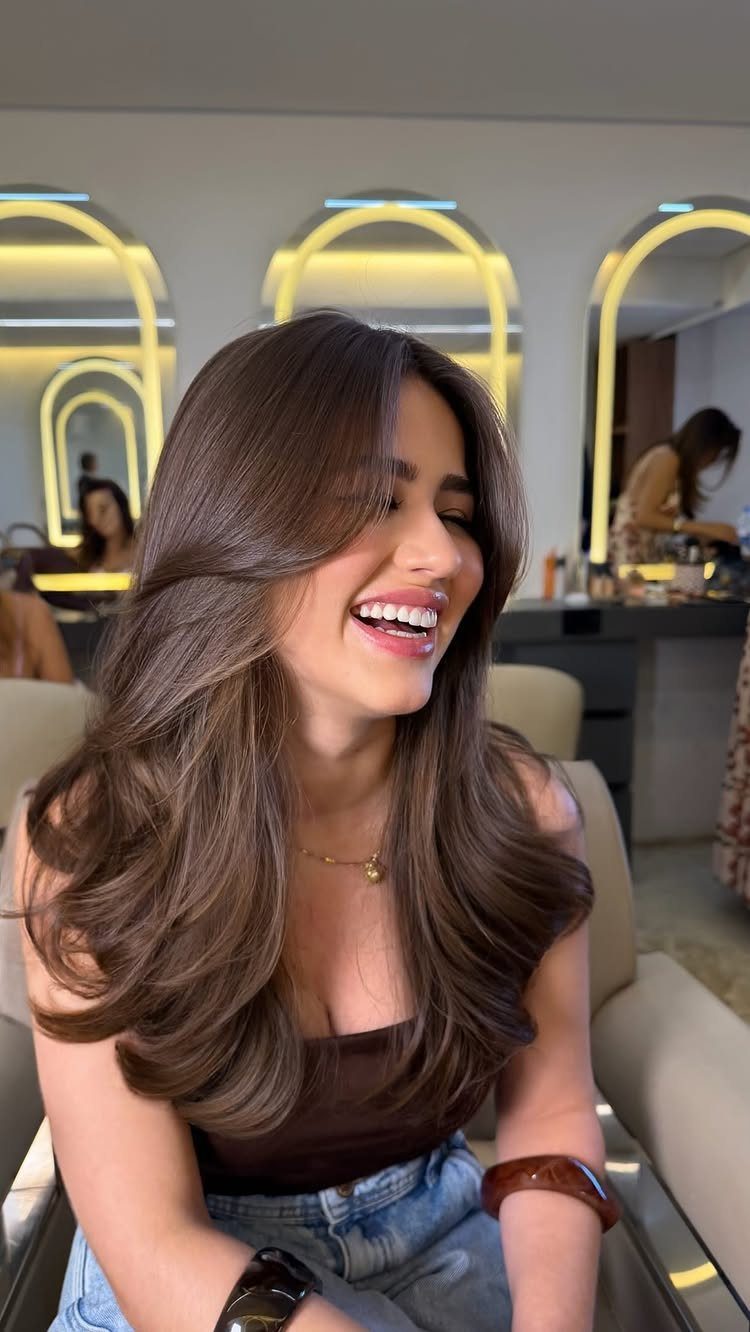
Layers that start around the cheekbones and taper down the sides pull the eye in and give wavy hair some direction instead of letting it spread wide.
If your face is round or square, these layers add length visually. The cut works with natural texture, so you can skip the round brush and still have shape.
Ask for the shortest layers to land where you want the most movement, usually mid-cheek or just below. Frizz blends into the layered pieces instead of sitting as a separate problem.
14. Textured Bob
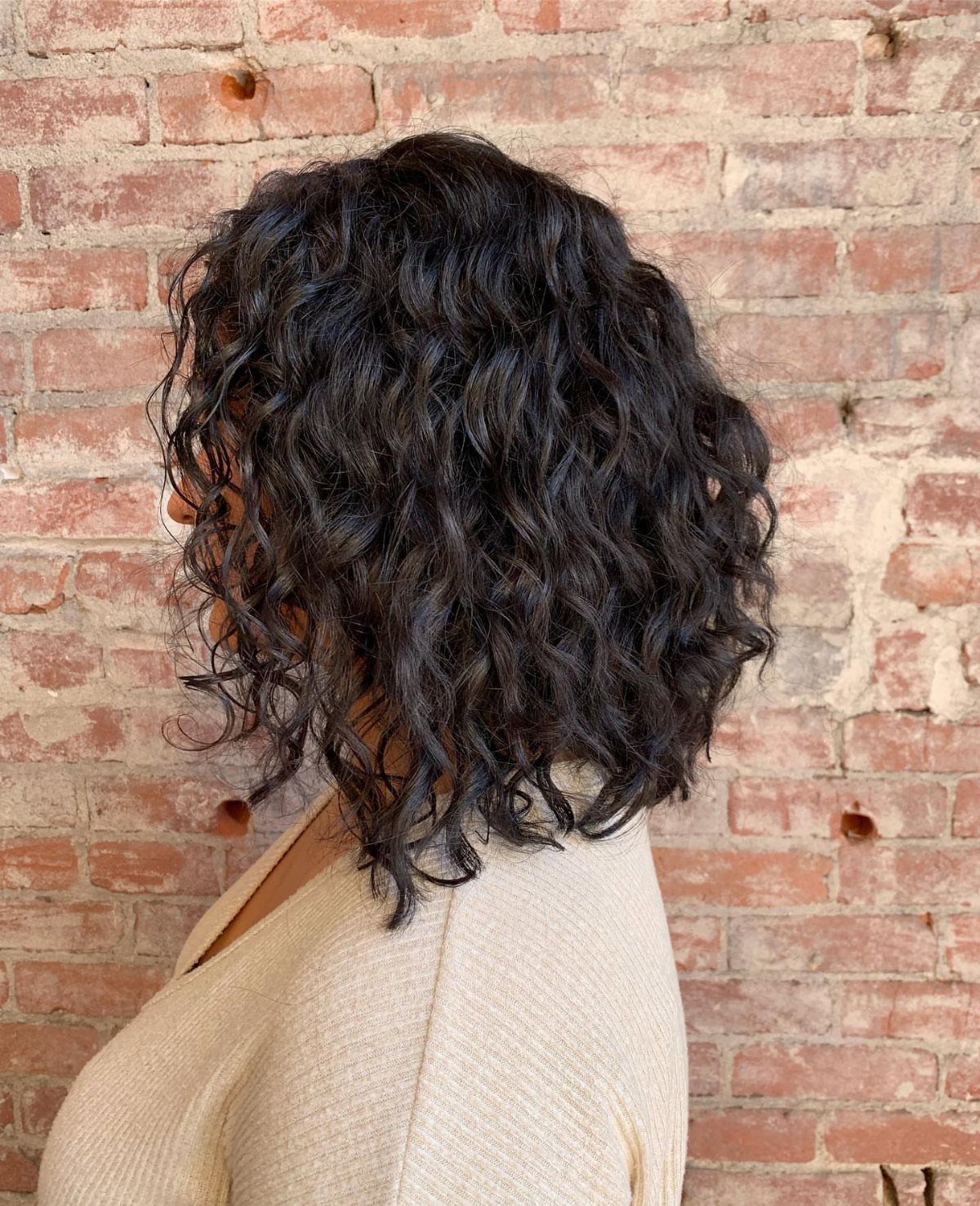
A bob cut with texture instead of a clean line gives wavy hair permission to do what it already does.
The deep part adds volume on one side, and the loose layers keep the ends from looking heavy. If your waves are tight enough to hold shape on their own, this cut needs almost no styling.
Point-cutting keeps the edges from looking blunt. Air-dry with a curl cream or scrunch in some mousse while it is still damp.
15. Wavy Hair with Side-swept Bangs
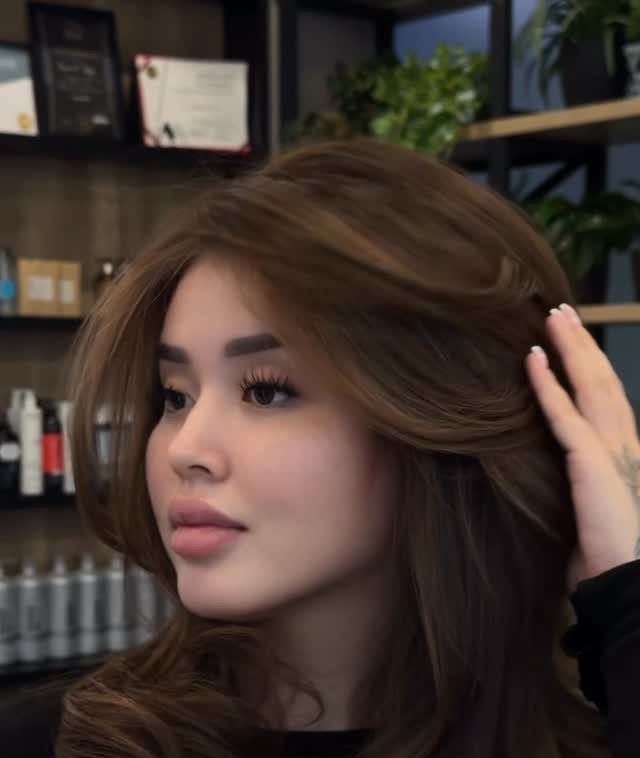
Bangs swept to one side soften the forehead and draw attention across the face, which balances a wider jaw or adds width if your face is narrow.
The length usually lands between the brow and the cheekbone. Wavy texture keeps them from sitting flat, and they blend into longer layers instead of forming a hard line.
A dry cut lets the stylist work with your wave pattern instead of guessing. A little pomade keeps them in place without looking stiff.
16. Wavy Mullet

Short, choppy layers through the top and sides give you volume and movement where you want it, and the longer back keeps the silhouette from reading as conventional.
Wavy texture makes the contrast between lengths look intentional instead of accidental. If your hair is thick, the weight removed up top cuts down drying time.
Ask for the back to stay long enough that your waves show, and point-cut the top layers so they separate. Scrunch in sea salt spray while damp.
17. Soft Wavy Mullet

Feathered layers soften the mullet shape, and bangs that blend into the sides tie the whole thing together. The waves keep the layers from looking too structured, and frizz just adds to the finish.
The shorter layers help bring out wave in hair that would otherwise sit flat. A curl cream worked through damp hair defines the waves without weighing them down.
18. Mid-length Round Layers
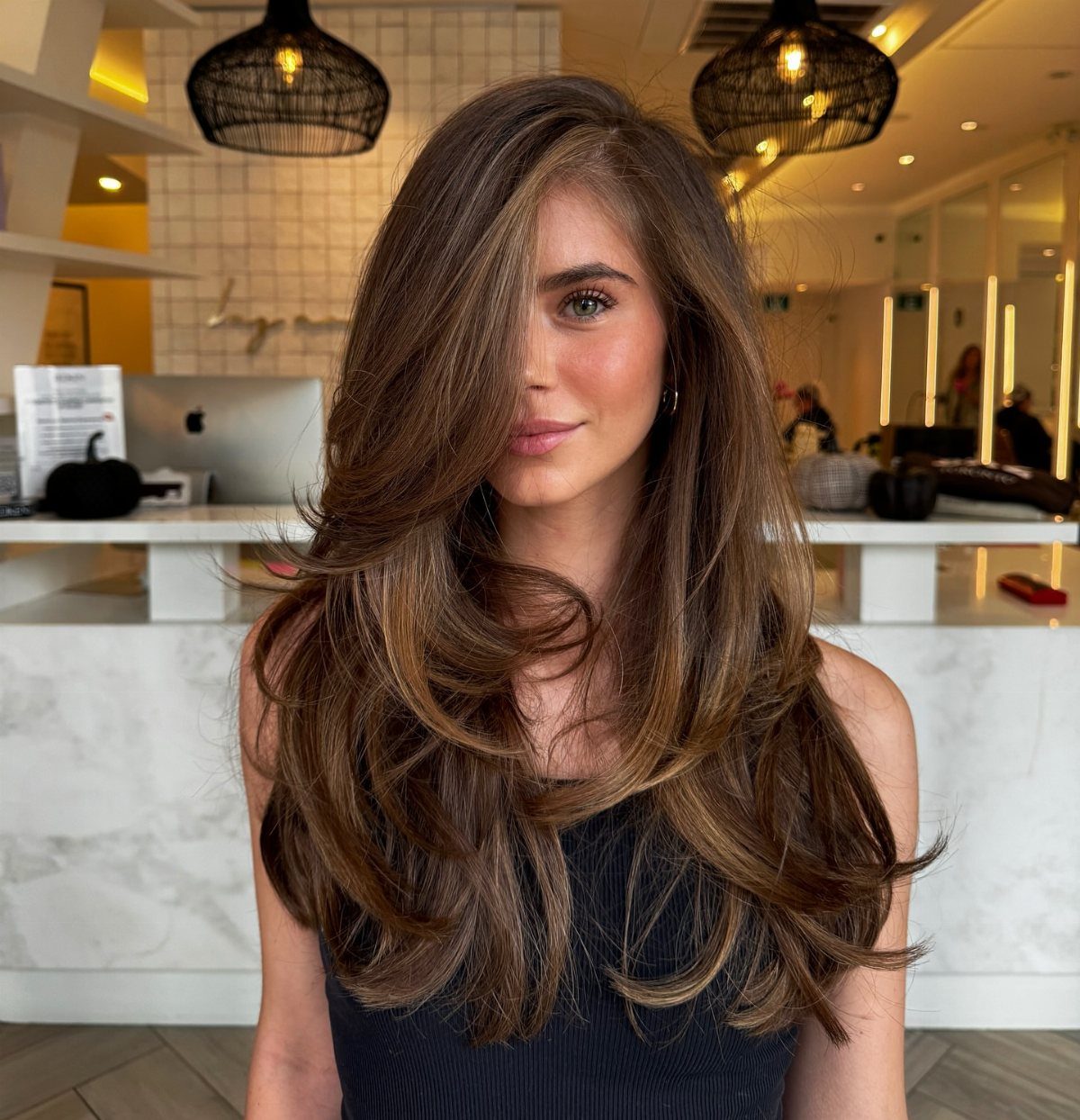
Layers cut in a rounded shape through mid-length hair add volume at the sides and keep the ends from lying flat.
The layers curve outward instead of falling straight, which suits wavy hair because the natural bend follows that shape. If your hair is fine, this cut makes it look thicker.
Ask for the layers to start below the chin so the top stays full. A diffuser on low heat sets the shape, or air-dry and let the waves do the work.
Care for Wavy Hair
Trims every 6 to 8 weeks keep the ends from splitting upward, which matters more when you air-dry and frizz can make damage obvious.
Less heat styling means fewer passes with a flat iron or curling wand, and when you do use heat, a heat protectant beforehand adds a layer between the tool and your hair.
Over-washing strips natural oils that wavy hair needs to hold its shape, so 2 or 3 times a week is enough for most people.
After washing, skip the terry towel and use a T-shirt or microfiber towel instead. The smoother surface causes less friction, which cuts down on frizz as your hair dries.
Dyed hair needs a richer conditioner to put back the moisture color removes.
Frequently Asked Questions
What to do when wavy hair is frizzy?
Pick a cut that lets your natural texture do its job instead of fighting it, and stick with leave-in conditioner or curl cream to hold moisture in.
Air-drying cuts heat damage, which keeps frizz from getting worse. Limiting how often you wash also helps, since over-washing strips the oils that keep waves smooth.
Should frizzy hair be layered?
When weight comes off, waves lift and bend, and the staggered ends break up frizz in a way one clean line can’t.
Without them, long hair especially can turn into a heavy triangle. Ask for long layers if you want to keep the back full, or shorter ones through the crown if you need lift.
Are layers good for wavy hair?
Removing bulk stops the roots from dragging flat and gives the bend room to form.
Thick or long hair benefits most because the weight removed stops the triangle shape. For length that reads even from the front, start the layering at your chin or below it.