Most of these masks need between 15 and 50 minutes on your hair, so choose based on how much time you have.
Dry hair does well with coconut oil and honey or the olive oil, honey, and egg mask, both of which coat each strand and slow water loss.
1. Coconut Oil and Honey
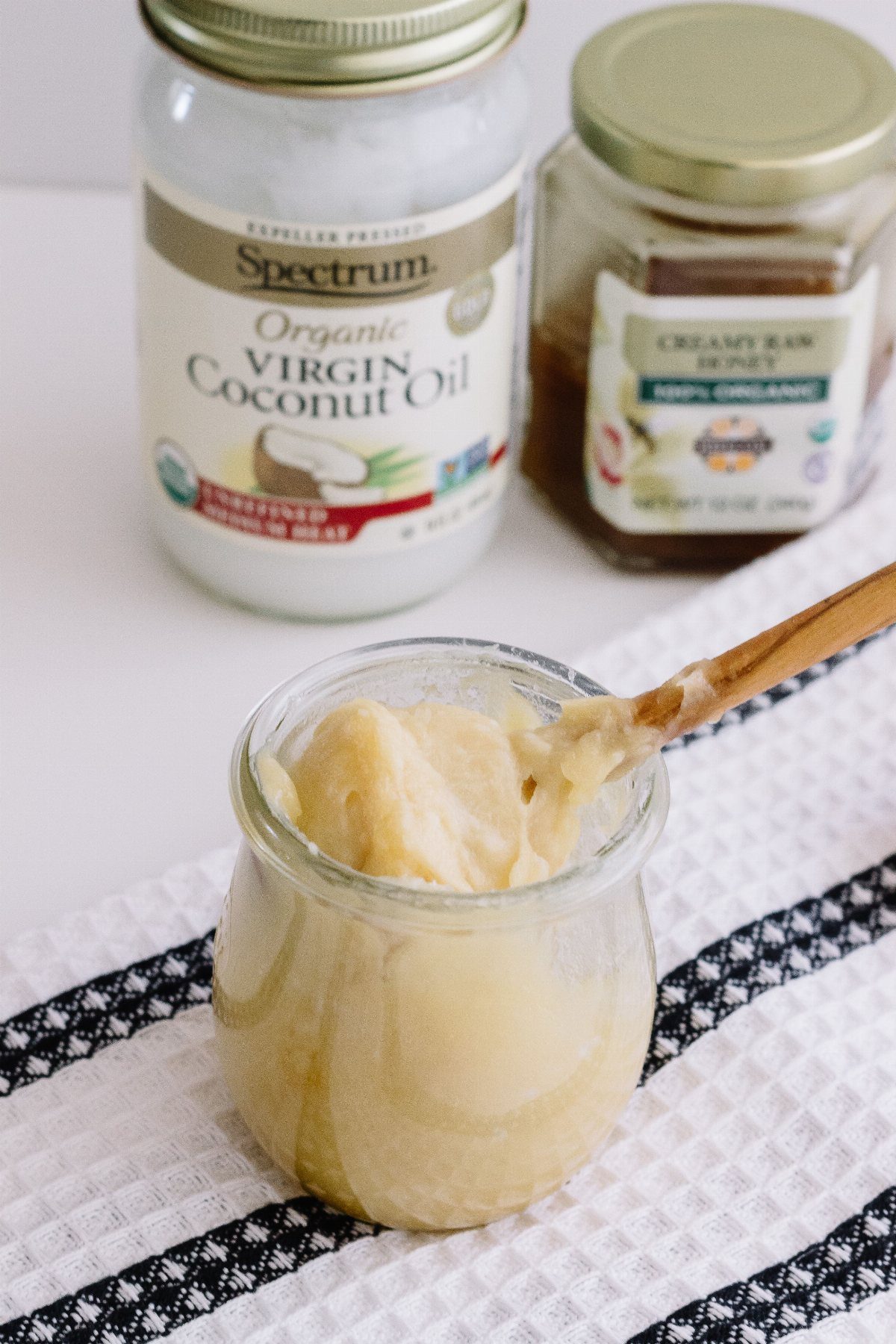
Coconut oil and honey make a simple two-ingredient mask that works well for dry hair. Coconut oil coats each strand and slows moisture loss, while honey draws water in.
Mix equal parts of each until you get a smooth, spreadable paste.
If the coconut oil is solid, warm it gently first. Apply it to damp hair, focusing on the ends, and leave it on for 20 to 30 minutes before rinsing.
The mask washes out more easily if you apply it to hair that is already wet.
2. Banana and Honey Mask
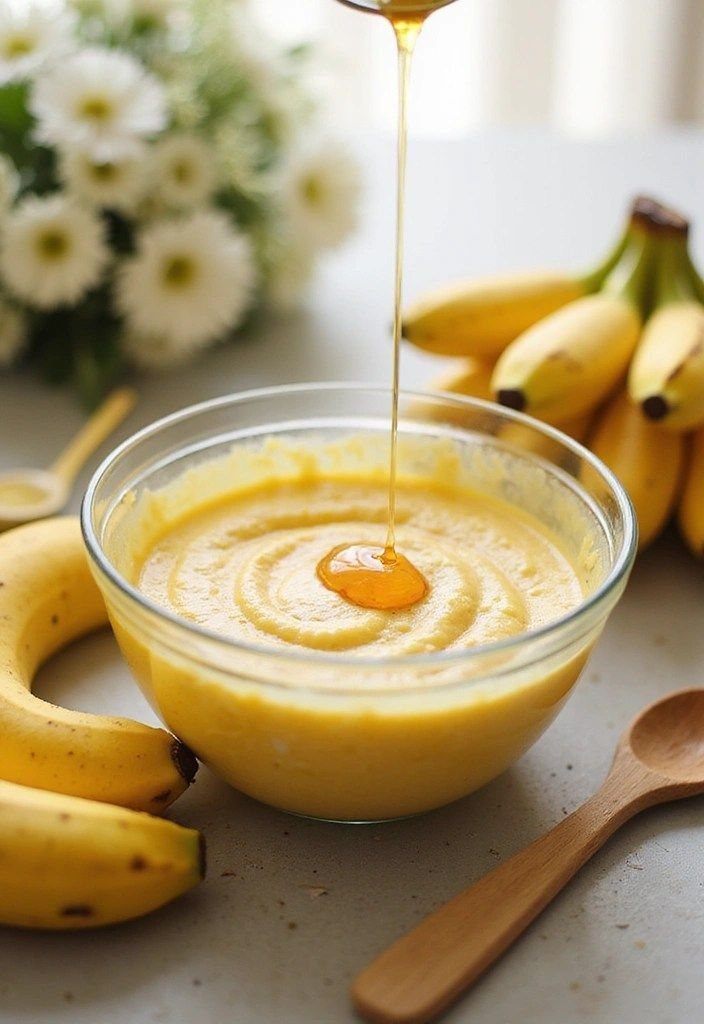
Mashed banana mixed with honey gives you a mask that adds moisture and helps smooth frizz. Banana contains silica, which softens hair, and honey holds water against the strand.
Blend 1 ripe banana until no lumps remain, then stir in 2 tablespoons of honey.
Rinse well with cool water. Any bits of banana left behind will show up as you comb, so take your time at the sink.
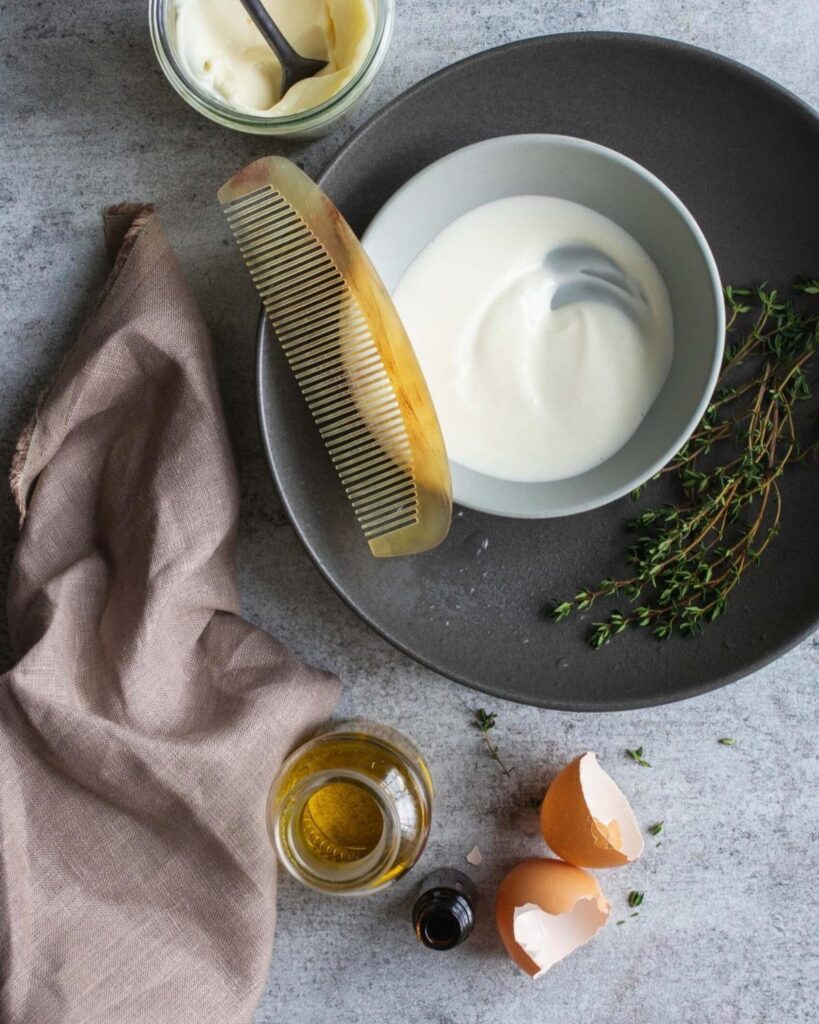
3. Yogurt and Mayonnaise Mask Ingredients
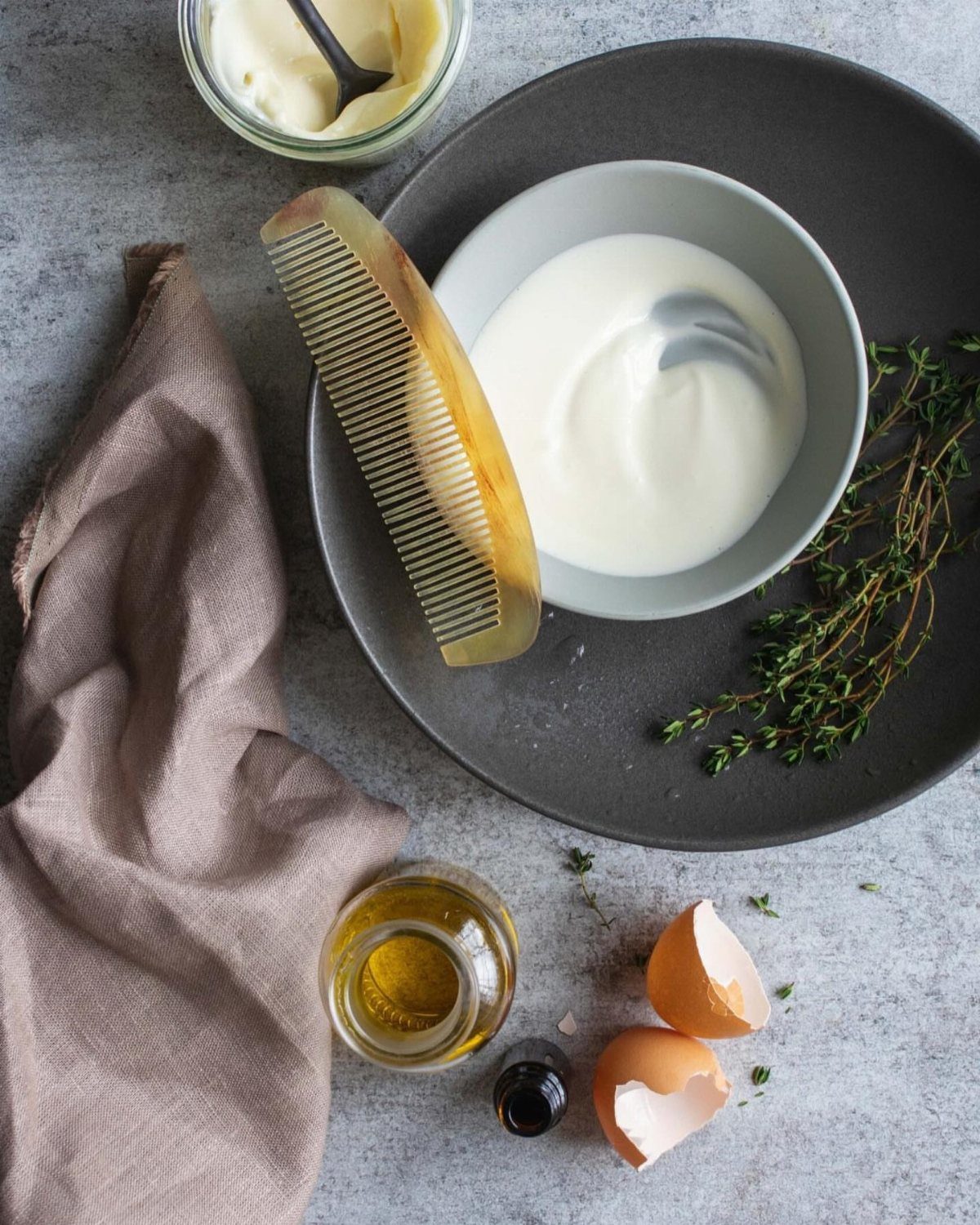
Yogurt and mayonnaise both contain fats that coat the hair, while the egg provides protein.
Mix equal parts yogurt and mayonnaise, add a tablespoon of oil, and work it through damp hair. The comb helps work the mixture through from roots to ends.
This combination suits hair that feels weak or stretchy when wet. If your hair is fine or gets greasy quickly, use less oil.
4. Green Paste Hair Mask
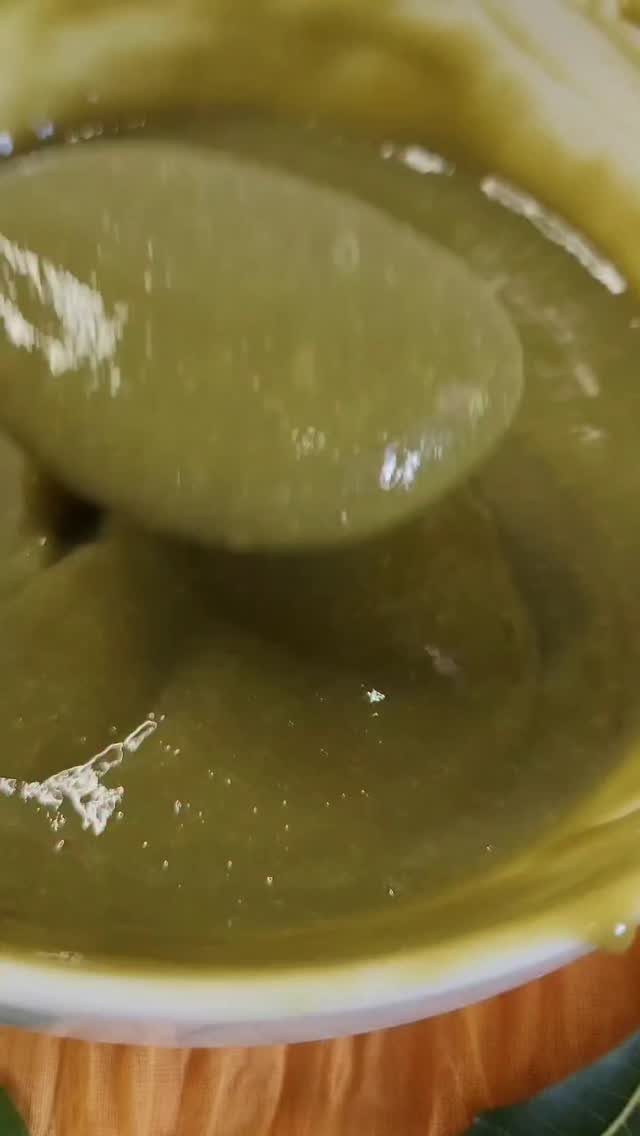
This thick green paste likely contains blended herbs or greens, though the exact recipe varies. Masks made from pureed spinach, avocado, or matcha deliver vitamins and moisture.
Apply the paste to clean, damp hair and leave it on for 30 to 50 minutes. After rinsing, follow with your regular conditioner for 10 minutes before rinsing again.
The green color washes out completely on most hair, but test a strand first if your hair is very light or porous.
5. Egg and Lemon Hair Mask
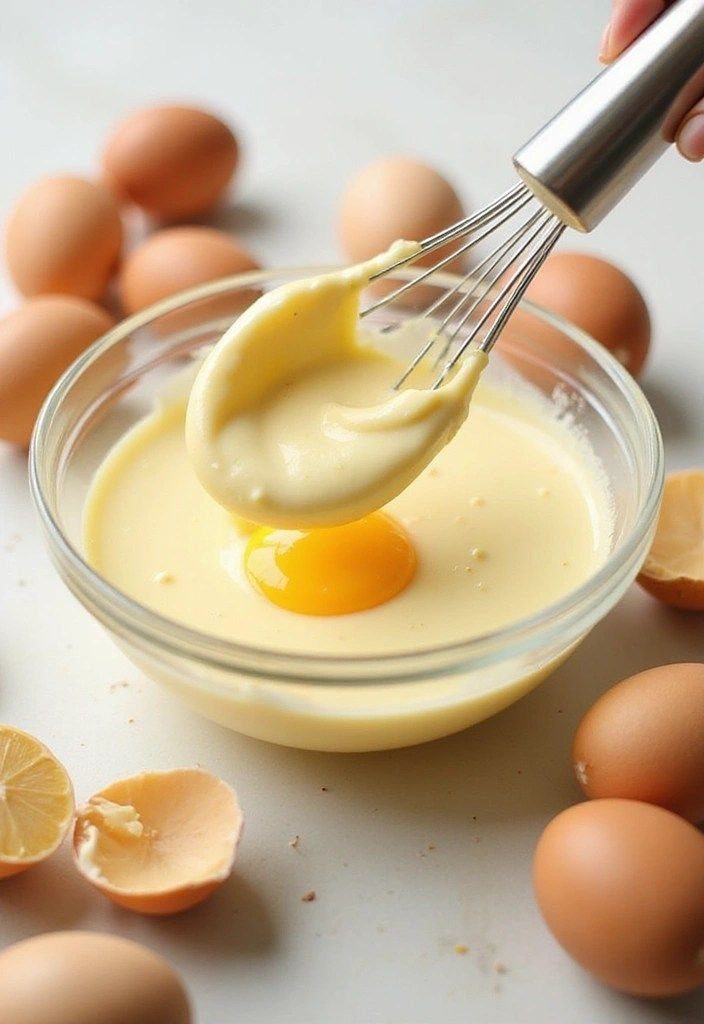
Egg yolk and lemon juice give you a mask that adds protein and cuts through oil. The yolk strengthens each strand, while lemon juice lifts buildup from styling products.
Whisk 1 or 2 egg yolks with the juice of half a lemon until the mixture thickens. Work it through dry hair and rinse with cool water so the egg does not cook.
This works well for oily roots or hair that feels coated after using heavy conditioners.
6. Cinnamon and Honey Hair Mask
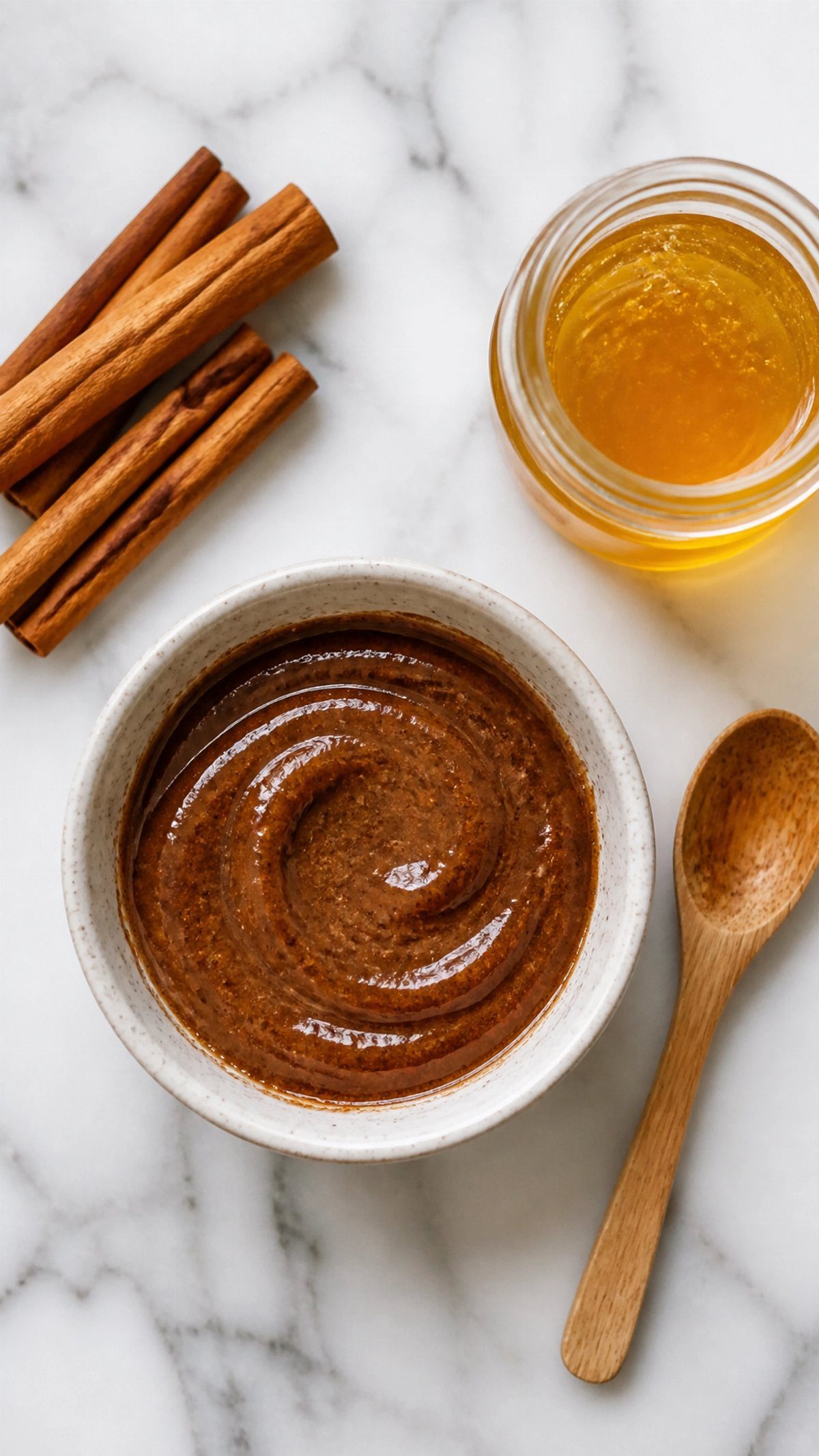
Ground cinnamon mixed with honey creates a warm brown paste that some people use to lighten hair gradually while conditioning it. The honey moisturizes, and it contains glucose oxidase that produces a mild peroxide when activated by sunlight.
Mix 2 tablespoons of honey with cinnamon. Smooth it through damp hair and rinse after 30 minutes to an hour.
The lightening effect is subtle and only shows after repeated use. If you want moisture without color change, skip the cinnamon and use honey alone.
7. Olive Oil, Honey, and Egg Mask
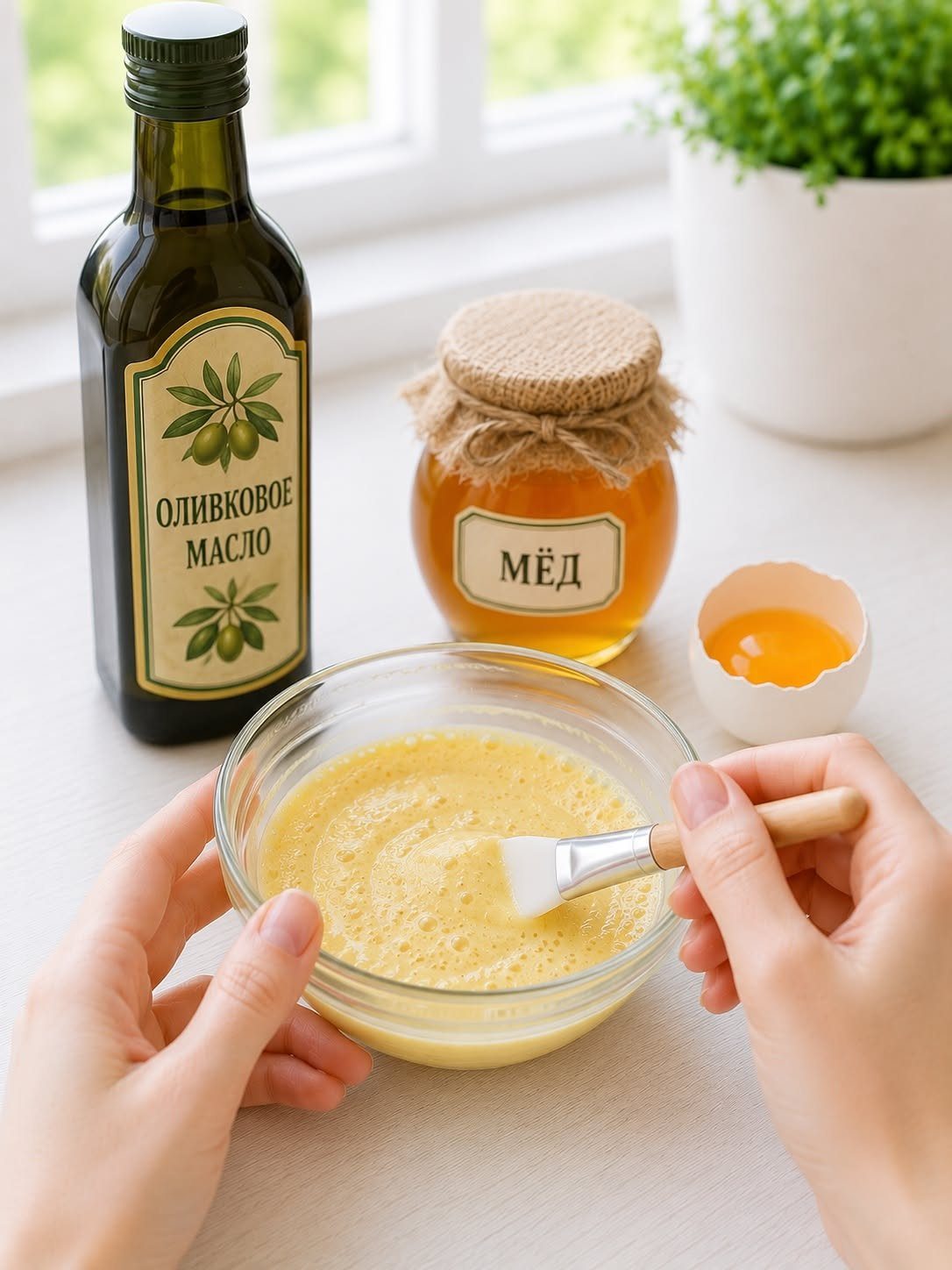
Olive oil, honey, and a whole egg give you a three-ingredient mask that adds both moisture and protein. The oil softens, honey holds water in, and egg strengthens the strand.
Apply the mixture to damp hair and leave it for 20 to 30 minutes.
The olive oil, honey, and egg mask works well when hair feels both dry and fragile.
8. Raw Egg Hair Treatment
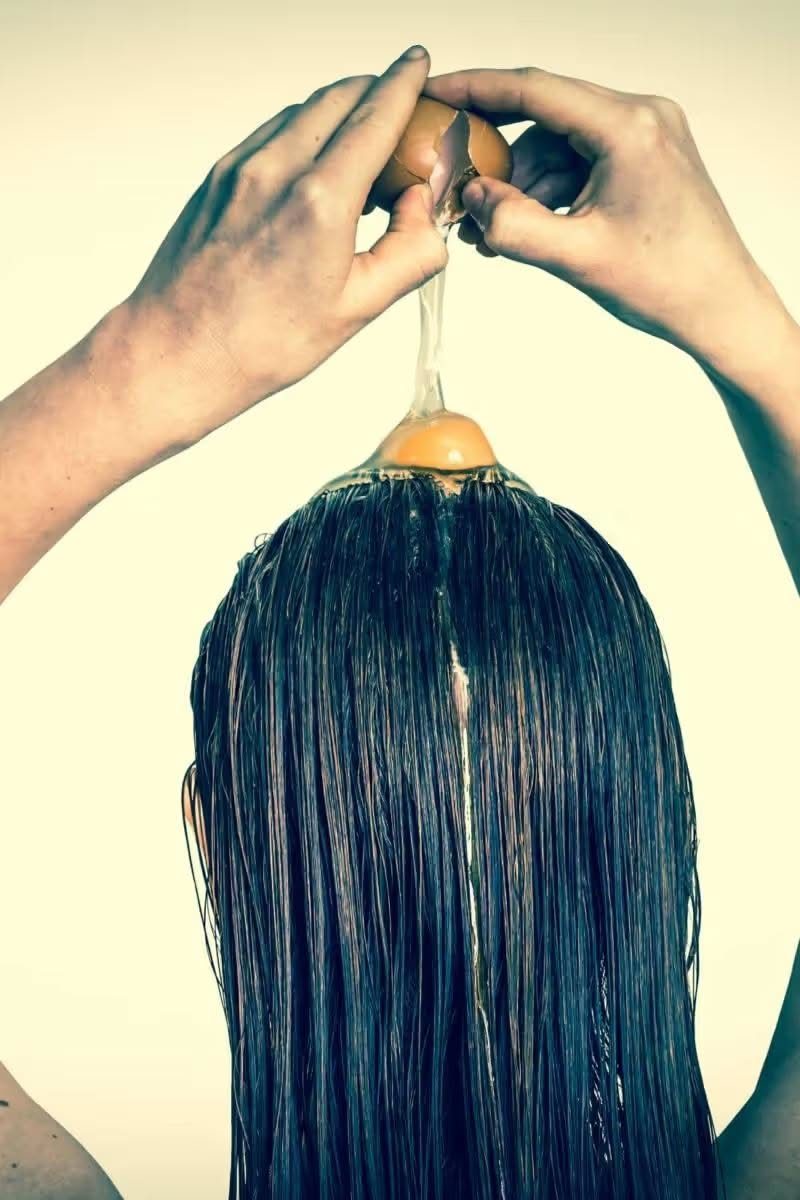
Cracking a raw egg straight onto wet hair gives you the simplest protein treatment. The yolk and white coat each strand and rinse off easily when the hair is already damp.
Crack 1 or 2 eggs over your head, work them through with your fingers, and leave the mixture on for 15 to 20 minutes.
This method skips the bowl but can be messier. If your hair is fine, use only the yolk to avoid weighing it down.
Application and Rinsing
Work in sections so the mask coats every strand. Work it from root to ends with your fingers, making sure each strand gets coated.
Cover your hair with a shower cap once the mask is on. The cap holds in warmth and keeps the mixture from dripping.
Hot water can dry your hair out and makes some ingredients harder to remove.
If any residue clings after rinsing, follow with a mild shampoo. I shampoo first, apply the mask to clean hair, then rinse without shampooing again so more of the treatment stays behind.
Hair masks that contain protein ingredients shouldn’t be used overnight. Protein treatments are great if you’re only using them on your hair for 20 minutes or so, but keeping protein on your hair for several hours can make your hair too heavy.
How Often to Use Masks
Dry or damaged hair benefits from a mask 1 or 2 times a week.
If your hair is oily, masking once every 2 weeks works better. Too much treatment can weigh oily hair down or make it look greasy faster.
Fine hair also does better with less frequent masks, since thick mixtures can coat each strand and flatten volume.
If your hair feels the same after several weeks, ask your stylist or dermatologist what might be missing. They can suggest ingredients or products that match your hair type more closely.
Frequently Asked Questions
What is a home remedy for extremely dry hair?
Coconut oil works well on its own for very dry hair.
Rub a small amount between your hands until it melts, massage it through damp hair, and leave it on for 10 to 30 minutes before rinsing. It seals the cuticle and locks moisture in on its own.
Which is the best hair mask for dry, frizzy hair at home?
Coconut oil and honey together smooth frizz and add moisture.
Combine them in equal amounts and smooth through damp hair for 20 to 30 minutes. Coconut oil coats the strand while honey draws water in, and both ingredients rinse out more easily when your hair is already wet.
What is the best hair mask for bleached hair?
Apple cider vinegar mixed with an equal amount of water balances the pH of bleached hair and smooths the cuticle. Vinegar also lifts buildup from styling products and makes hair less frizzy.
Do DIY hair masks work?
Yes, homemade masks work if you match the ingredients to what your hair needs.
Dry hair benefits from oil and honey, while weak hair responds to egg protein. If your hair feels the same after several weeks, the mask may not match your hair type.
What are the benefits of an overnight hair mask?
Leaving a mask on overnight gives the ingredients more time to coat the strand and add moisture.
The extra hours can make hair shinier and softer by morning. Stick to oil-based masks and skip protein, egg, or vinegar, which can dry hair out or collect bacteria if left on too long.
Can you use DIY hair masks on hair extensions?
Yes, but keep oil-based masks away from the bonds at your roots.
The oil can make the bonds slip. Keep the mask on the lengths and tips, skip the bonds near the scalp, and rinse thoroughly after 20 to 30 minutes.
Should I apply my DIY hair mask from my scalp to my ends?
Full coverage works when your scalp needs attention; otherwise, concentrate on mid-lengths and tips where damage sits.
If your roots get oily quickly, start at the ends and work up. Start at the roots if your scalp feels tight or flaky.