Hair supplements range from single-nutrient biotin bottles under $10 to branded marine blends that cost several times that for a month’s supply.
1. Biotin Supplements
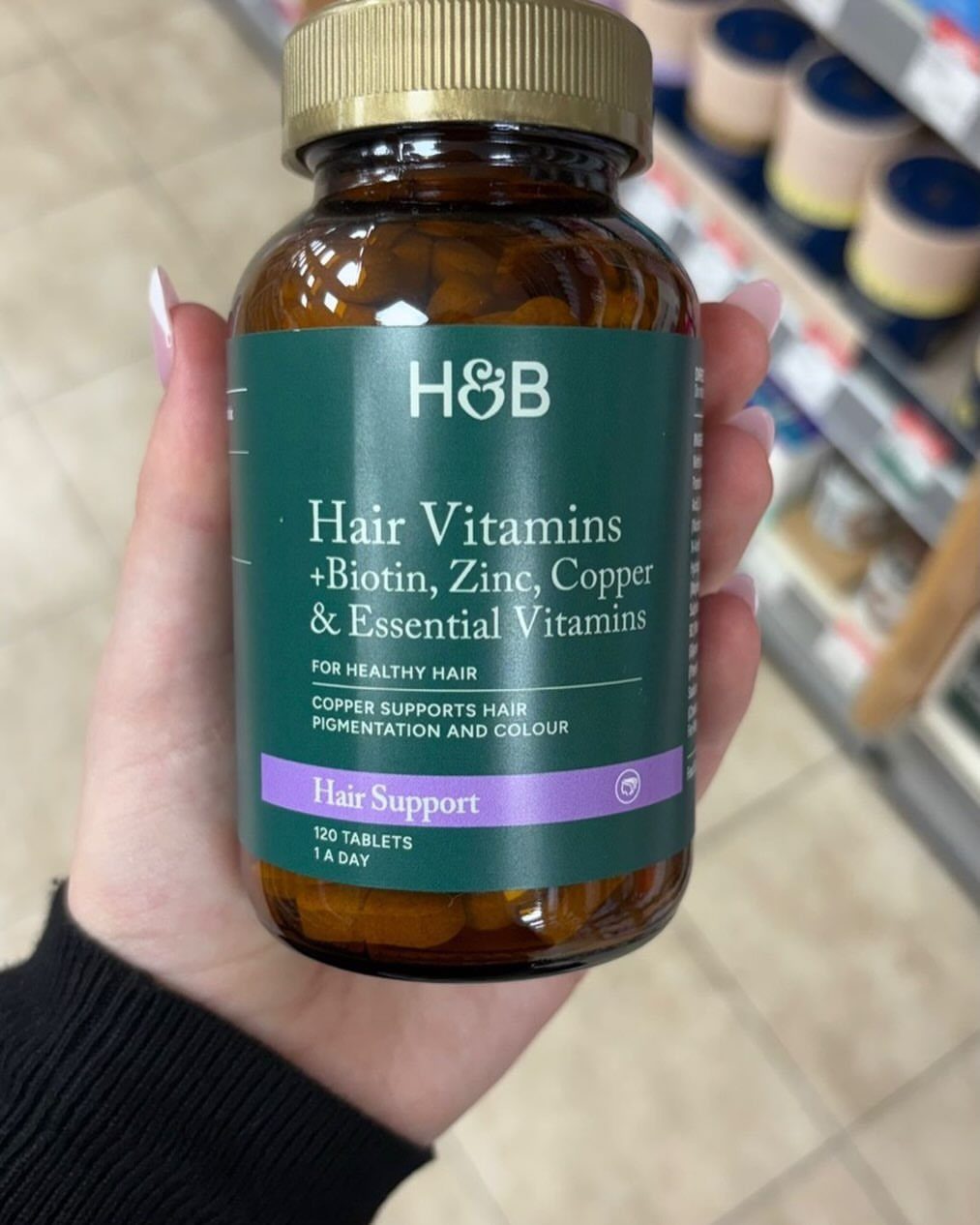
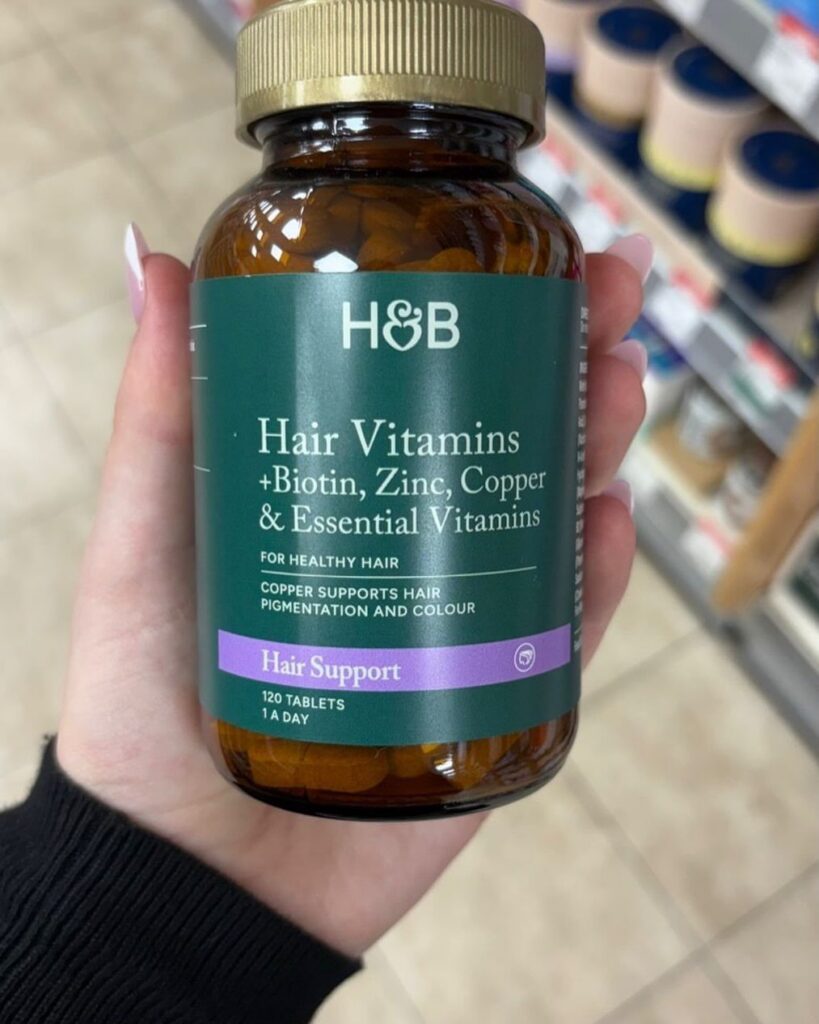
Biotin shows up in standalone supplements and combination formulas aimed at hair health. If your diet runs low on it, a supplement can help cover that gap, though most people get enough from food.
Biotin often comes paired with zinc and copper, 2 minerals that support the scalp and follicles.
I’d check the dosage before buying: some formulas go far above what you actually need, and excess biotin can skew thyroid lab results if you’re getting bloodwork done.
If you’re already eating eggs, nuts and seeds regularly, you may not need extra.
2. Viviscal Tablets
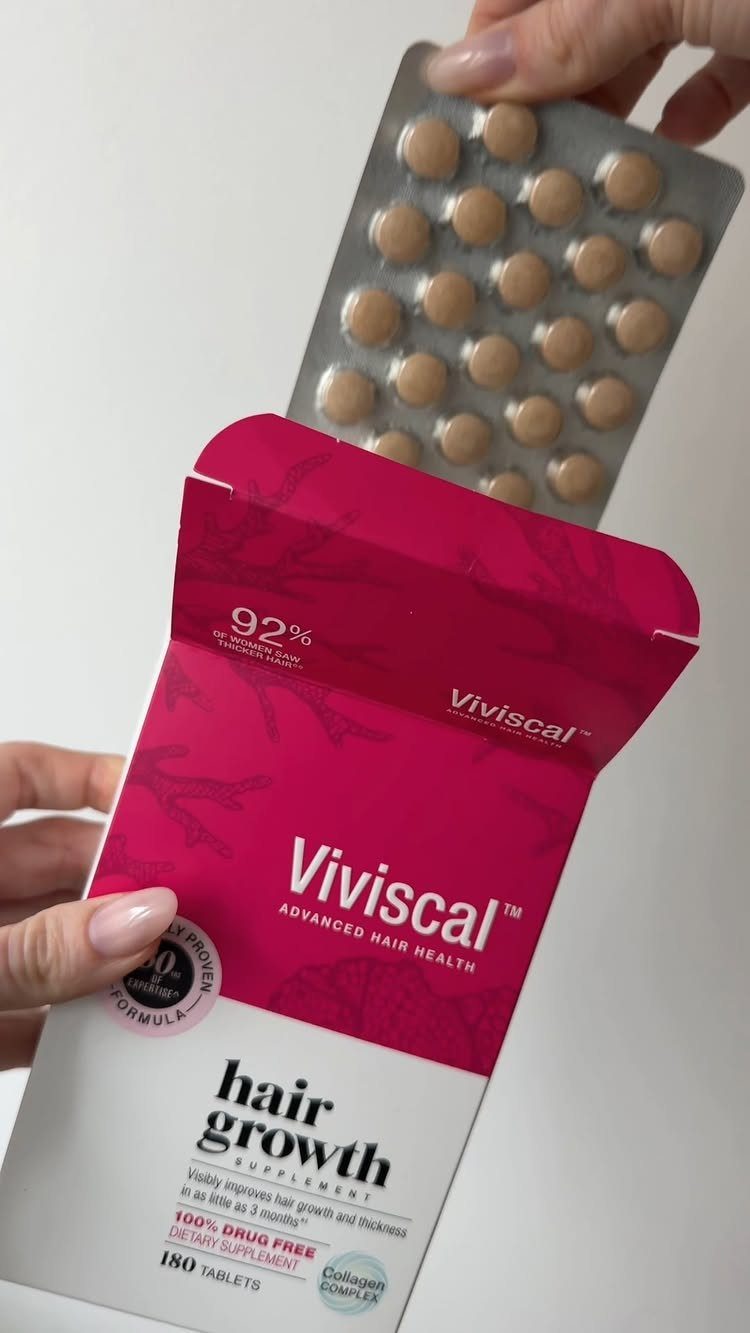
Viviscal is a branded tablet marketed specifically for hair growth. The formula includes a marine protein blend, and the company sells it in boxes that contain a month or several months’ worth.
Each blister pack holds individual doses, which makes it simple to track what you’ve taken. Hair cycles take time to shift, so results show slowly.
Price runs higher than generic biotin or multi-ingredient capsules, so factor that in if you’re planning a long run.
3. Hair Supplement Capsules
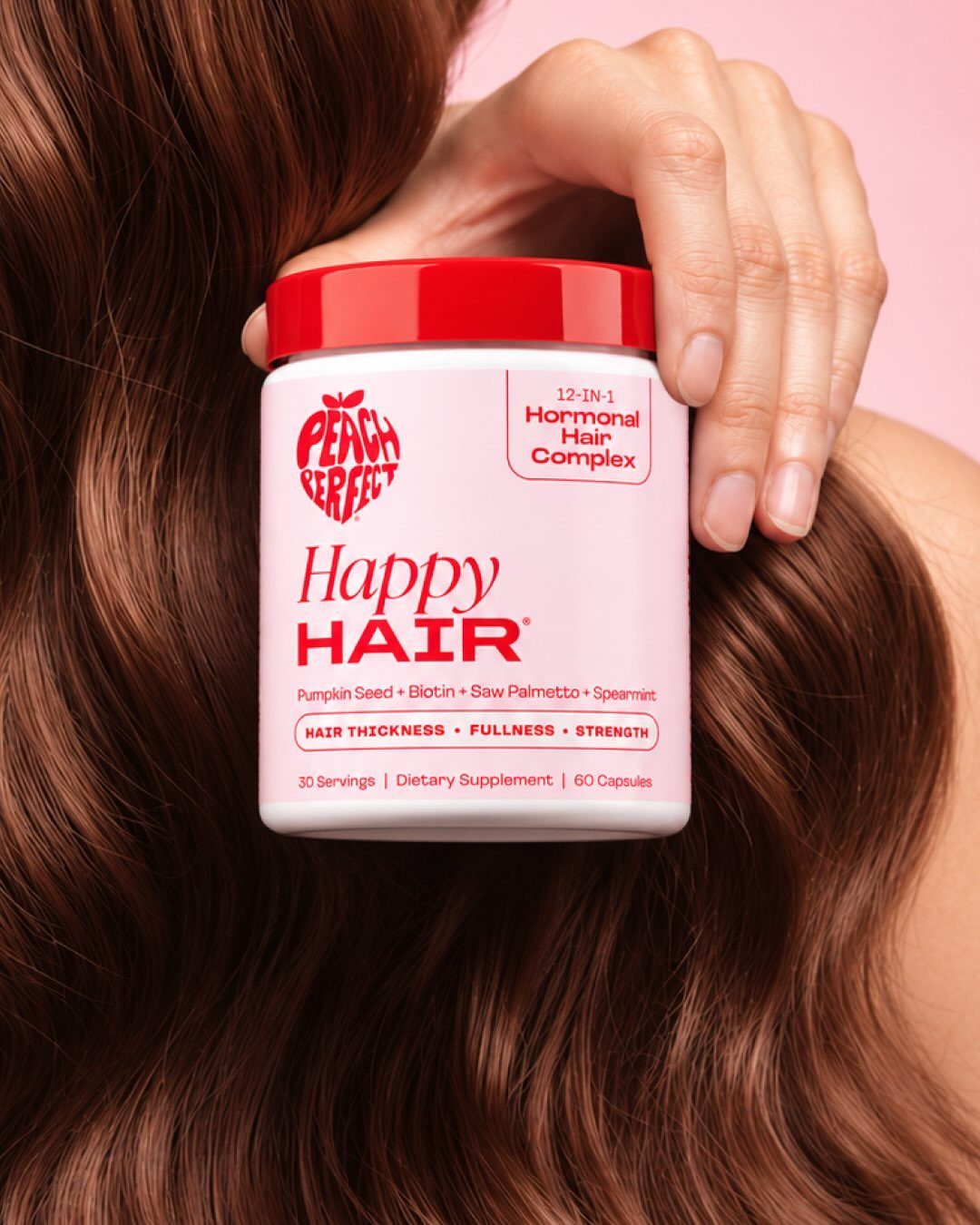
Capsules give you a swallowable format for hair-targeted formulas, often combining vitamins, minerals and botanical extracts in one dose. The bottle here lists a hormonal hair complex, which suggests ingredients aimed at addressing fluctuations that can trigger shedding.
Capsule supplements vary widely in what they include and how much of each ingredient they deliver. I’d read the label for the full list and check the amounts against recommended daily values, especially if you’re already taking a multivitamin.
Some need to be taken with food to absorb properly, so look for instructions on the bottle.
4. Hair Gummies
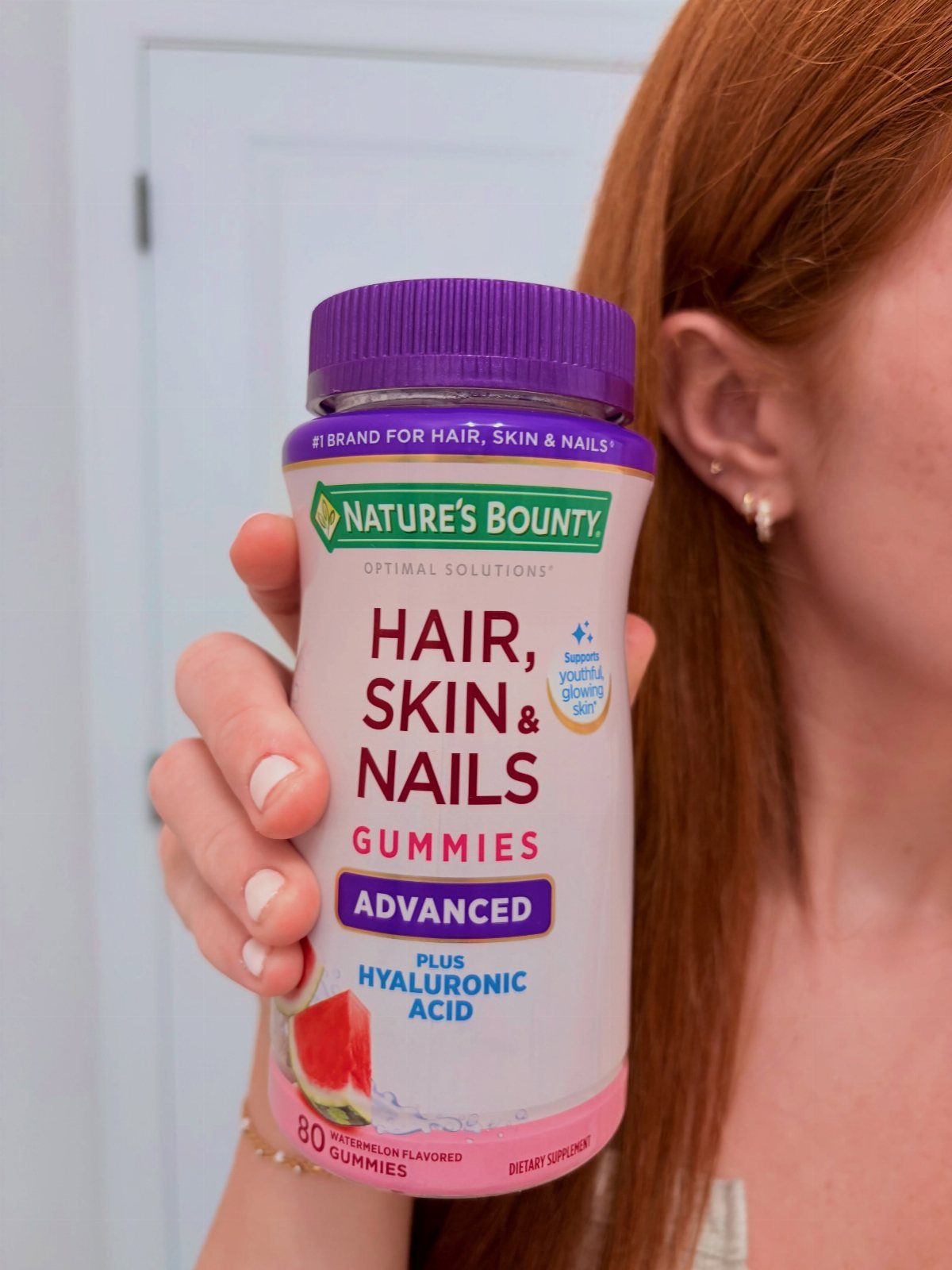
Gummies make taking a hair supplement feel less like a chore, especially if you dislike swallowing pills. Some formulas add hyaluronic acid to biotin and collagen, targeting skin and nails alongside hair.
Texture and flavor matter more here than with capsules, and most brands use a fruit flavor with a chewy consistency.
I find them convenient for travel and easier to remember when they sit on the counter instead of in a medicine cabinet.
Sugar content varies, so check the label if you’re watching intake. Some formulas use sugar alcohols instead, which can cause stomach upset in larger amounts.
5. Collagen
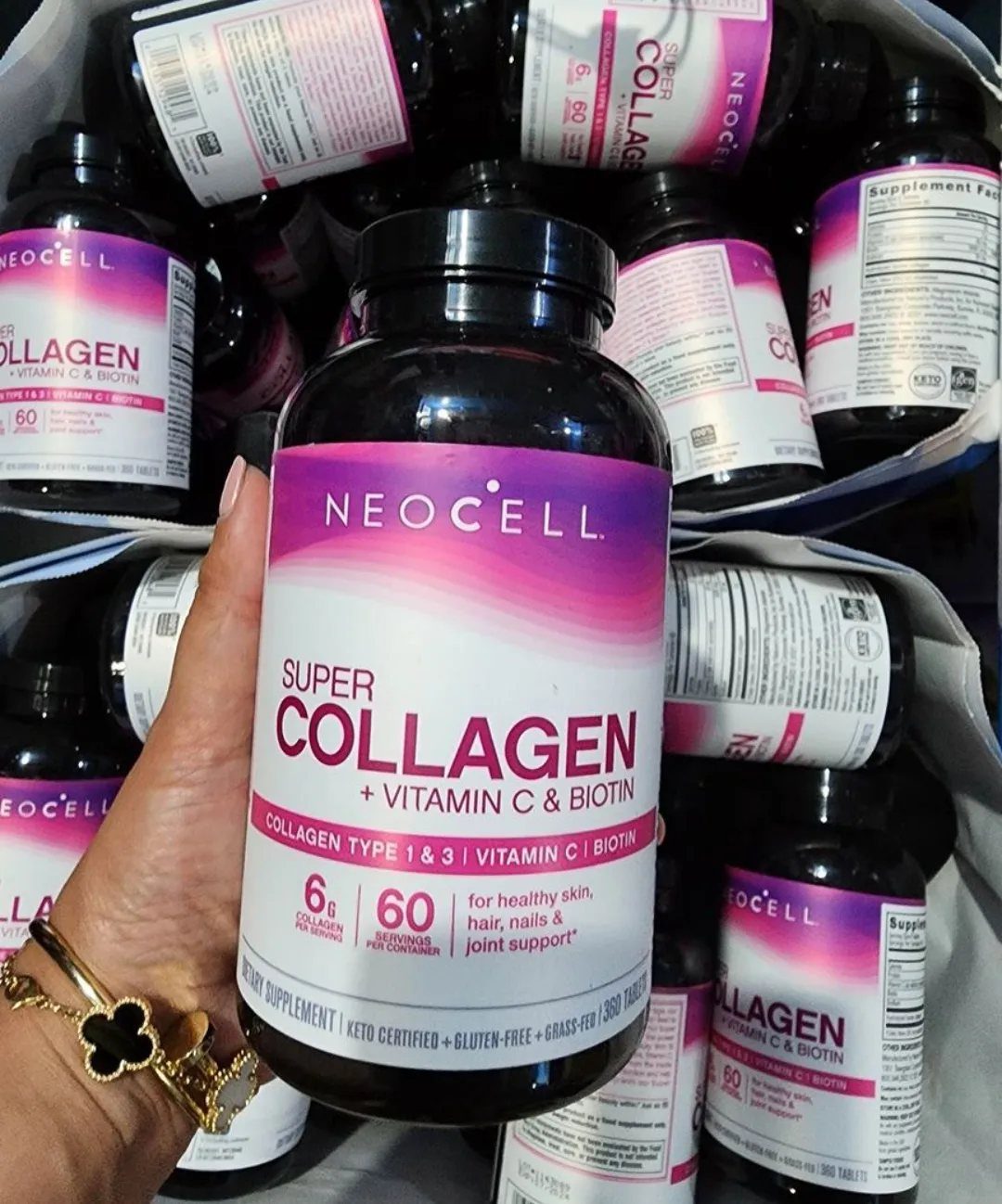
Collagen supplements deliver a protein that makes up part of the connective tissue around follicles. This bottle includes vitamin C and biotin, which work alongside collagen to support absorption and synthesis.
Collagen comes in powder, capsule and tablet forms. Pills simplify dosing, though some people prefer powder stirred into coffee or smoothies for a higher dose per serving.
Results, if they show up, take several months of consistent use, since hair grows slowly and the oldest strands on your head won’t reflect any recent change.
I’d pair it with adequate protein intake overall, since collagen alone won’t compensate for a low-protein diet.
Check Causes and Nutrient Levels
If your hair feels thinner or grows more slowly than it used to, the cause may sit outside the bottle.
Hormonal shifts, low iron or zinc, thyroid conditions, restrictive diets and even certain weight loss plans can all show up as weaker strands or increased shedding.
Bloodwork catches deficiencies that guesswork misses. A healthcare professional can check levels for iron, B vitamins, vitamin D and other nutrients tied to hair health before you start taking anything.
Protein matters too, since it forms the structure of each strand. Diets very low in calories or fat, or those that cut out entire food groups, have been linked to hair loss and brittle texture.
If you suspect something medical is driving the change, see a dermatologist. Supplements help most when a true deficiency exists, and you need to know what you’re actually low on.
Evidence and Supplement Expectations
Clinical evidence for hair supplements remains limited. Studies show they work best in people with a proven nutrient deficiency, not as a blanket fix for anyone hoping for faster growth.
A 2016 study measured biotin levels in women losing hair: 38% tested low, the rest traced back to something else.
Another study linked low iron to shedding in women, though iron supplements in high doses require a prescription in most countries because of side effect risk.
Biotin and vitamin C deficiencies are rare, and taking them when your levels are already adequate won’t change how your hair looks or grows. Some supplements may worsen shedding or cause toxicity if taken at high doses without guidance.
Small product studies and social media hype don’t replace individualized advice. Outcomes vary, and a tablet that helps one person may do nothing for another.
In double-blind, placebo-controlled human studies, participants experienced a 46% reduction in hair loss, a 93% reduction in hair breakage, a 59% improvement in gloss and shine, and a 16 times greater improvement in hair strength.
Consistency and Treatment Timing
Clinical studies often report changes after 3 to 6 months, though one product test showed effects at 6 to 8 weeks.
Daily use matters.
Hair grows in phases, and missing doses interrupts the pattern you’re trying to shift. If the bottle says take it daily, follow that.
Look for decreased shedding first. That’s often the earliest sign that a formula is working, before you notice any change in length or thickness.
Stopping some products may let results fade, since new growth only reflects what you’re doing now. Older strands won’t change, so consistent use over several months gives you the clearest picture of whether a tablet is helping.
Frequently Asked Questions
Which pills help with hair growth?
Specialty formulas with clinical studies behind them work better than generic multivitamins, and so do supplements that fill a gap your diet leaves.
Biotin, collagen, and marine protein blends like Viviscal show up most often in targeted formulas. If bloodwork shows you’re low on a specific nutrient, a supplement that addresses that deficiency will give you the clearest results.
What are hair vitamins?
Hair vitamins are supplements sold for hair health, usually combining biotin, vitamins C and E, collagen, folic acid, and sometimes omega-3s or botanical extracts.
Most products share similar ingredient lists, though the amounts and quality vary from one bottle to another.
Which nutrients aid hair health?
Protein forms the structure of each strand, so it matters most. B vitamins, vitamins A, C, and D, plus iron, selenium, and zinc all support the scalp and follicles.
Deficiencies in iron, B vitamins, and vitamin D have been tied to shedding and weak hair, while very low-calorie or low-fat diets can trigger thinning.
What causes thinning hair in women?
Hormonal shifts, low iron or zinc, thyroid conditions, restrictive diets, and even certain weight loss plans can all show up as weaker strands or increased shedding.
Pregnancy, childbirth, and menopause change hormone levels enough to trigger hair loss. Stress and genetics play a role too, and some women produce too much DHT, an androgen that shrinks follicles.