Low porosity hair needs shampoo that cleanses without adding its own layer, because the tightly closed cuticles that protect the strand also trap product on the surface.
Buildup arrives fast enough that clarifying weekly or bi-weekly keeps hair from looking dull or feeling heavy, and lightweight formulas between those resets prevent residue from stacking back up.
1. Cleansing and Buildup Removal
Low-porosity hair lets products sit on the surface instead of sinking in, and that habit means buildup comes fast.
Clarifying shampoo strips away the layer that makes hair look dull or feel heavy, resetting the strand so the next round of conditioner has a chance.
How often depends on how much you layer on: weekly or bi-weekly works if you use leave-ins and styling cream most days, while once every four to six weeks keeps dryness at bay for lighter routines.
I clarify every week or two and notice the difference the same washday. Curlsmith Curl Reset Detox Shampoo runs $28.00 and clears buildup without leaving hair stripped.
Sulfate-based formulas cut through stubborn residue better than gentler options, so save the moisture-focused shampoo for the rest of the month and treat clarifying as the reset it is.
2. Weight and Residue
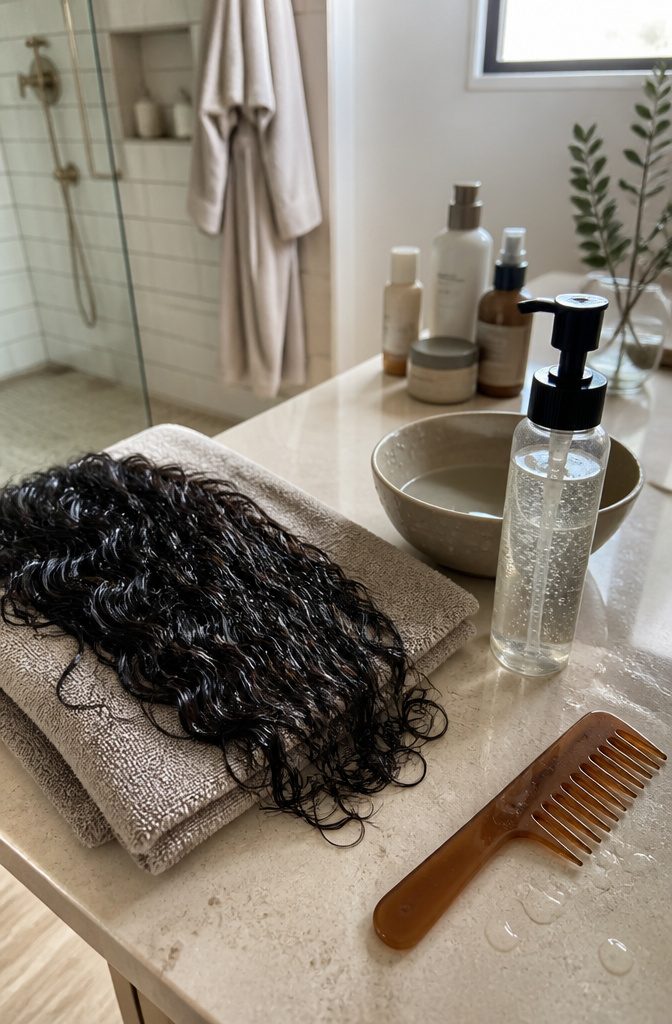
Low-porosity hair’s tightly closed cuticles create a surface that products love to sit on rather than sink into.
That flat, compact structure is great for locking moisture in once it arrives, but it also means shampoos, conditioners and styling products can stack up on the outside, leaving hair looking dull, feeling greasy or simply heavy.
A shampoo formula should cleanse thoroughly without leaving its own coating behind.
Lightweight formulas win here. Heavy oils like coconut, castor and shea butter often sit on the surface instead of penetrating, and silicones can form a barrier that blocks moisture from reaching the hair shaft at all.
I look for water-based or gel-texture shampoos that rinse clean and leave nothing behind.
The formulas that work tend to feel thin in the hand but still lather well, and they leave hair that moves easily rather than weighing down by midday.
3. Hydration
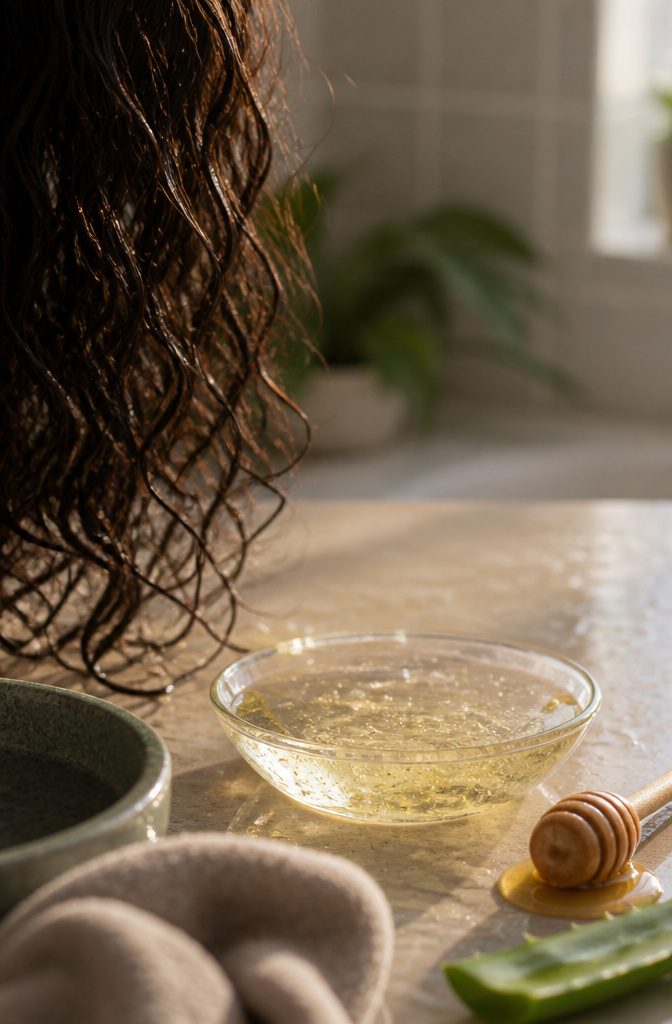
Low-porosity hair still needs water, just delivered without weight. Look for formulas labeled hydrating or containing humectants — ingredients that pull moisture from the air into the strand rather than sitting on top.
Glycerin, honey, and aloe vera show up most often in the ingredient lists sources point to. They attract water without adding bulk.
Mielle Organics Pomegranate & Honey Moisturizing and Detangling Shampoo (12 oz.) uses honey and babassu oil to hydrate from the inside out, and reviews say it provides enough slip to detangle while you wash.
Pantene Miracle Moisture Boost Rose Water Sulfate Free Shampoo is another option that hydrates without leaving residue behind. Both clean gently enough that you get moisture in without triggering the buildup low-porosity hair collects so easily.
4. Protein Content
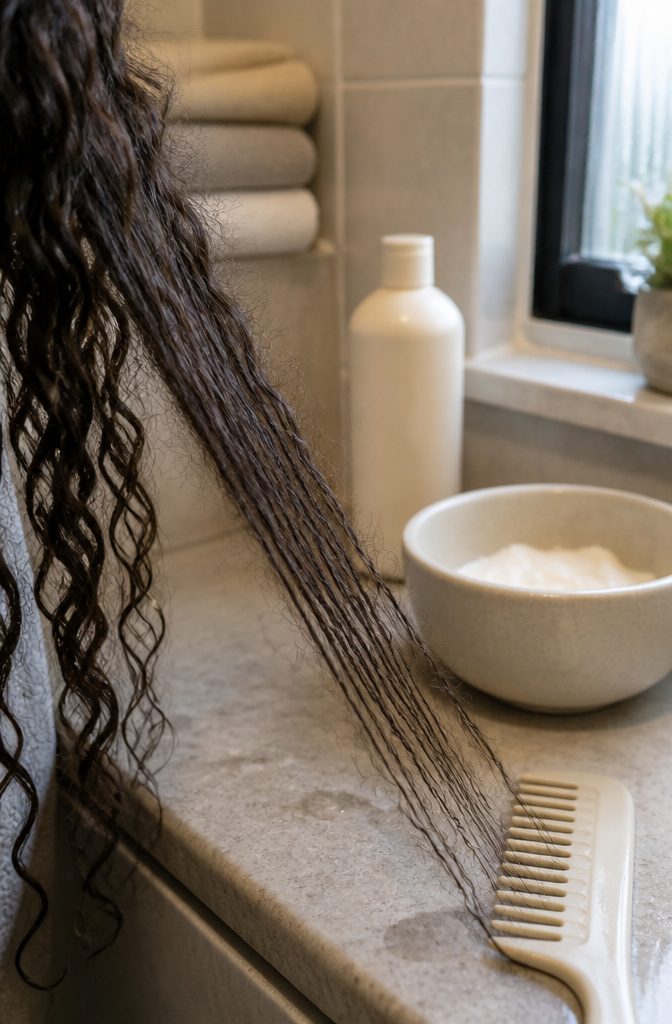
Some low porosity hair gets stiff or brittle after repeated exposure to protein. The cuticles sit so tightly that protein builds up on the surface instead of absorbing, and the strand feels coated rather than strengthened.
If you notice your hair snapping more easily or turning wiry after a few washes, protein sensitivity is the likely cause.
People with low porosity hair can be protein-sensitive. This means that too much protein would result in buildup, moisture retention issues, and ultimately weigh down your hair.
That buildup blocks moisture from getting in, so the problem compounds itself. Ela De Pure recommends balanced or protein-free formulas for this reason, and Curlsmith suggests using just one protein product at a time if you use any at all.
I look for shampoos that list glycerin, aloe vera, or honey before any hydrolyzed protein, and I watch how my own hair behaves over a few washes.
If it starts feeling harder to soften even with conditioner, I switch to a protein-free option until the texture comes back.
5. Harshness and Ingredients
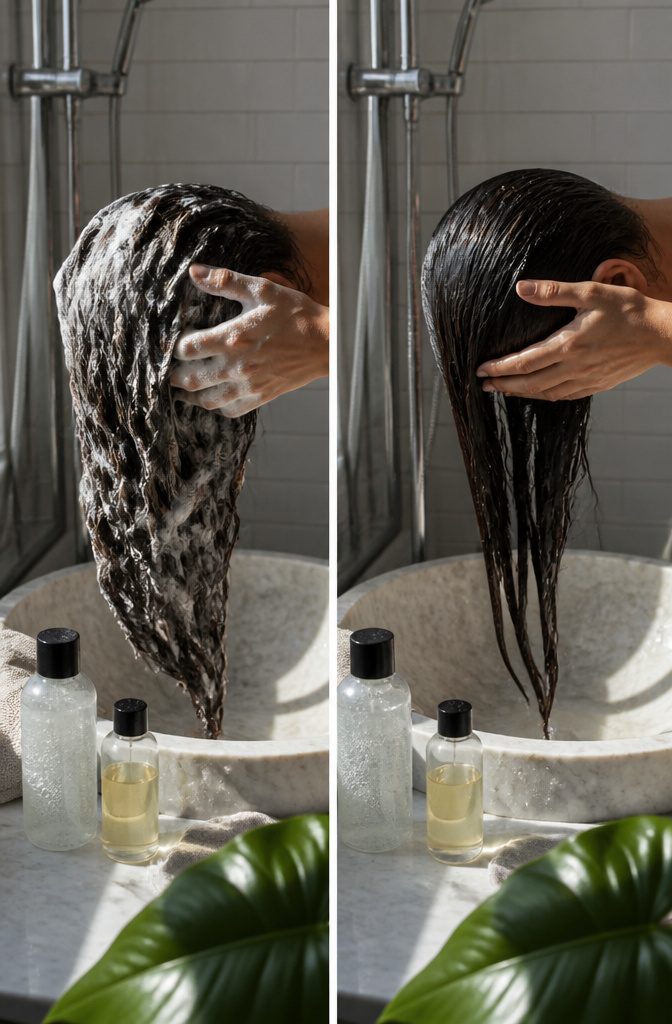
Sulfate shampoos divide opinion. Some sources call for sulfate-based clarifying formulas to cut through stubborn buildup, while others recommend sulfate-free options that cleanse gently without stripping.
The right answer depends on how often you clarify and how dry your hair runs. If you use styling products daily and your hair tolerates stronger cleansing, a sulfate formula once a week removes what lighter shampoos leave behind.
If your hair dries out easily or you clarify every few days, a sulfate-free clarifying shampoo does the job without overdoing it.
Heavy oils, butters and silicones cause trouble across the board. Coconut oil, shea butter and castor oil in shampoo formulas often sit on the surface instead of penetrating.
Silicones add shine but coat the hair and block moisture from getting in. I steer clear of formulas that list these high on the ingredient panel, especially in a shampoo I plan to use regularly.
6. Named Shampoo Examples
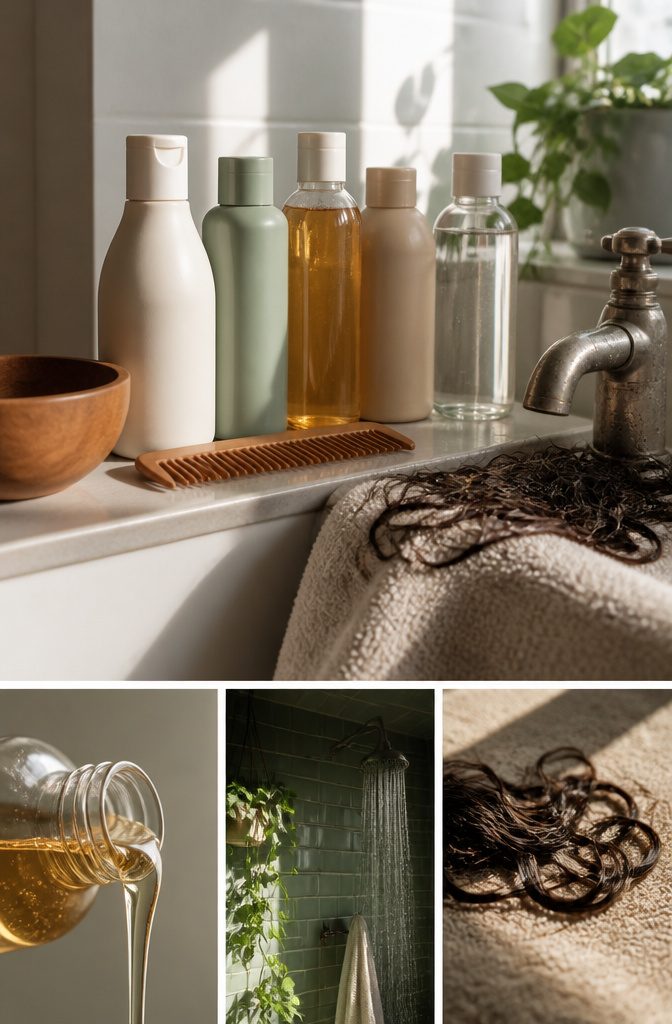
Here are the shampoos that come up most often for low-porosity hair, split between daily hydrators and clarifying options:
- Mielle Organics Pomegranate & Honey Moisturizing and Detangling Shampoo (12 oz., honey and babassu oil) – a lightweight option built for type 4 curls but works across textures, and one pump per section gives enough slip to detangle while shampooing.
- Pantene Miracle Moisture Boost Rose Water Sulfate Free Shampoo – hydrates without leaving residue behind, which matters when buildup shows up fast.
- Curlsmith Curl Reset Detox Shampoo ($28.00, cruelty-free, vegan, free from parabens, silicones, and sulfates) – a clarifying formula that pulls out the product film and hard water deposits that low-porosity strands hold onto.
- Ela De Pure Low Porosity Hair Shampoo – formulated specifically for this hair type.
- Shea Moisture Shampoo and Conditioner Set – another hydrating pairing that gets mentioned regularly.
The Curlsmith and similar clarifiers are for regular reset washes, while the Mielle and Pantene options handle the gentler, more frequent cleansing days.
Low-Porosity Traits and Product Buildup
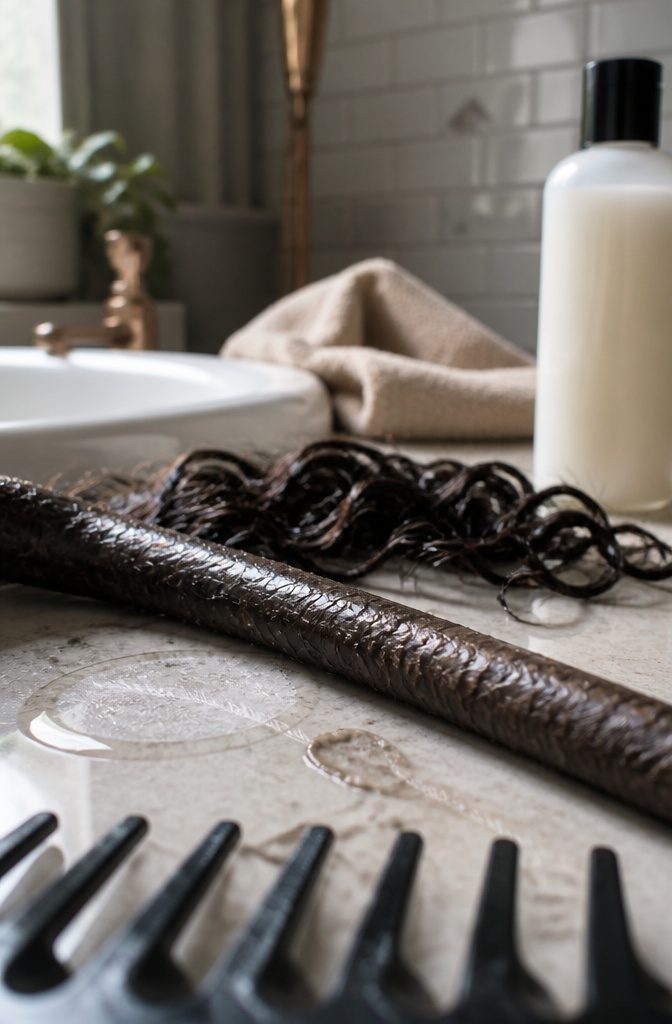
Low porosity hair sits at one end of a spectrum that includes medium and high porosity.
The cuticles lie flat and tightly closed, making it harder for water, oils and treatments to reach the strand. That structure protects hair from environmental damage, but it also means moisture and product absorption happen slowly or not at all.
You can spot low porosity hair by watching how it behaves. Water beads up on the surface instead of soaking in.
Hair takes a long time to air-dry. Products sit on top of the strand rather than disappearing into it, leaving behind residue, dullness or a weighed-down feeling.
That buildup is the main problem. Heavy oils, butters and protein-rich formulas accumulate on the cuticle instead of penetrating it, which makes the hair look duller and blocks whatever moisture tries to get in next.
Lightweight formulas and regular cleansing keep the surface clear so hydration has a chance.
A clarifying shampoo pulls off the layer of product and oil that sits there, and a gentle daily or twice-weekly shampoo prevents it from building back up between washes.
How to Identify Porosity
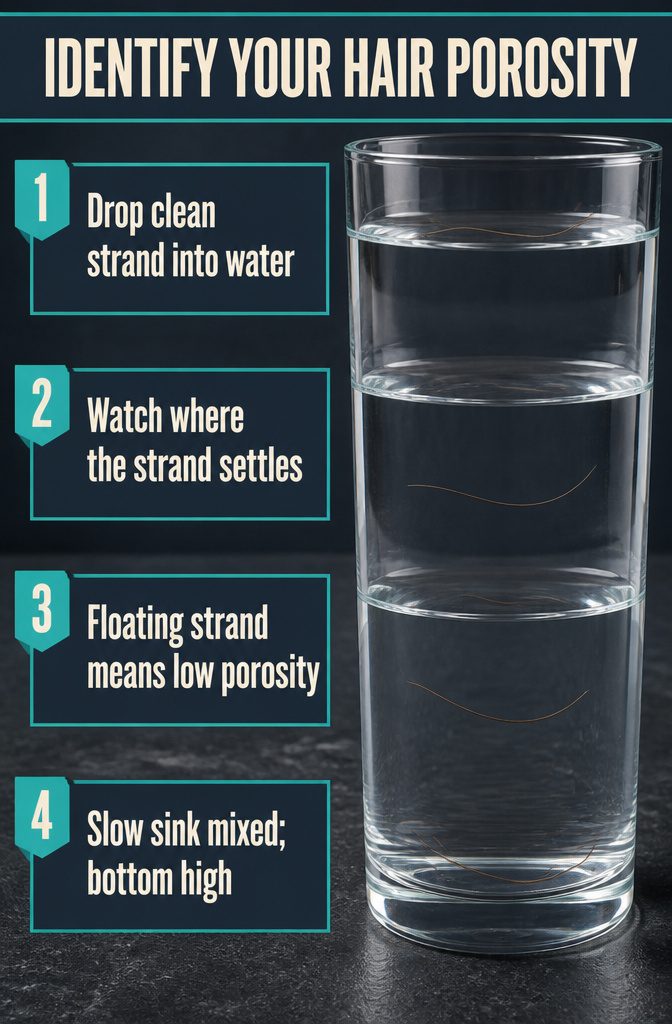
The quickest way to check is the strand-in-water test: drop a clean, product-free strand into a glass of room-temperature water and watch where it settles.
A strand that floats on the surface has low porosity, because the tightly closed cuticles resist letting water in.
If it floats at first and then slowly starts to sink, you likely have mixed porosity. A strand that drops straight to the bottom signals high porosity.
If you skip the test or want confirmation, a few common signs give it away. Your hair takes longer to get fully saturated in the shower, but dries faster once you step out.
Products seem to sit on the surface instead of sinking in, which leads to buildup that weighs hair down or makes it look dull.
Water can bead up on your strands rather than soaking through right away. Those behaviors all point back to the same structure: cuticles lying flat and tight, keeping moisture and treatments from getting inside the strand easily.
Washing Technique and Temperature
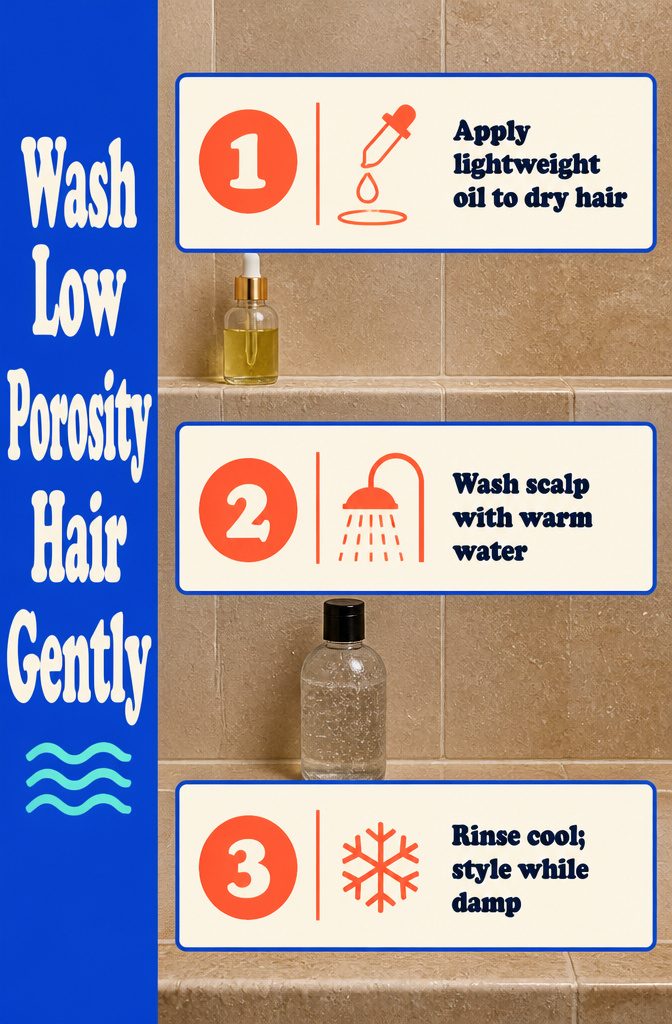
- Apply a lightweight oil to dry hair before you shampoo. Argan, jojoba, or grapeseed oil work better than castor or olive, which sit on the surface. This pre-poo step keeps the shampoo from stripping too much while still letting it clean.
- Wash with warm water first. The heat helps the cuticle open slightly, so moisture and product can actually get in. Massage the shampoo into your scalp to lift any buildup.
- Rinse with cool water at the end. This seals the cuticle back down. Apply conditioner or any styling products while your hair is still damp or wet, when the cuticle is most receptive.
Heat and Deep Conditioning
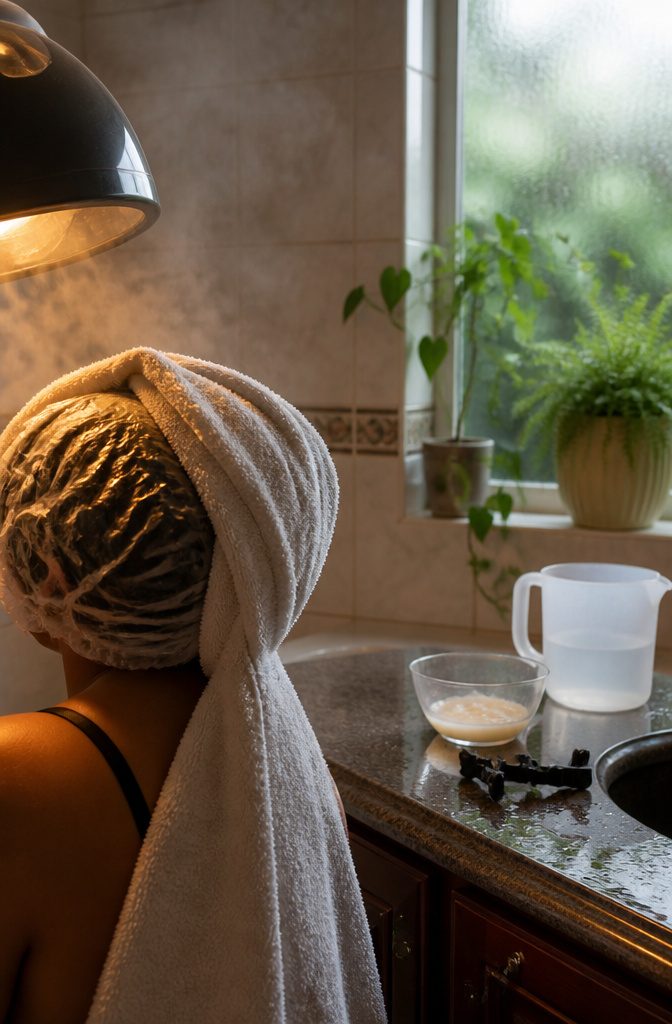
Deep conditioning makes a real difference for low porosity hair, but only when heat comes into play.
The warmth lifts the cuticle just enough to let product in. Apply a lightweight deep conditioner once or twice a week for 15–30 minutes under a hooded dryer, steamer, or warm towel.
A plastic shower cap holds the heat close, and some people leave it on overnight for what’s called the greenhouse technique.
Steam sessions work well too, for 10–20 minutes once or twice a week, though Davines cautions against going past 30 minutes total.
Mielle Babassu Oil and Mint Deep Conditioner is one option designed for this type.
Once the treatment is done, rinse with lukewarm water rather than cold. You’re not bombarding hair with heavy product, just giving lighter formulas the warmth they need to actually penetrate.
Frequently Asked Questions
How do I find out if I have low porosity hair?
Drop a clean strand into a glass of room-temperature water and see where it settles. If it floats on the surface, you have low porosity hair because the tightly closed cuticles resist letting water in.
You can also watch for other signs: hair that takes longer to get fully saturated in the shower, products that sit on the surface instead of sinking in, and water that beads up on your strands rather than soaking through right away.
What causes low porosity hair?
It’s usually genetic. Chemical treatments and frequent heat styling can also affect your hair’s porosity by causing damage that creates gaps and tears in the cuticles, which changes how porous they are.
How often should I wash low porosity hair?
Most people can go 1 to 2 weeks between washes since the hair doesn’t get oily quickly. If you use styling products daily, you may need to wash more often to prevent buildup from stacking up on the surface.
Can I use clarifying shampoo on low porosity hair?
Yes, but how often depends on how much product you layer on. Weekly or bi-weekly works if you use leave-ins and styling cream most days, while once every 4 to 6 weeks keeps dryness at bay for lighter routines.
Is protein shampoo good for low porosity hair?
Not always. Some low porosity hair gets stiff or brittle after repeated exposure to protein because the cuticles sit so tightly that protein builds up on the surface instead of absorbing.
Look for balanced or protein-free formulas if your hair snaps more easily or turns wiry after a few washes.
Should I deep condition after shampooing?
Yes, but only with heat. Apply a lightweight deep conditioner once or twice a week for 15 to 30 minutes under a hooded dryer, steamer, or warm towel.
The warmth lifts the cuticle just enough to let product in, which makes a real difference for low porosity hair.
What is the best shampoo for beginners with low porosity hair?
A lightweight, hydrating formula that cleanses thoroughly without leaving residue behind.
Mielle Organics Pomegranate & Honey Moisturizing and Detangling Shampoo or Pantene Miracle Moisture Boost Rose Water Sulfate Free Shampoo both hydrate without adding bulk, and they handle gentle, frequent cleansing days well.
Can low porosity hair change over time?
Yes, porosity can change due to chemical processing, heat damage, or environmental factors. Regular testing helps you adjust your routine as your hair’s structure shifts.