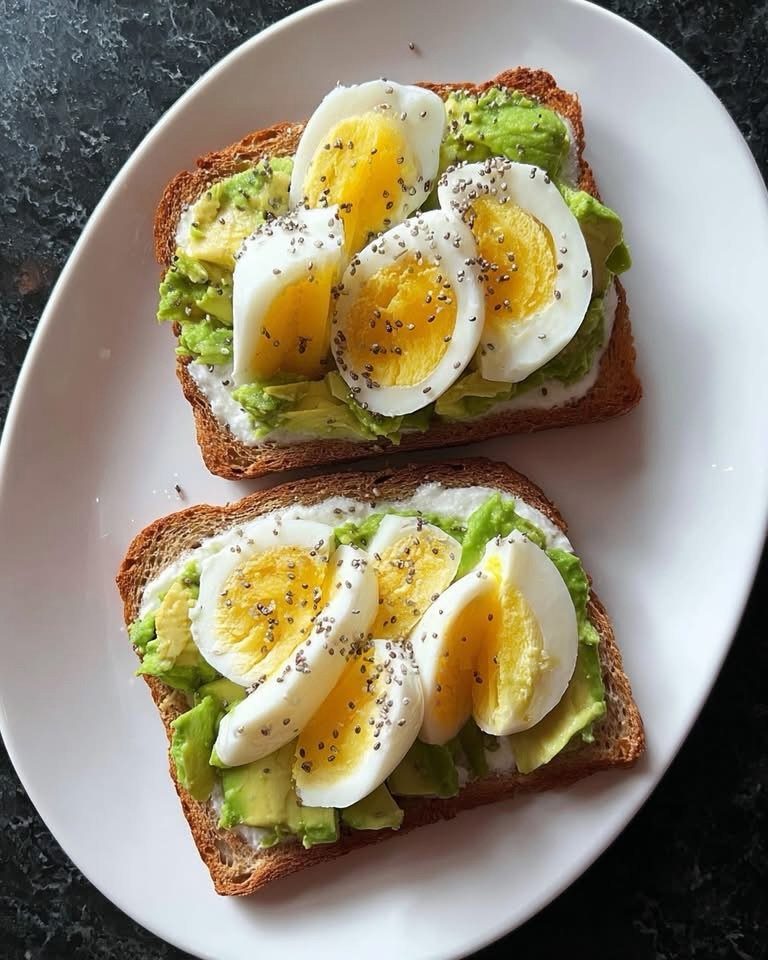
Biotin shows up in foods you already eat, from egg yolks and salmon to sweet potatoes and legumes. Most adults need around 30 mcg each day, and deficiency is uncommon in the United States.
If your hair is thinning, the cause is more likely low iron or a thyroid condition than a biotin gap, and supplements can throw off lab results for thyroid panels and heart screenings.
1. Egg Yolks
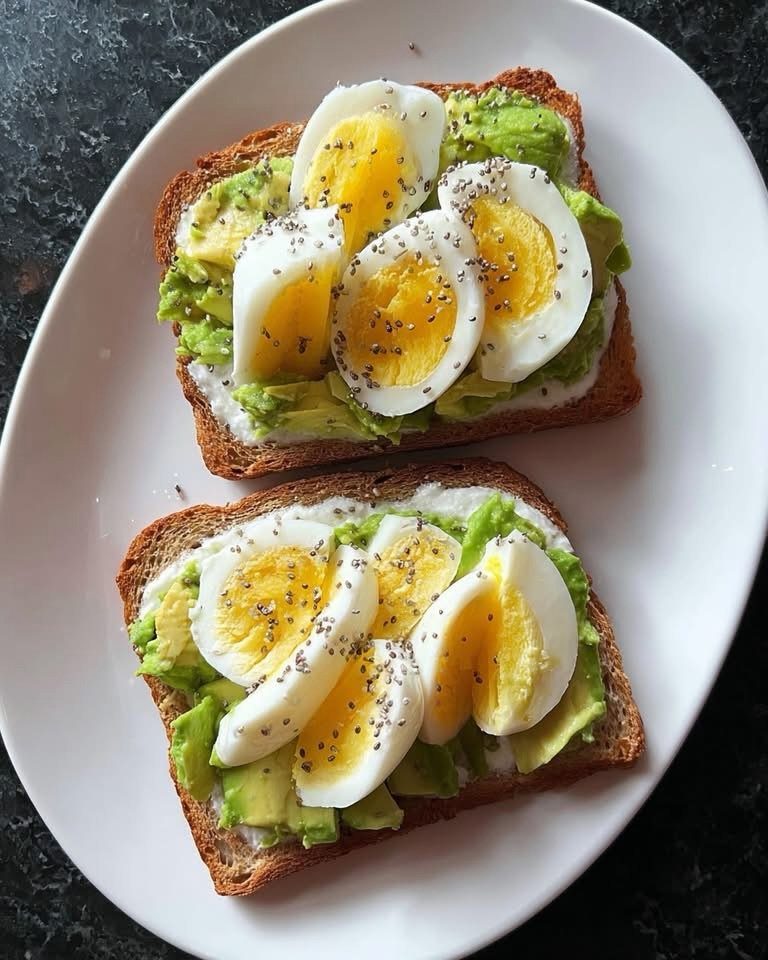
Egg yolks deliver biotin in a form your body absorbs easily. One cooked egg gives you a measurable amount, and you can eat them most days without much planning.
The yolk holds nearly all the biotin; the white contains a protein that binds to it and blocks absorption when raw.
Cooking solves that, so hard-boiled, scrambled, or baked eggs all work. I keep a few hard-boiled in the fridge and slice them onto toast or salads when I need a quick addition that does more than fill space.
2. Legumes
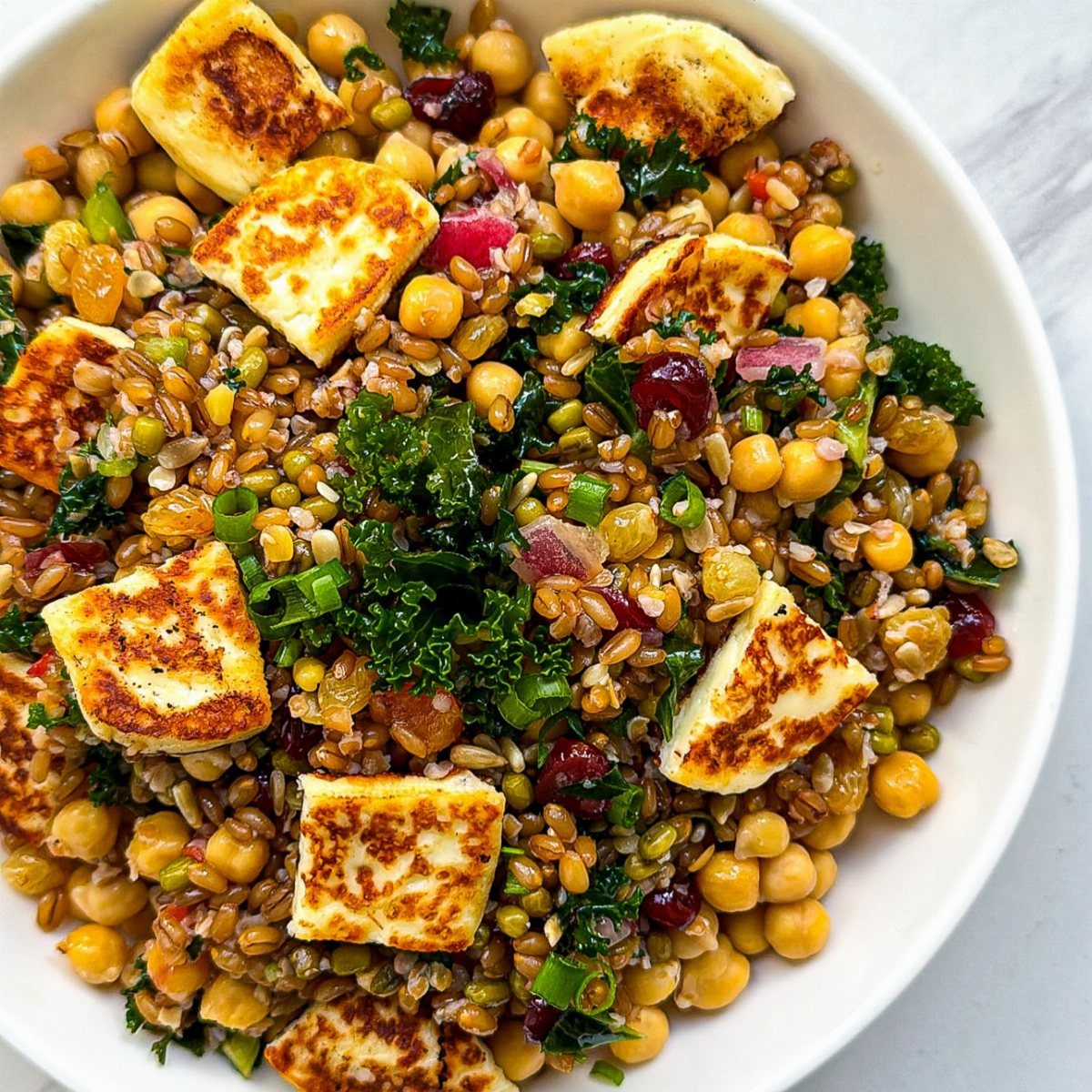
Legumes cover a wide group: chickpeas, black beans, lentils, peas, soybeans. All of them bring biotin along with fiber and protein, and they suit plant-based diets without requiring much effort.
Canned versions work as well as dried and take less time. Rinse them first to cut the sodium, then toss into grain bowls, soups, or salads.
Roasted chickpeas add crunch, and hummus counts if you eat enough of it. The biotin content varies slightly by type, but any legume you’ll actually eat is better than the one you won’t.
3. Salmon
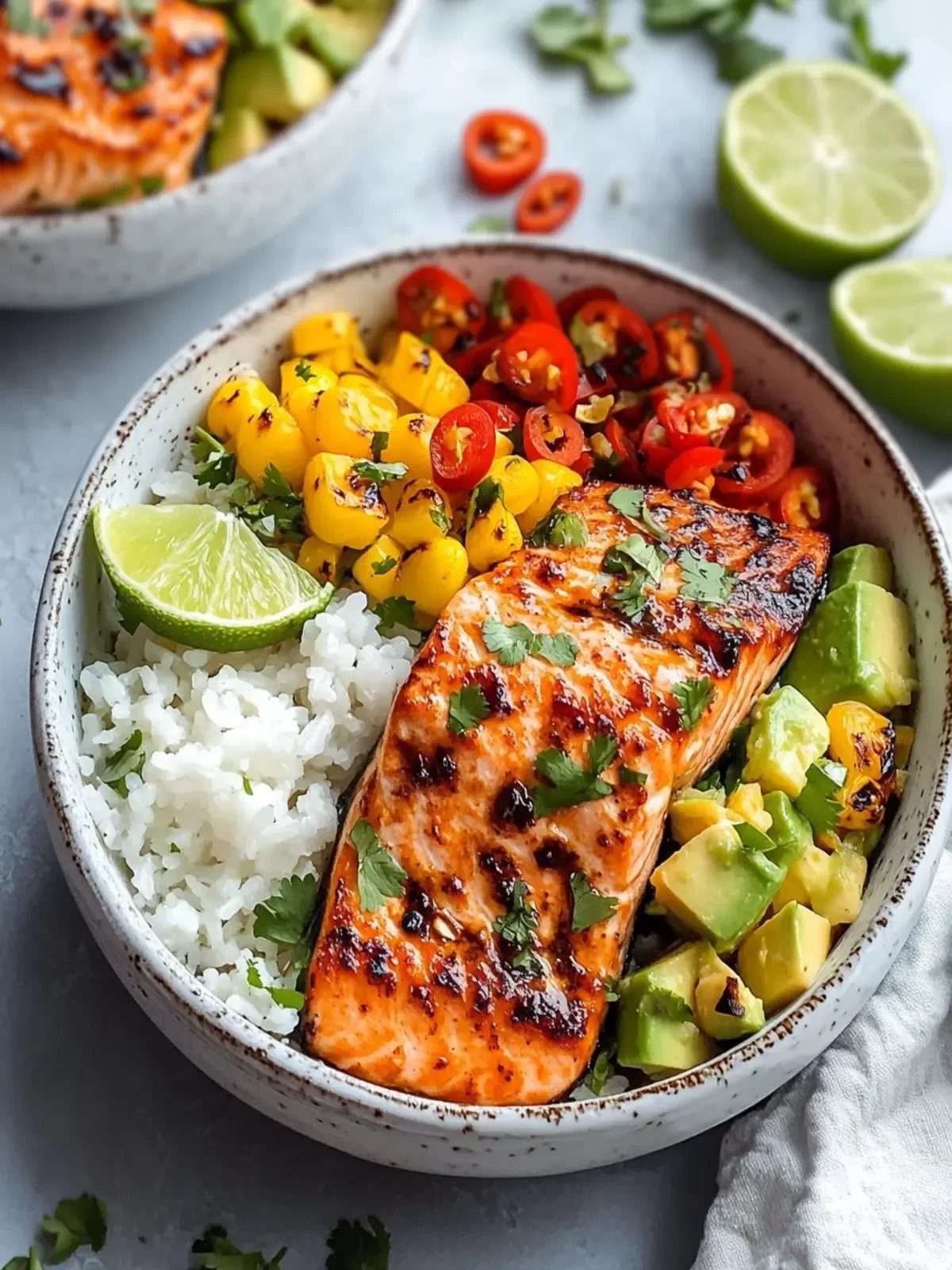
Salmon gives you biotin and omega-3s in one meal, which makes it a practical choice when you’re already planning around fish. Wild and farmed both contribute, though the fat content shifts slightly between them.
Grilled, baked, or pan-seared all preserve the biotin.
I buy fillets when they’re on sale and freeze them flat so they thaw faster. Pairing salmon with rice and vegetables turns it into a bowl that covers several needs at once without extra dishes.
4. Avocados
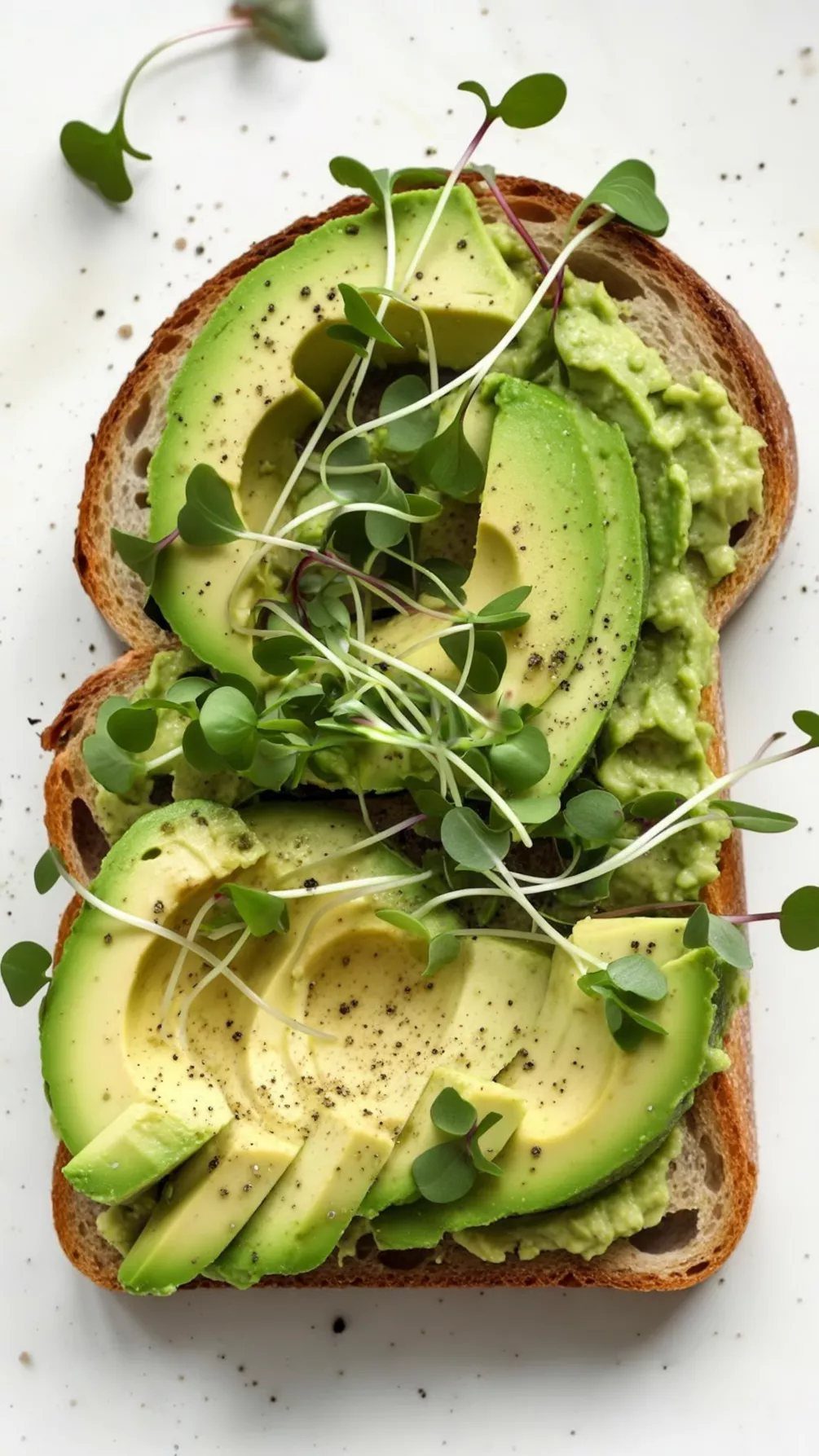
Avocados supply biotin along with fats that help your body use fat-soluble vitamins. Half an avocado adds a decent amount, and it fits into meals you probably already make.
Mashed onto toast is the simplest version, but diced avocado works in grain bowls, salads, or alongside eggs. The fruit browns quickly once cut, so I press plastic wrap directly onto the surface if I’m saving half for later.
It’s one of the few biotin sources that needs no cooking, which saves time on mornings when you’re already behind.
5. Beef Liver
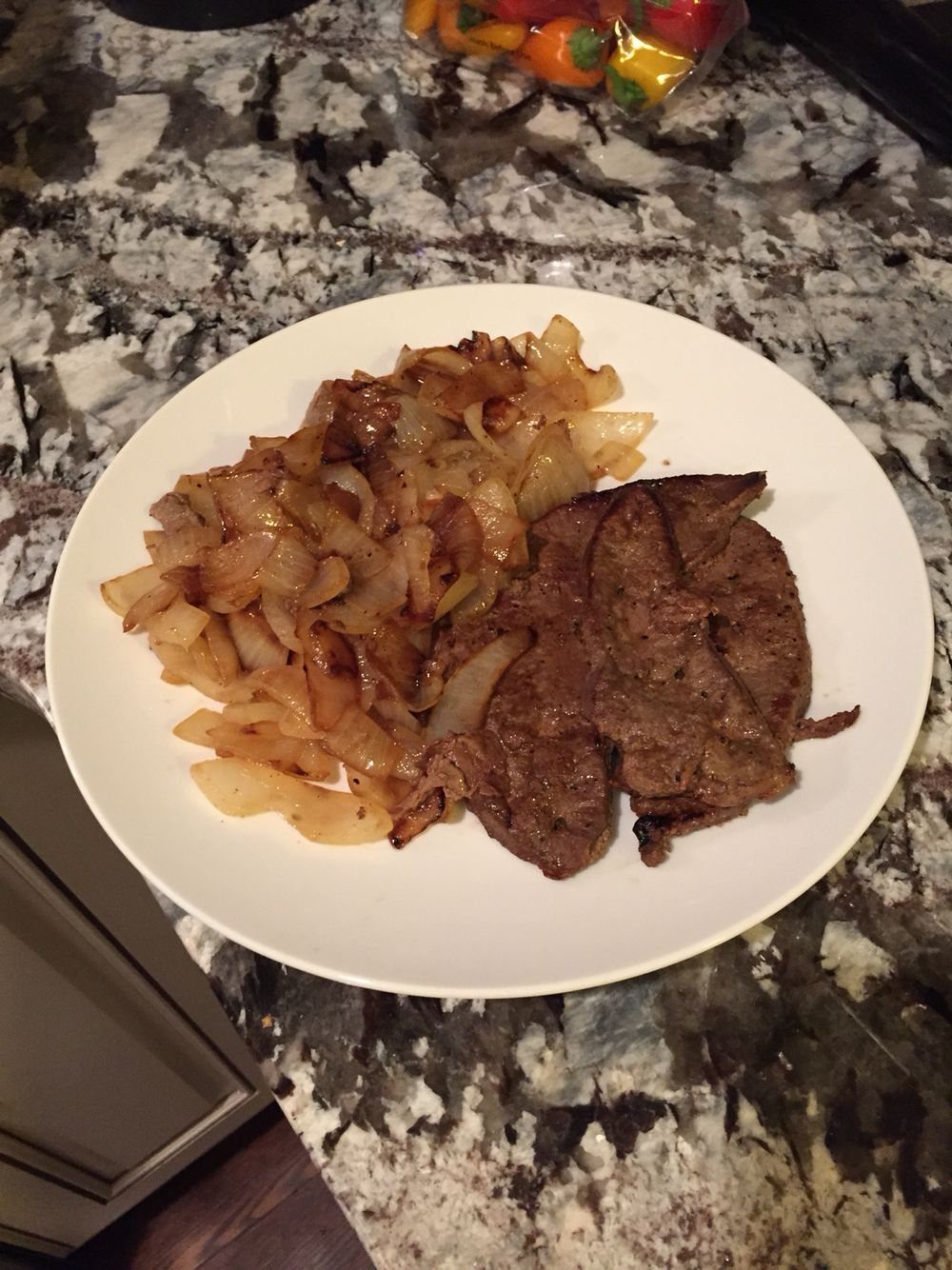
Beef liver holds more biotin per serving than nearly any other food. It also carries high amounts of vitamin A and iron, which makes it dense in a way most foods aren’t.
The taste is strong and metallic, and the texture is softer than muscle meat. Soaking slices in milk before cooking cuts some of the bitterness.
Sautéing with onions helps, too. If you can’t get past the flavor, chicken liver is milder and still delivers biotin, though less of it.
6. Sardines
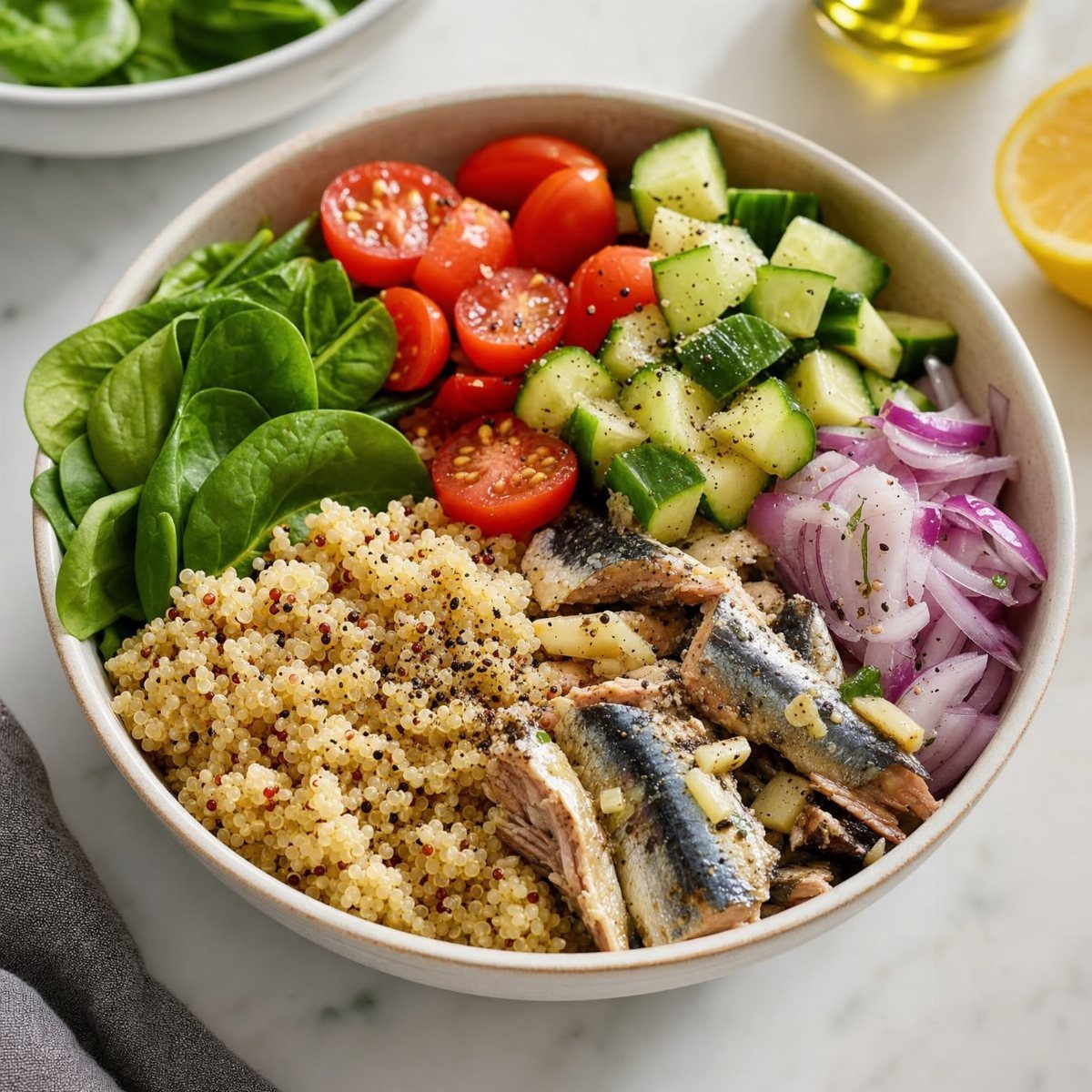
Sardines pack biotin and omega-3s into a small tinned fish that requires no preparation. Fresh sardines have the same benefits, but canned versions last longer and cost less.
Packed in water or olive oil both work; oil-packed sardines taste richer but add more calories. I drain them and add them to grain bowls or salads, where other ingredients balance the strong flavor.
The bones are soft and edible, which adds calcium without extra chewing. One tin gives you a full serving, and you can keep several in the pantry without planning a meal around them.
7. Pork Chops
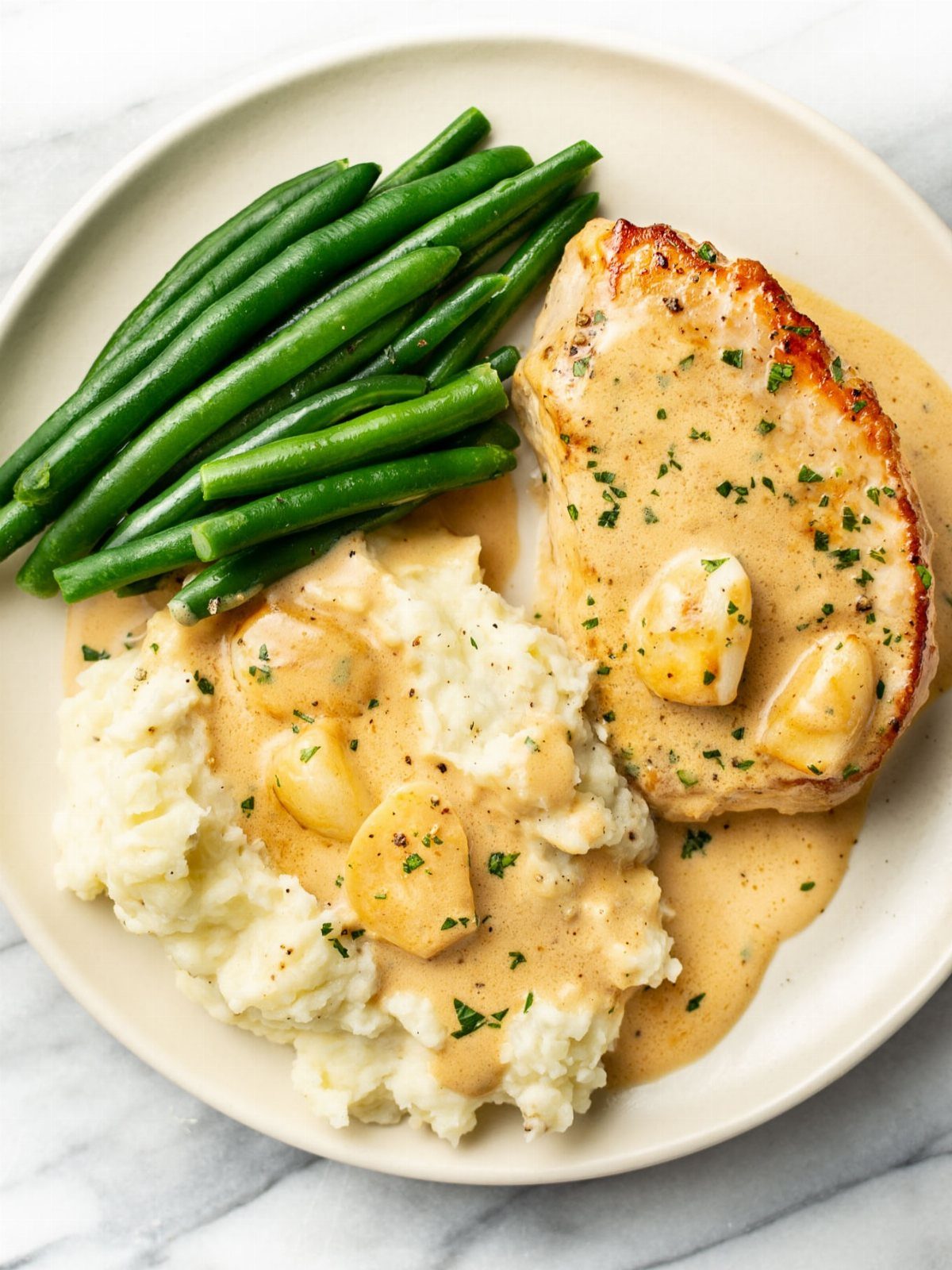
Pork chops give you biotin along with protein, and they cook faster than most cuts of meat. A single chop adds to your weekly total without requiring a different cooking method than you already use.
Bone-in or boneless both work. Grilling, pan-searing, or baking all keep the biotin intact.
I season mine with salt, pepper, and garlic, then sear them in a hot pan until a golden crust forms. Resting them for a few minutes after cooking keeps the center moist.
8. Fresh Spinach
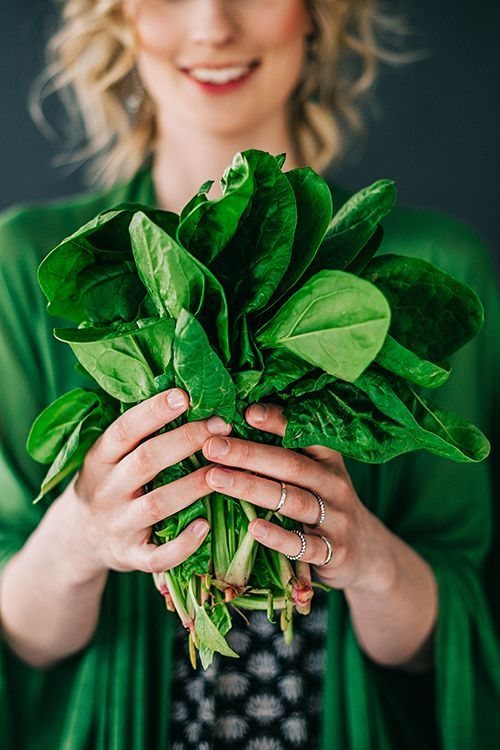
Spinach supplies biotin in a green that works raw or cooked. Fresh leaves last several days in the fridge, and you can add them to meals you’re already making without changing much.
Raw spinach goes into salads or smoothies. Cooking wilts it down to a fraction of its volume, which makes it easier to eat in larger amounts.
I sauté a few handfuls with olive oil and garlic until just wilted, then stir it into pasta, eggs, or grain bowls. Frozen spinach holds the same biotin and skips the washing, though the texture is softer.
9. Sweet Potatoes
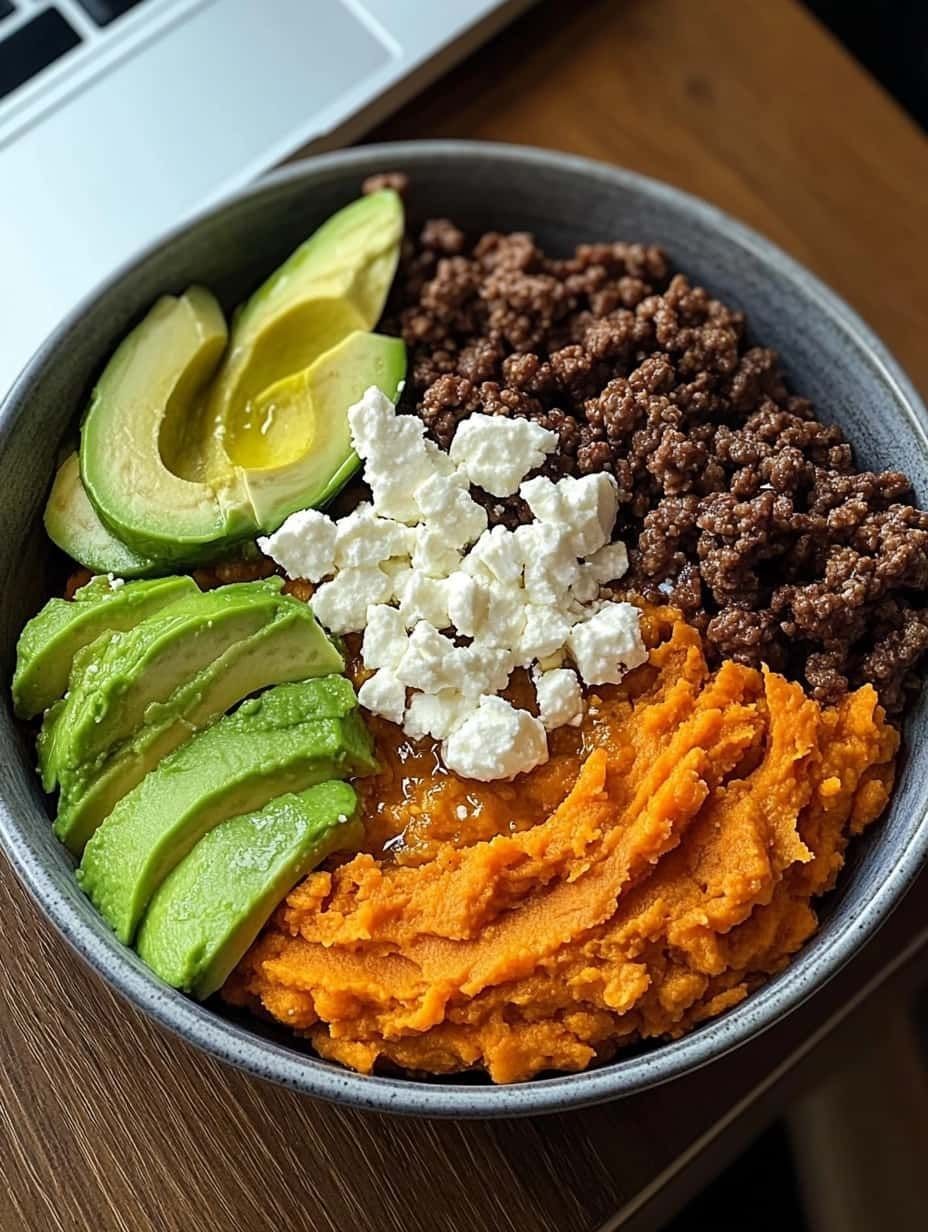
Sweet potatoes bring biotin and fiber in a starchy base that holds up in bowls, sides, or mashed. One medium sweet potato contributes a measurable amount, and it pairs with both savory and sweet additions.
Baking takes longer but needs no attention. I pierce the skin a few times and bake until tender, then mash the flesh with a fork.
Roasting cubes at high heat crisps the edges and cooks faster. Mashed sweet potato works as a base for bowls with protein and vegetables, the way the visible version layers it with ground meat and avocado.
Daily Intake and Deficiency
Most adults need around 30 mcg of biotin each day, and that amount rises to 35 mcg if you’re breastfeeding.
Deficiency is uncommon in the United States.
Because biotin dissolves in water, anything you don’t use leaves through urine instead of building up. That also means toxicity isn’t a documented risk, even at higher intakes.
Some people report mild nausea or digestive trouble from supplements, but serious side effects are rare.
If you’re considering a supplement, check with a doctor first. Most adult multivitamins and prenatals already supply the full daily amount, while standalone biotin pills typically pack in several times more than you need.
Biotin and Hair Claims
Biotin deficiency can cause hair thinning and brittle nails, but that deficiency is rare. If your hair is thinning, the cause is more likely something else: low iron, a thyroid condition, or another issue that won’t respond to biotin alone.
Supplements may help if you have a confirmed deficiency or a condition like alopecia that affects hair growth.
Outside those cases, there’s limited proof that biotin changes how your hair or nails look. Some people say it helps them, but studies haven’t backed that up for people with normal biotin levels.
If hair or nail changes show up suddenly, talk to a healthcare provider before adding a supplement. Treating the actual cause matters more than guessing at a nutrient gap.
Supplement and Lab-test Cautions
Biotin supplements can throw off lab results, including thyroid panels and tests used to screen for heart attacks.
The interference happens because some lab methods rely on biotin in their detection process, and extra biotin in your system skews the reading.
If you take a supplement, tell your doctor and the lab before any blood test.
Stopping biotin a few days ahead may be enough to clear it, but your provider will decide what makes sense based on the test and the dose you’re taking.
Stick to the amount listed on the package. More doesn’t improve results, and taking several times the daily value raises the chance of test interference without adding benefit.
You should stop taking any biotin supplements at least 48-72 hours before blood tests because they can interfere with lab results.
— WebMD
Frequently Asked Questions
What are the top foods that are rich in biotin?
Beef liver ranks highest, followed by egg yolks, salmon, sardines, pork chops, legumes like chickpeas and lentils, avocados, sweet potatoes, and fresh spinach.
All of them bring biotin in amounts that add up over the week, and most fit into meals you already make without extra planning.
What are the symptoms of a biotin deficiency?
A deficiency can show up as hair loss, a scaly red rash around the eyes, nose, mouth or genitals, tingling or numbness in the extremities, and in severe cases, seizures.
Is biotin safe for pregnant women?
Prenatal vitamins cover the daily requirement, and pregnancy actually increases how much you need. Roughly one-third of pregnant women develop a mild shortage, so your doctor may check your levels or adjust your prenatal dose.
Can taking biotin supplements cause acne or skin breakouts?
Biotin supplements have not been linked to acne. A few case studies report improvement in dermatitis and other skin conditions, though those patients had either a deficiency or a specific medical diagnosis, not just routine use.





