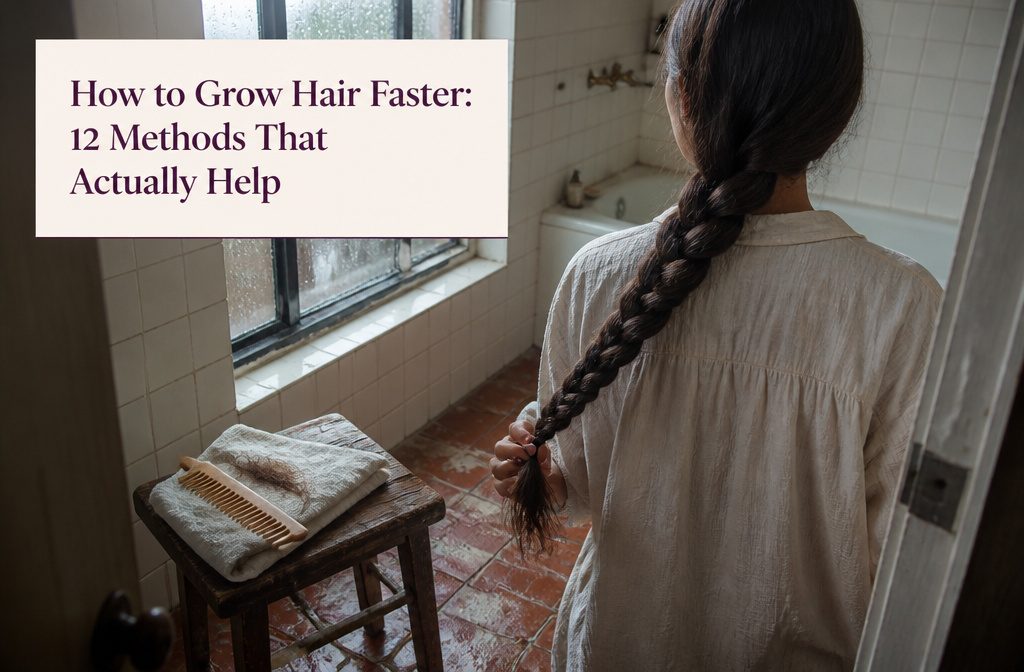
Hair grows roughly half an inch each month, and no product changes that clock.
What you control is how much length you keep before it breaks off. Most people lose ground not because growth is slow but because heat styling, rough detangling, and skipped trims snap strands faster than the scalp replaces them.
What Hair Growth Rate and Cycle Actually Mean
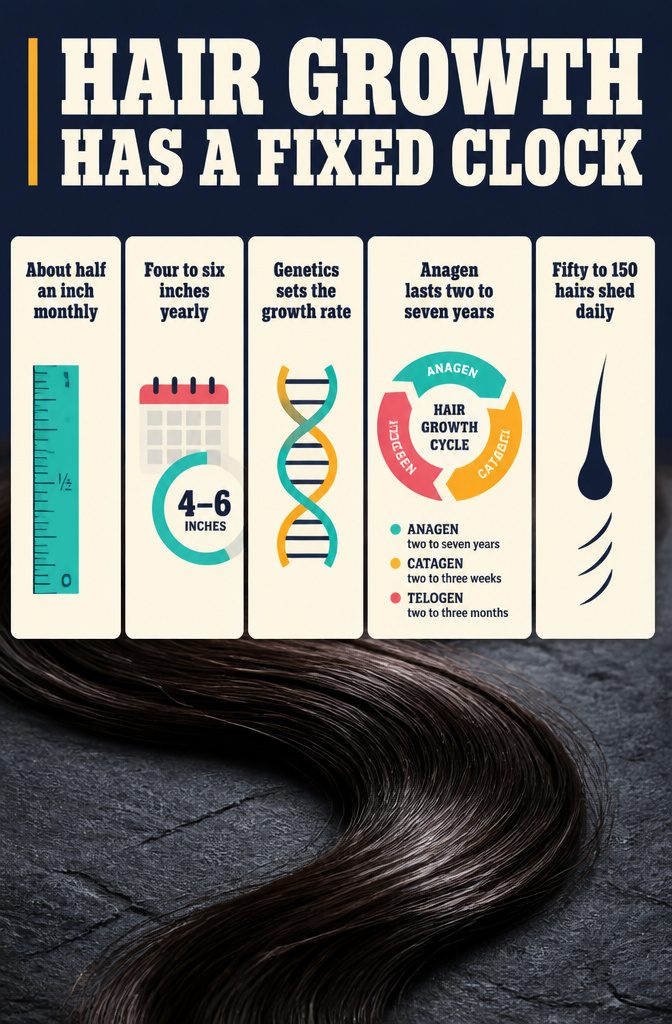
Hair grows about half an inch per month, which works out to roughly four to six inches a year.
That rate is set by genetics, and no product or routine will push it faster. What you can control is how much of that length you keep.
Hair care does not speed up growth. It preserves what you grow by cutting down on breakage.
Every follicle on your scalp cycles through three phases.
Anagen is the active growth phase, lasting two to seven years, when hair lengthens steadily. Catagen is the brief transition stage, running two to three weeks, where the follicle shrinks and growth slows.
Telogen is the resting phase, lasting two to three months, after which the strand sheds and a new one starts the cycle again.
Your scalp holds around 100,000 follicles. Somewhere between 50 and 150 hairs fall out daily as part of the normal telogen phase.
That shedding is expected. Hold onto the length that reaches your shoulders instead of chasing a faster clock.
1. Protect Hair From Breakage and Rough Handling
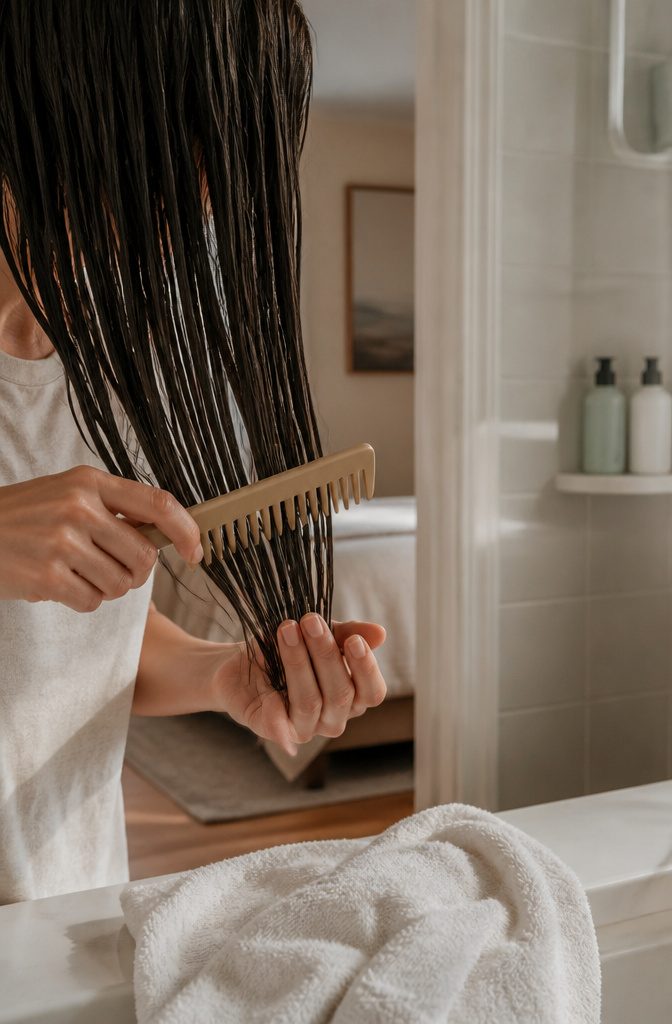
Wet hair stretches and snaps more easily than dry, so detangle gently with a wide-tooth comb or your fingers, starting at the ends and working up.
If you have thick, curly hair, comb in the shower before rinsing out conditioner. Straight hair handles detangling better once it has dried slightly.
Skip the rough towel rub.
Pat your hair dry or wrap it in a towel or t-shirt to absorb moisture without friction. Tension matters when you style, too.
The American Academy of Dermatology warns that tight, high-tension hairstyles can damage follicles and potentially lead to hair loss. Loose plaits work for finer, straighter hair, while two-strand twists and box braids suit natural textures without pulling.
Damage shortens apparent length because strands break before they reach the length you want. Protecting what you already have lets growth show.
2. Limit Heat Damage
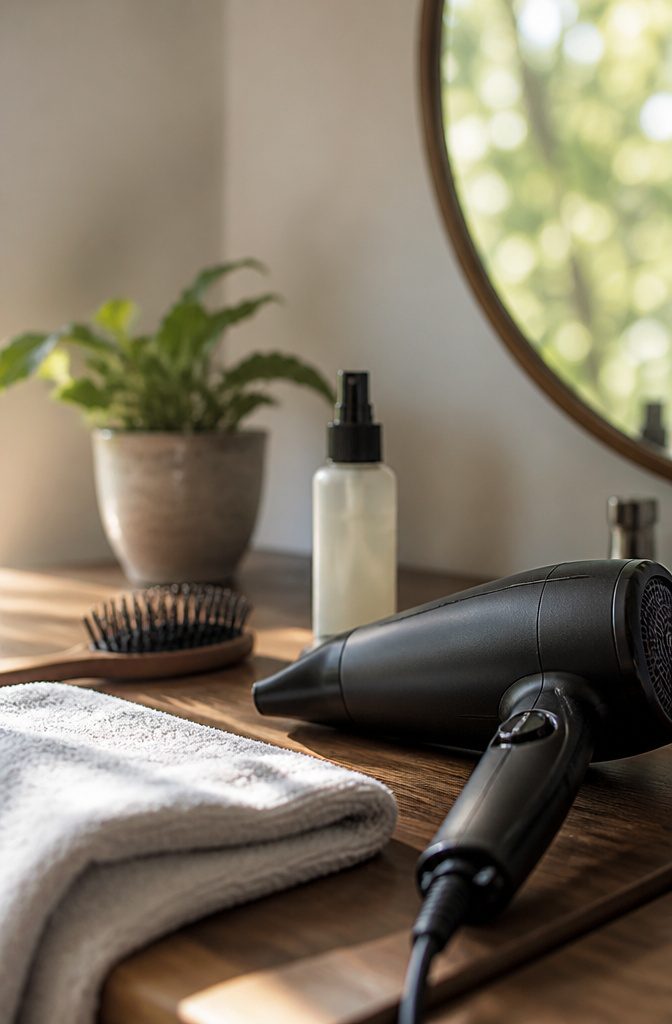
Repeated high heat weakens the hair shaft and makes breakage more likely, so if your hair seems stuck at one length, pulling back on heat styling may be what tips the balance.
Women’s Health suggests five days off, two days on if you blow-dry or flat-iron daily. That schedule gives the cuticle time to recover without giving up styled hair entirely.
If you want your hair to grow, try and scale your blowdrying or any heat styling to 5:2. That’s five days off, two days on.
When you do use heat, a protectant rated up to 450°F keeps the strand surface from direct damage. Both the L’Oréal Paris EverPure Moisture 21-in-1 and Goldie Locks Blow Dry Spray claim that figure.
Turn the temperature dial down to the lowest setting that still styles your texture, and air-dry or switch to a cool shot when you have the time.
The lower the heat, the less moisture you lose, and moisture is what keeps strands flexible instead of brittle.
3. Support Healthy Scalp Care and Cleansing
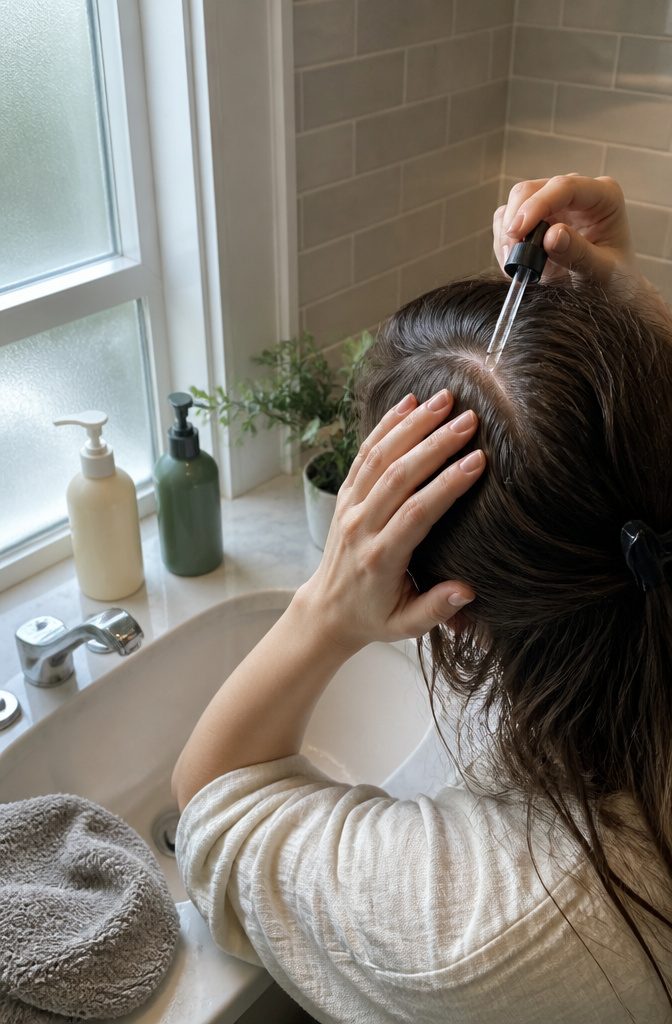
A clean scalp supports growth by keeping follicles clear of buildup and oil that can weigh things down or block the strand from emerging properly. How often you wash depends on your hair type.
If you have straight hair and an oily scalp, washing every two to three days keeps things fresh. For dry, textured, curly, or thick hair, shampooing at least once every two to three weeks is enough.
Between washes, buildup can still accumulate.
The L’Oréal Paris Elvive Hyaluron + Pure Oil-Erasing Serum is designed for oily scalp or product residue. It claims up to 100 percent residue removal and a refreshed scalp for up to 72 hours.
You section dry hair, apply the serum directly to the scalp, massage for about five minutes, then wait 15 minutes before rinsing. After that, you shampoo and condition as usual.
Pick a shampoo formulated for your hair type rather than a one-size option, and adjust your washing frequency based on how your scalp feels. If you see flakes, you may need to shampoo more often or switch products.
4. Eat a Balanced Diet With Enough Protein and Nutrients
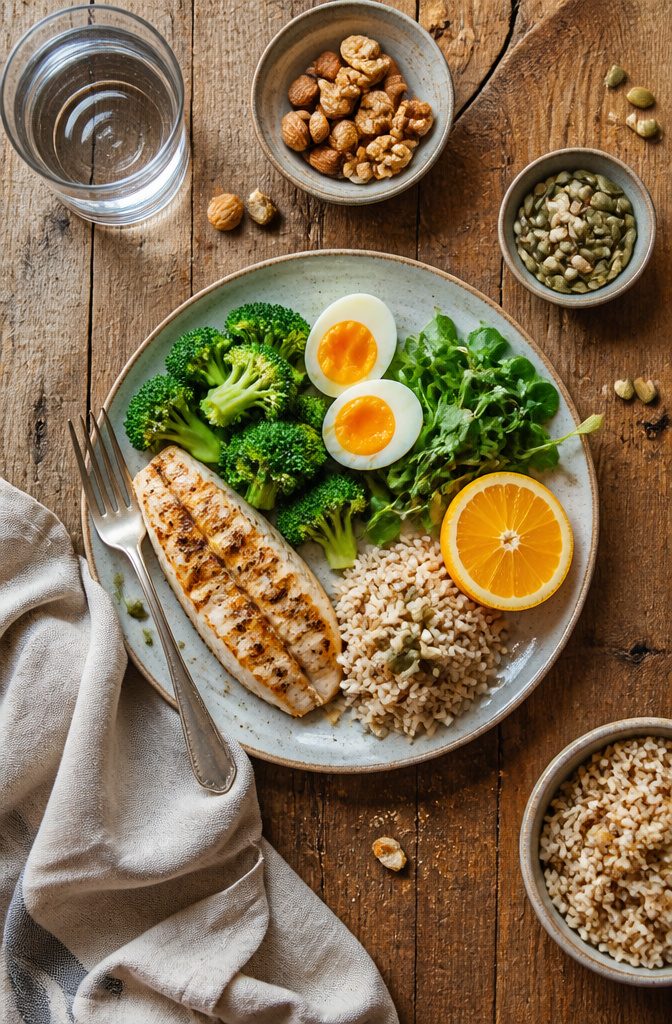
Your hair follicles build strands from protein and micronutrients pulled from what you eat, so a diet that skimps on those materials shows up eventually as slower growth or increased shedding.
Sources list protein, iron, zinc, and vitamins A, C, D, and E as the most commonly flagged nutrients. Iron deficiency leads to anemia, which disrupts the hair growth cycle.
Zinc helps regulate dihydrotestosterone, a hormone linked to hair loss. Vitamin D supports follicle production, and vitamin C aids iron absorption and collagen formation.
Most sources agree that a varied diet covering lean proteins, green vegetables, whole grains, eggs, fish, nuts, seeds, and citrus usually delivers what hair needs without supplements.
One source puts it plainly: if your diet is rich and complete, you don’t need hair supplements.
But if shedding accelerates or hair texture changes noticeably, consult a doctor. Deficiencies often travel in pairs, and guessing which vitamin to add rarely solves the underlying problem.
5. Trim Damaged or Split Ends
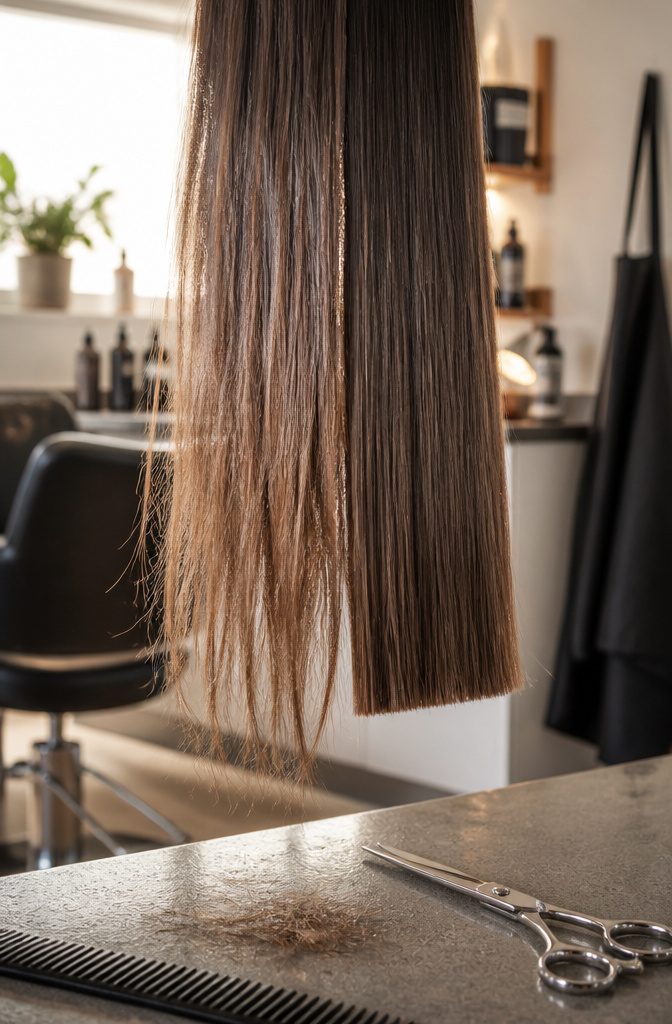
Trimming does not make hair grow faster, but it does help you keep more of the length you grow. Splits that are left in will travel farther up the strand, forcing you to cut more later.
Trim every eight to 12 weeks to catch damage before it climbs. That small cut now saves you from losing several inches down the line when splits have worked their way too far to ignore.
One source suggests cutting 0.8 to 1 inch every 10 to 12 days, though that timing is tighter than most people follow and would remove length faster than the average person grows it.
The eight-to-12-week window is what most stylists and care guides recommend for healthy retention without overc cutting. Trims preserve what you grow, they do not speed the rate your scalp delivers new hair.
6. Manage Stress

Chronic stress does more than wear you down mentally. It can push hair follicles out of active growth and into the resting, shedding phase, which means more strands falling out and fewer coming in to replace them.
The mechanism is straightforward: stress disrupts the hair growth cycle, shortening the time each follicle spends producing new hair. In severe cases, physical stress from illness or trauma can halt growth temporarily across the scalp.
Managing stress supports hair retention. I find that practices like yoga and meditation help regulate the cycle, keeping more follicles in the growth phase where they belong.
Even something as simple as deep breathing improves oxygen delivery to the scalp, which matters because shallow breathing under stress reduces flow to non-essential systems like hair.
The effects show up slowly, but lowering stress consistently gives hair a better shot at reaching its full length.
7. Consider Supplements Only in Context

There’s limited evidence for routine supplement use unless you have an actual deficiency.
Biotin is the one people reach for most often, and Bustle mentions 5,000 mcg daily as a common dose, but the National Institutes of Health notes little support for the claim in healthy adults.
Some women report faster growth on biotin, while others notice unwanted facial hair at high doses.
A balanced diet comes first.
If you are eating enough iron, zinc, protein, and vitamin D from whole foods, a supplement probably will not change much. The exception is when blood work shows a real gap.
Iron and vitamin D deficiencies can both slow growth or increase shedding, so if your hair is behaving differently than it used to, ask your doctor to check levels before buying bottles on your own.
8. Massage the Scalp
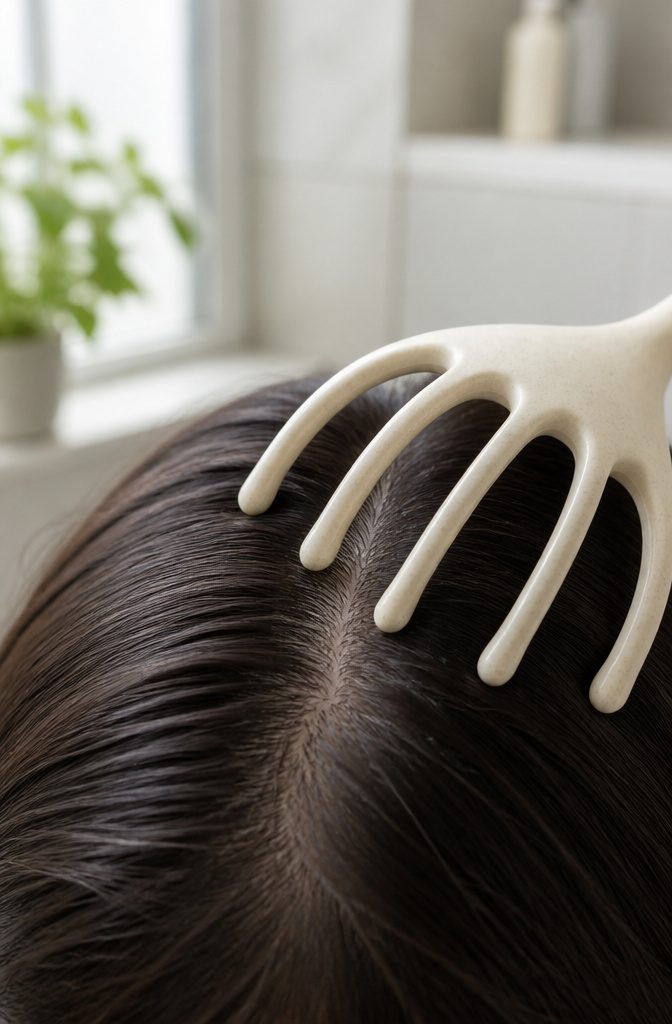
Scalp massage may help by boosting circulation to the follicles, which could mean better nutrient delivery and slightly thicker hair over time.
A small study found that men who massaged for four minutes every day had thicker hair after 24 weeks, though some temporary shedding did happen around the 12-week mark.
The study used a massage device rather than fingers, and rubbing with your fingers may actually contribute to hair loss according to Healthline’s caution on the method.
If you want to try it, Goldie Locks recommends massaging gently with your fingertips for a full minute while you shampoo.
It feels good, helps lift buildup, and the risk is low if you keep the pressure light. The evidence is modest but the effort is small, so it sits comfortably in a longer routine without demanding much.
9. Get Enough Sleep

Sleep is one of those pieces that affects everything, hair follicles included. Adults should aim for seven to nine hours of sleep per night, which gives the body time to run through its repair work.
Growth hormones kick in during sleep and help speed up cell reproduction, and that includes the cells responsible for pushing hair out of the follicle.
Skimping on rest means those processes get cut short. Hair growth slows when the body is constantly catching up on other priorities, and follicles that are working without enough recovery time do not produce strands at their full potential.
The difference is not dramatic overnight, but consistent sleep supports consistent growth over months.
10. Avoid Smoking
Smoking disrupts circulation to the scalp and damages follicles in ways that throw off the natural growth cycle.
Healthline associates smoking with both hair loss and an imbalance in how hair cycles through its growth phases, which means strands shed earlier than they should and regrowth slows or thins out over time.
The damage is not just surface level. Reduced blood flow means follicles receive less oxygen and fewer nutrients, weakening the hair before it even emerges.
If retention matters to you, quitting supports the overall health that keeps hair on your head longer and growing closer to its full potential.
11. Protect Hair From UV Exposure
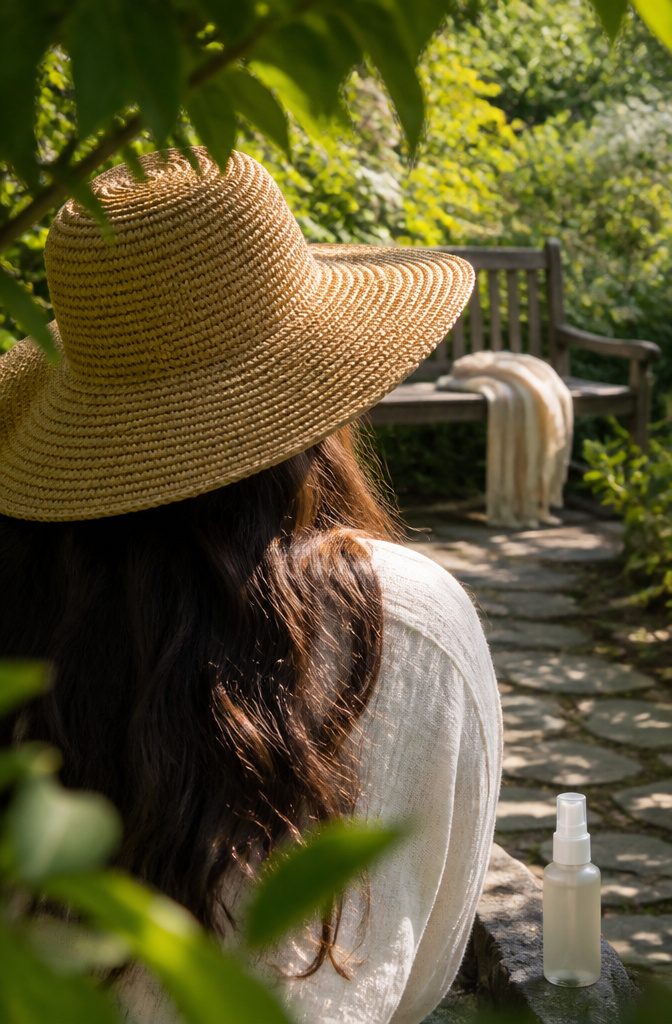
Prolonged sun exposure can weaken hair structure the same way it damages skin. UVB radiation causes hair protein loss, which makes strands more fragile and prone to snapping before they reach the length you want.
On very sunny days, wearing a hat shields both your scalp and hair from extra UV damage. If a hat isn’t practical, a leave-in UV protectant works.
Paul Mitchell Sun Shield offers targeted protection and applies like any other spray leave-in. I keep one in my bag during summer, since even twenty minutes in direct sun adds up over the course of a season.
Keep the hair you already have intact while new growth comes in, and UV protection is one of the simpler ways to close that gap.
12. Ask a Doctor or Dermatologist About Unusual Shedding or Hair Loss
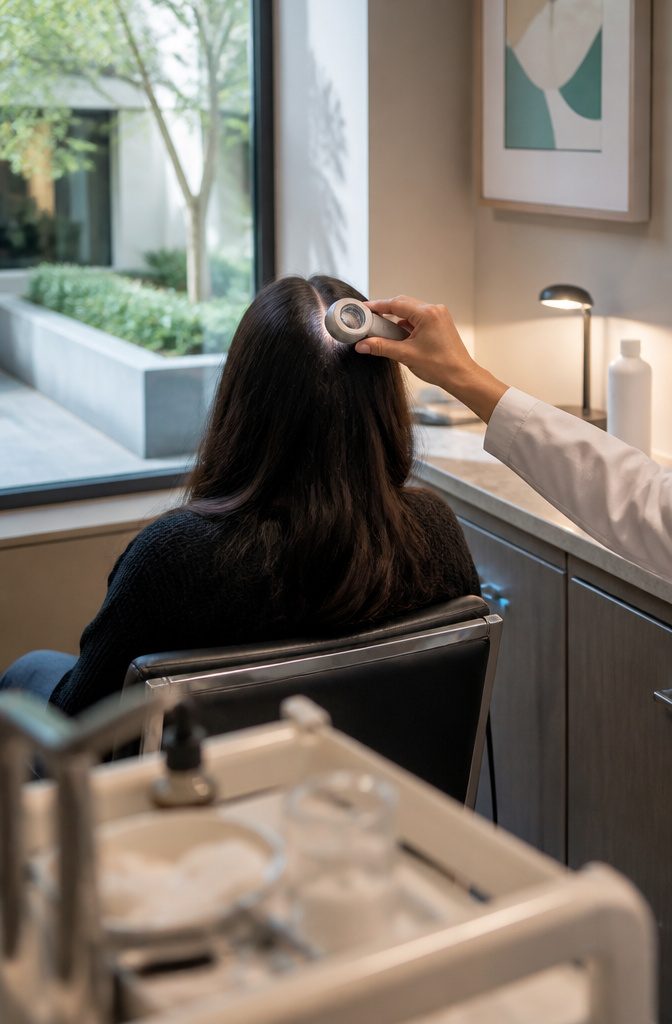
When shedding climbs past the normal 50 to 150 hairs each day, or when growth slows without an obvious reason, a dermatologist can assess whether a deficiency or medical condition is behind it.
Hair fall and slowed growth can stem from hormones, autoimmune issues, medication side effects, or nutritional gaps, and catching a treatable cause early makes a difference.
For male pattern baldness, which affects more than half of men over 50 to some extent, prescription finasteride (Propecia) and topical minoxidil are the two main medical options.
Minoxidil comes as Rogaine or Theroxidil in 2% and 5% strengths, in liquid or foam. It can stimulate growth and thicken existing hair, but it must be applied daily.
Hair fall resumes if you stop, sometimes faster than before. Once a follicle shrivels completely, even medication cannot bring it back, so starting treatment before that point matters.
Product Routines Worth Trying
Product Routines Worth Trying
A few brands package their hair-growth advice into structured routines that cover cleansing, strengthening, and protection all at once.
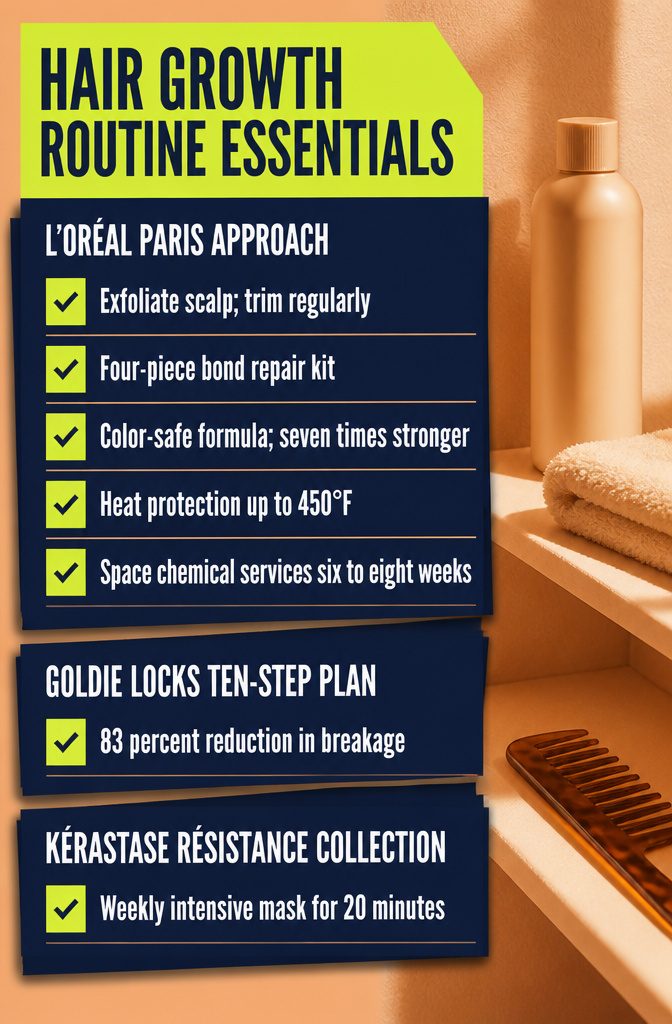
L’Oréal Paris lays out a five-part approach: scalp exfoliation, a strengthening system, regular trims, heat reduction, and protective styles.
Their EverPure Bond Repair System is a four-piece kit (pre-shampoo treatment, shampoo, conditioner, and leave-in) that claims hair up to seven times stronger when used together.
The line is color-safe. Their EverPure Sulfate-Free Moisture 21-in-1 Leave-in-Conditioner handles detangling, smoothing, and moisture while protecting against heat up to 450°F.
Goldie Locks offers a ten-step plan: cleansing, conditioning, a serum that showed an 83 percent reduction in breakage in clinical testing, heat protection up to 450°F, moisture, spacing chemical services six to eight weeks apart, nutrition, and progress tracking at 30, 60, and 90 days.
Women’s Health mentions the Kérastase Résistance collection, which uses Creatine R for resilience and elasticity, plus a weekly intensive mask for around 20 minutes.
Natural Oils and Masks Some Sources Suggest
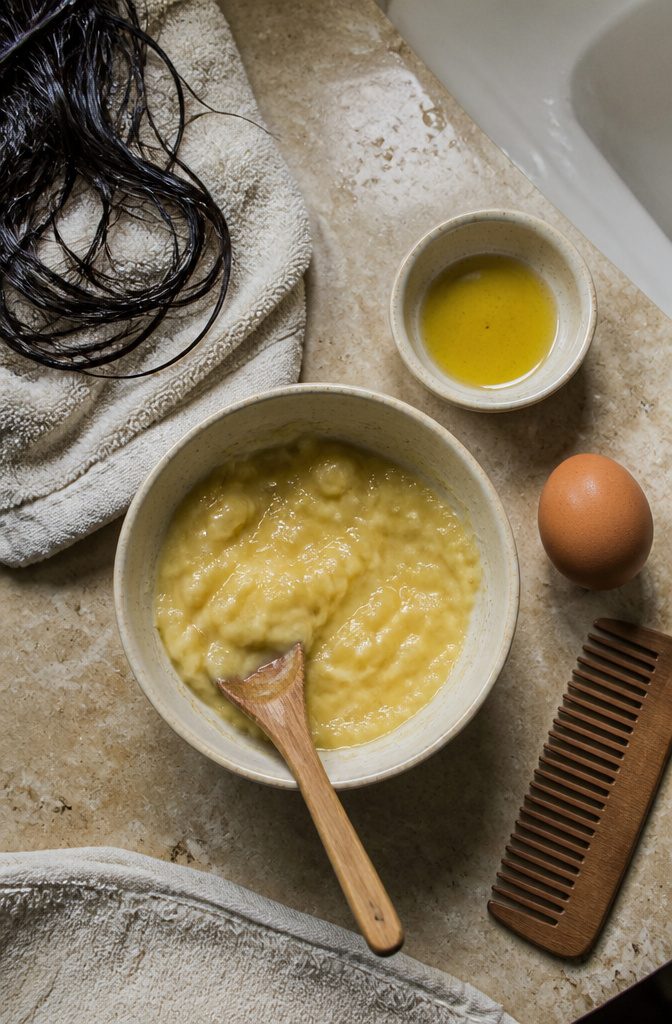
A few sources mention natural oils and homemade masks as weekly treatments, though these do not come up across most articles on hair growth.
- Castor oil or olive oil applied evenly to scalp and hair, left on 30 to 60 minutes once or twice a week. Castor oil is rich in vitamin E, olive oil in omega-3 acids. Both may be mixed with coconut or almond oil.
- Egg mask: one or two beaten eggs applied to damp hair, left 30 minutes, then shampooed out. Eggs supply protein.
- Banana mask: one ripe banana mashed with two tablespoons olive oil, applied to scalp and hair, left 20 to 30 minutes before shampooing. Bananas provide minerals that help build collagen.
The source noting these options mentions that results may take one to five years, so patience is non-negotiable.
How Growth Varies by Age, Sex, Season, and Hormones
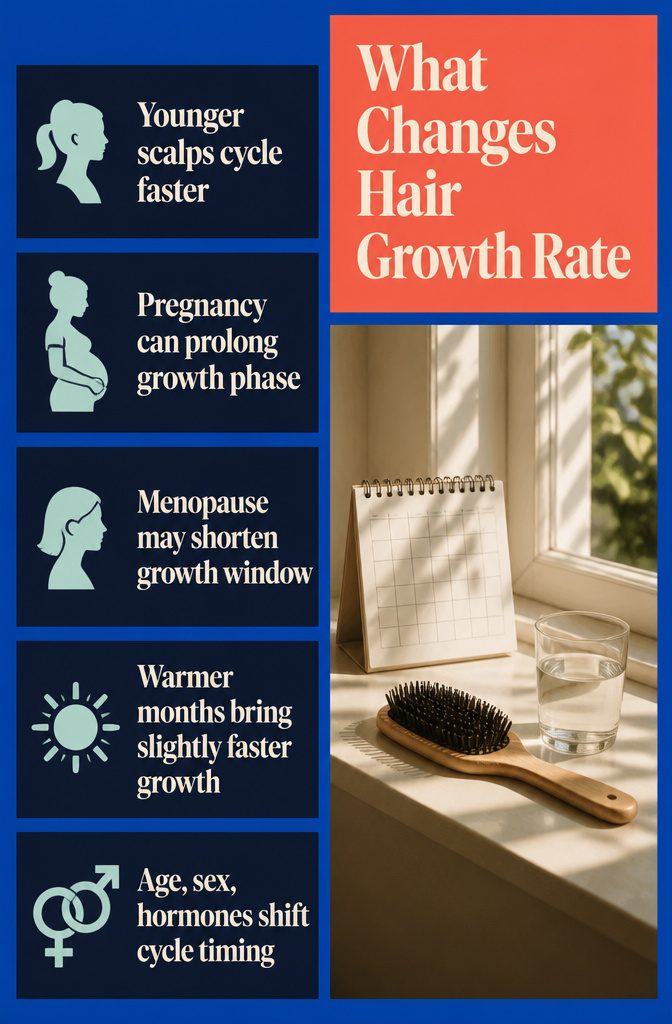
Growth rate shifts across your life, and what helps at twenty might need tweaking at thirty-five or forty-five.
Hairstory singles out age, sex, pregnancy, season, and menopause as factors that change how quickly strands move through their cycle and how long each phase lasts.
Younger scalps tend to cycle faster, and pregnancy often brings a longer growth phase that delays shedding.
Menopause can shorten the growth window and thin density. Even seasonal variation plays a role, with slightly faster growth in warmer months for many people.
Your baseline isn’t fixed. A routine that worked pre-pregnancy or before perimenopause may fall short once hormones shift the timeline, so pay attention to whether your hair is responding the way it used to.
Frequently Asked Questions
Can you make your hair grow faster?
No, you cannot change the rate at which hair grows.
Genetics determine that your hair will grow roughly half an inch per month, or about 4 to 6 inches a year. What you can control is how much of that length you keep by reducing breakage and protecting what grows in.
How fast does hair grow on average?
Hair grows about half an inch per month, which adds up to roughly 4 to 6 inches a year.
That rate is set by genetics and varies slightly by person and season. Men’s hair tends to grow a bit faster than women’s, and growth may be slightly faster in summer and slower in winter.
What causes hair to stop growing or grow more slowly?
Hair growth slows when follicles shift out of the active growth phase due to stress, illness, medications, nutritional deficiencies, rough handling, or hormonal changes like menopause.
Age also shortens the growth phase over time. These factors do not change the rate hair grows, but they can disrupt the cycle and lead to more shedding or shorter strands before they fall out.
Does scalp massage help hair grow faster?
Scalp massage may help by boosting circulation to the follicles, which could deliver more nutrients and support slightly thicker hair over time.
A small study found that 4 minutes of daily massage with a device led to thicker hair after 24 weeks. Massaging with your fingers may carry some risk, so keep the pressure light and limit it to about 1 minute while shampooing.
How do I actually make my hair grow?
You cannot speed up the rate at which hair grows, but you can support healthy growth by eating enough protein and nutrients, managing stress, protecting hair from heat and breakage, and keeping your scalp clean.
Preserve the length you grow rather than trying to push the rate past its genetic limit of about half an inch per month.
Can hair grow 2 inches in a month?
No, that is very unlikely.
Hair grows about half an inch per month on average, so 2 inches would take around 4 months. Instead of chasing faster growth, focus on keeping the length you have by staying moisturized, cutting down on breakage, and handling hair gently.
How to get long hair in 7 days?
You cannot add real length in a week. Hair grows about half an inch per month, so a week delivers only a tiny fraction of that.
What you can do in a week is make hair feel healthier by moisturizing, trimming split ends, and cutting back on heat styling, but visible length takes months.
Can you grow hair faster and thicker naturally?
Natural oils and masks may improve hair texture and moisture, but they do not speed up the rate of growth.
Results from remedies like castor oil, egg masks, or banana treatments can take 1 to 5 years to show, and the benefit is mostly in reducing breakage rather than growing hair faster.
Identify any nutritional deficiencies or damage first, since those are what slow progress.
How often should you wash hair?
Wash every 2 to 3 days if you have straight hair and an oily scalp.
For dry, textured, curly, or thick hair, shampooing at least once every 2 to 3 weeks is enough. Pick a shampoo formulated for your hair type and adjust based on how your scalp feels.
What hairstyles protect hair?
Loose plaits work for finer, straighter hair, while two-strand twists and box braids suit natural textures without pulling.
Avoid tight, high-tension styles that can damage follicles and lead to hair loss. Style without creating traction that weakens the strand or the root.





