Hair is roughly 95 percent keratin, a structural protein your body builds from amino acids at the follicle.
Dietary protein actually feeds that process: when intake falls short, follicles shift into a resting phase and produce thinner strands. But past the point of adequacy, extra protein does not speed growth.
Hair’s Protein Foundation
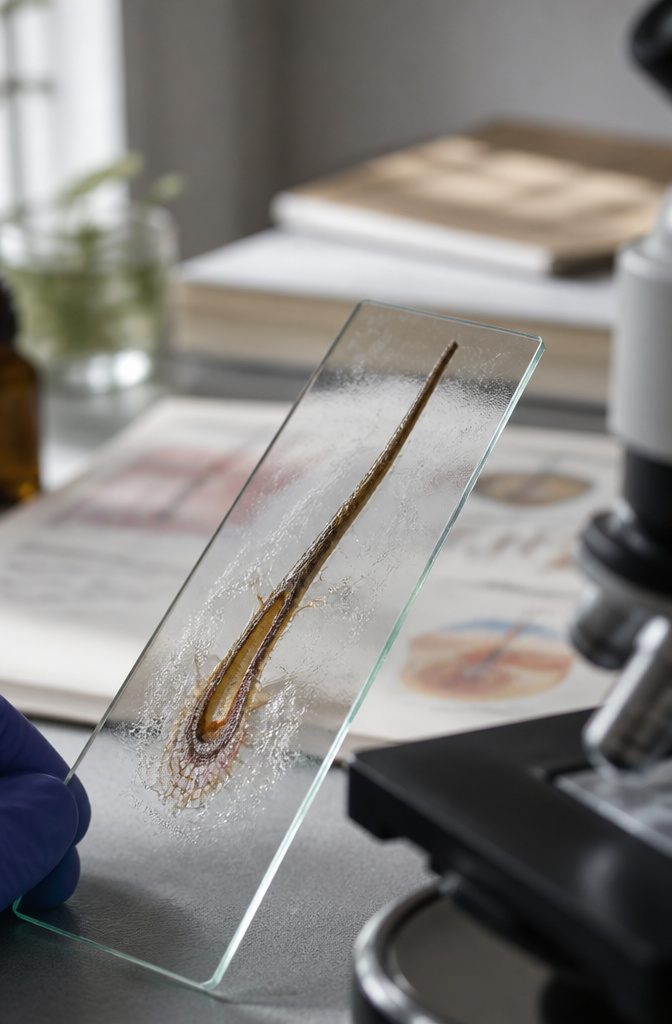
Hair is roughly 95 percent keratin, a structural protein built from amino acid chains. Keratin forms the cortex at the center of each strand, and that inner coil gives hair its strength and shape.
The visible part you see and touch is actually dead tissue, a layer of cells surrounding the cortex. Once the hair shaft pushes up from the scalp, it stops being alive.
Growth happens at the follicle, deep under the surface. Cells at the base of the follicle divide faster than almost any other cells in your body, second only to bone marrow.
That division requires a steady supply of amino acids, especially cysteine, which forms the disulfide bonds that hold keratin together.
When dietary protein falls short, your body prioritizes organs and immune function over hair. The follicle responds by shifting into a resting phase and producing thinner strands.
This distinction matters when you see products labeled as protein treatments. Those coat the hair shaft with keratin, adding temporary strength to bonds between molecules.
They work on the dead part of the hair, not the follicle where growth starts. A topical treatment cannot speed up the biological process happening below the scalp.
What Inadequate Dietary Protein Does
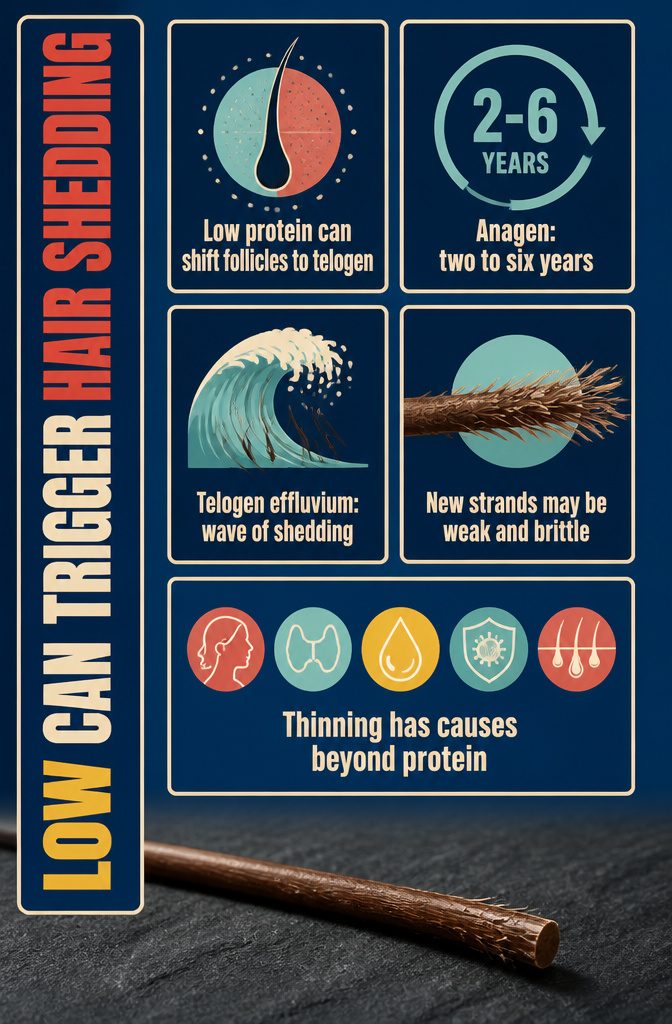
When protein intake falls short, the body conserves what it has by shifting hair follicles into telogen, the resting phase of the growth cycle.
Normally, follicles spend two to six years in anagen (active growth), two to three weeks in catagen (regression), and two to three months in telogen before shedding.
A sudden drop in dietary protein can push a larger proportion of follicles into telogen early, triggering a wave of shedding called telogen effluvium. The strands that do grow come in weaker, brittle, and prone to breakage.
Other factors cause hair loss too: hormonal shifts, thyroid dysfunction, iron deficiency, autoimmune conditions, and androgenetic alopecia all produce thinning that has nothing to do with how much chicken or lentils you eat.
Protein deficiency is one possible trigger, not a universal explanation. If you are also seeing fatigue, brittle nails, or muscle loss, the problem may be systemic rather than isolated to your scalp.
How Much Dietary Protein Hair Needs
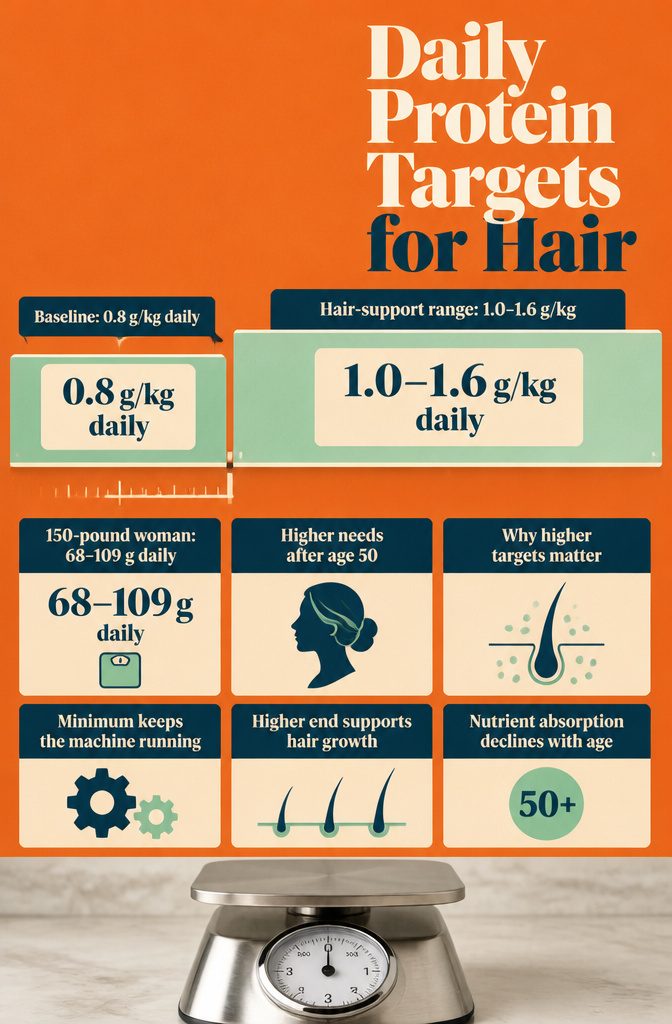
The baseline recommendation sits at 0.8 grams per kilogram of body weight per day, the threshold set to prevent deficiency in sedentary adults.
That figure was set to prevent deficiency, not to support hair health. For women dealing with thinning or who want to support follicle turnover, the targets climb higher: 1.0 to 1.6 grams per kilogram daily, depending on activity level and age.
A 150-pound woman working from those ranges would land somewhere between 68 and 109 grams of protein each day.
The spread is wide because the body’s demands shift. Women over 50, for instance, lose muscle faster and absorb nutrients less efficiently, both of which push protein needs upward.
The minimum keeps the machine running. The higher end gives hair what it actually needs to grow.
Dietary Sources and Supplements
Dietary Sources and Supplements
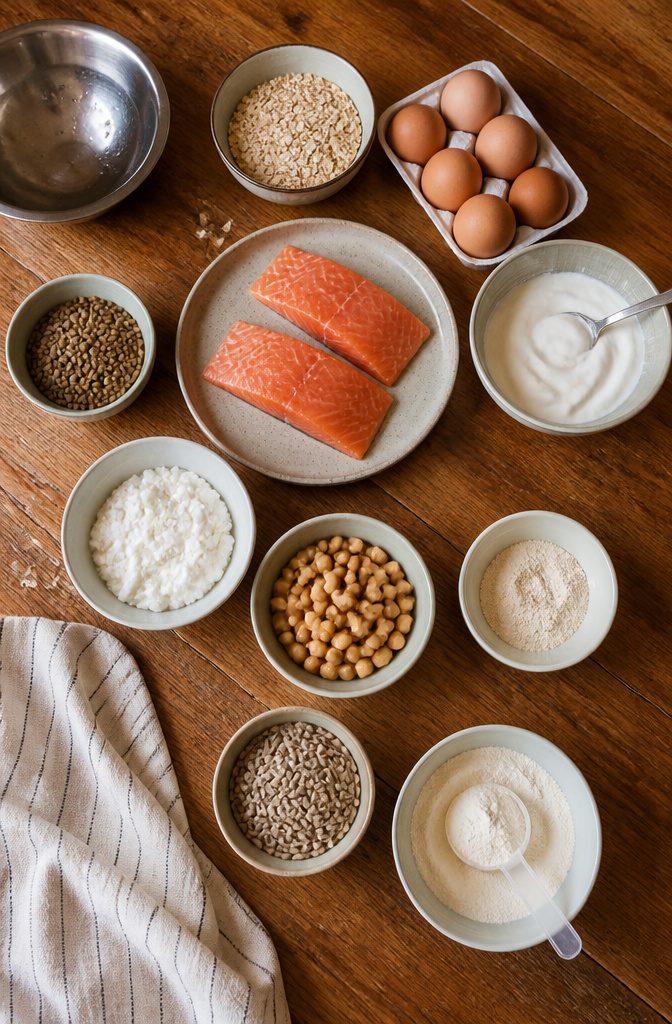
Animal proteins deliver all nine essential amino acids in one shot. Eggs, Greek yogurt, salmon, and cottage cheese are the fastest routes to cysteine, methionine, and lysine, the three amino acids your follicles lean on hardest when building keratin.
Cottage cheese also brings biotin and selenium. Plant proteins from legumes, nuts, and seeds work, but most are incomplete on their own, so you pair lentils with sunflower seeds or chickpeas with oats to cover the spread.
Protein powders are shorthand for hitting a target. Whey concentrate sits at 60 to 80 percent protein, whey isolate at least 90 percent.
Evidence on whey and hair loss is mixed, but the powders themselves just compress what you would get from food. Collagen supplements supply precursor amino acids, though your body still converts them into keratin rather than using them directly.
Keratin supplements skip that step and deliver the structure already formed. None of this overrides pattern loss or speeds growth past what adequate nutrition already supports.
Topical Protein Treatments
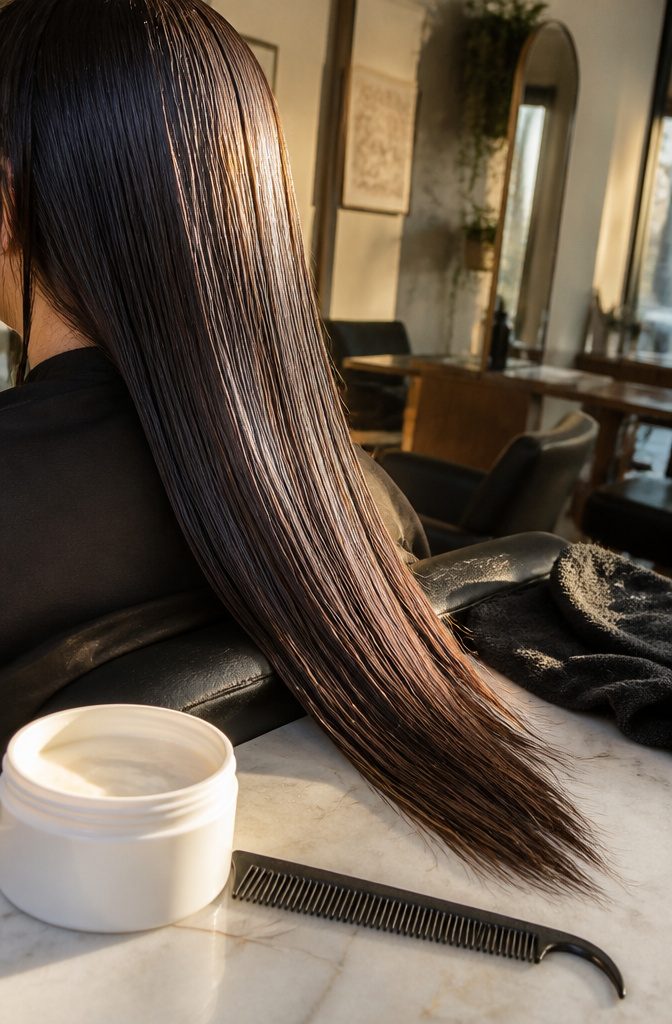
Topical protein treatments coat the hair shaft and temporarily fill in microscopic gaps left by heat styling or chemical processing.
The result is hair that looks shinier and feels smoother, but treatments work on the strand, not the follicle where growth occurs. That means they improve appearance and reduce breakage without changing how fast your hair grows.
Keratin, the main protein in your hair, can be added to your hair to strengthen your strands. Products like leave-in conditioners and deep conditioning treatments coat your strands with keratin to make them stronger.
That coating helps if your strands are prone to snapping, but it does nothing to the rate of growth.
Hair grows about half an inch per month, and any real change at the follicular level takes three to six months to show up as visible length or density.
I find protein treatments useful for making damaged hair behave, not for making it grow faster.
Signs, Risks, and When to Seek Help
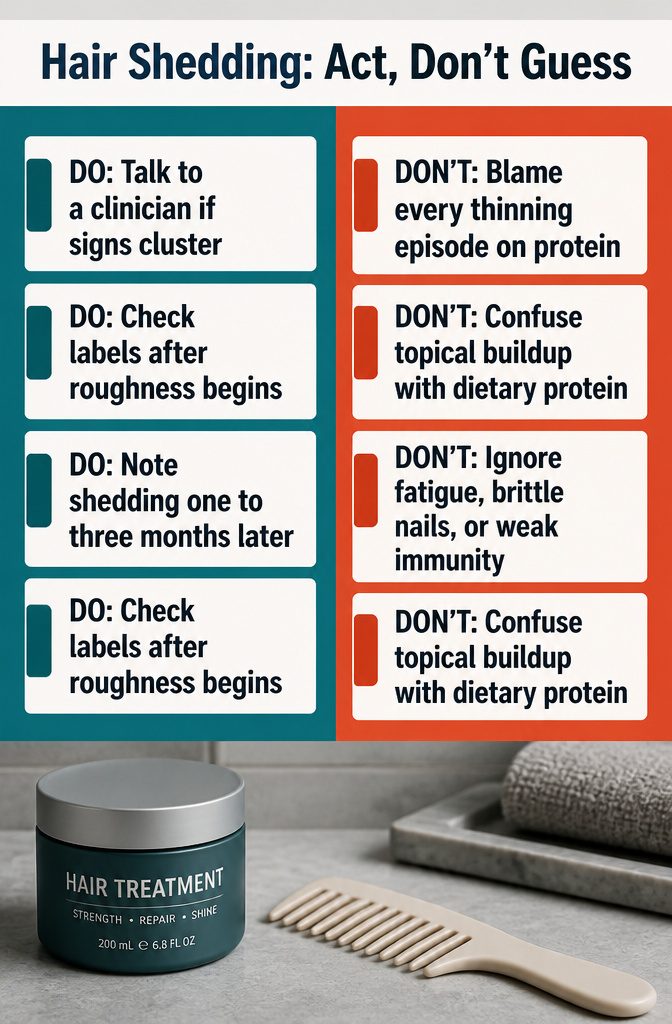
Excessive shedding, dull strands, and hair that breaks easily can all point to a diet too low in protein.
When your body doesn’t get enough, it conserves what’s available by shifting more follicles into a resting phase. That shift, called telogen effluvium, leads to noticeable thinning about one to three months after the diet changed.
Other signs include fatigue, brittle nails, and weakened immunity. If several of those show up together, talking to a healthcare professional or registered dietitian makes sense.
Protein buildup from hair products is a different problem.
Hair that feels stiff, brittle, or breaks more than usual after using treatments with hydrolyzed collagen or silk protein means too much keratin has built up on the shaft. Split ends and limp texture are common signs.
This kind of overload only happens from topical treatments, not from what you eat. Check your product labels if your hair suddenly feels rough even though you’ve been gentle with it.
Pattern Hair Loss and Medical Evaluation
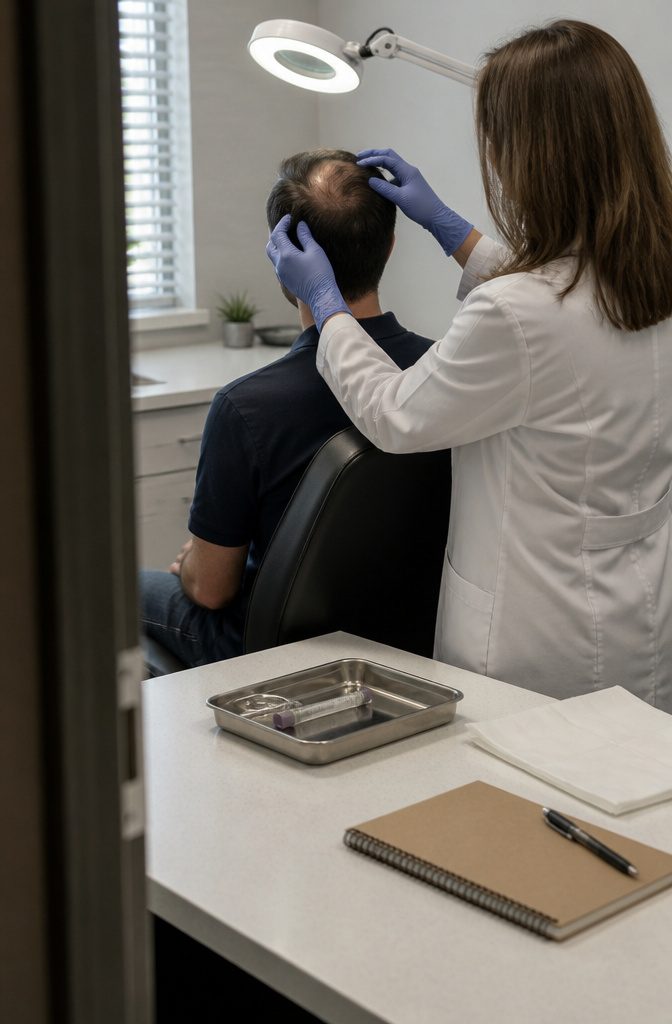
Extra protein in your diet or in a leave-in treatment will not grow hair back if the loss follows a pattern.
Androgenetic alopecia is driven by genetics and hormones, not by what you ate last week or how much hydrolyzed wheat protein you smoothed over your ends.
The distinction matters because the two causes call for different responses. Nutritional deficiency shows up as diffuse shedding across the whole scalp, often reversible once the deficit is corrected.
Pattern loss thins in predictable zones and persists even when protein intake is generous. If you are seeing rapid thinning, a visible pattern, or patches that do not recover after a few months, see a dermatologist.
Ferritin below 30 ng/mL has been linked to increased shedding, so bloodwork can clarify whether nutrition is part of the picture at all.
Protein Powders and Whey
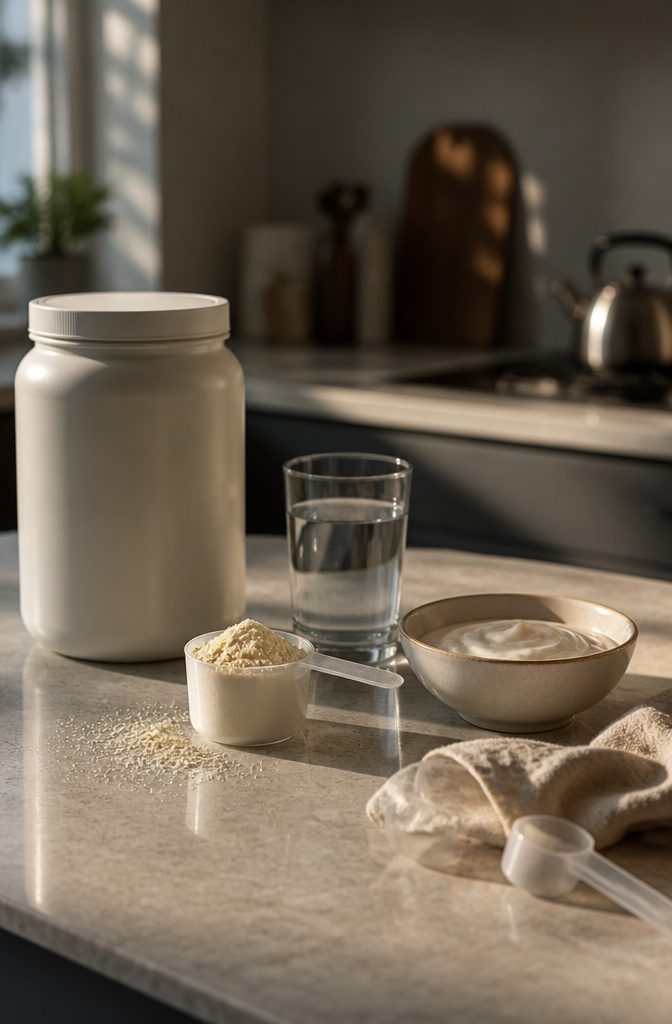
Protein powders sit at the center of a debate that matters more for what they might push out than for what they add.
If your diet is already meeting baseline protein needs, adding whey or collagen powder does not deliver extra hair growth.
The body stores amino acids only briefly; anything beyond what it can use that day leaves as waste or converts to energy.
A 2010 study of 100 men and women linked whey supplementation to increased shedding in a subset of participants, but the study was small and the results have not been replicated at scale. The evidence remains mixed.
What deserves more attention are the additives: creatine, DHEA, and synthetic growth hormones sometimes show up in bodybuilding blends, and those ingredients carry separate hormonal effects that can influence hair in people genetically prone to androgenic alopecia or already managing an endocrine condition.
Topical Protein Overload
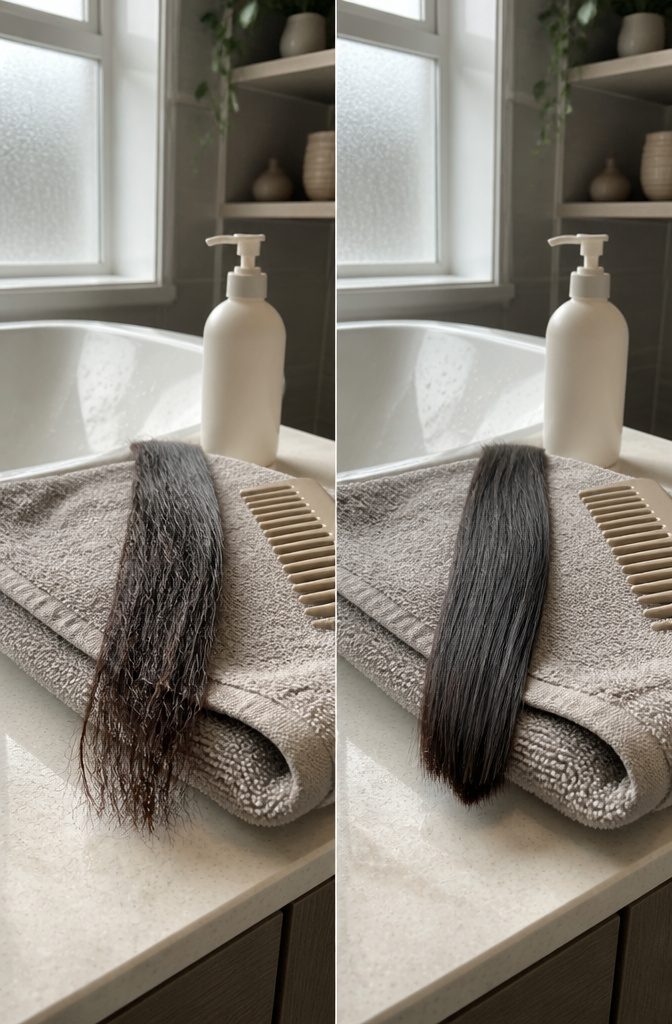
Too much protein on the hair shaft makes strands stiff, rough, and more prone to snapping — not stronger. Keratin builds up on the outside of each strand, not inside it, and that surface accumulation is what turns manageable hair brittle.
This is entirely a product problem, not a diet one; eating more protein won’t cause it, and eating less won’t fix it.
Low-porosity hair is especially vulnerable because tightly closed cuticles resist absorption and let protein sit on the surface.
A clarifying shampoo once or twice a week keeps that buildup from compounding. If the ends already feel straw-like, trimming an inch or 2 removes the most damaged sections, since split ends won’t close back up on their own.
None of this touches the follicle. Buildup on the shaft doesn’t slow or stop growth at the root.
Frequently Asked Questions
Can a low protein diet cause hair loss?
Yes. When dietary protein falls short, the body shifts hair follicles into telogen, the resting phase, earlier than normal, triggering a wave of shedding called telogen effluvium.
The strands that do grow come in weaker and more prone to breakage. Thinning typically becomes visible 1–3 months after the dietary change.
How much protein do you need for healthy hair?
The baseline recommendation is 0.8 grams per kilogram of body weight per day, a target set to prevent deficiency rather than support full follicle function.
For women dealing with thinning, targets run 1.0–1.6 grams per kilogram daily depending on age and activity level. A 150-pound woman working from those ranges would land between 68 and 109 grams per day.
Is hair 90% protein?
Hair is roughly 95 percent keratin, a structural protein built from amino acid chains. Keratin forms the cortex at the center of each strand, which gives hair its strength and shape.
What does protein deficiency hair look like?
The most common signs are excessive shedding, strands that look dull or lifeless, and hair that breaks easily.
You may also notice overall thinning across the scalp rather than loss concentrated in one zone. If brittle nails and fatigue show up alongside the hair changes, a dietary cause is more likely.
What foods can help strengthen hair?
Eggs, Greek yogurt, salmon, and cottage cheese deliver cysteine, methionine, and lysine, the 3 amino acids follicles rely on most when building keratin.
For plant-based diets, pairing lentils with sunflower seeds or chickpeas with oats covers the amino acid spread that most plant proteins leave incomplete on their own.
Can eating more protein improve hair loss?
If protein deficiency is contributing to the shedding, yes, raising intake will help.
Any change at the follicular level takes 3–6 months to show up as visible length or density, so results are not immediate. Extra protein will not reverse pattern hair loss driven by genetics or hormones.
Do protein treatments help hair grow faster?
No. Topical protein treatments coat the hair shaft, temporarily filling in microscopic gaps left by heat styling or chemical processing.
That can reduce breakage and help retain length, but it does nothing to the follicle where growth actually starts. Hair grows roughly half an inch per month, and no topical product changes that rate.
Can you have too much protein in your hair?
Protein buildup from hair products, not from diet, can make strands stiff, brittle, and more prone to snapping. Signs include split ends, limp texture, and hair that feels rough even after gentle handling.
Checking product labels for ingredients like hydrolyzed collagen or silk protein is the first step; a clarifying shampoo once or twice a week can clear the buildup.
Does whey protein cause hair loss?
The evidence is mixed and not settled. A 2010 study linked whey supplementation to increased shedding in a subset of participants, but it was small and the results have not been replicated at scale.
A bigger concern with some bodybuilding blends is added ingredients like creatine, DHEA, or synthetic growth hormones, which carry hormonal effects that can influence hair in people already prone to androgenic alopecia.
Can too much dietary protein cause hair loss?
Excess protein intake on its own is not an established cause of hair loss. The real risk is an unbalanced diet where heavy reliance on protein supplements pushes out iron, zinc, and biotin, nutrients hair also needs.
Eating more whole-food protein than your body can use on a given day does not produce buildup the way topical treatments do.