Hair needs protein to build keratin, omega-3 fats to support follicle oil glands, and vitamins to keep the scalp working, and you can get all of them from eggs, fatty fish, avocados, poultry, beans and berries.
Eggs, fatty fish, avocados, lean poultry, beans and berries each cover one or more of those, and the evidence is clearest when hair loss traces back to a deficiency.
Salmon twice a week and 2 or 3 eggs a few times a week both fit without much effort, and a half-cup of cooked beans keeps in the fridge for days.
1. Eggs
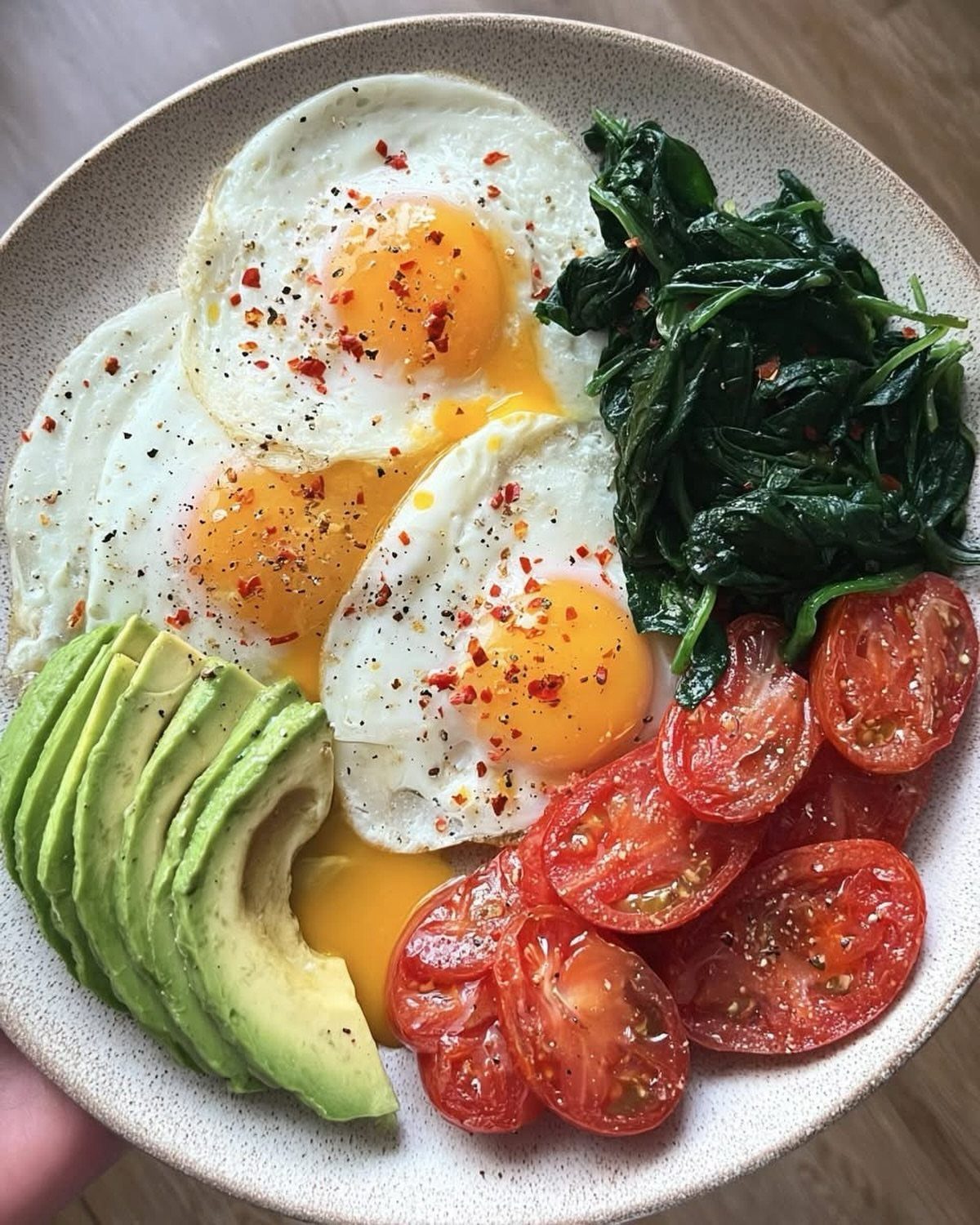
Eggs supply protein in a form hair can actually use, along with biotin, both tied to keratin production. The yolk holds most of the nutrients, so sunny-side-up or soft-boiled delivers more than whites alone.
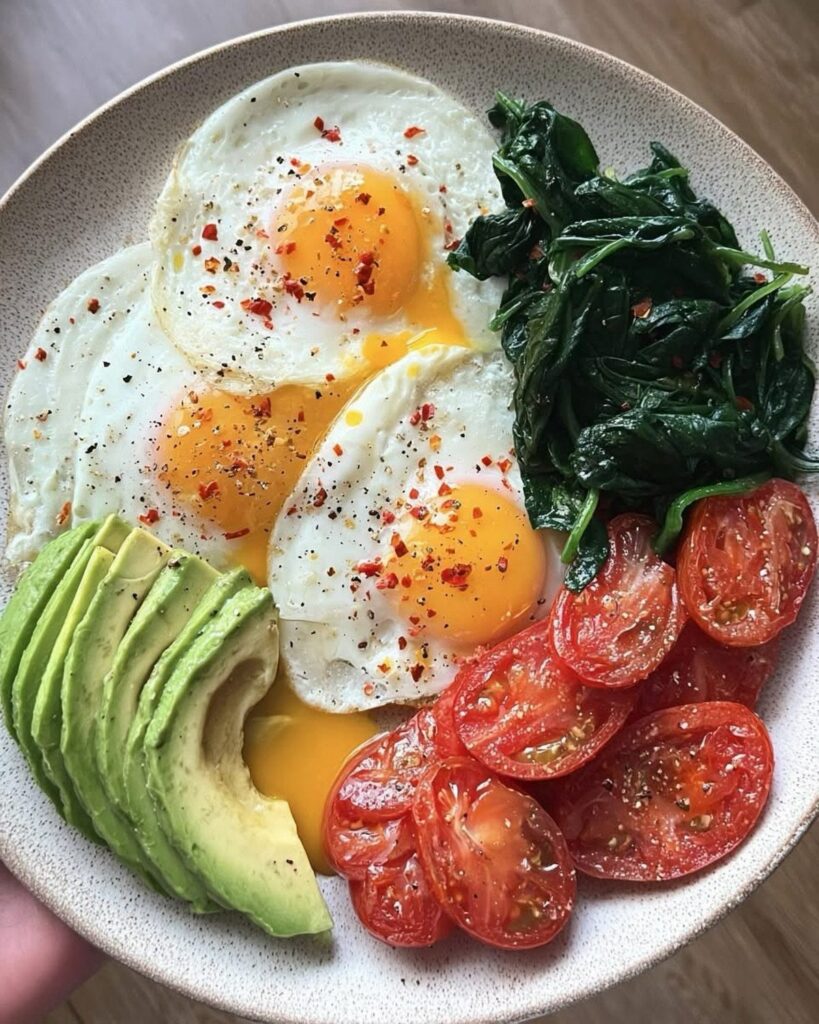
I usually eat 2 or 3 eggs a few times a week, scrambled or fried, with vegetables on the side. Add spinach or avocado and you cover protein, healthy fats and a few vitamins in one meal.
2. Fatty Fish
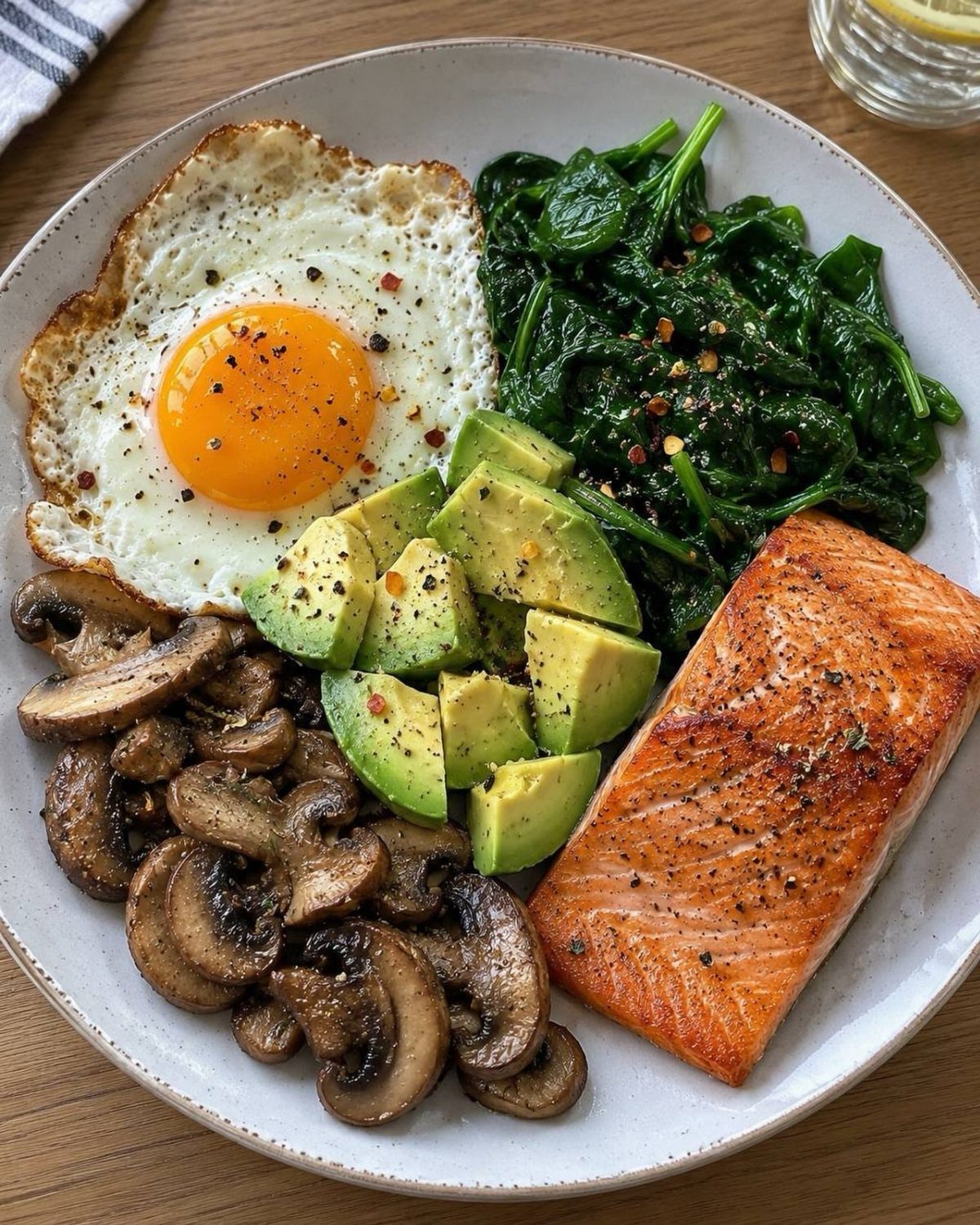
Salmon, mackerel and sardines bring omega-3 fats alongside protein, both linked to scalp health and hair growth. The fats in oily fish support the oil glands around each follicle, and protein gives hair its structure.
Salmon twice a week does the job if you keep each portion reasonable. Pan-sear it and top with a fried egg and spinach so one plate gives protein, omega-3s and iron.
Omega-3s are found in the cells that line the scalp and also provide the oils that help to keep your scalp and hair hydrated.
3. Avocados
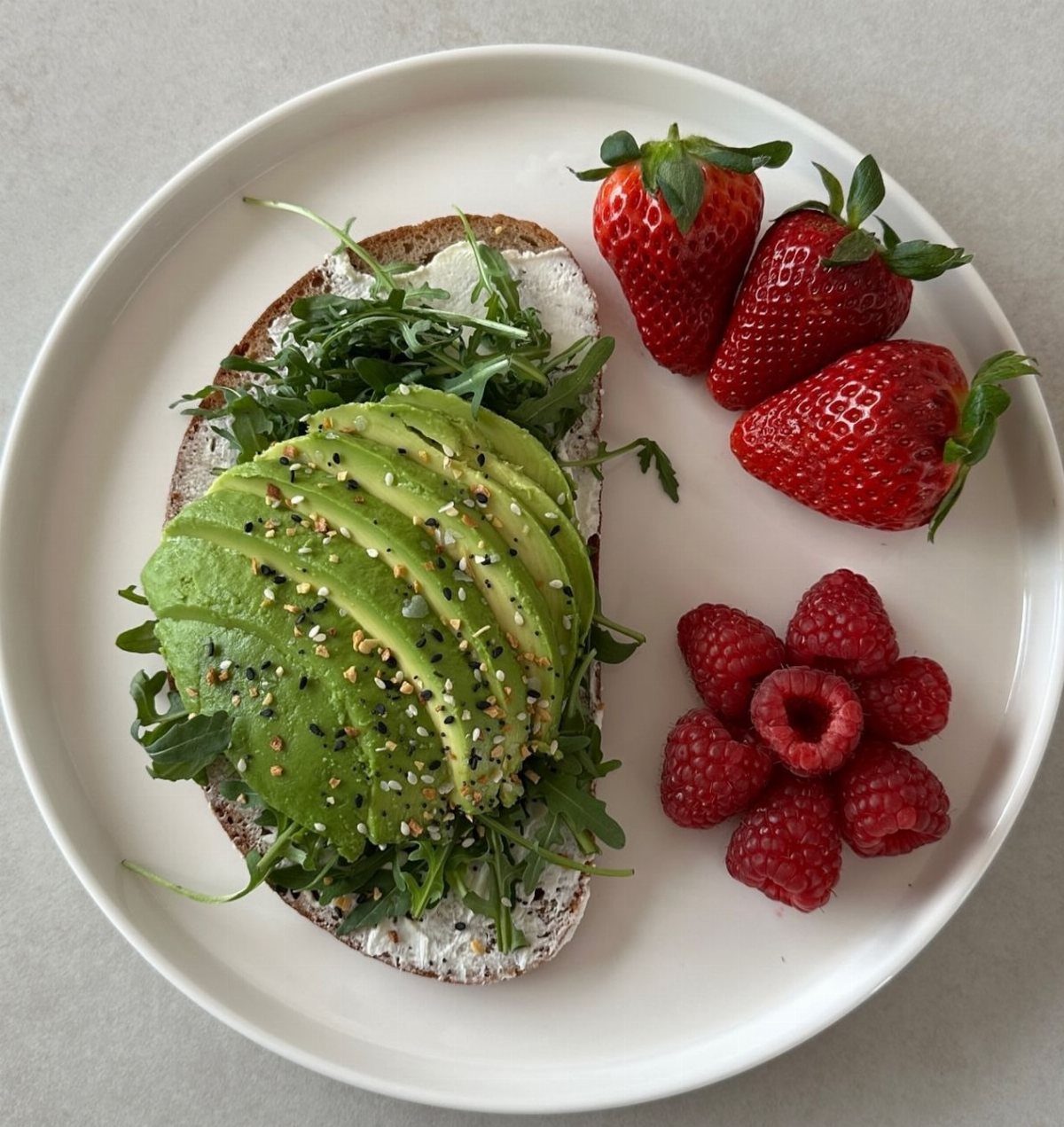
Avocados deliver healthy fats and vitamin E, both linked to scalp and hair health. Vitamin E supports circulation, and the fats help your body absorb other nutrients from the meal.
Half an avocado a day fits most diets.
I spread it on toast with greens and seeds or dice it into salads. The flavor is mild enough to pair with sweet or savory toppings, so it slots into breakfast or lunch without much thought.
4. Lean Poultry
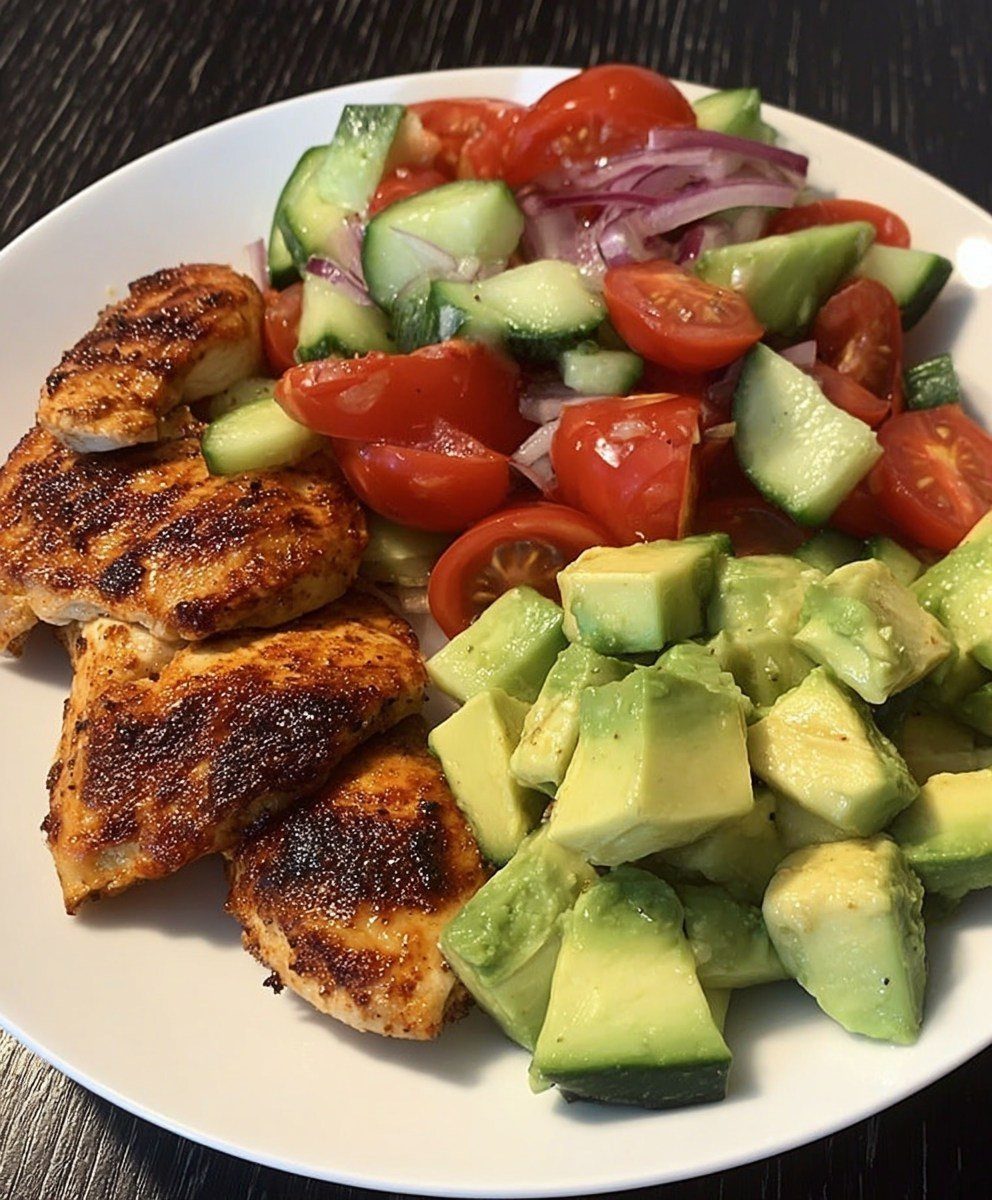
Chicken and turkey give lean protein for keratin production and iron to keep follicles working. Skinless breast is the leanest option, but thighs work if you prefer darker meat.
Grill or bake a batch of chicken breasts at the start of the week and add them to salads or pair with vegetables and avocado. A single serving covers your protein without much fat or extra time in the kitchen.
5. Beans and Legumes
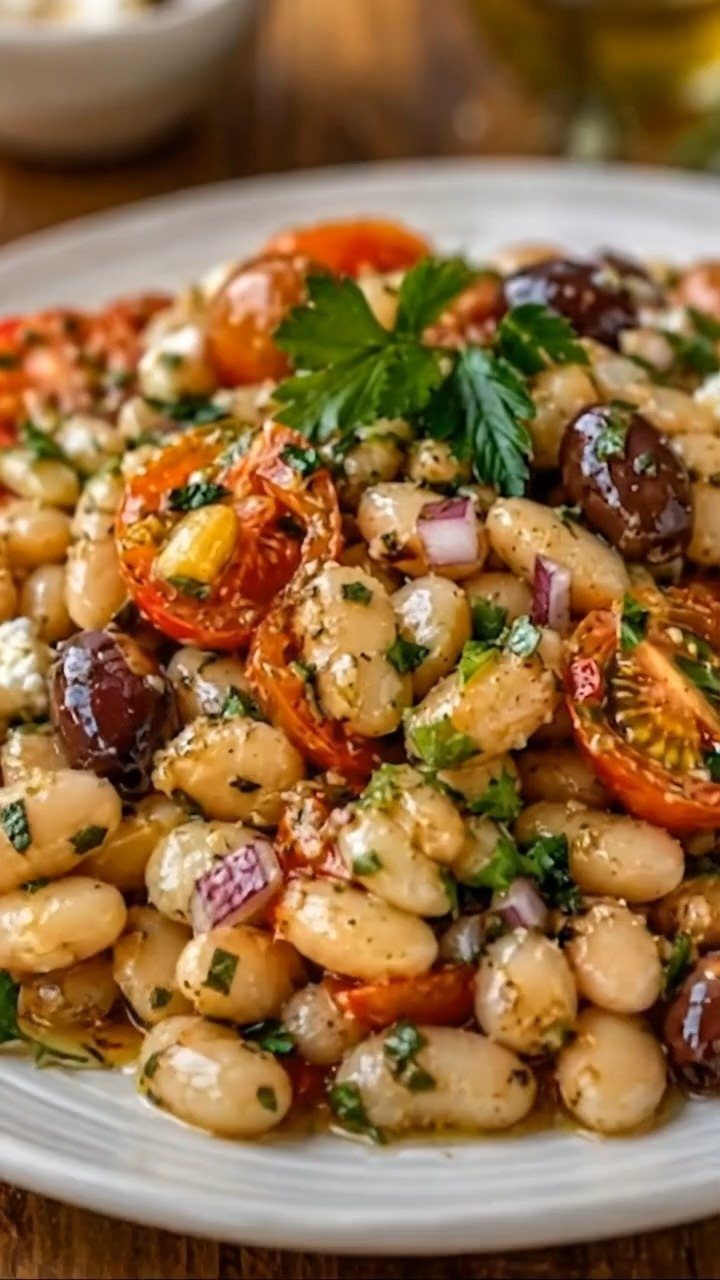
Beans, lentils and chickpeas offer plant-based protein along with iron, zinc and biotin, all linked to hair growth and strength. For anyone avoiding meat, legumes cover several nutrients hair needs in one ingredient.
A half-cup serving gives plenty of plant protein, and cooked beans keep in the fridge for days.
6. Berries
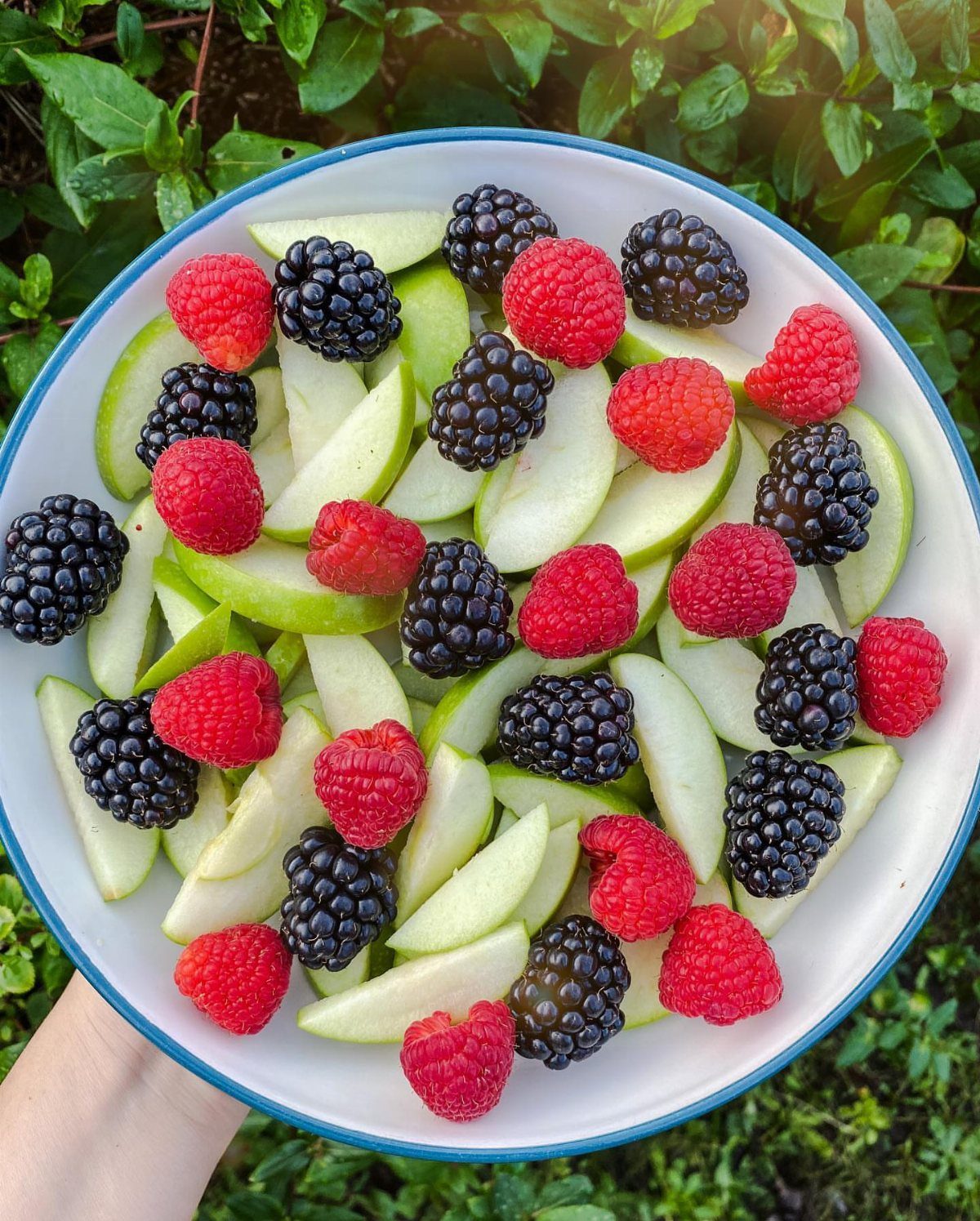
Berries supply vitamin C, which helps your body build collagen and absorb iron, both tied to hair health. Raspberries, blackberries, strawberries and blueberries all work, and the antioxidants they contain support scalp circulation.
I eat a cup of mixed berries most mornings, sometimes with sliced apple. Fresh or frozen both count, and frozen berries cost less outside of summer without losing much of the nutrient content.
Limits of Diet Evidence
Most studies linking specific foods to hair growth focus on people with diagnosed deficiencies or hair-loss conditions.
If you’re low on biotin, iron or protein, adding those nutrients back can make a difference. Whether the same foods produce visible results in someone already eating a balanced diet is harder to say.
The research base is narrow, and findings often don’t extend to people without a deficiency. That doesn’t mean diet is irrelevant, just that the evidence is clearest when hair loss ties back to poor nutrition in the first place.
If thinning started around the same time you changed how you eat, cut calories hard or dropped entire food groups, what you eat may be connected.
Other Causes of Hair Loss
Hair loss also stems from genetics, age, hormones, thyroid disease, stress, medication or other medical conditions.
Genetic hair loss affects both men and women. For women, changes often show up after pregnancy or around menopause.
Thyroid problems can shift hair growth and quality, but only a blood test confirms thyroid function. Repeatedly losing and regaining weight can leave hair brittle, especially when crash diets cut out vitamins and minerals over time.
If hair loss is considerable or persistent, talk to a clinician. A specialist can check your scalp and follicles, identify the cause and recommend treatment when diet alone won’t fix the problem.
Supplements and Excess Nutrients
Food delivers nutrients in forms your body absorbs more easily than supplements do, so that’s where I start.
If you’re considering a supplement, discuss it with a healthcare provider first. Some interact with medications, and excess amounts of certain nutrients cause problems.
Too much vitamin A, selenium or iron can be harmful. High-dose biotin supplements interfere with lab test results, which can lead to misdiagnosis if your doctor orders blood work.
A balanced diet covers most of what hair needs without the risks that come with concentrated doses in pill form.
Frequently Asked Questions
What is the healthiest food for your hair?
No single food is healthiest, but eggs, fatty fish, avocados, lean poultry, beans and berries each supply nutrients linked to hair health.
Eggs give protein and biotin for keratin production, salmon brings omega-3s and protein for follicle support, and berries deliver vitamin C to help your body absorb iron and build collagen.
A varied diet that includes several of these covers more of what hair needs than leaning on one ingredient.
What are the big 3 for thinning hair?
Protein, iron and biotin are the 3 that get the most attention when hair starts thinning.
Protein builds keratin, iron keeps follicles working, and biotin supports keratin production. You can get all 3 from eggs, beans, lean poultry and fatty fish without turning to supplements.
What to drink for thicker hair?
Water supports circulation to the scalp, but drinks alone do not thicken hair.
The nutrients that affect hair growth come from food, and adding a beverage to an otherwise poor diet will not make up for missing protein, vitamins or minerals.
What stimulates female hair growth?
Hair growth depends on getting enough protein, omega-3s, iron, zinc, biotin, and vitamins C and E. Limiting heat styling, treating thyroid or hormonal problems, and reducing stress can all help, but genetics, age and medical conditions often decide how much hair grows.
Can foods affect hair growth?
What you eat matters because nutrient gaps can weaken follicles, slow growth and cause more strands to shed. Diets low in protein, biotin, iron or other nutrients tied to hair health often show results in brittle or thinning hair.
Can vitamins help with hair growth?
Vitamins and minerals matter to the normal hair-growth cycle, but evidence for supplements is conflicting.