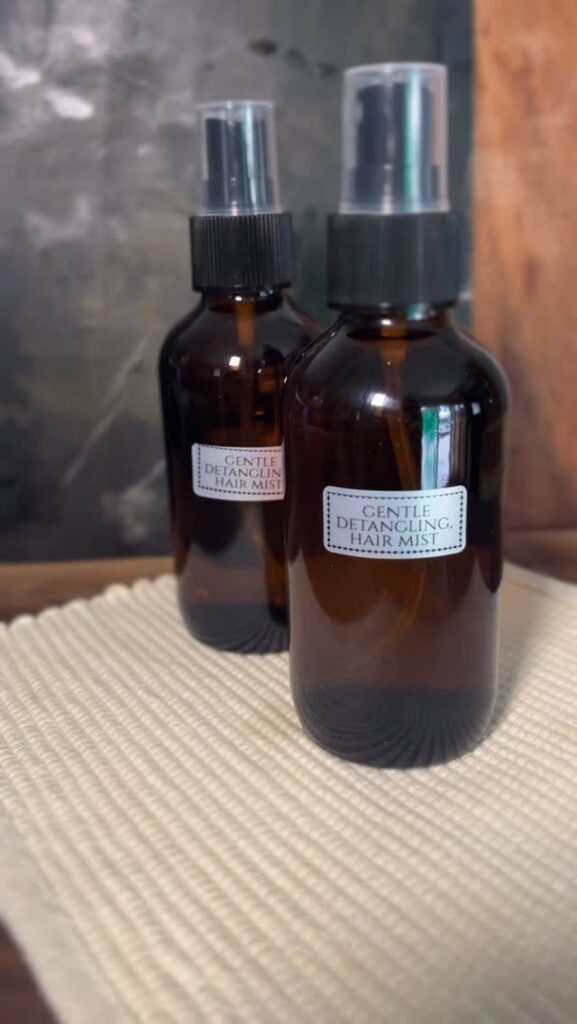
A spray-on mist conditions fine hair without the weight that pulls it flat, while a shea butter blend coats thicker strands that tolerate richer formulas.
1. DIY Detangling Hair Mist Spray
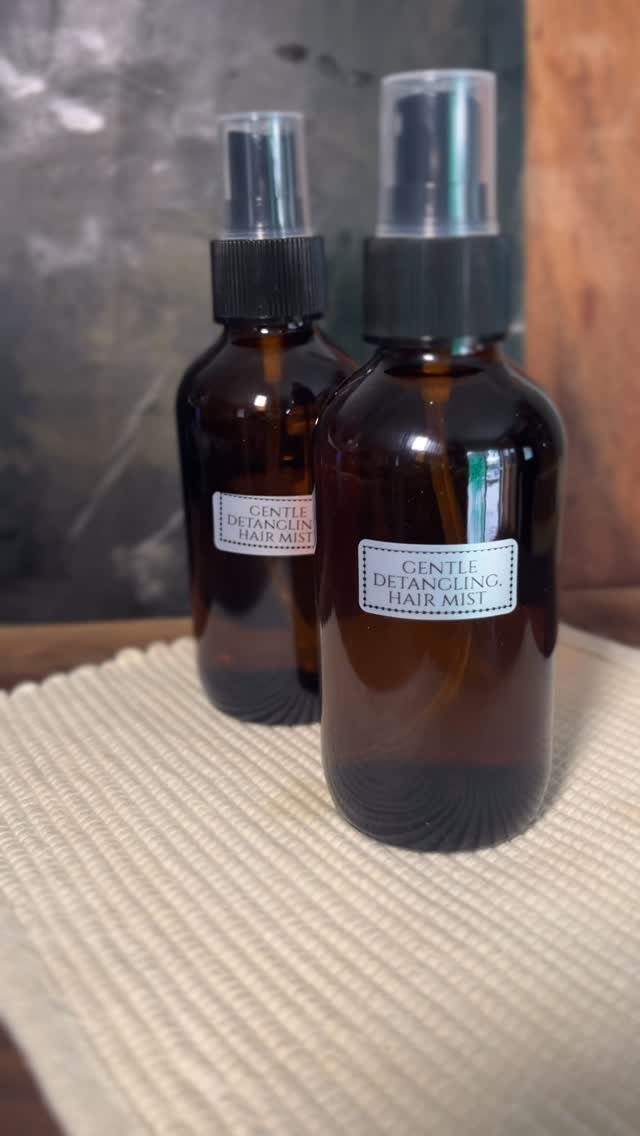
A light mist rather than a thick cream makes detangling easier on fine hair or when you just need slip without weight.
Mix distilled water with a tablespoon of your regular conditioner and a teaspoon of oil in a spray bottle, shake before each use, and spritz through damp hair before combing.
Amber glass keeps the mix from breaking down in sunlight, and labeling the bottle means you will remember what is in it a week later.
Store it in the fridge if you skip preservatives, and make small batches so it stays fresh.
2. Applying Creamy Deep Conditioner
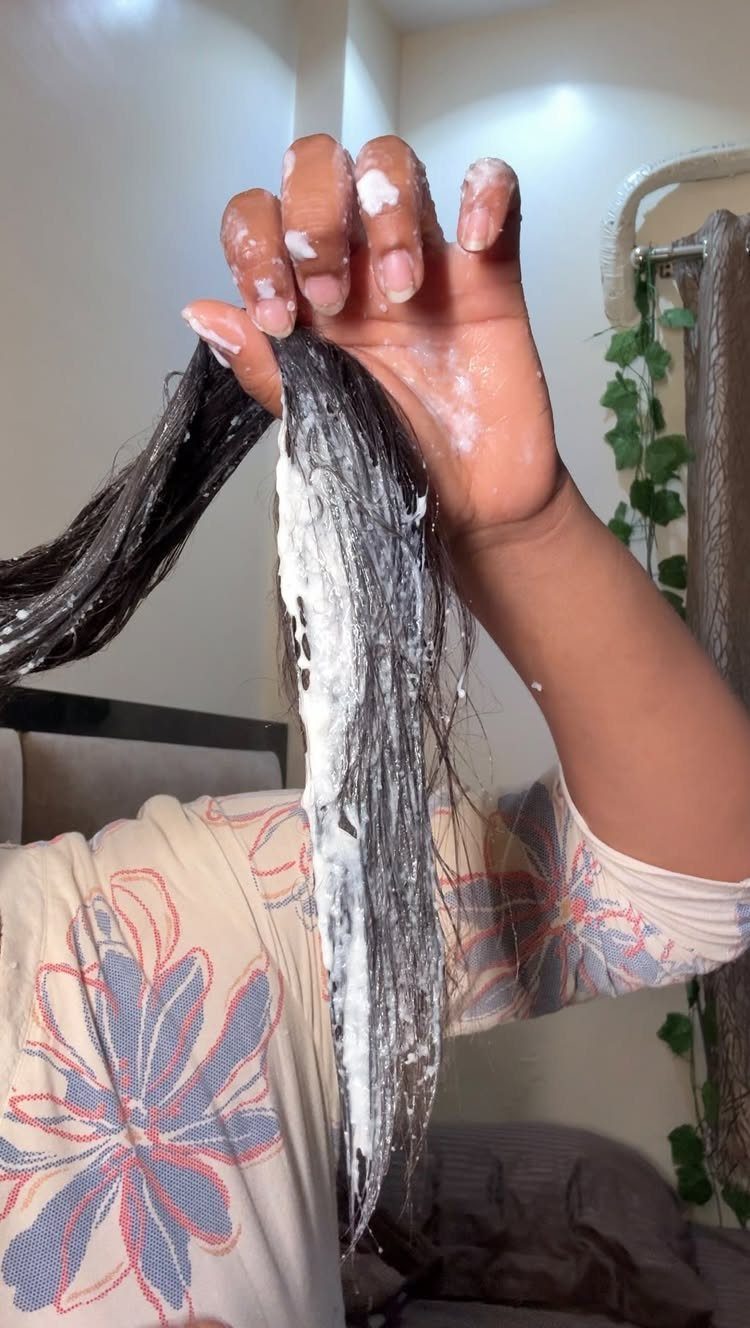
Thick, creamy formulas coat each strand and soak in during the treatment, which makes them ideal for dry or damaged hair that needs more than a quick rinse.
Blend coconut oil, shea butter, and a spoonful of honey until smooth, then work it through from midlength to ends.
The texture visible here holds onto hair without sliding off, so you can clip it up and let it sit. Rinse with lukewarm water until the hair feels clean but still soft.
Shea butter works as a decadent base for this creamy DIY conditioner, while the natural lauric acid in coconut oil penetrates the hair shaft to restore its essential protein.
3. Gel-Based DIY Hair Conditioner

Flaxseed gel thickens into a translucent conditioning base that defines curls while moisturizing.
Boil 2 cups of water with a quarter cup of flaxseeds, simmer until it turns slippery, then strain out the seeds and let the gel cool in a glass bowl.
Add a few drops of oil or aloe vera while it is still warm if you want extra slip. This version lasts about 2 weeks in the fridge and scoops out easily when you are ready to apply it.
Choose by Hair Texture
Fine hair responds better to lighter mixtures that condition without coating every strand in oil. A spray-on formula or a recipe built around aloe keeps the slip without the weight that pulls fine texture flat.
Thicker or coarser hair tolerates richer blends.
Olive oil mixed with regular conditioner adds moisture and nutrients, and the half-cup conditioner base keeps it spreadable. Work through your hair in sections, let it sit for 15 minutes, detangle before you rinse, then wash it out.
Curly hair benefits from formulas that define while they condition. A gel base or a light mist maintains curl pattern without the heaviness that stretches it out.
If a recipe feels too rich after the first try, cut the oil portion in half or thin it with more conditioner. Adjusting the ratio is faster than starting over with a new formula.
Storage and Preservation
Oil-based formulas stay stable at room temperature because bacteria need water to grow. Scoop it out with a clean spoon or dry fingers, seal it in an airtight jar, and a shea butter mix lasts 2 to 3 months.
Anything mixed with water needs more care.
Distilled water minimizes bacteria from the start, but refrigeration adds a margin if you skip preservatives. Vitamin E prolongs shelf life in oil blends, though it works as an antioxidant rather than killing microbes outright.
Glass or PET plastic with a tight lid keeps light and air out. If it separates, smells off or feels different before 2 months are up, throw it out and make a new batch.
Small batches mean you use the conditioner while it’s still good rather than storing half a jar past its window.
Ingredient Sensitivity and Buildup
If you react to a food ingredient, the same sensitivity can show up when you apply it to your scalp.
Coconut, shea, honey and flaxseed are common allergens in their own right, so test a small amount on your inner arm before working it through your hair.
Sensitive skin often does better without added fragrance or essential oils. A plain formula still conditions without the irritation.
Buildup happens when oils or butters coat the hair faster than regular shampoo lifts them off.
A clarifying shampoo once every week or 2 strips the residue, and a vinegar rinse after conditioning helps balance pH and prevent the waxy feel that signals buildup starting.
If your scalp feels itchy or your hair looks dull after a few applications, switch to a lighter oil or use less per session.
Frequently Asked Questions
What can I use if I don’t have conditioner?
Olive oil mixed with aloe vera gives slip for detangling, or coconut oil on its own coats and softens dry ends.
How to use DIY leave-in conditioner?
Spray the mist through damp hair after washing, wait a minute for it to soak in, then comb through starting at the ends. A spray-on formula distributes lightly so fine hair gets slip without coating.





