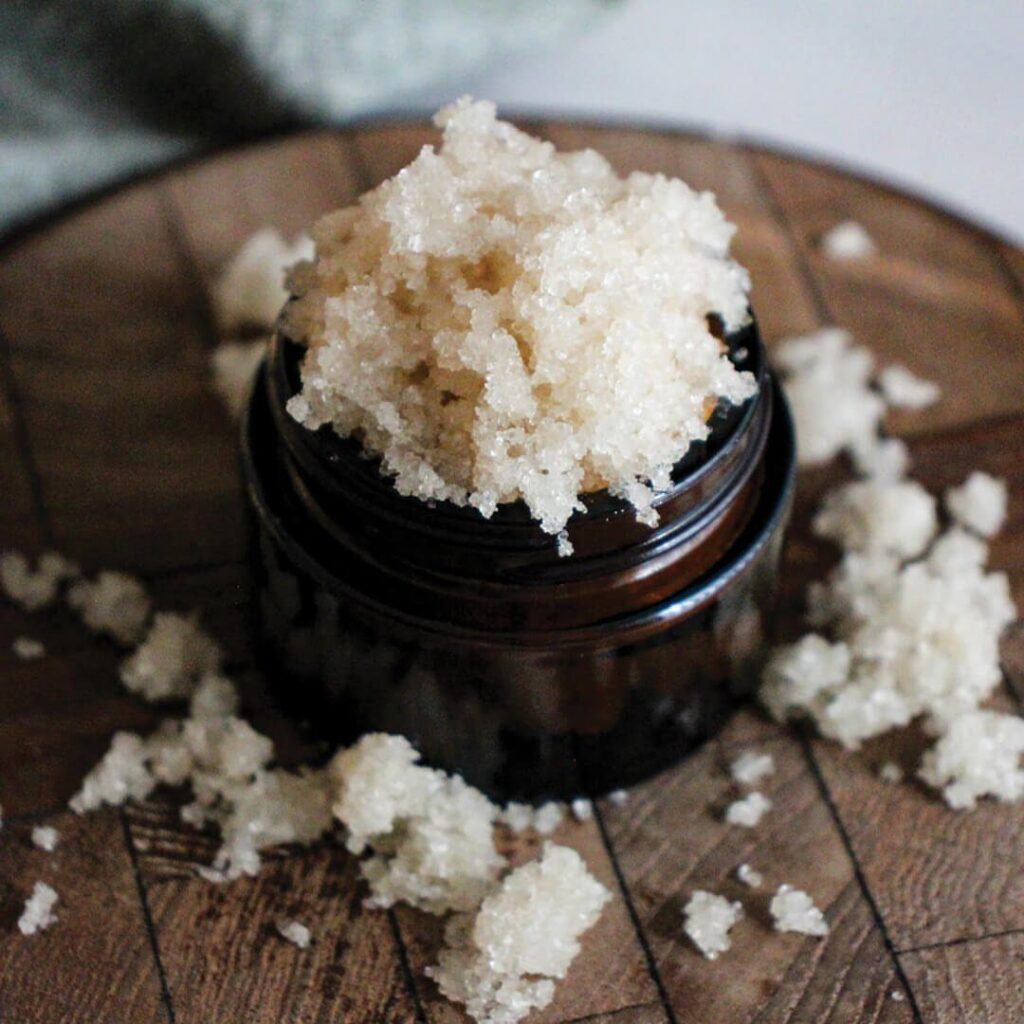
A scalp scrub clears product buildup, flakes and oil better than shampoo alone, and most of them take 2 or 3 minutes to work through before you rinse.
Brown sugar or coarse salt mixed with coconut oil gives you the friction needed when your scalp runs oily or carries heavy styling product.
Dry or sensitive scalps do better with less frequent scrubbing, spaced 2 to 3 weeks apart rather than weekly.
1. Cinnamon, Brown Sugar and Coconut Oil
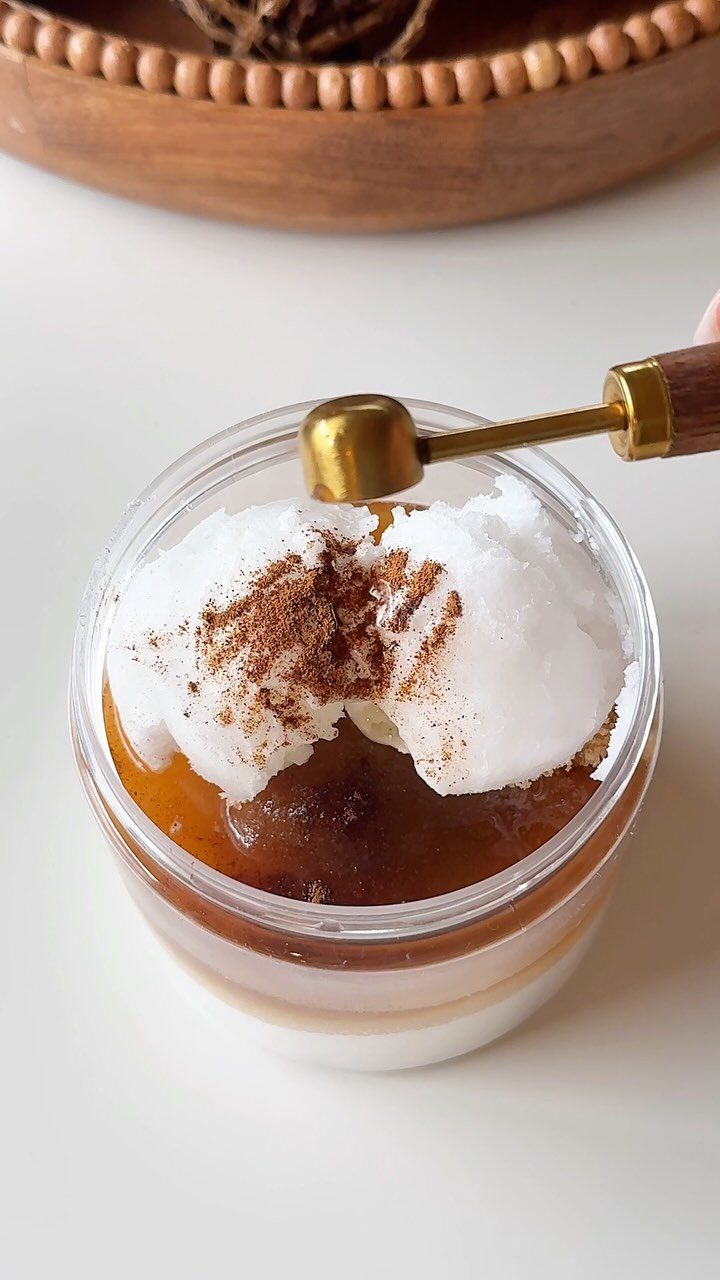
Brown sugar and cinnamon folded into coconut oil give you a scrub that clears buildup and flakes while smelling like something you’d bake. The sugar granules break down as you massage, so they won’t scratch your scalp.
Mix equal parts brown sugar and melted coconut oil, then add a teaspoon of cinnamon per quarter cup of base.
Work it through damp hair in sections with your fingertips for 2 to 3 minutes, then rinse. The oil will soften as it warms, making the rinse easier.
2. Rosemary Scalp Scrub
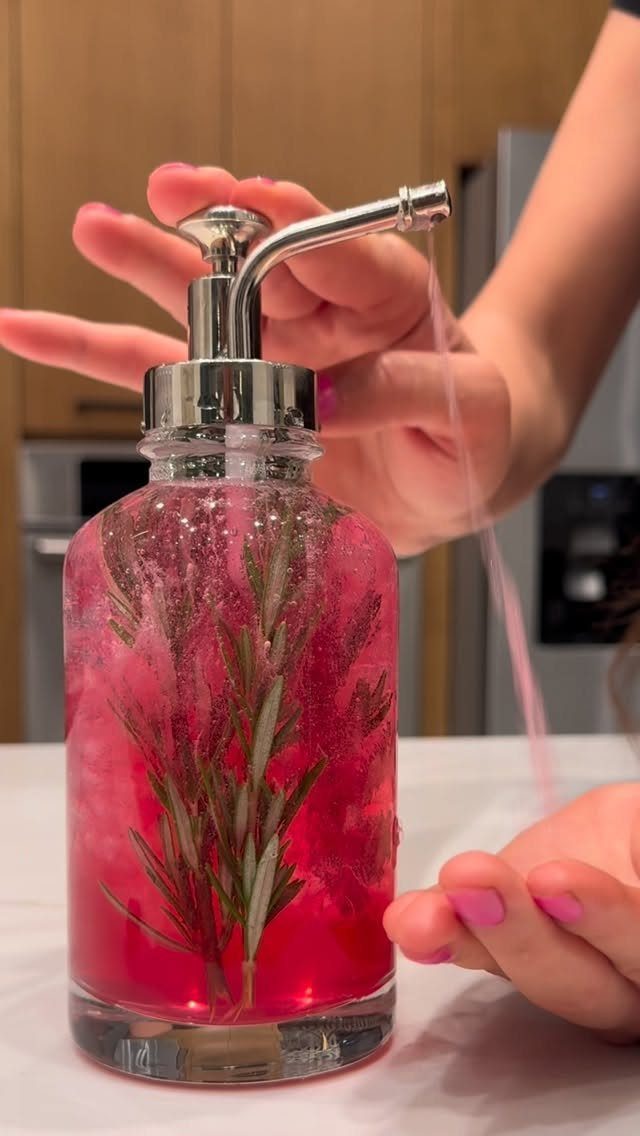
A squeeze bottle makes it easier to dispense a gritty scalp scrub without digging into a jar mid-shower.
The rosemary sprig inside looks nice and releases a bit of scent, though most of the exfoliation comes from the salt or sugar you mix in.
Combine fine sea salt or sugar with a light oil, add a few drops of rosemary essential oil if you want the scent stronger, then drop a fresh sprig into the bottle before filling it.
Pump a small amount into your palm, apply to wet scalp in sections, and massage before rinsing.
3. Coarse Salt Scalp Scrub
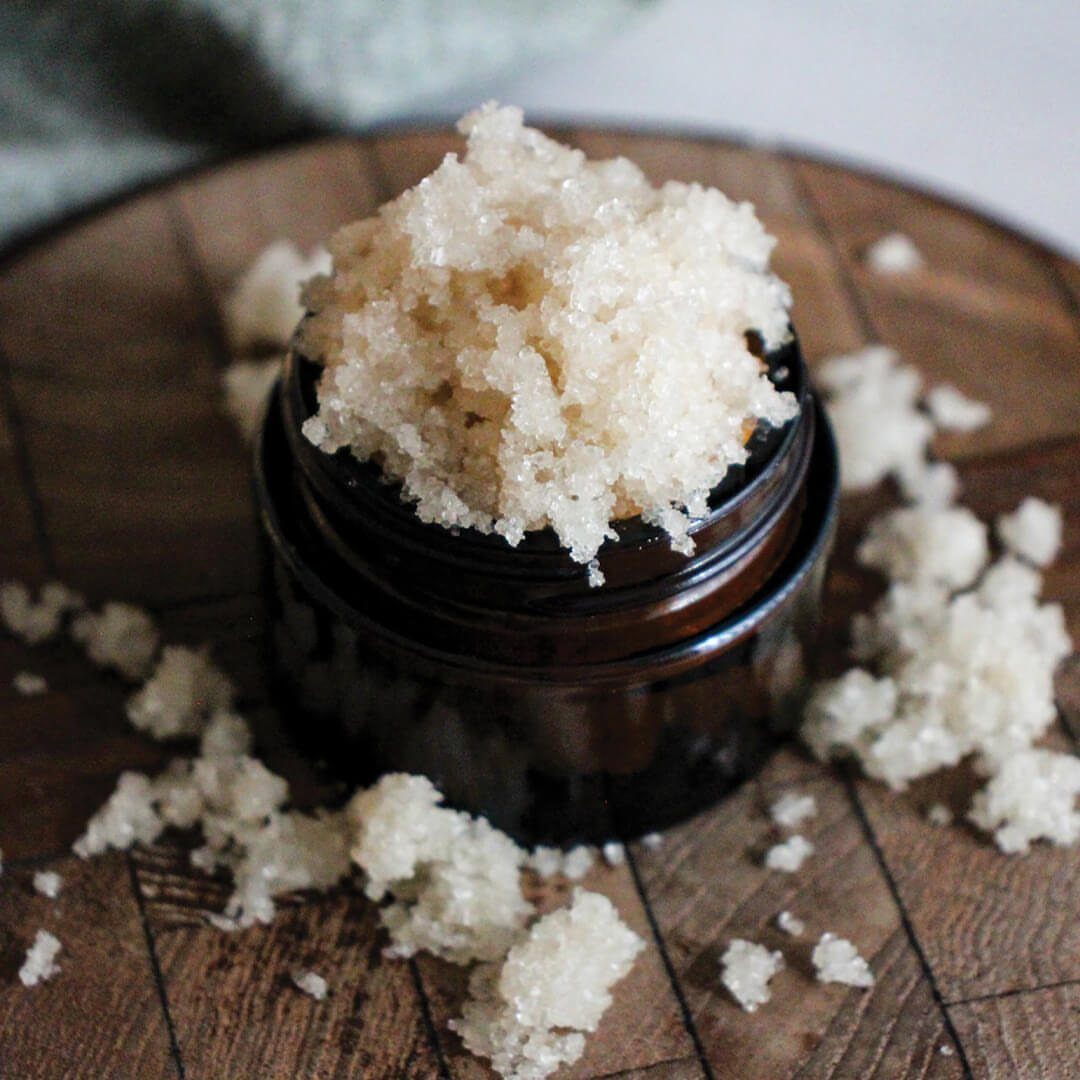
Coarse salt gives you a stronger scrub than sugar, which matters if you have thick product buildup or an oily scalp that needs more than a gentle polish.
The large crystals take longer to dissolve, so you get consistent grit through the whole massage.
Mix coarse sea salt or kosher salt with just enough oil to bind it into a thick paste.
Apply to wet hair at the scalp, work through in small circles for 3 to 5 minutes, then rinse well. I’d skip this if your scalp is sensitive or dry, the grain is too aggressive for that.
4. Applying Grainy Scrub to Scalp
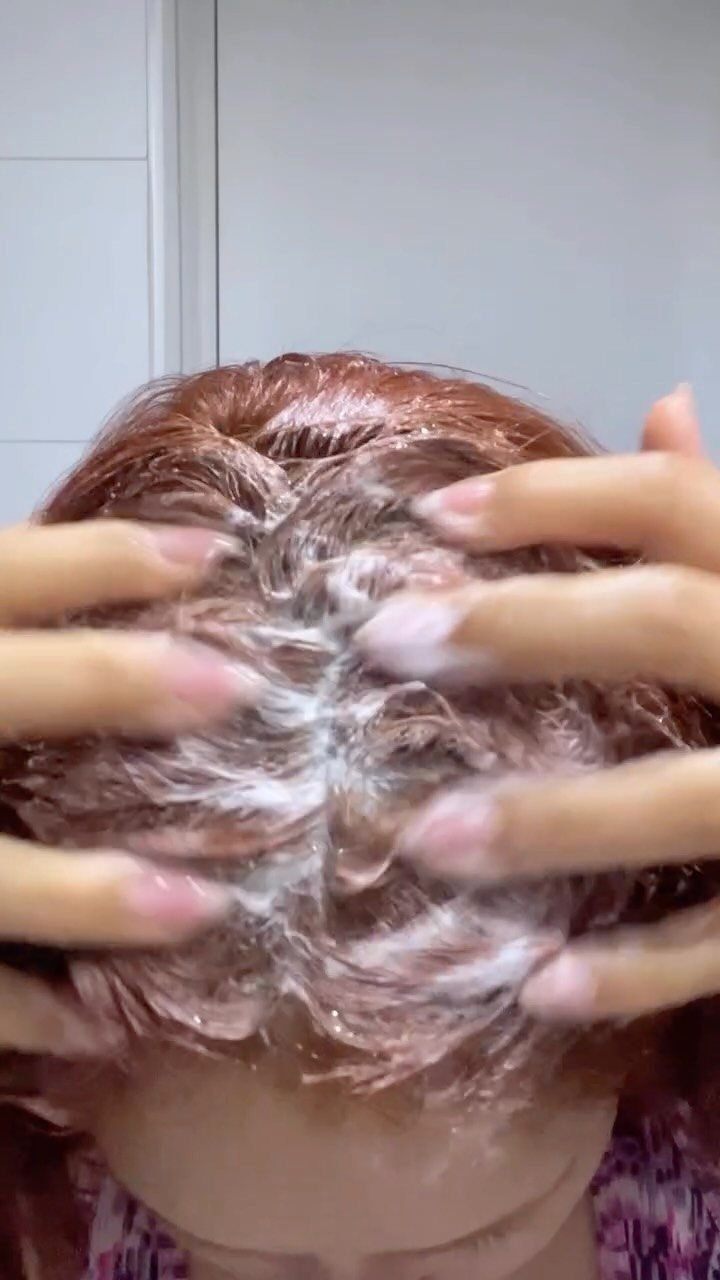
Parting your hair in sections and applying the scrub directly to the scalp, not through the lengths, puts the exfoliation where it belongs.
Fingers work better than a brush because you can feel how much pressure you’re using and adjust as you go.
Start with damp hair, scoop a small amount of scrub, and place it along a part line.
Massage in slow circles with your fingertips for a minute or two, then move to the next section. Rinse thoroughly once you’ve covered your whole scalp.
5. Floral Botanical Scalp Scrub
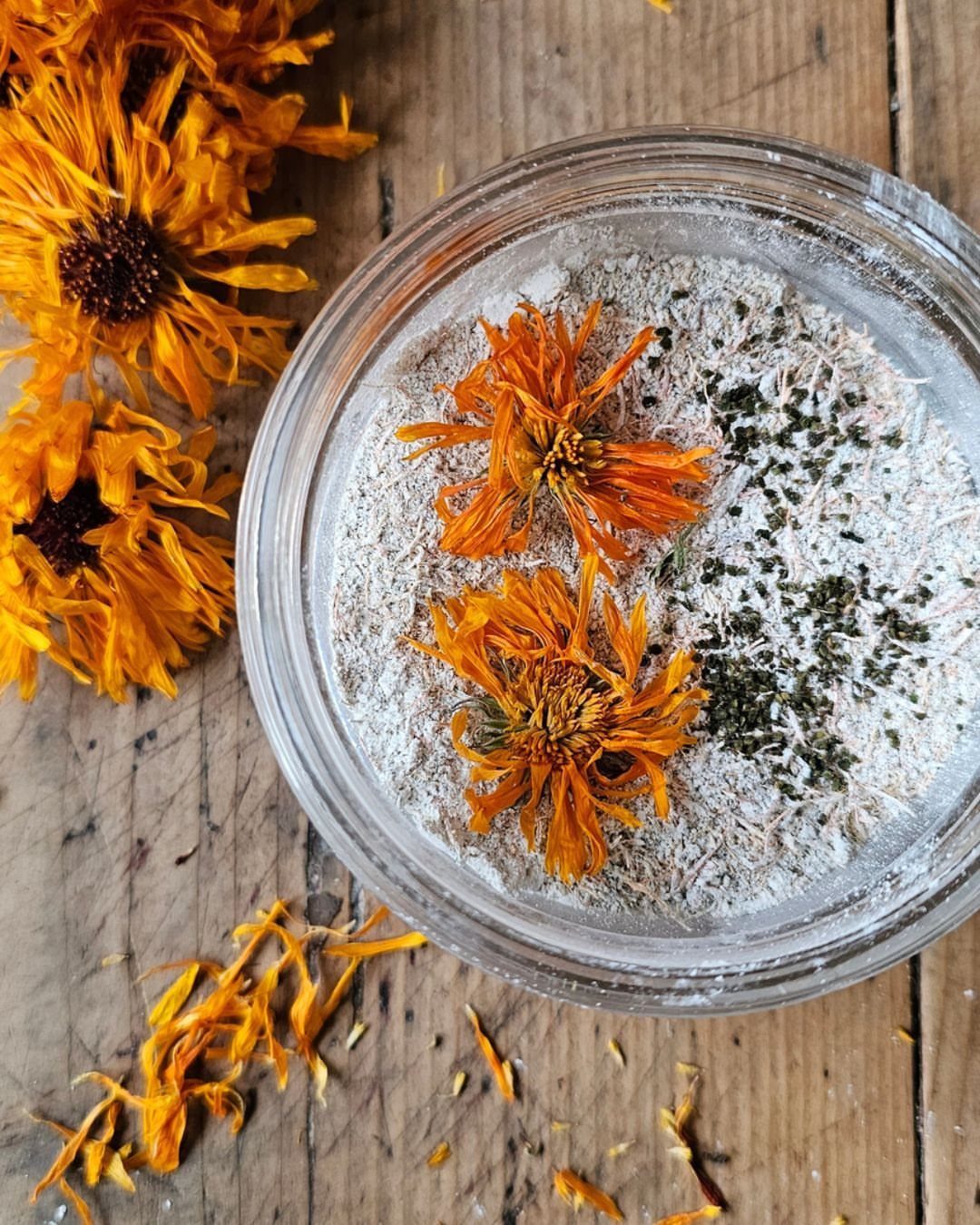
Fresh flowers stirred into a scrub add color and a light scent, though the petals themselves do not exfoliate. The visible green could be dried herbs or spirulina powder, both of which tint the base and add texture.
Mix sugar or fine salt with coconut oil or aloe gel, fold in crushed dried flowers or a teaspoon of powdered greens, then apply to wet scalp.
The flowers look best in the jar; most of the scent comes from essential oils you add separately.
Scalp Exfoliation Frequency
How often you scrub depends on how your scalp behaves.
If it runs oily, once a week keeps buildup in check without overdoing it. A dry scalp needs less friction: every 2 to 3 weeks gives you the clearing action without stripping what moisture is already there.
Sensitive scalps call for restraint.
The line between helpful and too much is narrower than it looks. Scrubbing harder or more often does not speed up the results; it just stresses the skin.
Application and Scalp Cautions
Work the scrub into damp hair, not dry. A damp scalp lets the scrub spread without dragging, and the water softens the granules as you work.
Pressing too hard or scrubbing fast scratches the skin instead of clearing it.
Skip salt or lemon juice if you have any cuts, irritation, or open spots on your scalp.
Salt stings, and lemon left on the skin before sun exposure can cause a reaction. Peppermint oil smells sharp and clean, but more than a few drops will burn.