Hair needs protein, vitamins, and minerals to grow, and when any of those run short, strands can thin or break.
Fatty fish give you omega-3s and protein, berries supply vitamin C that helps your body use iron, and beans offer zinc along with fiber.
Your body pulls more from a plate than a pill: the nutrients arrive together, in forms that absorb easily, with fiber and plant compounds no supplement includes.
A supplement helps when a blood test shows you’re low, but extra vitamins won’t push hair past its normal speed if your levels sit where they should.
1. Fatty Fish
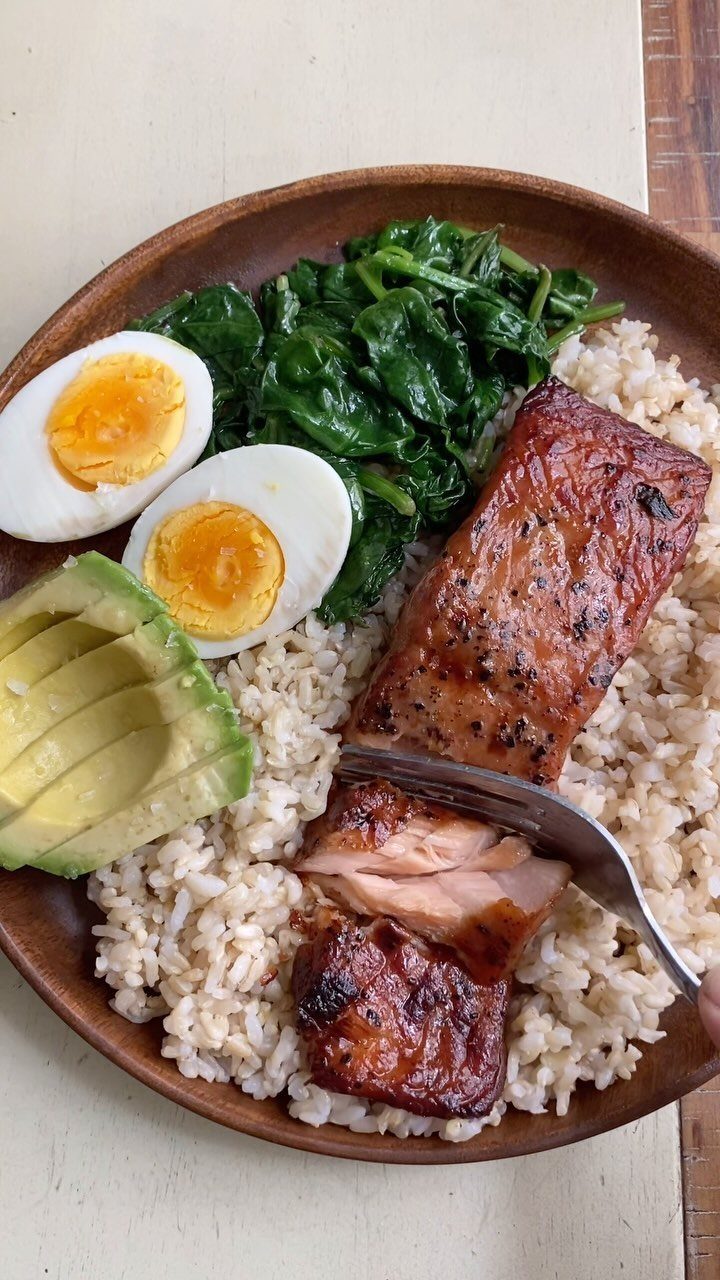
Salmon gives you omega-3 fatty acids along with protein, both tied to stronger hair. The bowl adds spinach for iron, eggs for biotin, and avocado for healthy fats that help your body absorb nutrients.
I’d add this once or twice a week.
Salmon works grilled, baked, or pan-seared, and leftovers hold up well if you’re meal prepping. Brown rice keeps it filling, and you can swap the greens for kale or arugula.
2. Berries
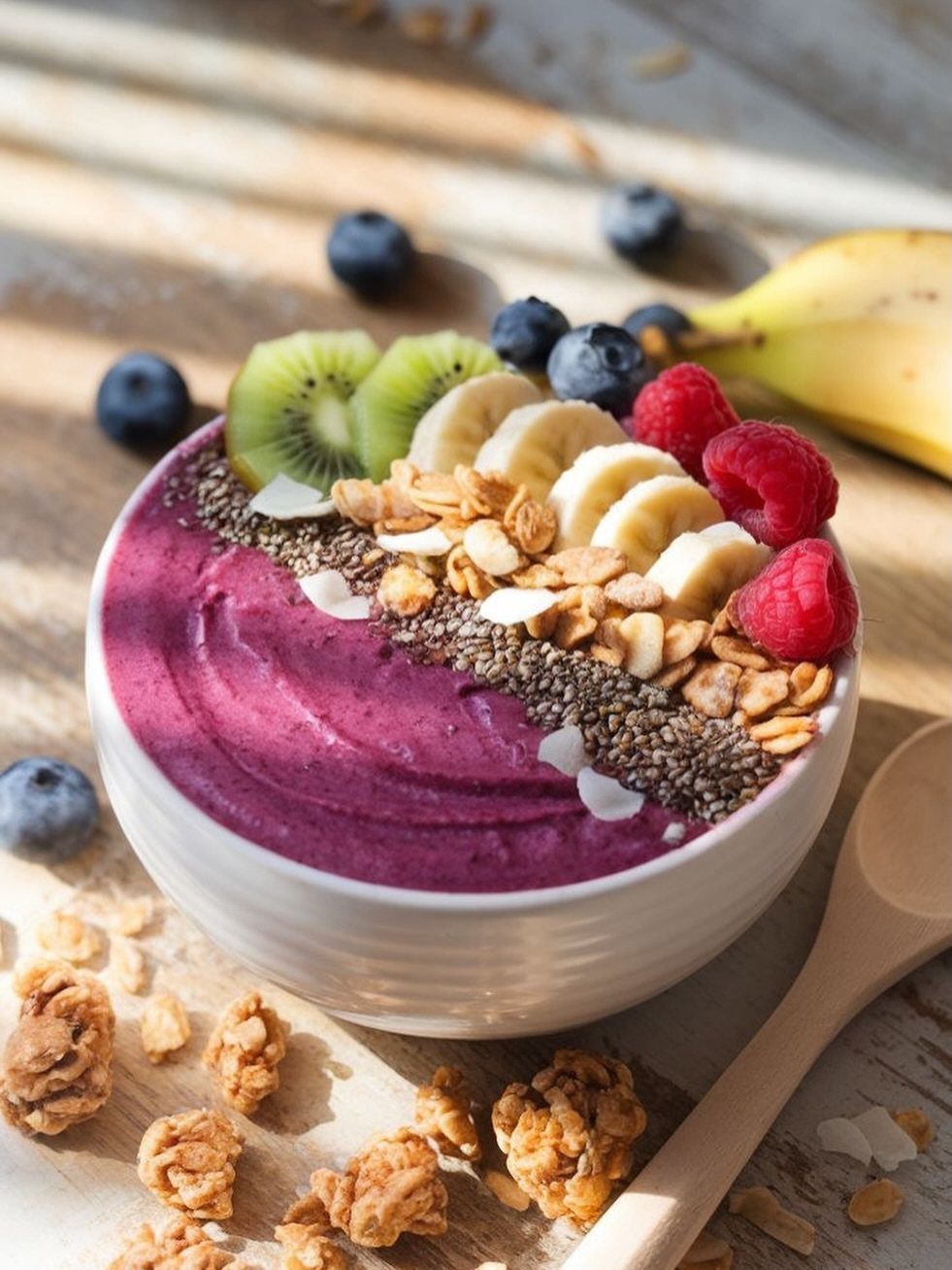
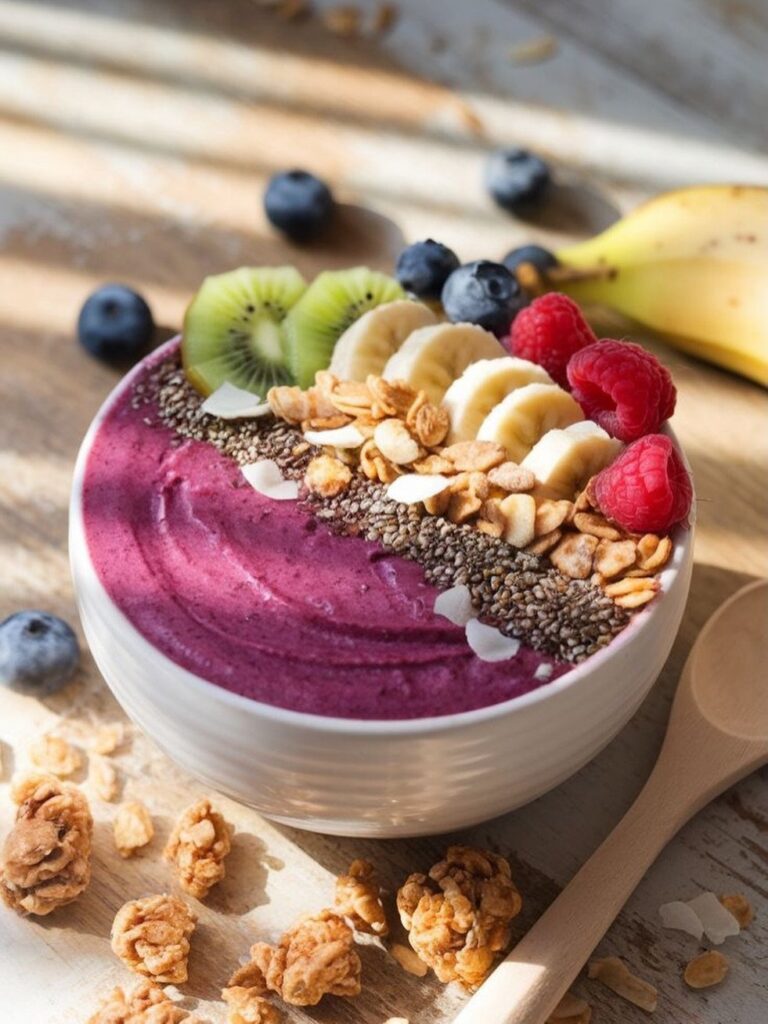
Berries bring vitamin C, which helps your body absorb iron from other foods, and antioxidants that protect hair follicles. A smoothie bowl lets you pile on more nutrients in one sitting.
This version layers raspberries, blueberries, banana, and kiwi over a blended base, then adds granola for crunch and chia seeds for omega-3s. Frozen berries work just as well and cost less year-round.
3. Chia Seeds
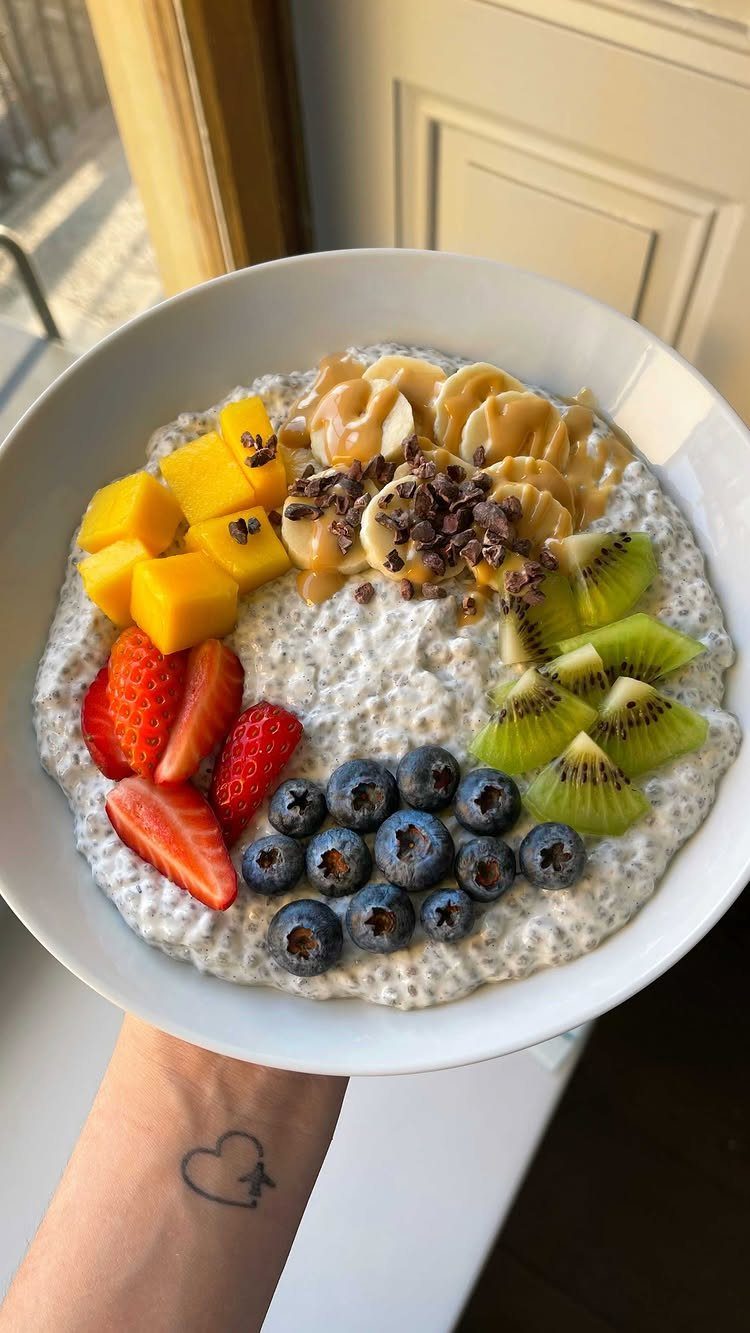
Chia seeds pack omega-3s, protein, and fiber into a pudding that thickens overnight in the fridge.
Mix chia seeds with a cup of milk or a plant-based alternative, let it sit in the fridge overnight, and it thickens on its own.
Mango, banana, berries, kiwi, and a drizzle of peanut butter add vitamins and flavor. Chia pudding holds in the fridge for several days, so you can make a batch and top it different ways each morning.
4. Beans and Legumes
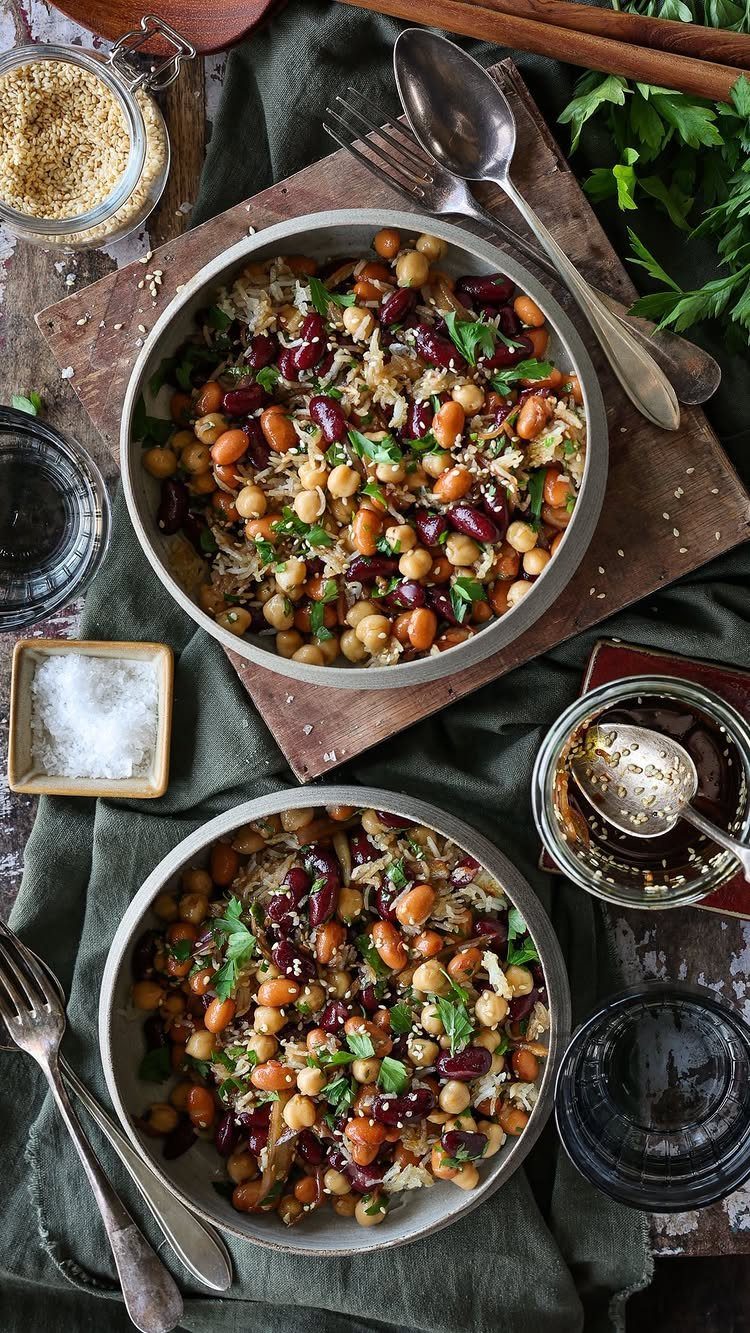
Chickpeas and kidney beans give you plant-based protein, iron, and zinc without meat. This salad tosses them with grains, herbs, and a light dressing for a meal that works warm or cold.
Beans are inexpensive and shelf-stable, so they’re easy to keep on hand. Rinse canned beans to cut sodium, or cook dried ones in a slow cooker on low until tender.
5. Grilled Chicken Breast
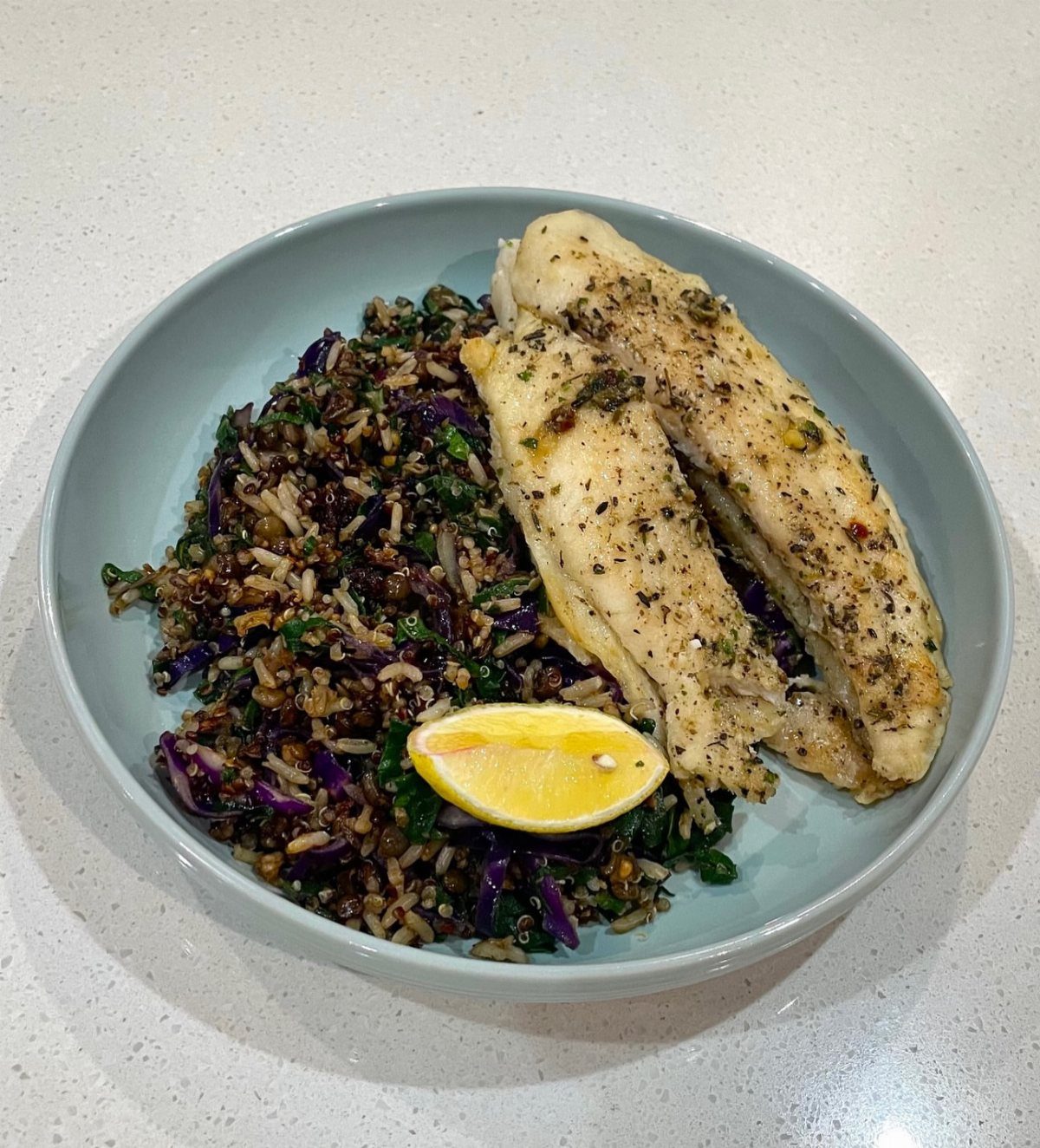
Grilled chicken breast delivers lean protein, which hair needs to grow. This bowl pairs it with quinoa for complete protein and purple cabbage for antioxidants, plus a lemon wedge to brighten the whole thing.
Season the chicken with paprika, garlic powder, and salt before grilling. Let grilled chicken rest after cooking so the juices stay inside when you slice it.
6. Pumpkin Seeds

Pumpkin seeds are one of the highest plant sources of zinc, a mineral linked to hair growth. Snacking on them straight from a bowl is the easiest route, and they deliver zinc your hair needs.
Roasted seeds have more flavor than raw ones. Toss them with olive oil and salt, then bake until golden, stirring halfway through.
7. Loaded Baked Sweet Potato

Sweet potatoes supply beta-carotene, which your body converts to vitamin A for scalp health. The egg adds protein and biotin, avocado brings healthy fats, and tomatoes give vitamin C.
Pierce the potato with a fork, bake until soft, then split it open and load it while hot. Poach the egg in simmering water with a splash of vinegar to help the white hold its shape.
This works as breakfast or lunch, and the potato reheats well if you bake several at once.
8. Sliced Beef and Cabbage Bowl
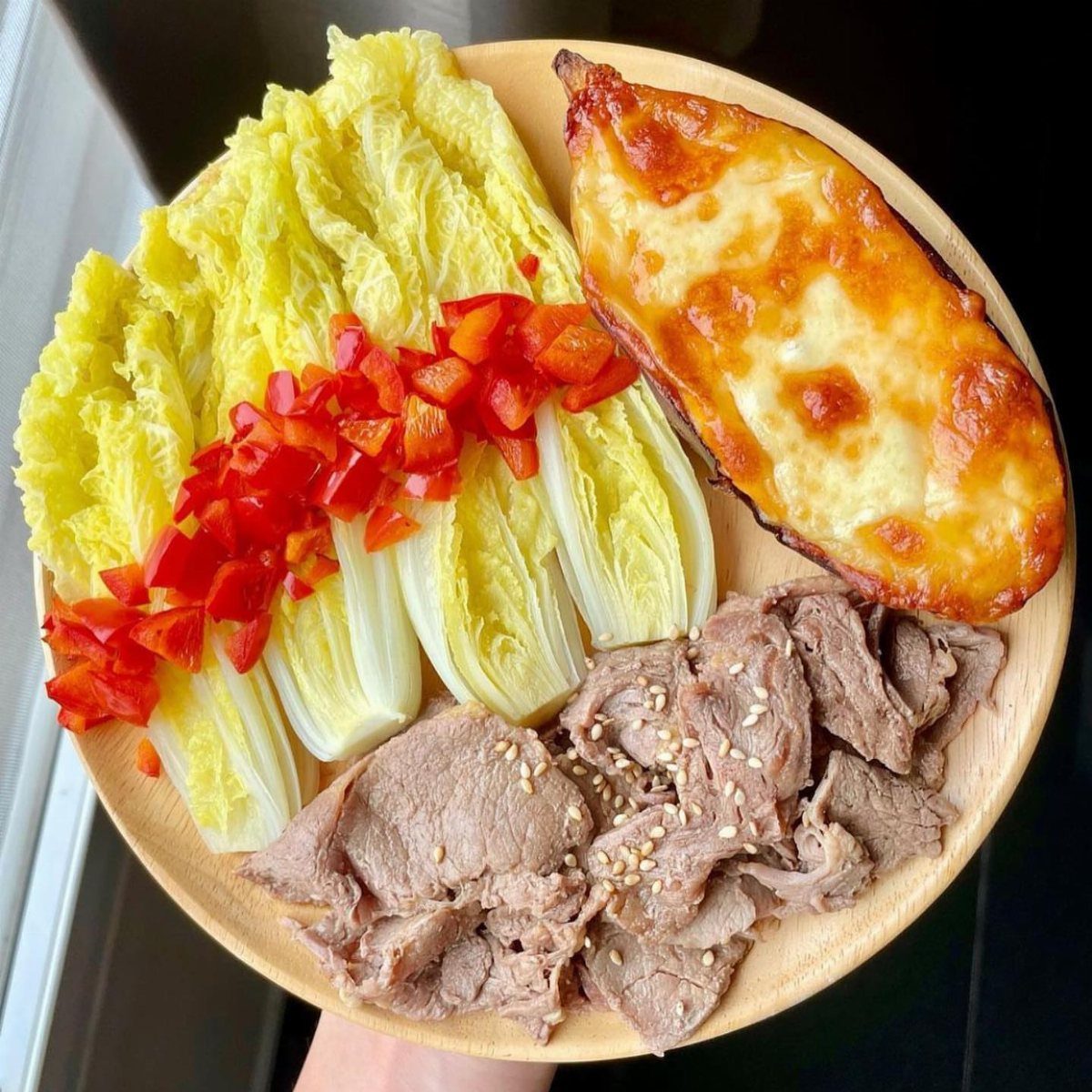
Beef delivers iron and zinc, and napa cabbage adds folate without much bulk. Sesame seeds sprinkled over the beef bring a bit more zinc and texture.
Slice cooked beef thin against the grain so it stays tender. Steam the cabbage until it just wilts, and top it with sliced red peppers for vitamin C, which helps iron absorb.
Leftovers from dinner turn into this bowl quickly, and the cheesy baked side adds calcium.
Diet and Hair Health
Hair is mostly keratin, a protein your body builds from nutrients like biotin, vitamin A, and protein itself. When those nutrients run short, hair can thin, break, or grow more slowly.
Too little iron can drop your red blood cell count, and when follicles run short on oxygen, strands turn brittle.
Hair loss conditions including alopecia show up more often in people with low vitamin D. A lack of omega-3 fatty acids dries out the scalp and weakens strands. Zinc deficiency slows growth and weakens the hair shaft.
Genetics, age, stress, sleep, smoking, alcohol, and environmental exposures also affect hair, so diet is one factor among several.
But addressing what you eat is something you can control, and the right vitamins and minerals support the hair growth process from the inside.
Deficiency and Supplements
A healthcare provider can test for nutrient deficiencies and rule out other causes of hair loss.
Getting these nutrients from meals works better than pulling them from bottles. Foods give you a mix of vitamins and minerals in forms your body absorbs well, and they come with fiber and other compounds supplements leave out.
Some people need supplements to correct a diagnosed deficiency, especially for iron, vitamin D, or zinc.
But taking extra when your levels are already fine won’t speed up growth, and too much of certain nutrients can cause other problems. Address a shortfall, not a wish.
Diet and Lifestyle Habits
Crash diets can disrupt the hair growth cycle, so skip anything that promises rapid weight loss or cuts out whole food groups without medical reason.
Drink enough water to keep your scalp from drying out. Dehydrated skin on your head leads to brittle hair that breaks more easily.
Chronic stress and poor sleep interfere with how your body regenerates tissue, hair included. Regular sleep and keeping stress in check do more for your hair than stacking another pill.
Cut back on processed foods and added sugar, which don’t do much for hair health. Avoid excessive heat styling and harsh chemical treatments, which damage strands no matter how well you’re eating.
Frequently Asked Questions
What are the best foods for hair growth?
Fatty fish like salmon, eggs, beans and legumes, leafy greens like spinach, nuts and seeds, sweet potatoes, berries, and lean meats deliver the protein, omega-3s, iron, zinc, and vitamins hair needs.
These nutrients support the hair growth process and strengthen strands from the inside.
What is good for women’s hair growth?
Eggs and chicken give you protein, spinach and beans supply iron, salmon and chia seeds carry omega-3s, and pumpkin seeds deliver zinc.
What is the effect of nutritional deficiency on hair?
Low iron means fewer red blood cells, so less oxygen reaches your follicles and strands turn brittle.
Can diet alone stop hair fall?
What you eat helps, but it won’t override genetics, age, stress, sleep, or what’s in your air and water. Sleep and managing stress do as much for your hair as any vitamin.