No single food contains every nutrient hair growth requires. If blood work shows low iron, vitamin D, zinc, or omega-3s, fixing that gap matters more than choosing from a general list.
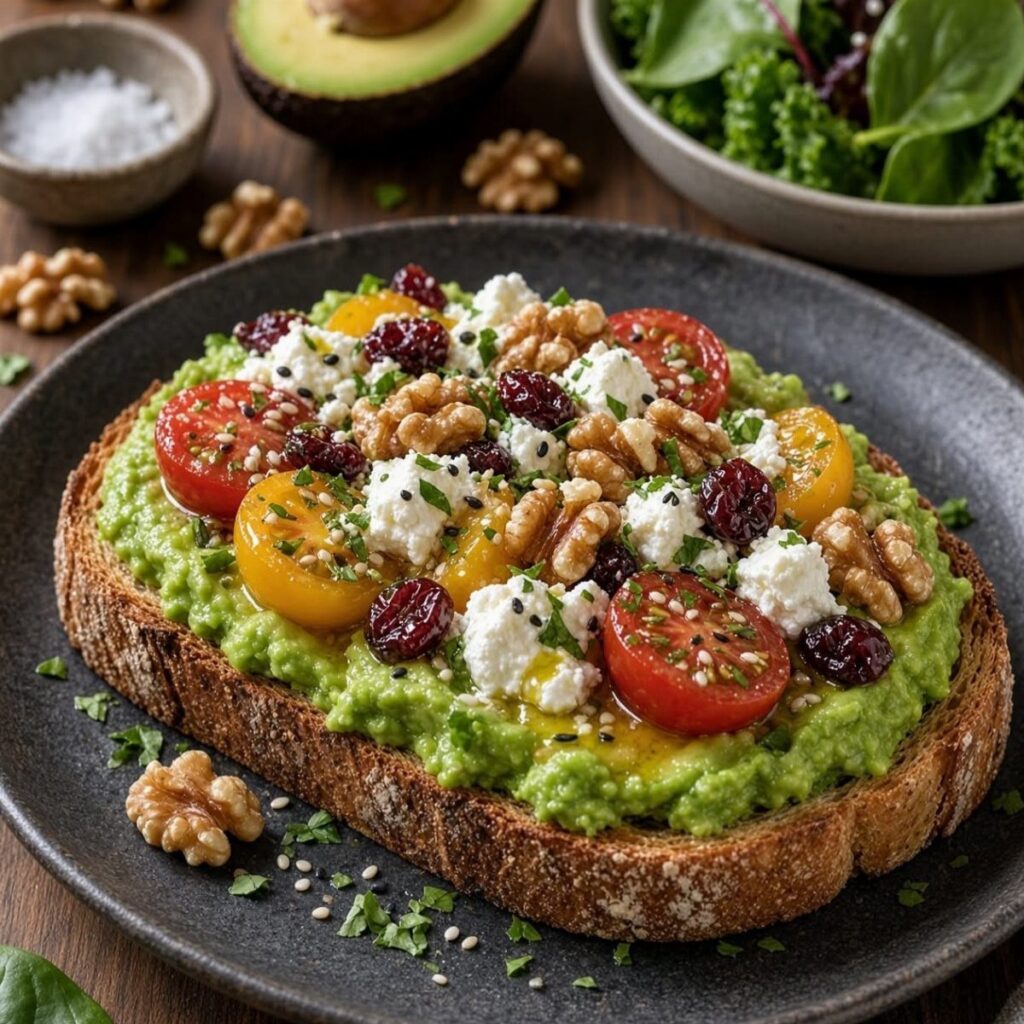
Avocados supply vitamin E and healthy fats, salmon brings omega-3s and complete protein, and rotating different foods each week keeps you from running short on anything.
1. Avocados
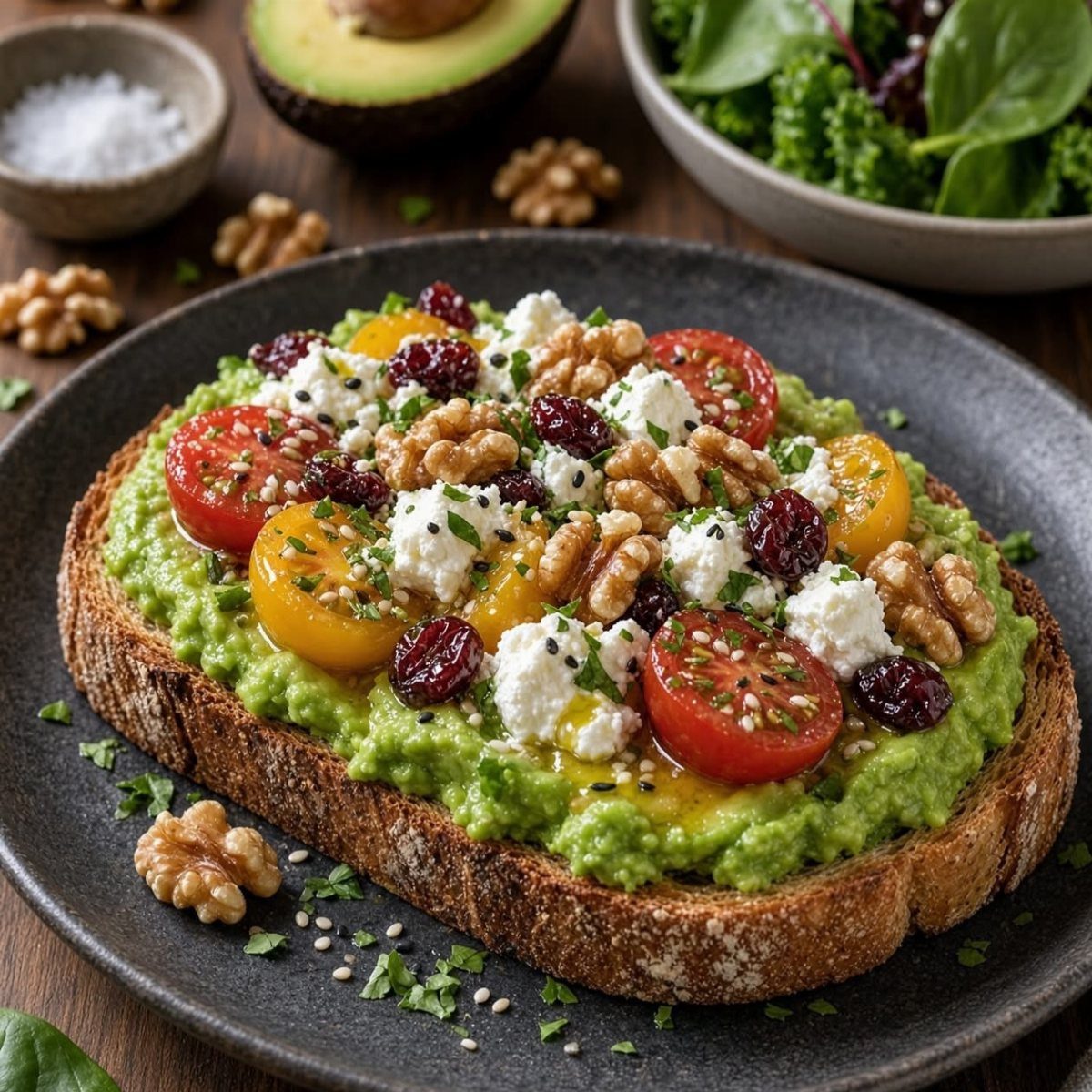
Avocado brings vitamin E to protect cells and fats that let your body take in fat-soluble vitamins. I add it to toast, slice it into salads, or blend it into smoothies.
If you’re watching calorie intake, a quarter to a third of an avocado still delivers the benefit without adding too much to your meal.
2. Salmon and Fatty Fish
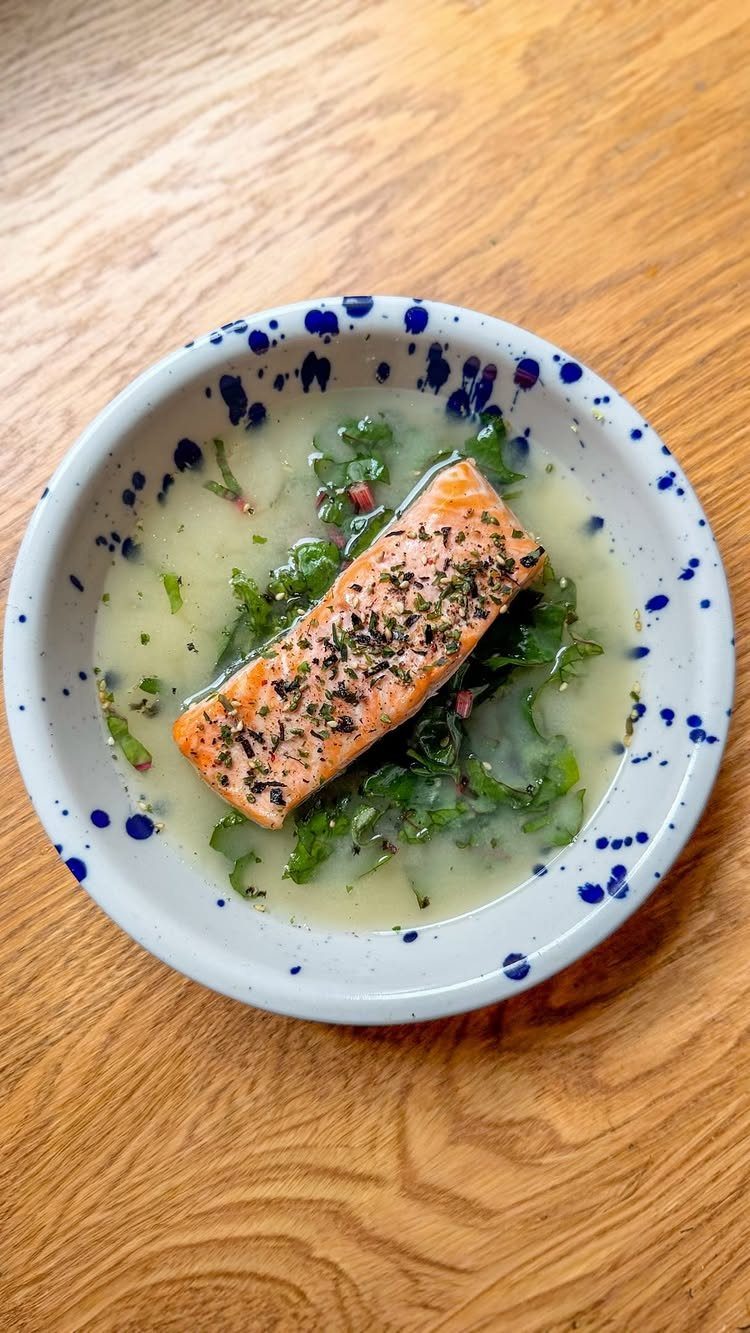
Salmon and other fatty fish supply omega-3 fatty acids and complete protein, both of which support hair follicles. Omega-3s have anti-inflammatory effects, which become more relevant as estrogen declines in your 40s.
I cook salmon in a skillet with a little oil or bake it in the oven until it flakes with a fork.
Serve it over rice with steamed greens, or flake it into a grain bowl with vegetables and a miso-ginger broth.
Fatty fish belongs in your rotation regularly. Mackerel, sardines, and trout work just as well if you want to rotate.
3. Food Variety
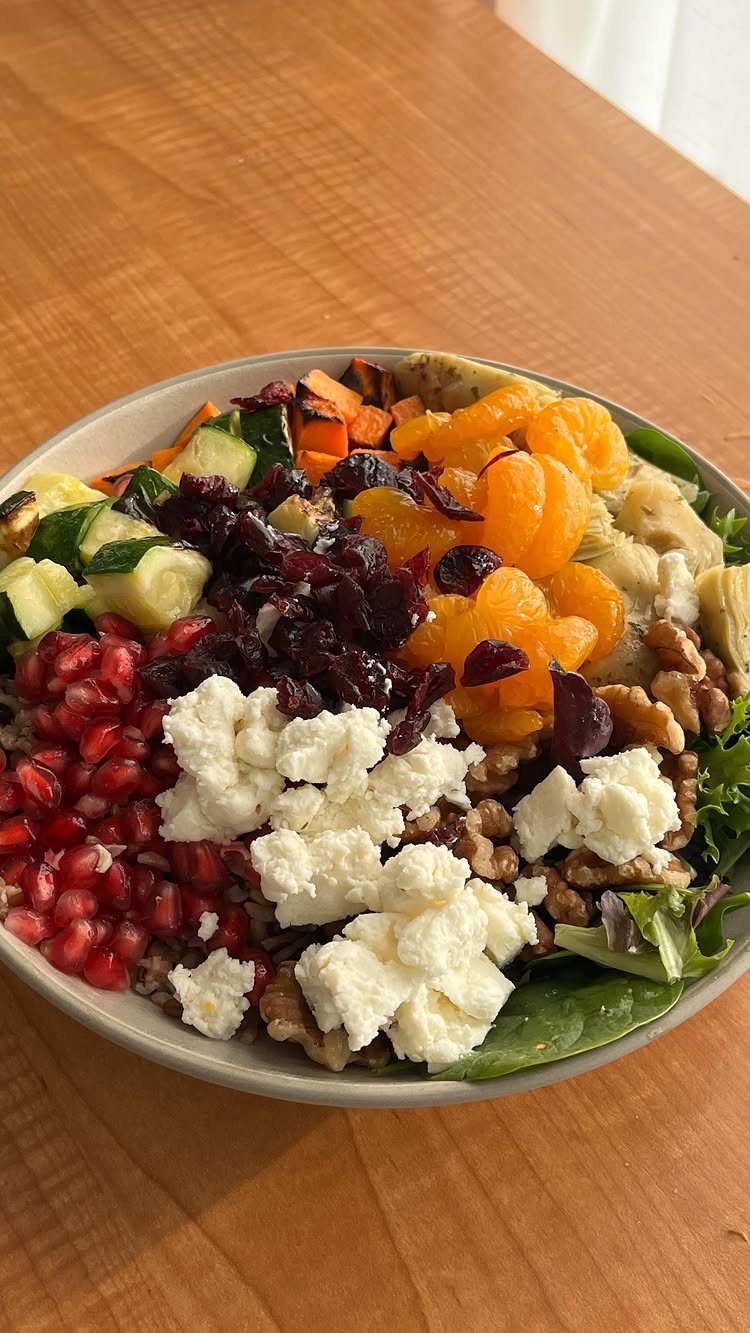
Hair growth depends on multiple nutrients, so varying what you eat gives you a wider range of vitamins, minerals, healthy fats, and protein. A single food won’t cover all of it.
I build bowls with a base of greens, a protein, a fat source like nuts or cheese, and fruit for vitamin C and antioxidants.
Rotating proteins, adding different vegetables each week, and switching between raw and cooked preparations keeps meals from getting repetitive while covering more nutritional ground.
Nutrient Deficiencies and Hair Loss
Low iron can lead to anemia, which reduces oxygen delivery to hair follicles and causes thinning and brittle strands.
Too little vitamin D shows up alongside alopecia in enough cases that the link holds. Insufficient omega-3 intake can result in a dry, itchy scalp and brittle hair, and low zinc weakens hair structure and slows growth.
A blood test for iron tells you whether low levels are behind the shedding.
The follicles and scalp rely on a range of vitamins and minerals to grow hair properly. When those nutrients are missing, the structure and growth process both suffer.
A 2015 study found that omega-3 and omega-6 supplements helped protect against hair loss in women with female pattern baldness over 6 months.
Doctors have long known that some problems with your hair stem from problems with your diet. “Deficiencies of B vitamins can lead to brittle, listless hair,” says Neil Sadick, M.D., clinical professor of dermatology at the Weill Cornell Medical College in New York.
— TODAY
Hair Growth and Nutrition Limits
Improving your diet can help regrow hair when nutrient deficiency is the root cause. But food alone won’t fix every type of hair loss.
For conditions like male-pattern baldness, prescription medication is the reliable option. Food and natural products have a role, but they have limits.
Nutrition sits in the small set of things you can change.
Hair growth starts from the inside. What you eat matters more than most products you put on your scalp.
If you’re dealing with hair loss, addressing what you eat is worth doing. Just recognize it works best when the problem is nutritional to begin with.
Food Versus Supplements
Real food gives you the nutrients hair needs better than anything else. If blood work shows deficiency, supplements can fill the gap.
Before buying a supplement, get your blood tested.
Have a provider check iron, ferritin, vitamin D, zinc, and thyroid function. Test first, then fill the actual gaps instead of taking everything.
Hair moves slowly, so any supplement needs 3 to 6 months before you see a difference.
Biotin at high doses throws off certain lab tests, so mention it to your doctor. Read the label and skip anything packed with fillers.
Extra biotin has little evidence of benefit if you’re not deficient, and evidence for many supplement claims is poor. Your hair reflects your overall health.
Frequently Asked Questions
What to eat for female hair loss?
Fatty fish deliver omega-3s and protein, avocados give you vitamin E and healthy fats, and a rotation of greens, nuts, and other whole foods fills in the rest.
Before you change what you eat, get blood work done to check iron, vitamin D, zinc, and thyroid levels.
Can diet affect hair growth?
Yes. Low iron, insufficient vitamin D, too little omega-3, and low zinc all weaken hair structure, slow growth, or cause thinning.
How can I regrow my hair naturally?
Improving your diet can help when nutrient deficiency is the cause, but food alone won’t fix every type of hair loss.
Once you know what’s low, fill the gap with food first, or use supplements if you need to. Male-pattern baldness responds to prescription medication; natural products can’t do much there.
What about supplements?
Food beats supplements for delivering what hair needs. When blood work shows a deficiency, a supplement can close the gap, but biotin won’t do much if you’re not actually low.