Hair follicles need protein for structure, iron to carry oxygen, and zinc for tissue repair, and the foods that deliver those nutrients range from a 2-dollar bag of lentils to eggs you crack at breakfast to oysters you order at a restaurant.
1. Fatty Fish
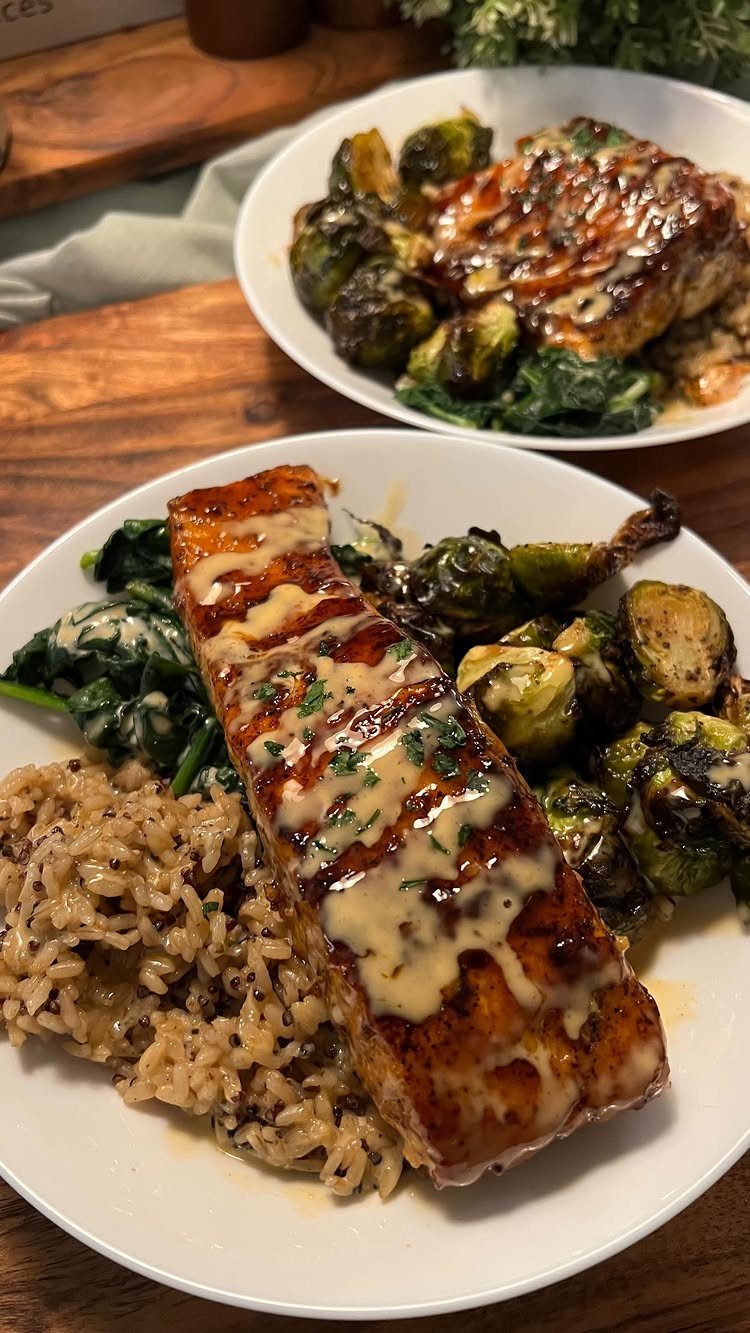
Salmon, mackerel, and sardines deliver omega-3 fatty acids that support scalp health, and they provide protein that hair structure depends on.
I add salmon to dinner 2 or 3 times a week, usually with a simple glaze and vegetables. If fresh fillets run high, canned salmon and mackerel work just as well and cost less per serving.
2. Spinach and Leafy Greens
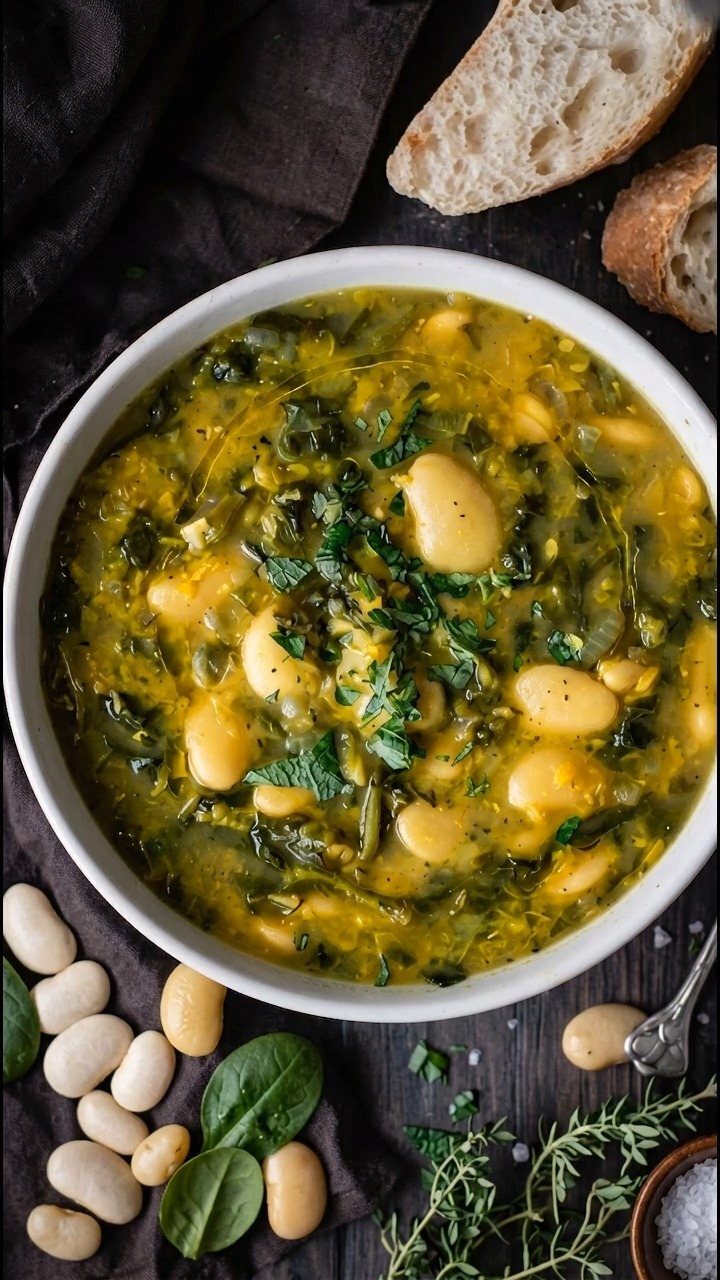
Spinach and other leafy greens supply iron, which helps red blood cells carry oxygen to hair follicles. They also contain vitamins A and C, both involved in sebum production and collagen formation.
I keep a bag of spinach in the fridge and add it to soups, salads, or scrambled eggs. Kale and Swiss chard offer similar nutrients if you want to rotate your greens.
3. Lentils
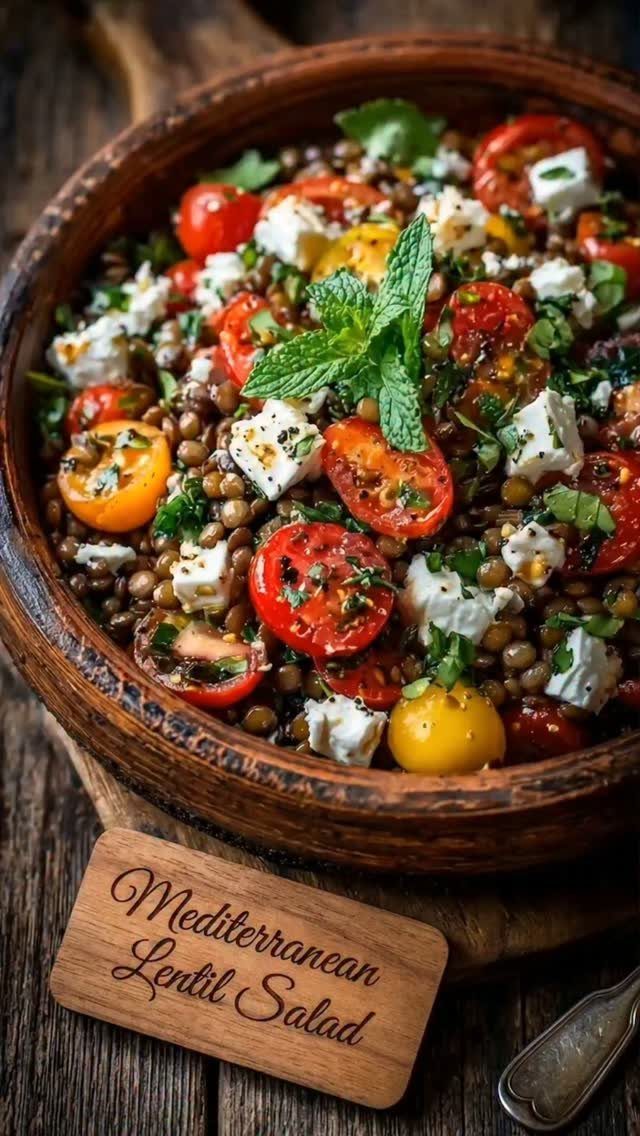
Lentils bring together plant-based protein, iron, folate, and biotin in one inexpensive ingredient.
I cook a batch every week and use them in salads, grain bowls, or as a side dish. Cooked lentils give you protein and iron without meat.
4. Nuts
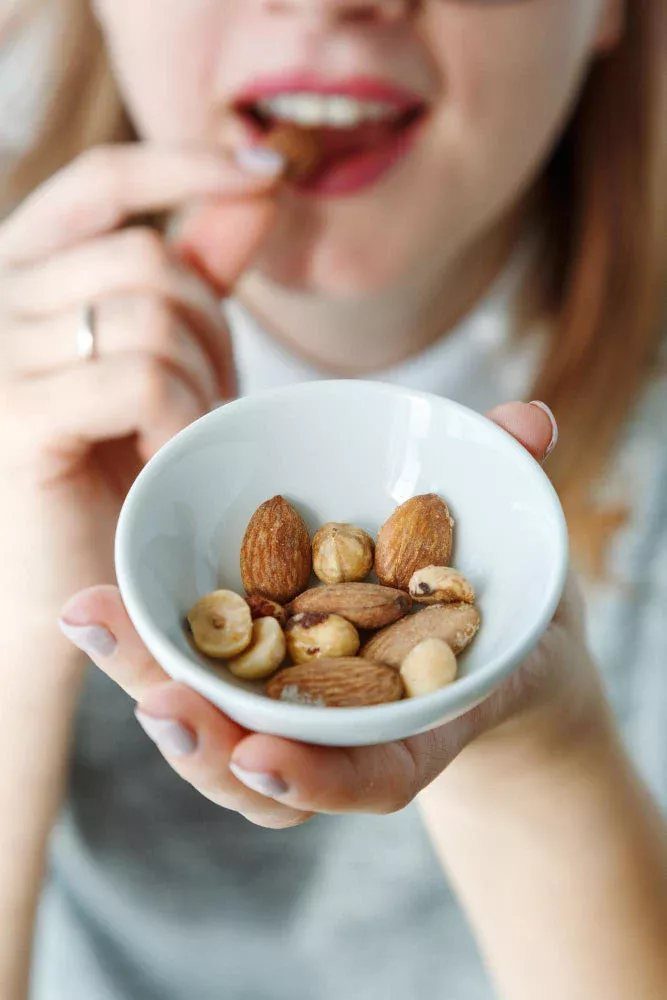
Almonds, walnuts, and hazelnuts give you vitamin E, zinc, B vitamins, and fats that help your hair follicles work. I keep a small bowl of mixed nuts on my desk and eat a handful most afternoons.
A quarter cup gives you protein and fat that help with nutrient absorption, and nuts travel well if you need a snack away from home.
5. Zinc-rich Oysters
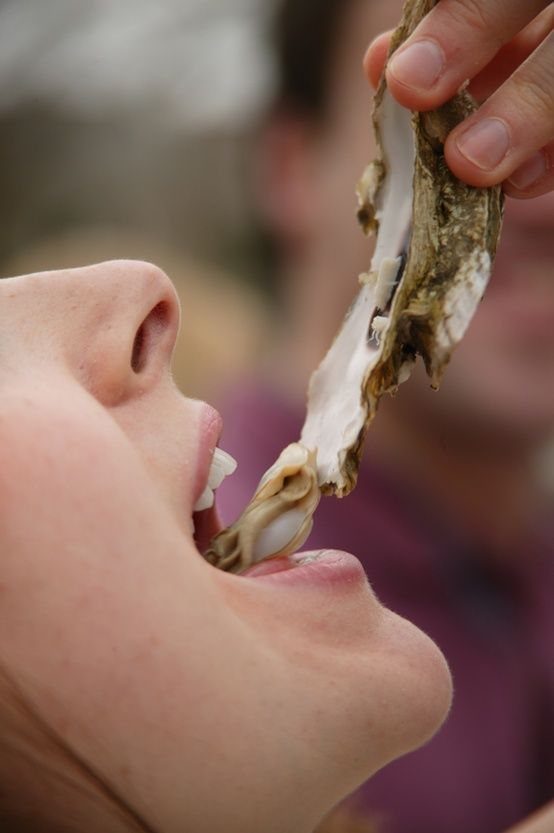
Oysters pack more zinc per serving than nearly any other food, and your hair tissue needs zinc to grow and repair itself.
I order them when I eat out because shucking them myself takes practice and a good knife. If raw oysters do not appeal, cooked versions and other shellfish still provide zinc, just in smaller amounts.
6. Greek Yogurt and Eggs Breakfast

Greek yogurt supplies protein that hair structure requires, and eggs add biotin, zinc, and additional protein. I eat a version of this most mornings because it comes together fast and keeps me full until lunch.
Nutrient Deficiency and Hair Loss
Hair follicles rely on a nutrient-rich blood supply to move through their growth cycle, and when your diet falls short on iron, protein, zinc, or biotin, shedding can increase.
Iron deficiency disrupts that supply and affects the growth cycle itself. Low iron stores can lead to anemia, which reduces the oxygen and nutrients reaching the follicle.
Animal sources like red meat, chicken, and fish deliver iron your body absorbs readily. Vegetarians can raise their stores with lentils, spinach, broccoli, kale, and other leafy greens, though plant iron takes more effort to absorb.
If you already eat a balanced diet, a deficiency may not be the reason your hair sheds. These nutrients matter most when intake is genuinely low or when an underlying condition affects absorption.
Supplements and Excess Nutrients
Food remains the better source for most nutrients because it delivers them in amounts your body handles well.
Supplements can help when a deficiency is confirmed, but they carry risks when taken without guidance. Too much vitamin A, selenium, or biotin can cause harm or interfere with lab results, and excess iron has adverse effects.
When your diet doesn’t supply enough iron, hair is often the first place it shows. Studies link iron deficiency to hair loss, but taking a supplement without checking your levels first can do more harm than good.
If you suspect low iron, consult a doctor before adding a supplement. A multivitamin with iron offers a safer, more measured approach than a standalone iron pill.
Other Causes and Medical Advice
Genetics, hormones, thyroid disease, stress, medications, and age all affect how hair grows and sheds, and diet alone cannot override those factors. Chemotherapy, nicotine, and other toxins alter the growth cycle, and some medications trigger temporary or permanent loss.
Shedding a certain amount each day is normal. When loss becomes noticeable or persistent, the cause needs to be identified before treatment makes sense.
If you have been eating nutrient-rich meals for several months and still see thinning or slowed growth, a medical professional can evaluate your scalp, check for underlying conditions, and recommend solutions that address the real problem.
Each follicle grows a hair for an average of 1000 days (three years) and then rests for a period of around 100 days (three months) before being shed, following which a new hair begins to grow.
Frequently Asked Questions
What stimulates female hair growth?
Follicles need protein, iron, omega-3s, zinc, and biotin to move through the growth cycle, and a diet built around salmon, spinach, eggs, lentils, and nuts supplies those nutrients in amounts the body uses well.
Scalp massage, gentle handling at night, and skipping heat most days keep blood moving to the follicles.
If diet alone does not change what you see after a few months, talk to a doctor about options like minoxidil or platelet-rich plasma treatment.
What should I eat to stop hair fall in females?
Spinach and other leafy greens raise iron levels and reduce shedding, while eggs and Greek yogurt provide protein and biotin that repair and strengthen strands.
Lentils deliver plant-based protein, iron, and folate that support follicle renewal, and nuts add zinc and vitamin E that protect hair from breakage. Fatty fish like salmon supply omega-3s that keep the scalp healthy and reduce inflammation.
What food is best for hair growth?
No single food covers every need, but a diet that includes fatty fish for protein and omega-3s, spinach for iron and vitamins A and C, eggs for biotin and zinc, and lentils for folate gives follicles what they use to grow and repair.
Greek yogurt, nuts, and oysters add protein, healthy fats, and zinc that round out the nutrient profile hair tissue depends on.
Which fruit is best for hair?
Berries deliver vitamin C, which shields follicles from oxidative stress and improves iron absorption when you eat spinach, lentils, or beans.
Vitamin C also supports collagen production, which gives hair its structure and flexibility. Oranges, grapefruits, and other citrus fruits provide the same benefit and prevent the dry, brittle strands that come with low vitamin C intake.