Products that promise to double your speed are overselling: the average rate sits at around half an inch each month no matter what you put on your head. What you can control is how much of that length you keep.
Rough detangling, tight styles and daily friction break hair at the shaft faster than the follicle can replace it, which is why protective braids and gentle handling matter more than any serum.
Better circulation at the scalp helps too: a few minutes with a massage device a few times a week gives the follicle more of what it needs during the active growth phase, which lasts anywhere from 3 to 10 years depending on your genetics.
1. Scalp Massage Device
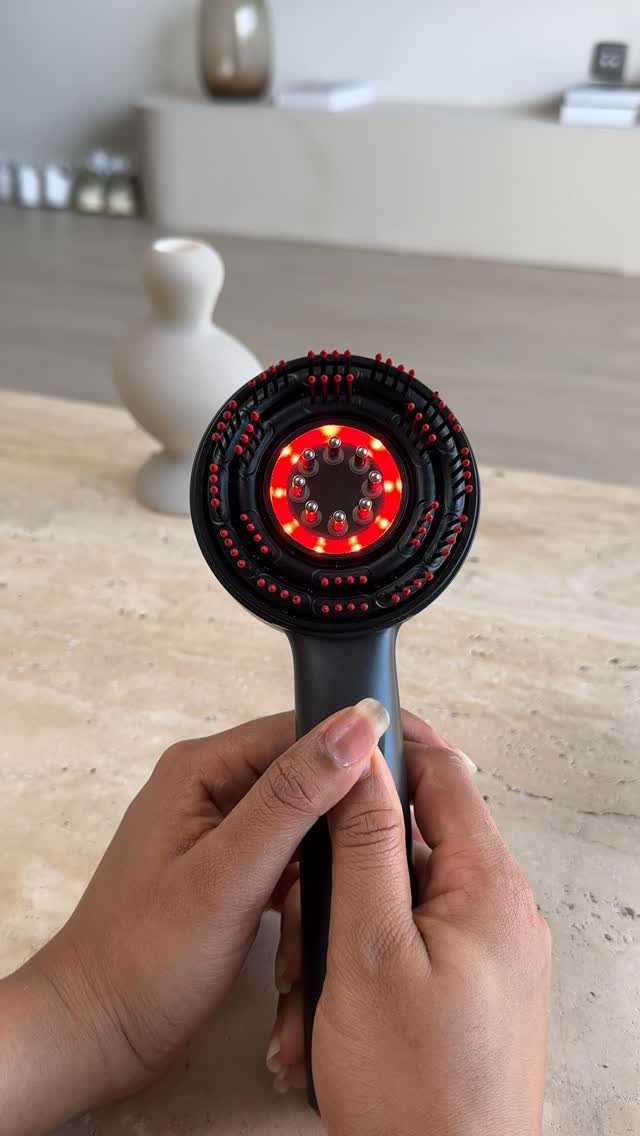
Better circulation at the root means the follicle gets more of what it needs to grow, and a few minutes with one of these devices can make that happen.
This one combines manual massage with red LED light, which some research links to improved density.
Use it a few times a week, spending a few minutes working over your whole scalp.
I find it easiest to do this while watching something or before bed. The red light setting is gentle and doesn’t heat up the way some tools do.
Increasing your intake of omega-3 fatty acids may stimulate your hair follicles and sebaceous glands. While this won’t cause your hair to grow, it may improve scalp health.
2. Hydrating Conditioner
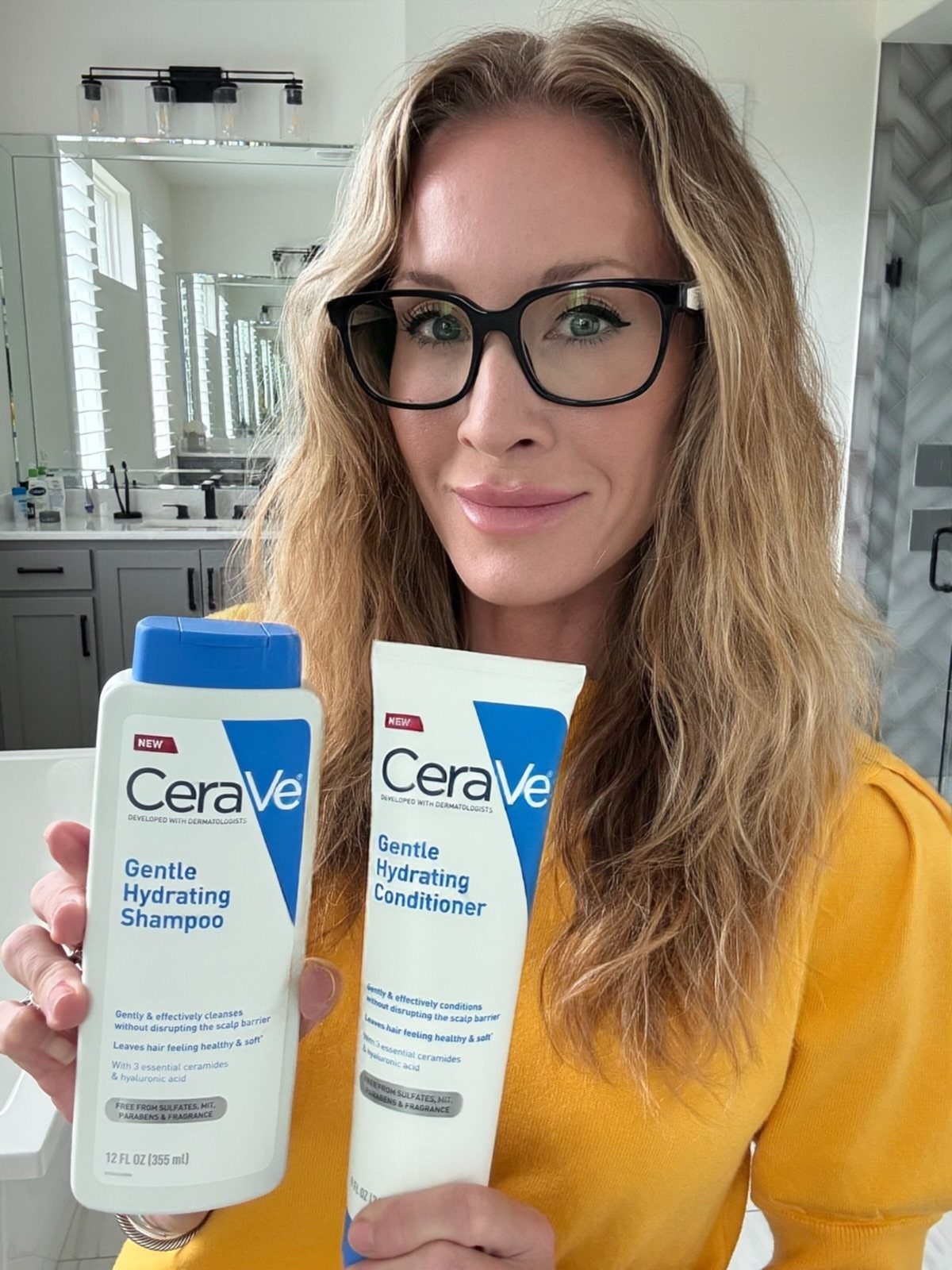
Keeping hair hydrated prevents the dryness and breakage that shortens length. A conditioner like the CeraVe Gentle Hydrating Conditioner delivers moisture without weighing hair down, which matters if you’re trying to retain every bit of growth.
Apply it from mid-length to the ends after shampooing, leave it for a minute or two, then rinse. For drier hair types, I leave it on longer or add a deep conditioning mask once a week.
3. Gentle Hair Handling
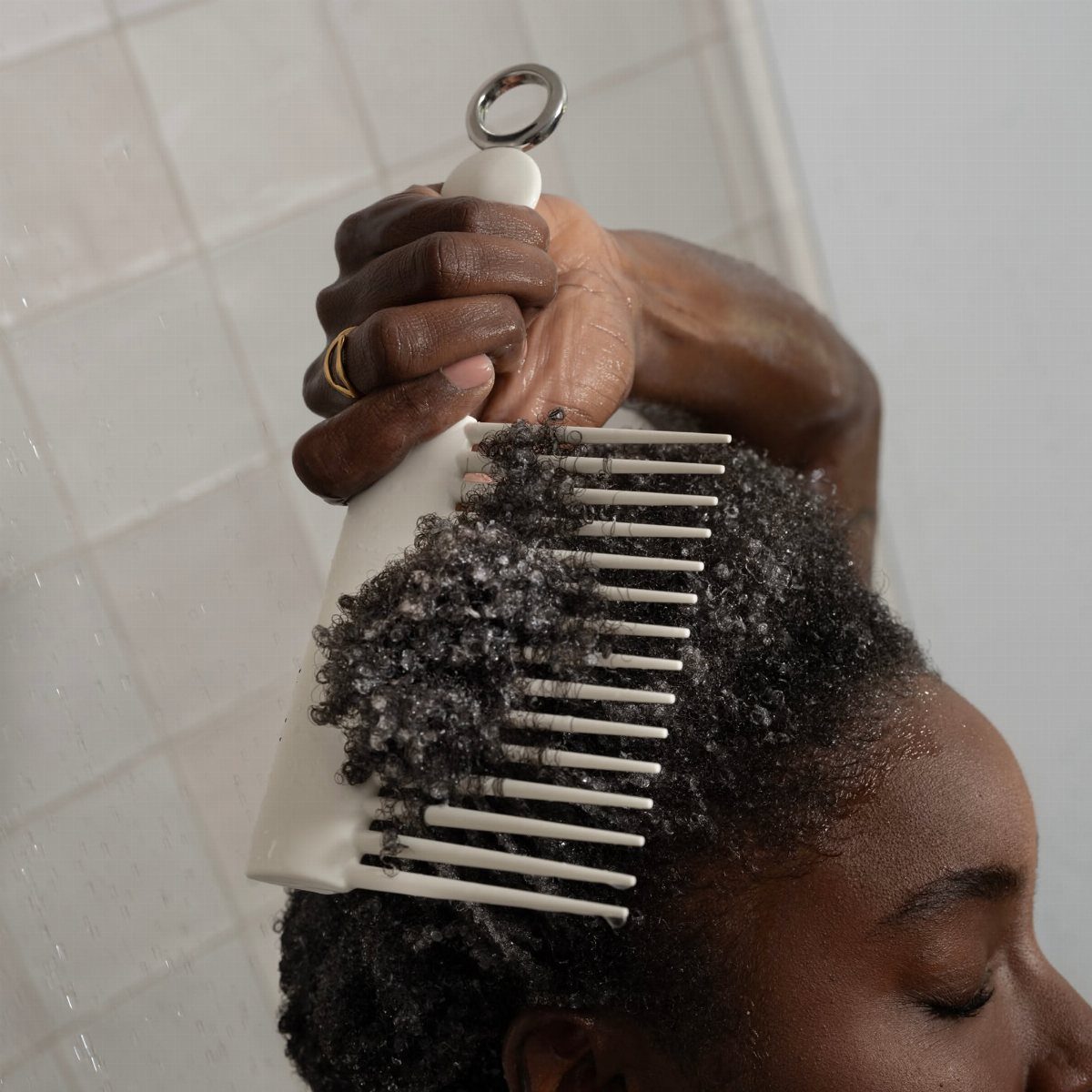
Rough detangling snaps hair and undoes weeks of growth in seconds. A wide-tooth comb works through knots without pulling, especially when hair is wet and conditioned in the shower.
Start at the ends and work up toward the roots, holding each section above where you’re combing to reduce tension on the scalp.
Curly and textured hair types benefit the most from this approach, since their curl pattern already creates more points of resistance.
Skip brushing dry curls entirely if you can. Finger detangling or a wet-brush alternative also works.
4. Protective Hairstyles
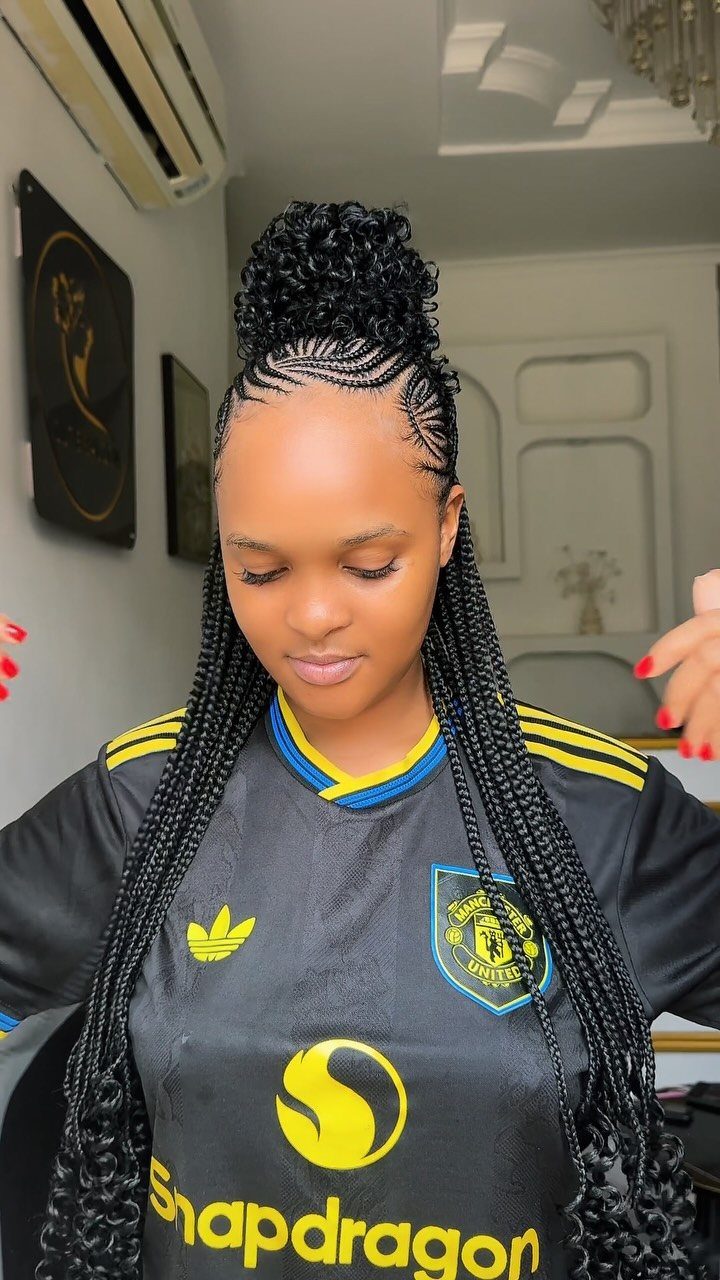
Protective styles keep hair tucked away so it’s not constantly rubbing against clothing, pillowcases or your hands. Braids, twists and low buns all reduce the daily friction that causes breakage at the ends.
Thin braids pulled into a curly ponytail keep the ends tucked away while the loose texture at the crown gives you something to style.
If you wear a protective style for more than a few days, moisturize your scalp and the braided sections to prevent dryness.
Avoid styles that pull too tight at the hairline. Tension there can damage follicles and slow growth in those areas.
Reasons for Hair Loss
Most shedding is normal.
You lose 50 to 100 strands daily, and up to 250 on wash days, as part of the natural cycle. When loss exceeds that or you notice widening parts or a receding hairline, something else may be at work.
Heredity is the most common cause. If your parents or close relatives show thinning, you’re more likely to experience it too.
Hormonal changes during pregnancy, thyroid disorders, anemia, and other illnesses can all trigger temporary or lasting thinning.
Nutritional gaps, particularly in omega-3 fatty acids and vitamin D, affect hair health as well. Some medications list hair loss as a side effect.
High stress or a sudden drop in weight can send follicles into rest, and the hair falls out 2 to 3 months after.
Damage from heat tools, tight styles, chemical treatments, and rough handling breaks hair at the shaft. That’s different from follicle-level loss, but it shortens your length just the same.
Typical Growth Rate and Cycle
Hair grows in 3 phases.
Anagen is the active growth stage, lasting 3 to 10 years, with around 90% of your follicles in it at any time. During this phase, hair grows about half an inch per month, or roughly 6 inches per year.
Catagen lasts 2 to 3 weeks and acts as a transition: the follicle stops making new cells and the strand detaches from its blood supply. At any given time, about 1% of your follicles sit in catagen.
Telogen is the resting phase. At the end, the strand sheds and the cycle starts over.
Genes, age, hormones, stress, and nutrition all affect how fast your hair grows and how long the anagen phase lasts. A longer anagen phase means more time for growth before the strand sheds.
Frequently Asked Questions
How does hair grow?
The follicle cycles through anagen, catagen, and telogen.
Anagen runs 3 to 10 years and keeps roughly 90% of follicles active at once. You get about half an inch each month during that phase.
How long does it take to grow your hair?
That works out to roughly 6 inches over a year. Your genes, age, hormone levels, stress load, and what you eat all shift the speed and how many years anagen runs.
What causes hair loss?
Heredity leads the list, but hormone shifts, thyroid trouble, anemia, missing nutrients, and certain prescriptions all cause thinning. Chronic stress or rapid weight loss push follicles into rest early, and damage from heat or tension snaps strands partway down.
How can I thicken my natural hair?
Scalp massage stimulates blood circulation at the root, which supports natural growth by delivering more nutrients to the follicle.
Protective styles reduce friction and breakage at the ends, and gentle detangling with a wide-tooth comb prevents the snapping that shortens length.
Why is my hair not growing?
Family history, hormonal changes, poor nutrition, stress, and weight loss all affect growth rate and cycle length. Rough handling, heat styling, and tight tension snap strands partway down, so even though new growth keeps coming, the ends never catch up.
How do I speed up hair growth?
Rubbing the scalp a few times a week brings more blood to the root, which means follicles get more oxygen and nutrients.
Keeping hair hydrated with conditioner and protecting it from breakage with gentle handling and protective styles lets you retain more of the length you grow.
What factors does hair growth depend on?
Your genes, age, hormone levels, stress, and diet all control the pace and how many years the growth phase runs. More years in anagen means each strand has more time to lengthen before it falls out.
How often should you wash your hair?
Wash frequency depends on your texture, curl pattern, and how much sebum your scalp makes. Oily hair may need washing every day, while dry hair typically needs less frequent washing to avoid stripping natural oils.





