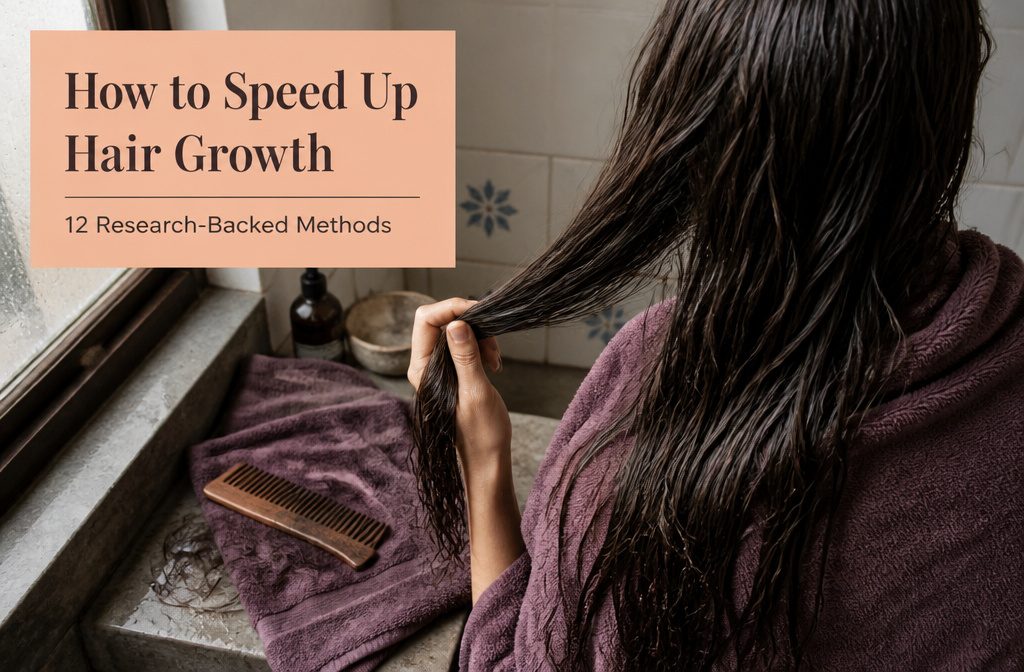
Hair grows about half an inch each month, and no product or routine can push past that limit. What you can control is how much length you keep.
Most people lose progress to breakage, not slow growth, and that is where the work pays off. Heat styling above 250°F, sulfates in daily shampoo, and tight styles all snap strands before they reach the length you want.
Set Realistic Expectations for Growth Rate
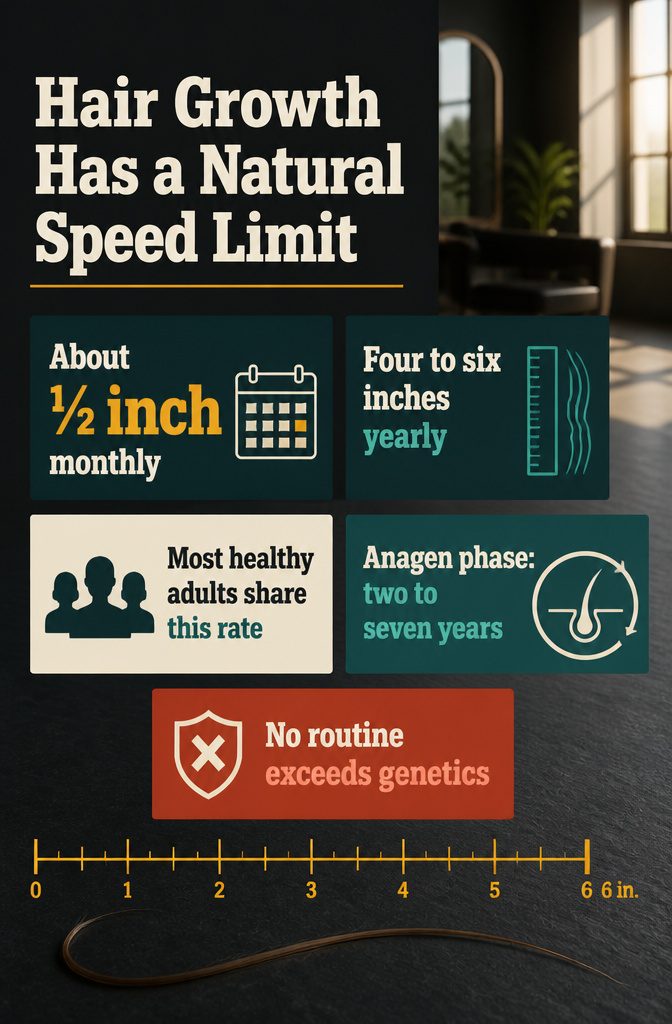
Hair grows at about half an inch per month, which works out to four to six inches in a year. That rate holds for most healthy adults, and no routine or product can push past it.
The anagen phase, where growth actually happens, runs on genetics and lasts anywhere from two to seven years. What you do for your hair cannot speed that up at the root.
What a good routine can do is help you keep the length you grow.
Hair that breaks off at the ends while it grows from the scalp stays the same length, and that is where most of the work pays off.
Proper care creates the conditions for healthy growth and stops you from losing progress to damage. I think of it as defending length rather than accelerating it, and that reframe makes the slow pace easier to tolerate.
1. Keep the Scalp Clean and Healthy
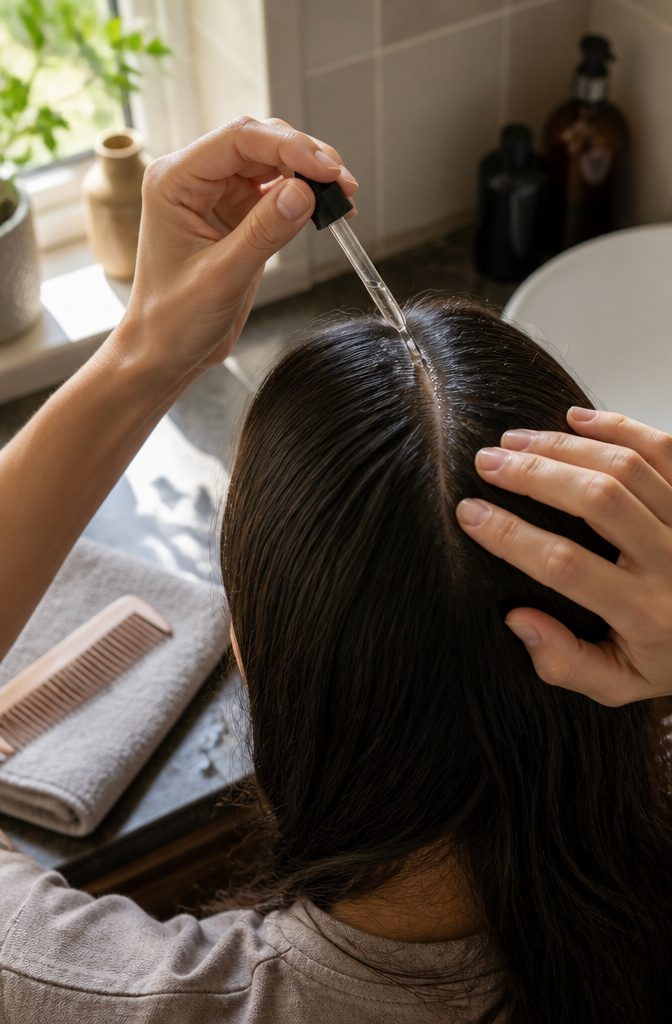
A clean scalp gives follicles room to work. Buildup from oil, styling products and dead skin can clog pores and slow growth, so I add a scalp exfoliant once or twice a week to clear things out.
The L’Oréal Paris Elvive Hyaluron + Pure Oil-Erasing Serum claims to remove up to 100 percent of residue and keep the scalp feeling refreshed for up to 72 hours.
You section dry hair, apply the fluid directly to your scalp, massage it in for about five minutes, then wait 15 minutes before rinsing and shampooing as usual.
Daily scalp massage helps too.
Three to five minutes each day stimulates blood flow, which delivers oxygen and nutrients to the follicles. I work my fingertips in circles during shampoo, and those few minutes feel as good as they are practical.
2. Eat Protein and Nutrient-Rich Foods

Hair is made of protein, and a diet low in it has been linked to hair loss.
Aim for protein at every meal: eggs give you both protein and biotin, while fatty fish like salmon add omega-3s alongside protein. Sirloin steak delivers as much as 29 grams of protein per 3.5 ounces.
Iron, zinc, and vitamins A, C, and E matter just as much.
A cup of raw spinach covers up to 20% of your daily vitamin A needs, while a medium sweet potato can hit 160% of that target. Yellow peppers are the vitamin C standout, providing up to 456% of daily needs for women.
For vitamin E, almonds lead at 48% of daily needs per ounce, though avocado gets you 28% per fruit. A single medium oyster supplies up to 96% of daily zinc needs for women, or swap in black beans at 14% per 3.5 ounces.
I prefer whole foods over loading up on supplements. If your diet is balanced, extra pills can backfire and cause the hair loss you were trying to fix.
3. Consider Supplements Only for Deficiency

Biotin shows up in most hair vitamins, often marketed for growth and thickness.
But the National Institutes of Health notes there is little evidence that it helps healthy adults without a deficiency. If you are not deficient, taking more biotin has not been proven to speed growth.
Iron and vitamin D deficiencies are the most common causes of hair loss tied to nutrients. If you notice more shedding than usual or slower regrowth after a cut, I would talk to a doctor before reaching for a supplement.
They can test for deficiencies and figure out whether a vitamin is actually the fix or whether something else is slowing things down.
Excessive supplementation can backfire.
High amounts of biotin interfere with some lab results, and taking vitamins without a deficiency can lead to other problems, including more hair loss. A balanced diet covers most people without extra pills.
4. Reduce Heat Styling and Always Protect
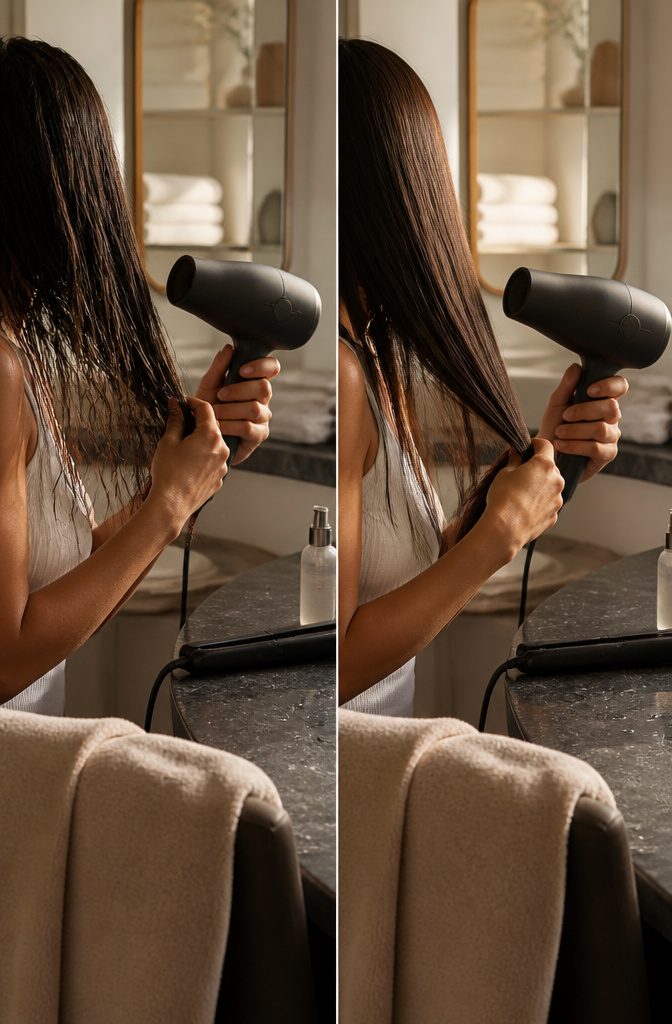
Frequent flat iron and blow-dryer sessions dry out strands and make them snap before they reach the length you want. I limit heat when I can and let my hair air-dry on most days.
When I do reach for a tool, I keep the temperature around 250°F instead of cranking it to the highest setting. That medium heat gets the job done without frying the cuticle.
Heat protectant before every session is non-negotiable. The L’Oréal Paris EverPure Sulfate-Free Moisture 21-in-1 Leave-in-Conditioner shields hair up to 450°F and detangles at the same time, so it pulls double duty.
For blowouts, L’Incroyable Blowdry Lotion offers the same thermo-protection ceiling. Both products let you style without losing progress to split ends and breakage, which is what actually keeps hair from growing past a stubborn length.
5. Avoid Chemical Processing and Harsh Ingredients
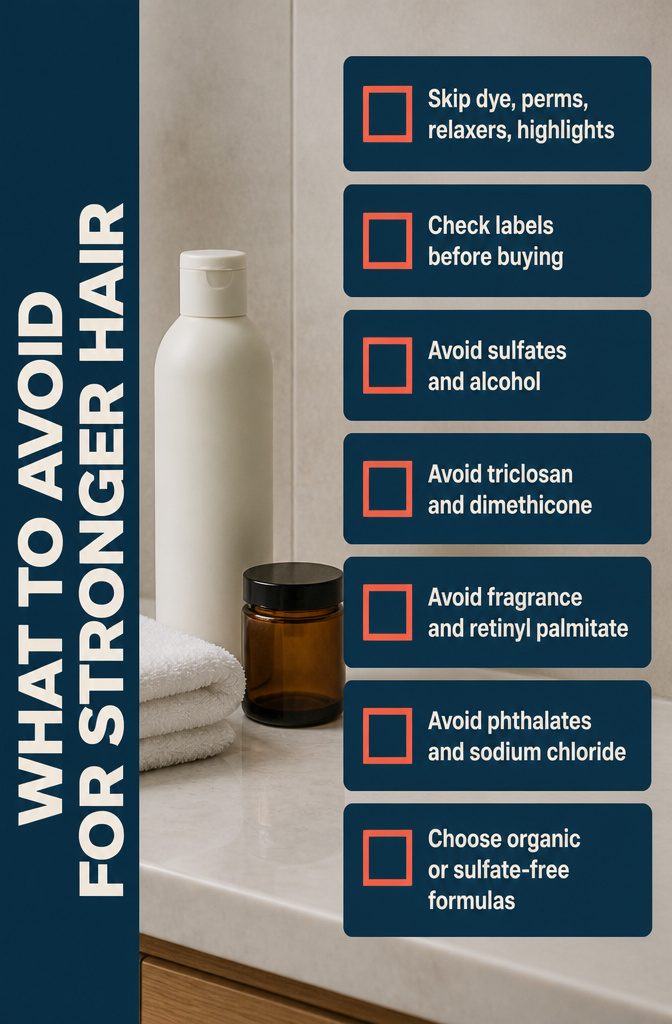
Chemical processing strips your hair of natural oils and lifts the outer cuticle, leaving strands brittle and prone to breakage.
Dyeing, perming, relaxing and highlighting all fall into this category. A healthy cuticle lies flat and keeps hair smooth and strong; once that protective layer is damaged, split ends and breakage make it impossible to hold length.
The ingredients in your daily products matter just as much. Sulfates, alcohol, triclosan, dimethicone, fragrance, retinyl palmitate, phthalates and sodium chloride all show up in drugstore shampoos and conditioners, and they weaken hair over time.
I check labels before I buy anything now, and switching to formulas without harsh chemicals made a noticeable difference in how much hair I found in the drain.
Organic or sulfate-free options are easier to find than they used to be, and they cost about the same.
6. Wash Appropriately for Your Hair Type
Wash Appropriately for Your Hair Type
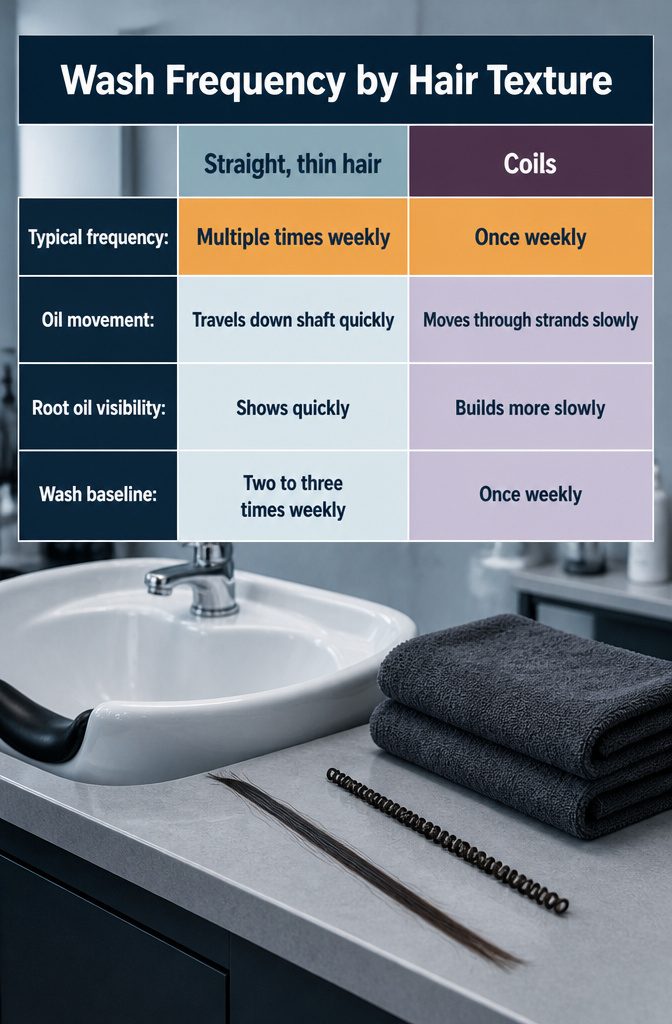
I find that two to three times per week works as a baseline for most people, but frequency depends entirely on what your hair and scalp need.
Straight, thin hair often requires washing multiple times a week because oil travels down the shaft quickly and shows at the roots.
Coils, on the other hand, may only need washing once a week since natural oils take longer to move through textured strands.
Over-washing strips those oils and leaves hair dry, but washing too infrequently creates its own problems: dandruff, buildup, or a scalp that feels uncomfortable.
The right frequency is the one that keeps your scalp clean without causing dryness. If you currently wash daily, try adding a day between washes until you find the point where your hair feels clean and your scalp stays healthy.
7. Condition and Moisturize to Reduce Breakage
Condition and Moisturize to Reduce Breakage
Conditioner keeps hair strong enough to reach length without snapping off.
I use a hair mask once or twice a week when my hair is feeling dry or brittle, and the difference shows up in how much length I keep between trims.
Kérastase masks work well for that schedule, though some people run them once a week to once a month depending on how much moisture their hair needs.
For oils, coconut, argan, olive, almond, rosemary and castor all hydrate the scalp and hair. The Fable & Mane Holiroots Pre-Wash Scalp & Hair Treatment Oil sits for ten minutes before washing, and you only need one to two droppers.
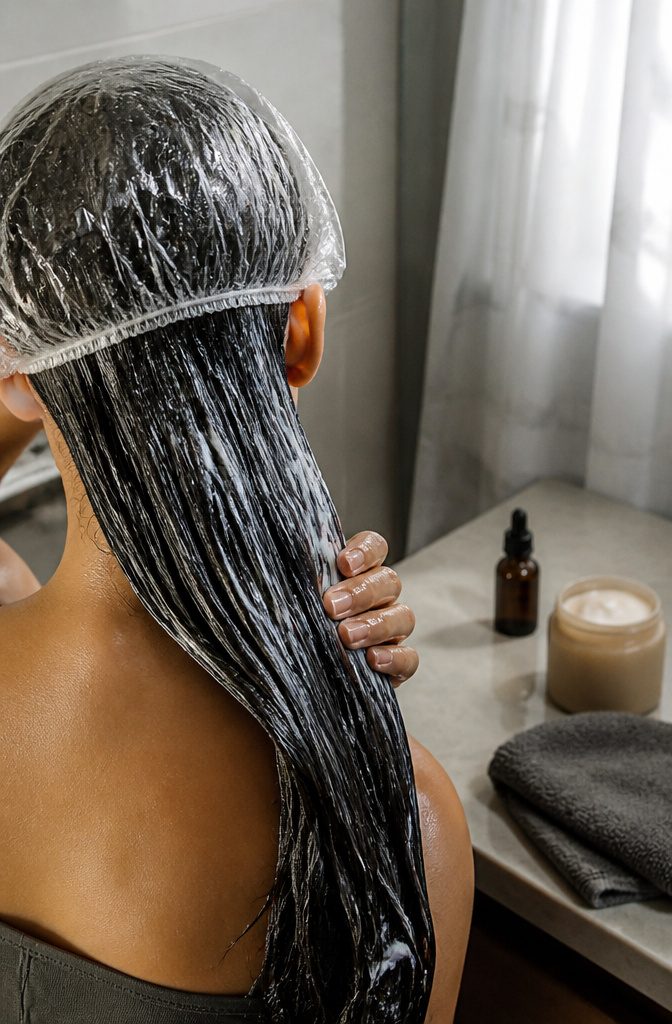
Castor oil is especially good if you mix a few drops with olive oil, massage it into the scalp, then sleep with the treatment overnight under a shower cap. Wash it out in the morning.
If your hair breaks easily or feels weak, a system that builds strength makes more sense than swapping one product.
The L’Oréal Paris EverPure Bond Repair System includes a pre-shampoo treatment, shampoo, conditioner and leave-in, and the brand says it leaves hair up to seven times stronger.
For thinning hair, Nioxin System 1 and System 4 Conditioners control moisture and prevent a dry scalp.
8. Trim Split Ends Every 8 to 12 Weeks
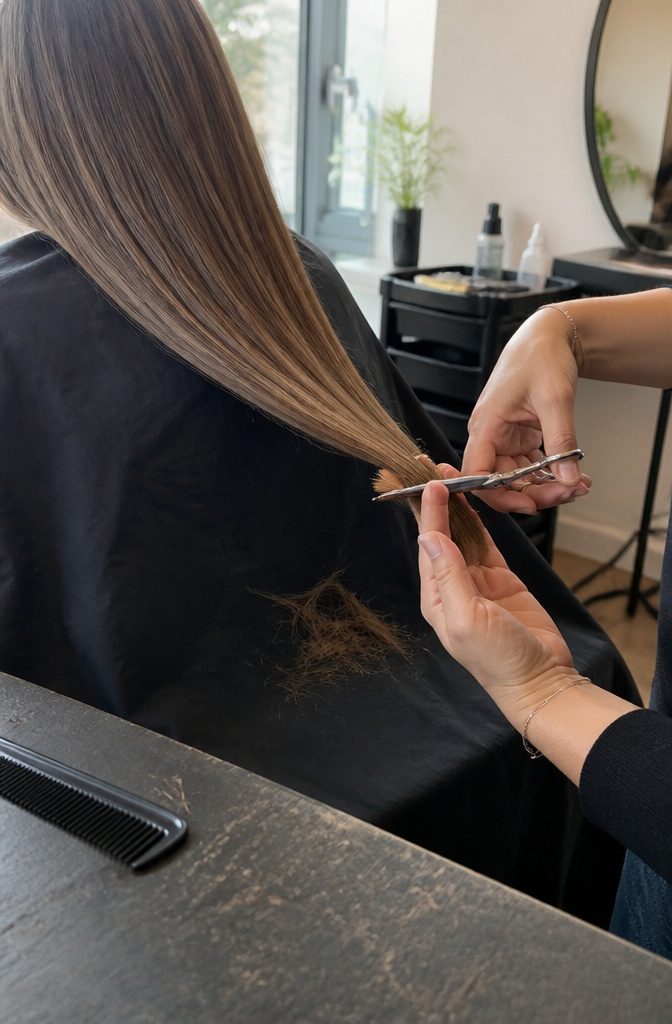
Trims sound like the opposite of what you want when you are trying to add length, but they keep split ends from traveling up the shaft and forcing you to cut more later.
Hair grows about half an inch each month at the root, and cutting the tips does not speed that up.
What it does is protect the length you already have. A split end left alone will keep splitting higher, and eventually you lose inches instead of fractions.
Most stylists recommend a small trim every eight to 12 weeks to catch damage before it climbs. If you want to keep as much length as possible, ask for dusting every six to eight weeks, which removes only the very ends.
Another approach is to cut about half an inch to an inch every three months, enough to clear brittle ends without resetting your progress.
My logic has always been that fewer haircuts will equate to more growth. But Temur has proved me wrong.
The Marie Claire writer followed a trim schedule of every four weeks for four months, then stretched to every eight weeks, and ended up with about two and a half inches of growth in a few months.
Her hair looked thicker and more even at the ends because the breakage stopped.
9. Brush and Detangle Gently
Brush and Detangle Gently
Aggressive brushing pulls out strands that are still in the growth phase, and wet hair snaps more easily under tension.
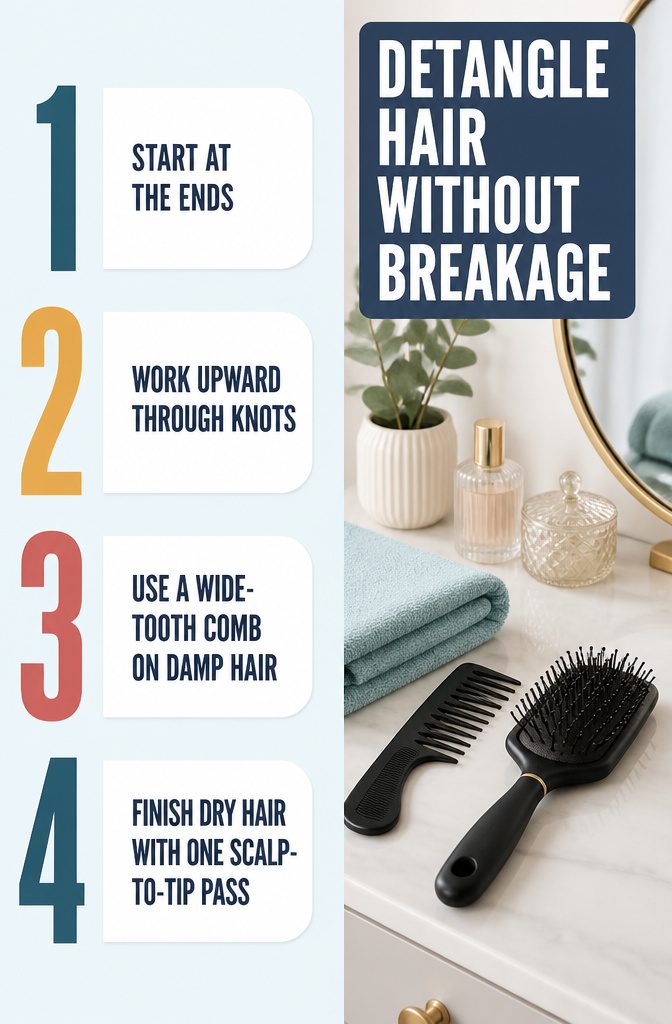
I always start at the ends and work upward to clear knots without dragging them down the length of the shaft.
After washing, a wide-tooth comb moves through damp hair more gently than a brush, and the slower pace keeps breakage low.
For dry hair, begin a few inches above the ends with a paddle brush, move upward to the roots, then finish with one pass from scalp to tip.
Conditioning well once or twice a week softens tangles before they form, so the brush meets less resistance and you lose fewer hairs to friction.
10. Choose Low-Tension and Protective Styles
Choose Low-Tension and Protective Styles
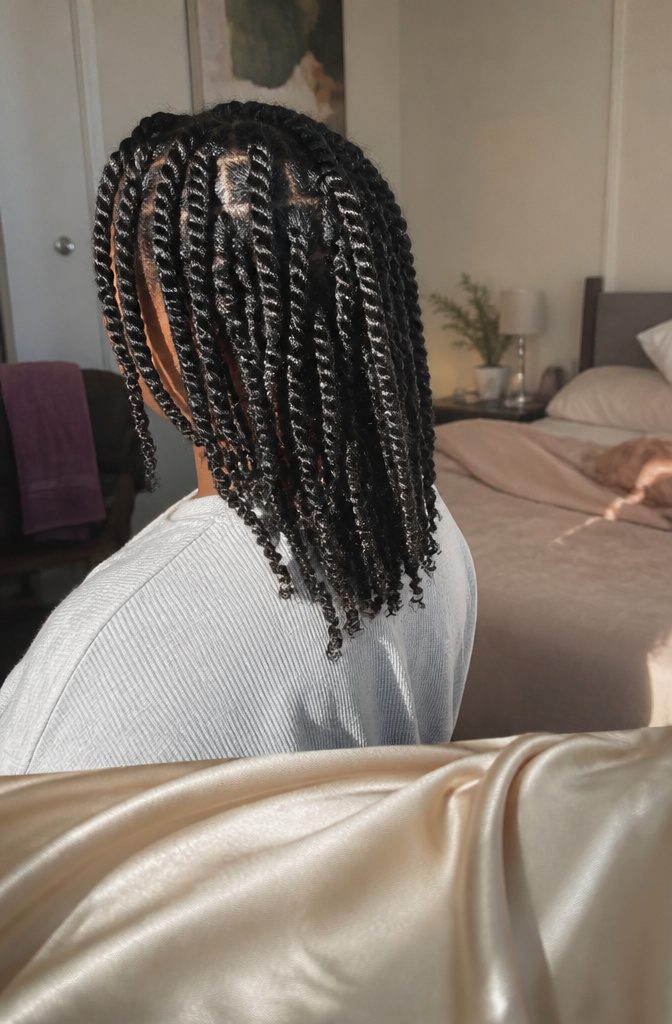
Loose protective styles keep strands tucked away from friction that leads to breakage, but tight, high-tension hairstyles can damage follicles and pull hair out over time.
Loose plaits work for finer, straighter hair, while two-strand twists and box braids suit coily and natural textures.
Coily hair is mechanically weaker than straight hair and benefits particularly from protective styling, deep conditioning and moisture-retaining products to prevent aggressive brushing or combing from snapping fragile strands.
Silk pillowcases reduce friction overnight.
Cotton has larger, rougher fibers that catch hair as you toss and turn, lifting the outer cuticle layer and leaving you with frizz and breakage by morning. Silk keeps the cuticle intact and hair smoother when you wake up.
The same principle applies to towels: microfiber towels absorb moisture quickly without the harsh rubbing that traditional bath towels require, so hair glides over the surface with no damage.
11. Manage Stress, Sleep and Hydration

Chronic stress raises cortisol, and over time that hormone disrupts the growth cycle and accelerates shedding. Poor sleep limits the hours your body has to repair follicle cells.
Dehydration dries the scalp, slowing the processes that keep hair anchored and growing. The connections run both ways: fix one and you often improve the others.
Thirty minutes of movement daily covers the CDC recommendation of 150 minutes weekly, and the form matters less than consistency.
Walking, yoga, lifting weights and gardening all count. Water intake keeps the scalp environment stable, and adequate sleep gives cells the repair window they need.
Telogen effluvium, the stress-triggered shedding that follows surgery, illness or major life disruption, tends to improve on its own in four to six months once the trigger resolves.
Managing the underlying stressor shortens the timeline. The body repairs what chronic stress interrupted, but only when the conditions change.
12. See a Dermatologist for Unusual Hair Loss
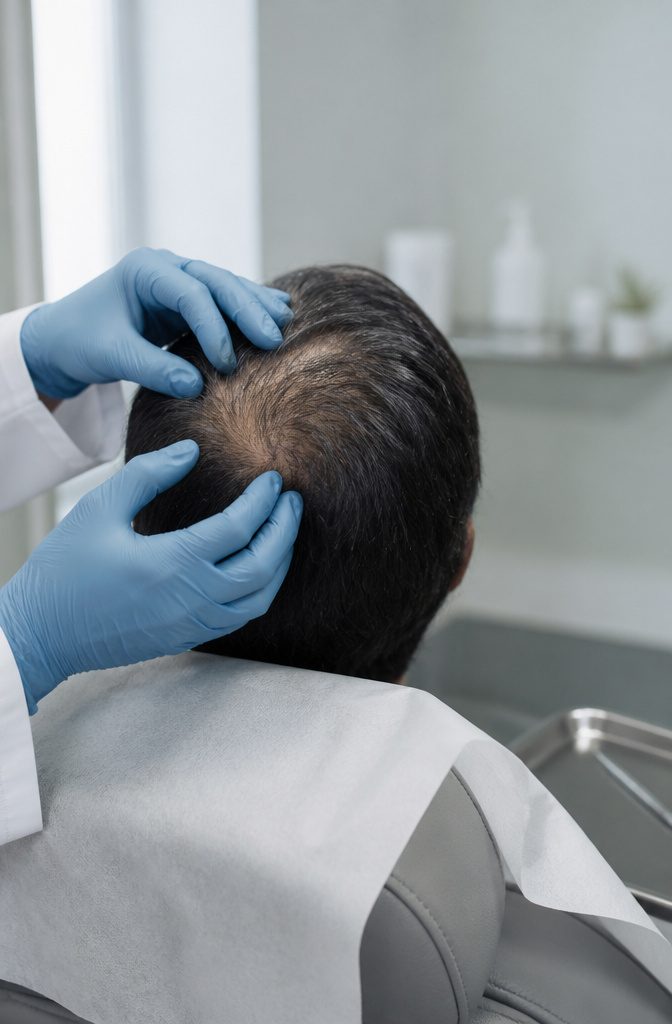
When shedding starts to look heavier than usual or patches thin in ways that feel wrong, a dermatologist can figure out whether something medical is behind it.
Most people lose 50 to 100 hairs daily without concern, but persistent loss past that range often points to a condition worth treating rather than waiting out.
Minoxidil, sold as Rogaine, works for pattern hair loss in both men and women by waking dormant follicles. Spironolactone helps when hormonal imbalance drives thinning, particularly in women dealing with excess androgen activity.
Finasteride blocks the hormone conversion that shrinks follicles in male-pattern baldness. Each prescription targets a specific cause, so a proper diagnosis matters before starting any of them.
Hair Growth Foods and Their Nutrient Profiles
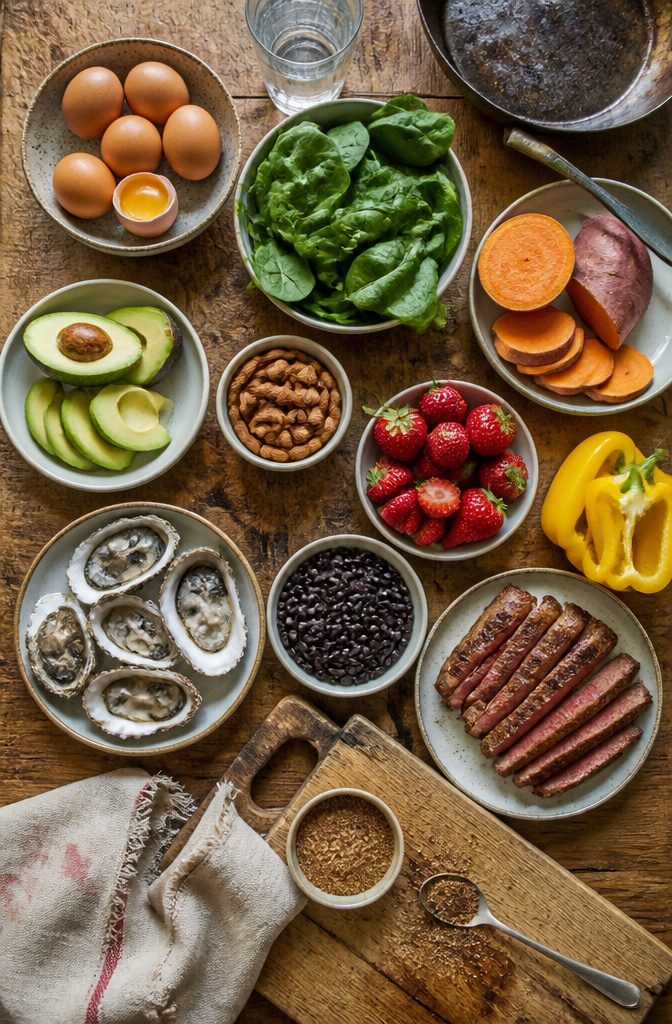
The thirteen foods that show up most consistently all carry nutrients tied to hair structure or follicle function.
Eggs deliver protein and biotin, the keratin building blocks. Spinach provides iron and vitamins; one cup of the raw leaf (30 grams) covers up to 20% of daily vitamin A. Fatty fish bring omega-3s and more protein.
A medium sweet potato (114 grams) supplies beta carotene that converts to vitamin A, reaching 160% of daily needs in a single serving.
One medium avocado (200 grams) provides 28% of daily vitamin E. An ounce of almonds (28 grams) hits 48%. One cup of strawberries (144 grams) contains 85 milligrams of vitamin C, or up to 113% of daily requirements.
A single yellow pepper covers 456% for women and 380% for men. One medium oyster delivers 96% of daily zinc for women, 75% for men.
| Food | Key nutrient | Amount per serving |
|---|---|---|
| Eggs | Protein, biotin | n/a |
| Spinach | Iron, vitamin A | 20% daily vitamin A per cup (30 g) |
| Sweet potato | Beta carotene (vitamin A) | 160% daily vitamin A per medium (114 g) |
| Avocado | Vitamin E | 28% daily per medium (200 g) |
| Almonds | Vitamin E | 48% daily per ounce (28 g) |
| Strawberries | Vitamin C | 85 mg (up to 113% daily) per cup (144 g) |
| Yellow pepper | Vitamin C | 456% daily (female) / 380% (male) per pepper |
| Oysters | Zinc | 96% daily (female) / 75% (male) per medium |
| Black beans | Zinc | 14% daily (female) / 10% (male) per 3.5 oz (100 g) |
| Sirloin steak | Protein | 29 g per 3.5 oz (100 g) cooked |
| Ground flaxseed | Omega-3s | 4.7 g per 2 tablespoons |
Black beans (3.5 ounces or 100 grams) offer 14% of female and 10% of male daily zinc.
Cooked sirloin steak provides 29 grams of protein per 3.5 ounces. Two tablespoons of ground flaxseed supply 4.7 grams of omega-3s, though the plant type is used less efficiently than the omega-3s in fish.
More research is needed for some of these nutrient connections, and excess supplementation can backfire. Too much vitamin A, for instance, can cause hair loss instead of preventing it.
Hair-Type-Specific Care and Product Choices
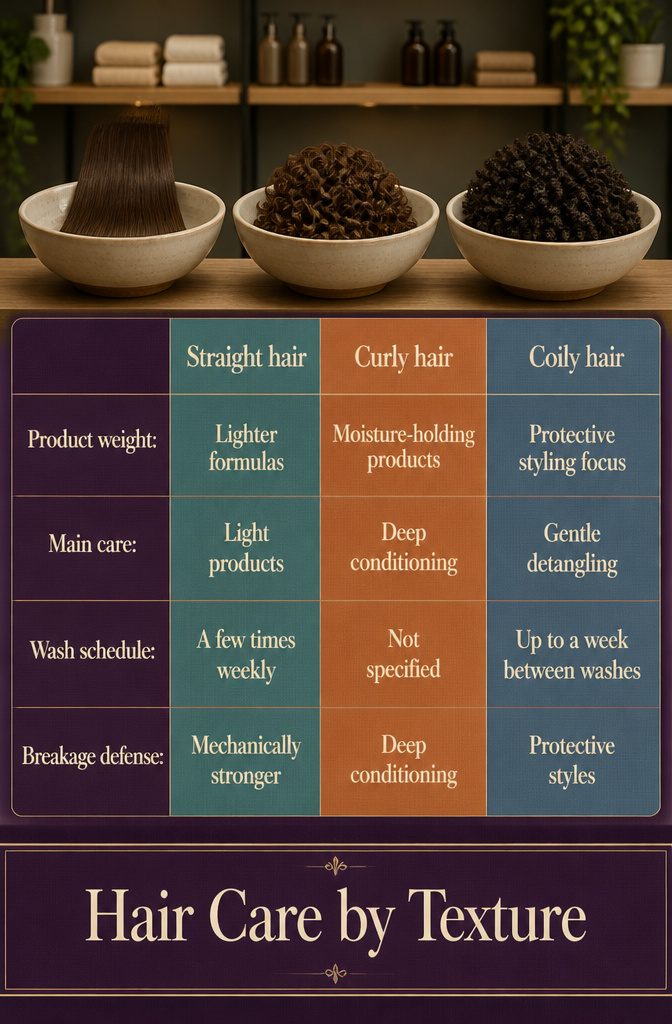
Straight hair is mechanically stronger and harder to break than curly or coily hair.
That difference shows up fast in how you treat it. If your hair is coily, protective styles and gentle detangling are the main defense against breakage.
Curly hair does better with deep conditioning and products that hold moisture. Straight hair needs lighter formulas, or it looks greasy by midday.
Wash frequency follows the same logic.
Straight, thin hair often needs washing a few times a week. Coils can go a week between washes without trouble.
The baseline advice still holds across all textures: keep your scalp clean, stay hydrated, and handle wet hair carefully. But the products and the schedule shift with what you are working with.
What Prescription Treatments Can Do
What Prescription Treatments Can Do
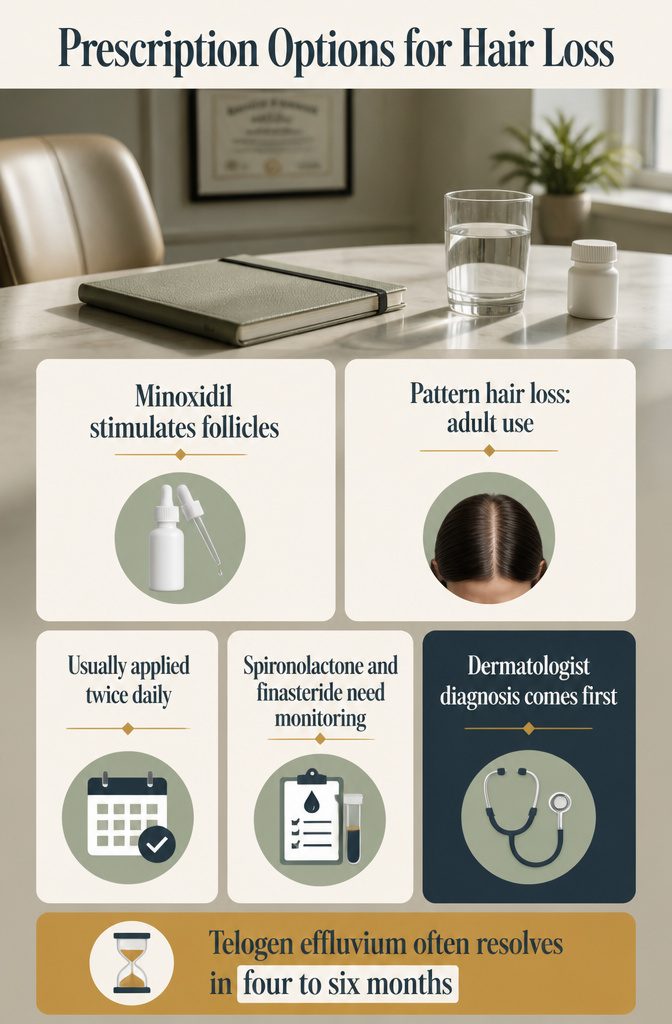
Minoxidil, sold as Rogaine in the United States, stimulates follicles and can genuinely improve growth in adults with pattern hair loss.
You apply it directly to the scalp, usually twice a day, and results take months to show. Spironolactone and finasteride address specific hormonal causes rather than general thinning, and both require blood work and monitoring.
I can’t stress this enough: these are prescription medications, not supplements you pick up on a hunch. A dermatologist diagnoses the type of loss first, because the wrong treatment does nothing or makes things worse.
If you’re dealing with telogen effluvium, the temporary shedding triggered by illness, stress or sudden weight loss, time does most of the work. Hair usually recovers on its own four to six months after you resolve the trigger.
Frequently Asked Questions
Can you make your hair grow faster?
Not beyond your genetic growth potential, which is about half an inch per month for most people.
A good routine helps you keep the length you grow by reducing breakage, but it cannot speed up the rate at which hair grows from the follicle.
The anagen phase lasts two to seven years based on genetics, and no product or method can extend it.
What is the quickest your hair can grow?
Hair grows about half an inch per month, or four to six inches per year, for most healthy adults.
That rate is set by genetics and the length of your anagen phase. You can reach your maximum growth potential by keeping hair healthy and preventing breakage, but you cannot push past that biological ceiling.
What foods promote hair growth?
Protein-rich foods like eggs, fatty fish, and sirloin steak support hair structure, since hair is made of protein.
Iron, zinc, and vitamins A, C, and E also matter: spinach, sweet potatoes, yellow peppers, almonds, and oysters all deliver nutrients tied to follicle function. No single food speeds growth, but a balanced diet helps you reach your genetic potential.
Do hair growth vitamins work?
There is little evidence that biotin helps healthy adults without a deficiency, according to the National Institutes of Health.
Iron and vitamin D deficiencies are the most common nutrient-related causes of hair loss, so a doctor should test for those before you take supplements. Excessive supplementation can backfire and cause the hair loss you were trying to fix.
How often should I wash my hair?
Two to three times per week works as a baseline for most people, but frequency depends on your hair type and scalp needs.
Straight, thin hair often requires washing multiple times a week, while coils may only need washing once a week. The right frequency keeps your scalp clean without stripping natural oils.
Should I brush my hair daily?
You can brush daily if you do it gently, but aggressive brushing pulls out strands and snaps wet hair more easily. Start at the ends and work upward to clear knots without dragging them down the shaft.
A wide-tooth comb moves through damp hair more gently than a brush, and conditioning well once or twice a week softens tangles before they form.
What is the best product for fast hair growth?
Minoxidil (Rogaine) is the only over-the-counter product proven to stimulate follicles in adults with pattern hair loss, though results take months.
Most other products marketed for growth have not undergone proper research. A clean scalp, gentle handling, and products that reduce breakage do more for visible length than any single formula.
Which oil is best for hair growth?
Castor oil is especially effective when mixed with olive oil, massaged into the scalp, and left overnight under a shower cap.
Coconut, argan, rosemary, almond, and olive oils all hydrate the scalp and hair. No oil speeds the biological growth rate, but they reduce breakage and keep the scalp environment healthy.