Most silicone-free formulas fall into one of two camps: clarifying types that strip buildup once a week, or daily cleansers gentle enough for dry or color-treated hair.
The choice depends on whether your hair feels weighed down from product or whether it snaps and frizzes from lack of moisture.
Ingredients that end in "-cone" or "-xane" coat the strand and block conditioning agents from absorbing, so scanning the back of the bottle for dimethicone, cyclomethicone, or amodimethicone tells you what you’re working with before you buy.
1. Silicone-free Shampoo for Dry Hair
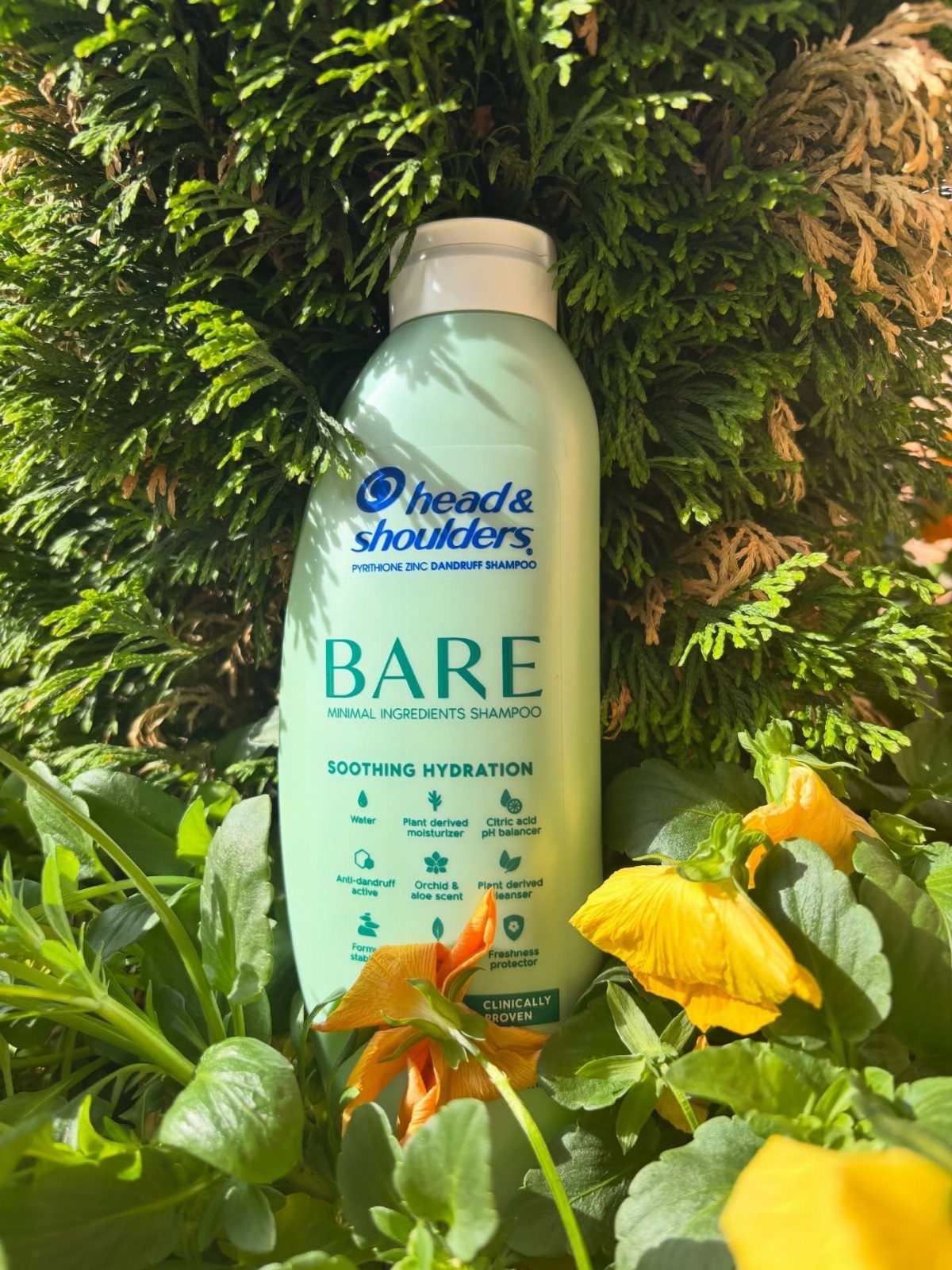
This formula strips out silicones and leaves conditioning agents that actually absorb into the hair shaft instead of sitting on top.
Dry hair needs moisture, and a silicone coating can seal the cuticle so tightly that oils and humectants can’t get in during conditioning.
I look for shampoos with glycerin or panthenol near the top of the ingredient list.
Those pull water into the strand. Sulfate-free bases are gentler, but they take 2 washes to remove heavy oils if you pre-treat your scalp.
Use the conditioner from the same line if you can. Dry hair loses elasticity fast, and skipping conditioner after a cleanse leaves it brittle by day 3.
2. Shampoo Bar
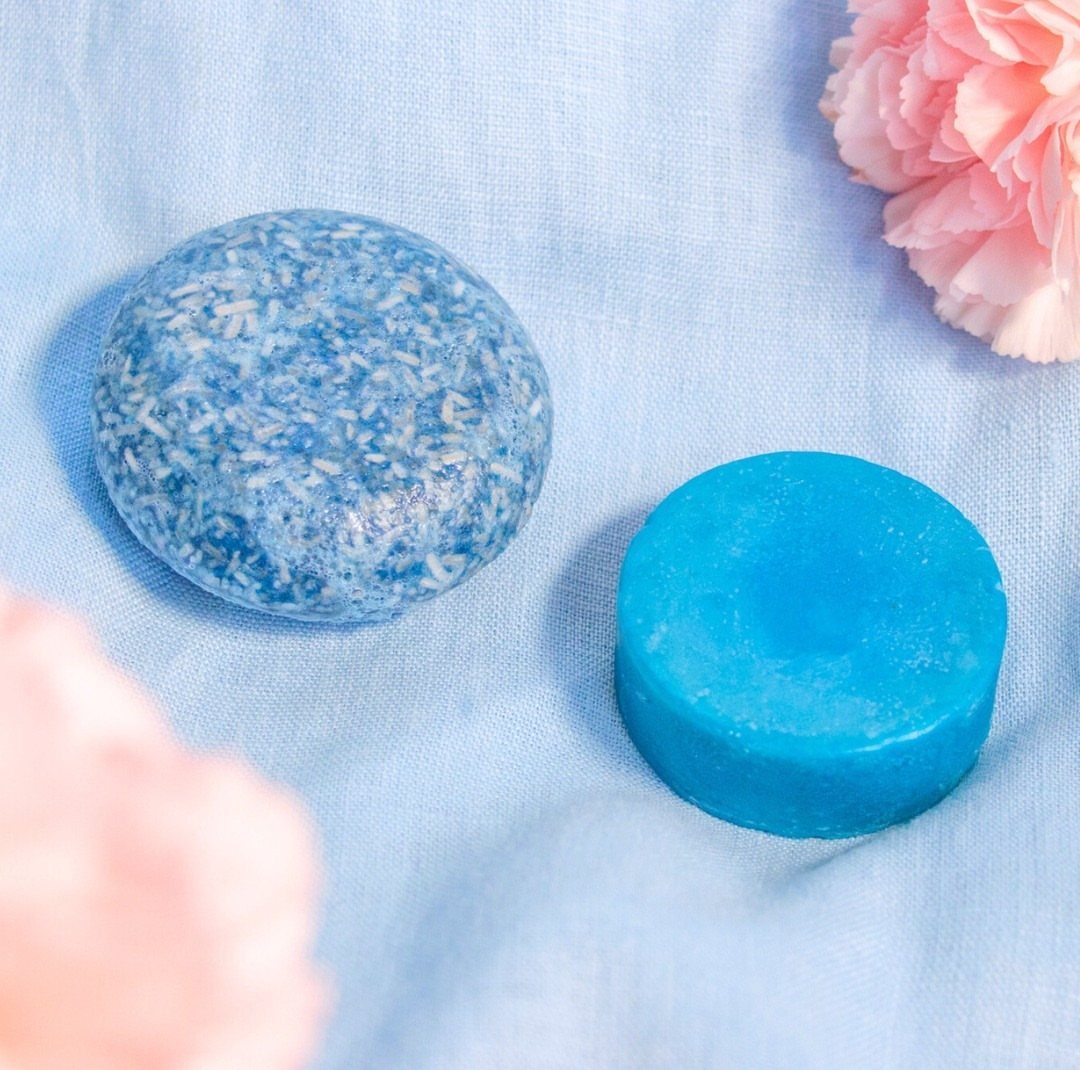
A solid bar replaces the bottle and cuts down on plastic in the shower. You wet your hair, rub the bar directly onto your scalp in sections, then work the lather through to the ends.
Most bars are concentrated, so one lasts longer than a bottle. Store it on a draining dish between uses or it turns to mush.
The texture feels different at first.
Bars don’t foam as much as liquid shampoo, but they still clean. If you have hard water, expect a waxy feel until you rinse with diluted vinegar or a clarifying treatment every few weeks.
3. Purifying Rosemary Mint Shampoo
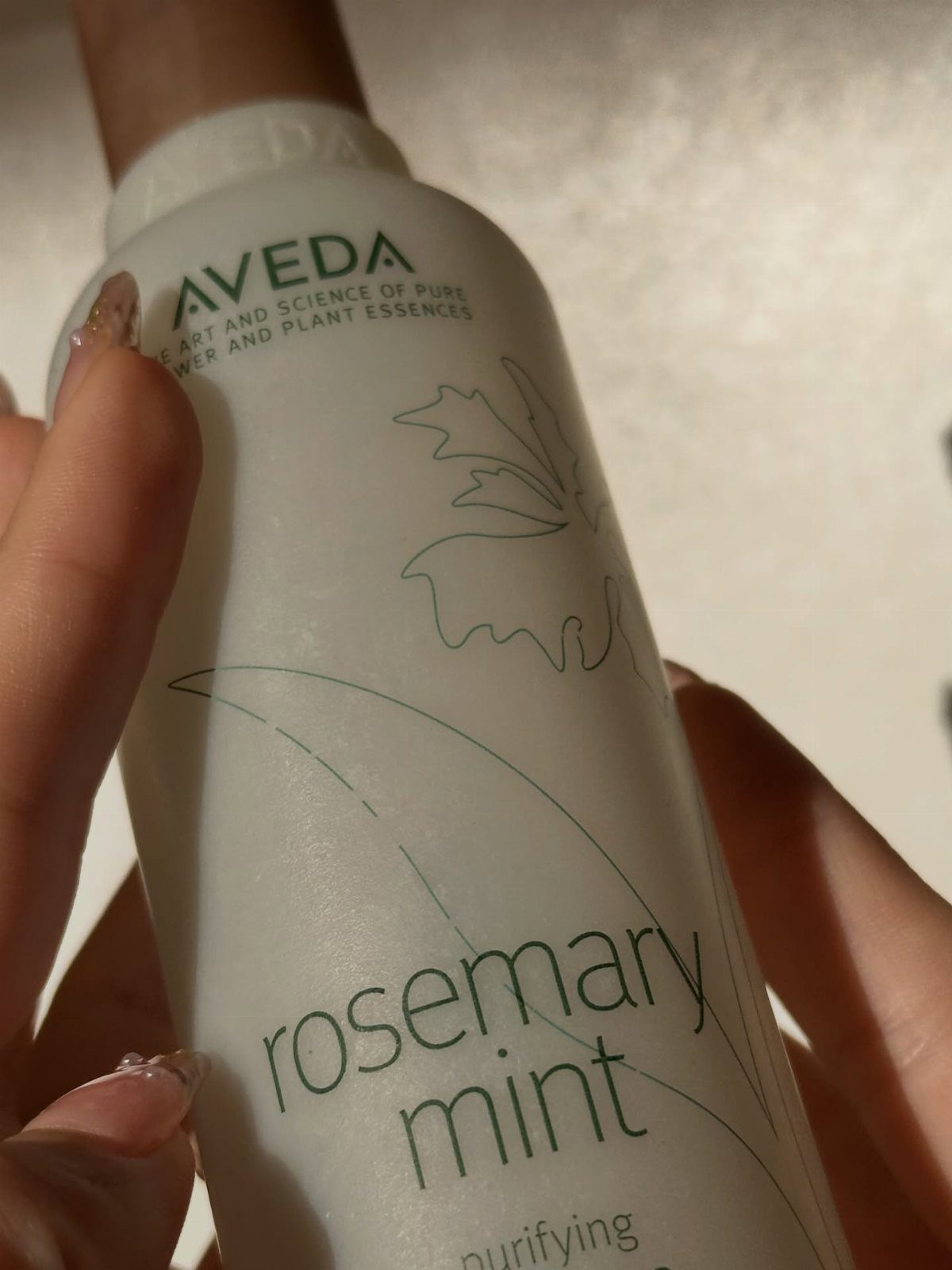
Rosemary and mint deliver a cooling sensation on the scalp and help lift product buildup. I use this once a week when styling creams start weighing my roots down.
The menthol tingle lasts through the rinse. Some people find it too intense if their scalp is sensitive or if they have color-treated hair that’s already dry.
Purifying formulas strip more than a daily shampoo, so I always follow with a heavier conditioner on the mid-lengths and ends. Clarify too often and your scalp starts making more oil to make up for it.
4. Biotin Strengthening Shampoo
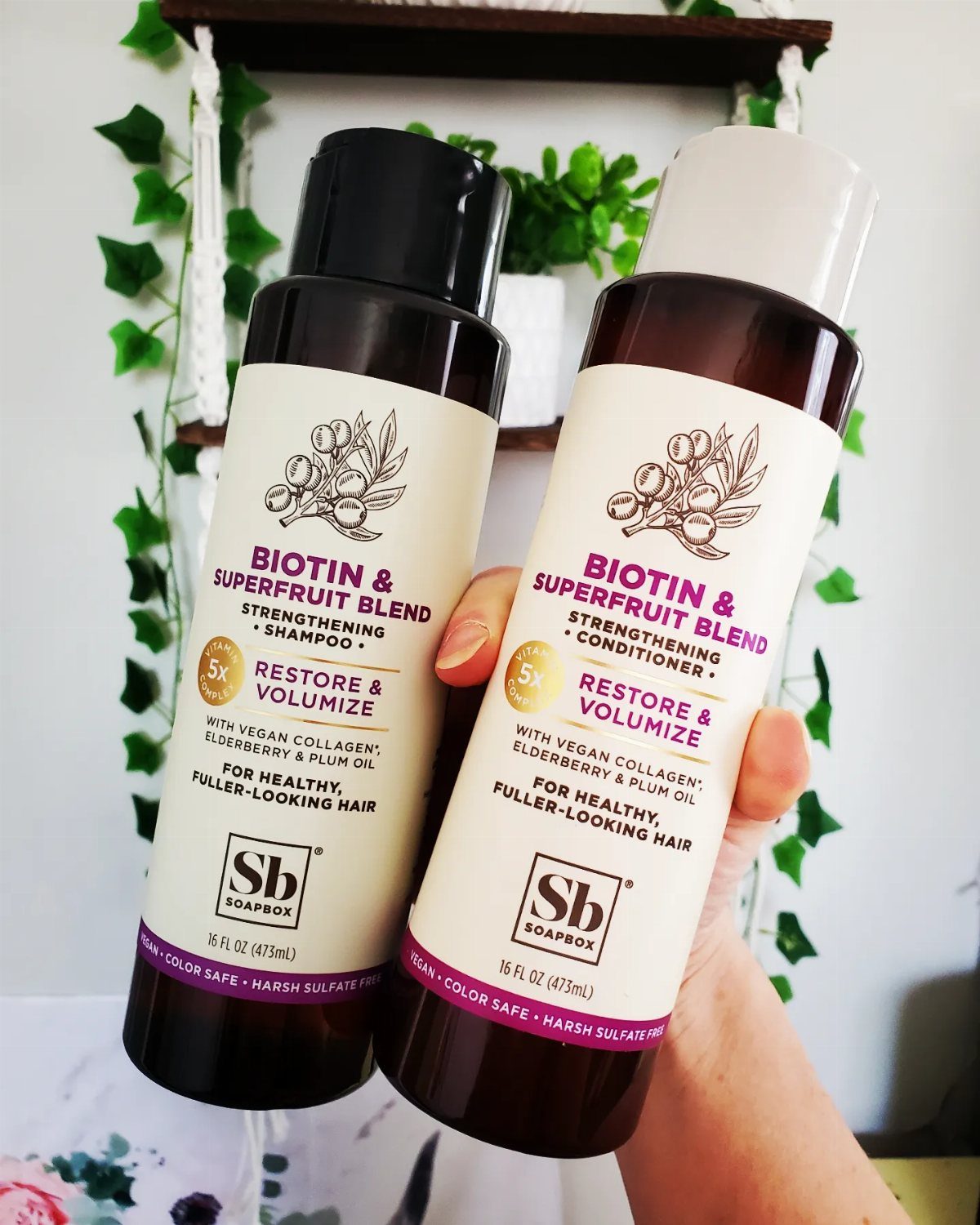
Biotin thickens the hair strand over time, and superfruit extracts add antioxidants that protect against breakage. This formula works best for fine or thinning hair that snaps easily when wet.
The conditioner in the same line keeps the protein-moisture balance in check. Too much protein without enough slip makes hair stiff and prone to breaking at the comb.
5. Unscented Silicone Free Shampoo
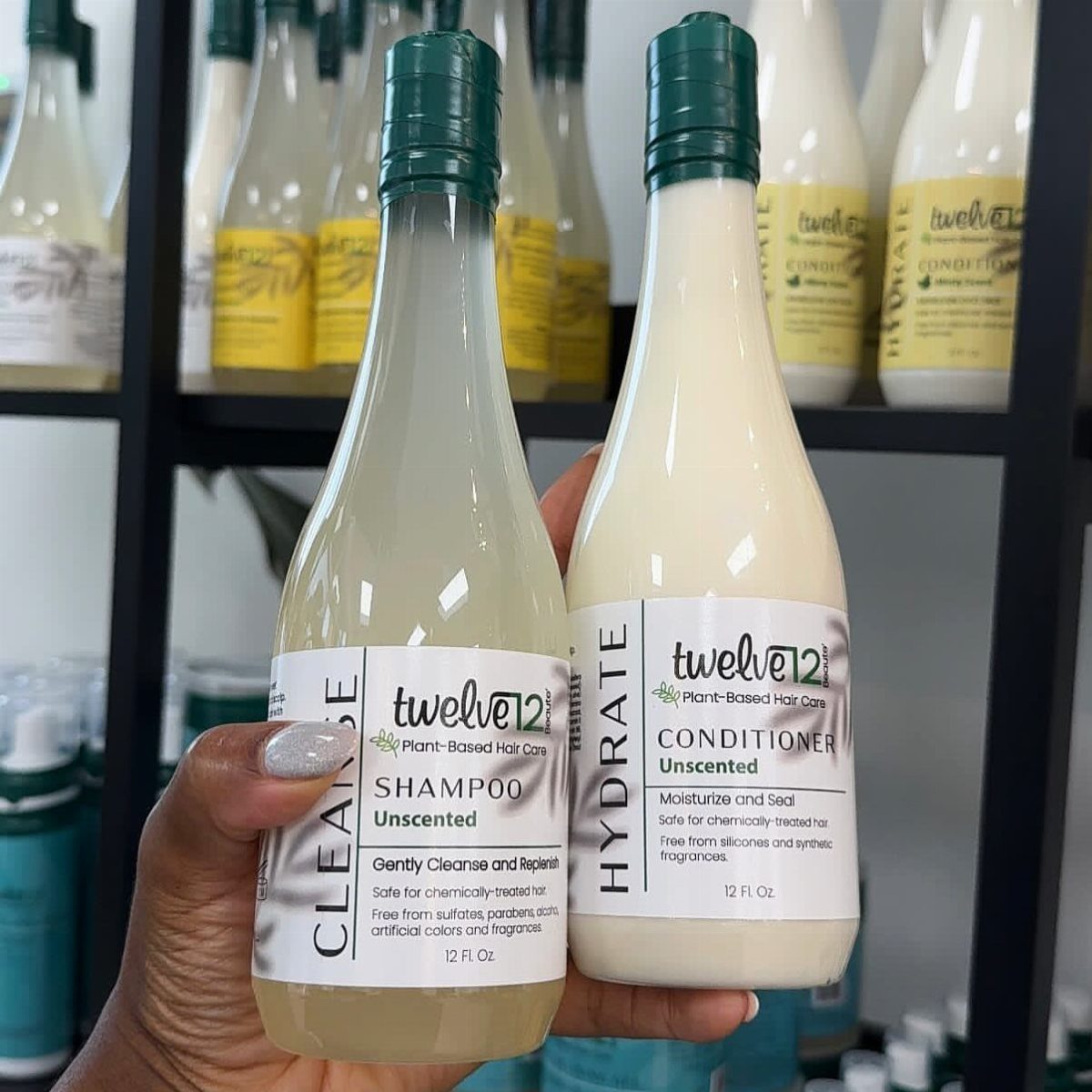
Fragrance-free shampoo suits anyone with a sensitive scalp or scent allergies. The formula cleanses without added perfumes, essential oils, or masking agents that can irritate skin.
Plant-based ingredients keep it gentle, but check the label for coconut-derived surfactants if you react to coconut. Some people do, even though it’s processed differently than coconut oil.
Unscented means you smell nothing, which matters if you layer other products or prefer your leave-in conditioner’s scent to stand alone. I rotate this in when my scalp feels reactive or itchy between washes.
SEEN Shampoo is dermatologist-designed to care for your hair, scalp, and skin, making it perfect for sensitive or acne-prone skin. Its sulfate-free formula gently cleanses without stripping your hair, while reducing frizz by up to 74% and breakage by 59% when used with the full SEEN regimen.
Identify Silicones on Labels
Scan the back of the bottle for anything that ends in "-cone" or "-xane".
Dimethicone, cyclomethicone, and phenyl trimethicone appear most often. Amodimethicone is water-soluble if you see trideceth-12 and cetrimonium chloride listed alongside it.
Water-soluble silicones rinse out with regular shampoo.
Fat-soluble types coat the strand and resist removal without a sulfate cleanser or a clarifying scrub. Dimethiconol, cetearyl methicone, and stearyl dimethicone fall into the fat-soluble group.
I flip the bottle and scan the list from the top.
If a silicone sits in the first 5 ingredients, it’s a primary coating agent. Farther down, it’s a lighter finish.
Plant-based and biodegradable formulas avoid these altogether. Free shampoos label themselves sulfate-free, paraben-free, and silicone-free, and the trend keeps growing in drugstore and specialty lines alike.
Switching and Removing Buildup
Start with a clarifying shampoo to strip the silicone layer before switching to a silicone-free routine.
Sulfate-free clarifiers lift buildup without roughing up the cuticle. A scalp massage brush works the cleanser into the roots and loosens film faster than fingertips alone.
Follow with a deep conditioner while the cuticle is open. That replenishes moisture before you start the new routine.
Then wash with your silicone-free formula. The first few washes feel different because there’s no coating smoothing the surface.
Fine and thin hair regains volume once the weight comes off. Straight hair stops looking flat.
Water-soluble silicones rinse out on their own, but fat-soluble types need that initial deep cleanse. Skip it and the new shampoo sits on top of the old layer instead of reaching the strand.
Effects of Silicone Buildup
Silicone creates a coating on hair strands, but the coating builds up over time and blocks conditioning agents from absorbing.
Straight and fine hair turns limp once the layers stack.
Curls lose bounce because the weight pulls the pattern looser. Dry hair gets brittle when moisture can’t penetrate, and oily scalps look greasy faster because sebum sits on top of the film instead of spreading down the strand.
The silicone layer seals out frizz, but it also seals out everything else. Hair looks better immediately, but the effect doesn’t improve its condition underneath.
Clarify when buildup makes styling products stop working or when roots feel heavy even after washing.
Frequently Asked Questions
What is silicone in shampoo?
Silicone is a polymer derived from silica that coats each hair strand to smooth the surface and lock out humidity.
It adds shine and makes hair feel slippery right away, but it doesn’t absorb or improve the condition underneath. Most silicones end in "-cone" or "-xane" on ingredient labels.
Should you have silicone-free shampoo?
Silicone-free shampoo stops buildup that blocks moisture and weighs hair down over time.
Fine hair looks fuller, and conditioner can reach the strand again. Look for botanical oils and natural emollients to replace the smoothing effect without the film.
What are bad silicones for hair?
These silicones need a sulfate shampoo or a clarifying wash to come off.
All 3 resist water, layer up with every wash, and seal out moisture. The water-soluble types rinse away without much effort and rarely coat the hair for long.