An itchy scalp usually clears in a few days with the right shampoo or a simple routine shift, but the fix depends entirely on what’s causing it.
Most people jump straight to dandruff shampoo when the real problem is buildup, dryness, or an undiagnosed condition like psoriasis or ringworm.
Ketoconazole stops fungal overgrowth at the root, salicylic acid lifts thick scales, and coconut oil left on for an hour pulls moisture back into dry skin.
1. Cleanse the Scalp and Remove Buildup
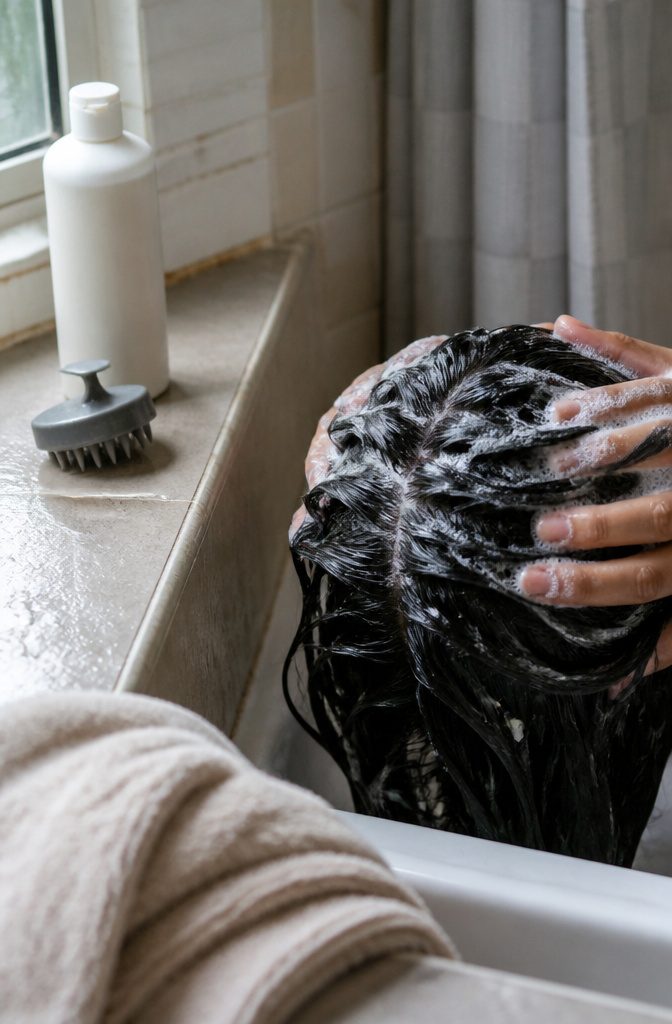
Buildup from styling products, oil, sweat, and everyday dirt can sit on the scalp and trigger itching. Washing regularly with a clarifying or detox shampoo clears that residue and gives the scalp a reset.
Garnier claims its Rebalancing Shampoo removes up to 95% of residue, and the Clarifying Shampoo gets to 100%. Using a detox formula once or twice a week keeps product from clogging pores without stripping natural oils completely.
Wash frequency depends on your hair type and how much product you use.
Sources differ on the ideal schedule, so no single routine fits everyone. If you lean heavily on styling products or skip washdays for weeks, buildup accumulates faster and the itch gets worse.
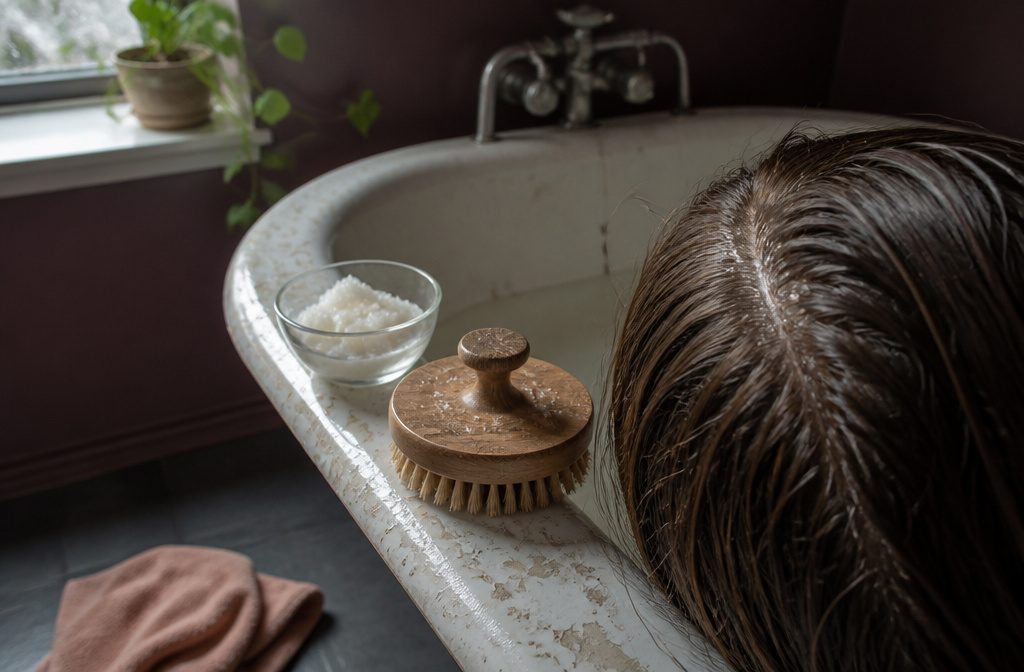
A scalp scrub with gentle exfoliants can lift flakes and residue before shampooing, especially if your scalp feels congested or greasy.
2. Use a Medicated or Targeted Shampoo
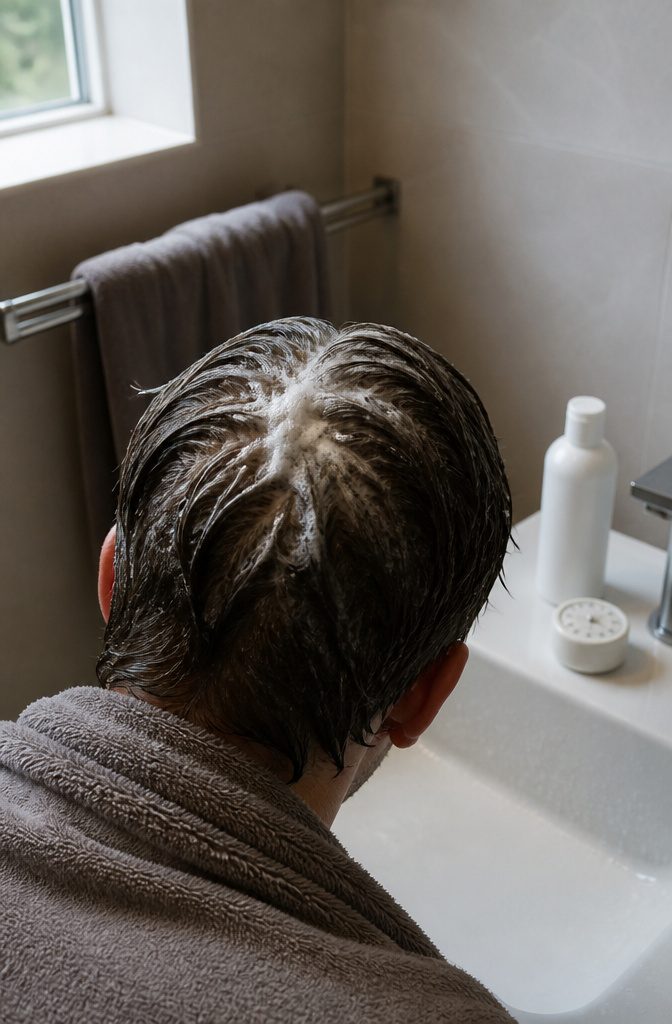
Medicated shampoos target the specific organism or process causing the itch.
Ketoconazole stops fungal overgrowth, the root of many dandruff and seborrheic dermatitis cases. Nizoral A-D contains ketoconazole and gets used twice weekly in place of regular shampoo, left on the scalp for 5–10 minutes before rinsing.
That contact time matters. Pyrithione zinc works similarly, controlling flaking and yeast.
For psoriasis-related itch, salicylic acid lifts the thick scales that trap heat and irritation.
Neutrogena T/Sal has 3% salicylic acid and softens those layers so they rinse away. Coal tar brings anti-inflammatory action to psoriasis as well, though the smell is unmistakable.
Selenium sulfide and sulfur round out the roster of antifungal and keratolytic actives you will see on labels. Match the ingredient to what is happening on your scalp, not just to the word "itch."
3. Moisturize and Soothe a Dry or Irritated Scalp
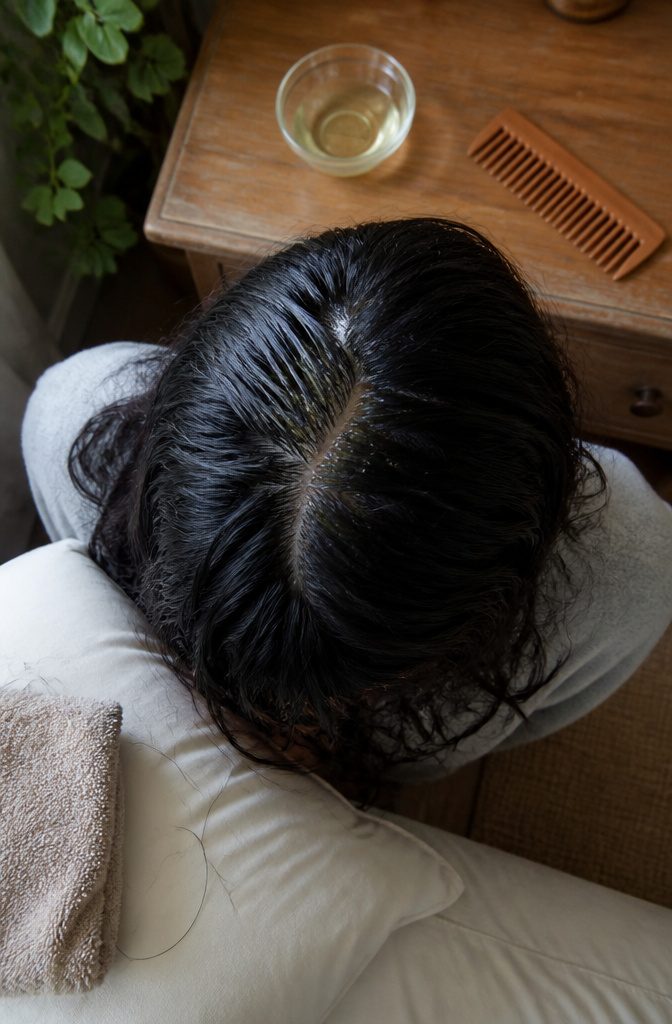
When dryness is driving the itch, coconut oil left on for at least an hour pulls moisture back into the scalp. Warm 3–5 tablespoons until it flows easily, massage it through from roots to ends, and let it sit.
Overnight works if you can stand a towel on the pillow. Wash thoroughly afterward with a gentle shampoo, because coconut oil sits heavy and takes real rinsing to clear.
Aloe vera cools irritation fast.
Pure gel straight from the plant or a clean store-bought version goes directly onto the scalp, sits for about 30 minutes, then rinses out before shampooing. The anti-inflammatory and anti-fungal properties calm flaking and redness without weighing hair down.
For something lighter, the Garnier Hydrating Serum provides up to 24 hours of dryness relief without the rinse step.
Act + Acre Vitamin E Scalp Detox Oil works as a pre-wash treatment: leave it on for 20 minutes to break down buildup while baobab and sunflower oils moisturize. Both handle dryness when a full oil soak feels like too much effort.
4. Try a Vinegar Rinse
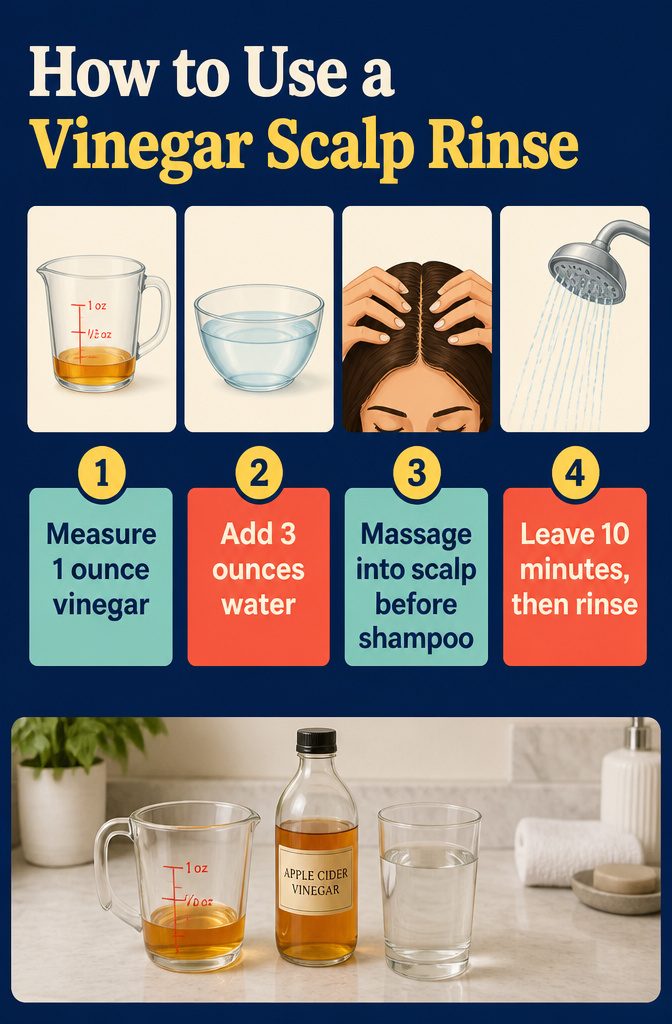
Apple cider vinegar works as a clarifier and helps balance the pH of your scalp, making it harder for yeast and bacteria to take hold. It strips away product buildup that can clog follicles and trigger itching.
The dilution ratio changes the strength. Mix 1 part vinegar to 3 parts water (1 ounce vinegar and 3 ounces water), massage it into your scalp before shampooing, and leave it on for 10 minutes before rinsing.
If you want a stronger treatment, use equal parts vinegar and water and let it sit for 15 minutes after shampooing.
For a gentler version, stir 1 tablespoon vinegar into 1 cup cool water and rinse it through, either leaving it in or rinsing it out after about 5 minutes.
The vinegar smell disappears once your hair dries. If your scalp irritation persists after a couple treatments, consult a dermatologist.
5. Avoid Likely Irritants and Triggers
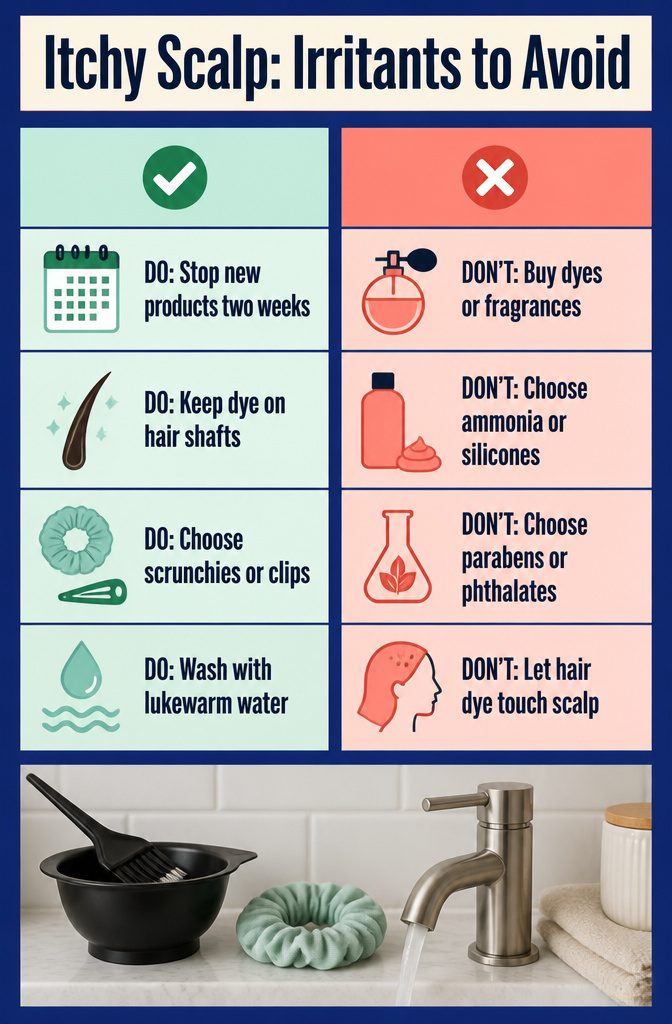
Avoid Likely Irritants and Triggers
If the itch started after introducing a new product, stop using it for two weeks and see if the problem clears.
That product was probably the cause. When you’re shopping for replacements, skip formulas with dyes, fragrances, ammonia, silicones, parabens and phthalates.
All of those can trigger irritation or allergic contact dermatitis, especially if left on the scalp too long or allowed to touch the skin during application.
If you color at home, apply dye to the hair shaft only and keep it off the scalp. Tight ponytails stress follicles and cause irritation, so switch to a scrunchie or clip when you can.
Hot water strips natural oils and worsens dryness, which makes itch from eczema and psoriasis harder to tolerate. Wash in lukewarm water instead.
6. Adjust Hair-Care Habits

Sometimes changing how you care for hair makes more difference than adding another product. A few quick adjustments to your routine can ease dryness and irritation that leads to itching.
If you find that your itchiness is getting worse when you go longer between washes, it could be a sign you need to shampoo more often.
— NBC News
The right washing frequency depends on what is causing the itch.
If over-washing strips natural oils, Divi suggests cutting back to 2–3 times per week. But seborrheic dermatitis and some other scalp conditions improve with more frequent washing, not less.
- Rinse with lukewarm water, not hot. Excessively hot water dries out the scalp and can worsen conditions like eczema and psoriasis.
- Dry your scalp completely after washing. Leaving water sitting in the scalp can slowly dry it out and trigger itching. NBC recommends keeping your dryer on low heat to avoid increasing swelling and tenderness. The Dyson Supersonic has an attachment that lowers airflow temperature by up to 20 degrees.
- Loosen tight hairstyles. High ponytails and tight updos stress hair follicles and irritate the scalp. Reach for a scrunchie or clip instead.
- Limit heat styling. High heat increases skin inflammation and can lead to flaking, red patches and hair loss.
7. Get a Diagnosis and Cause-Specific Care
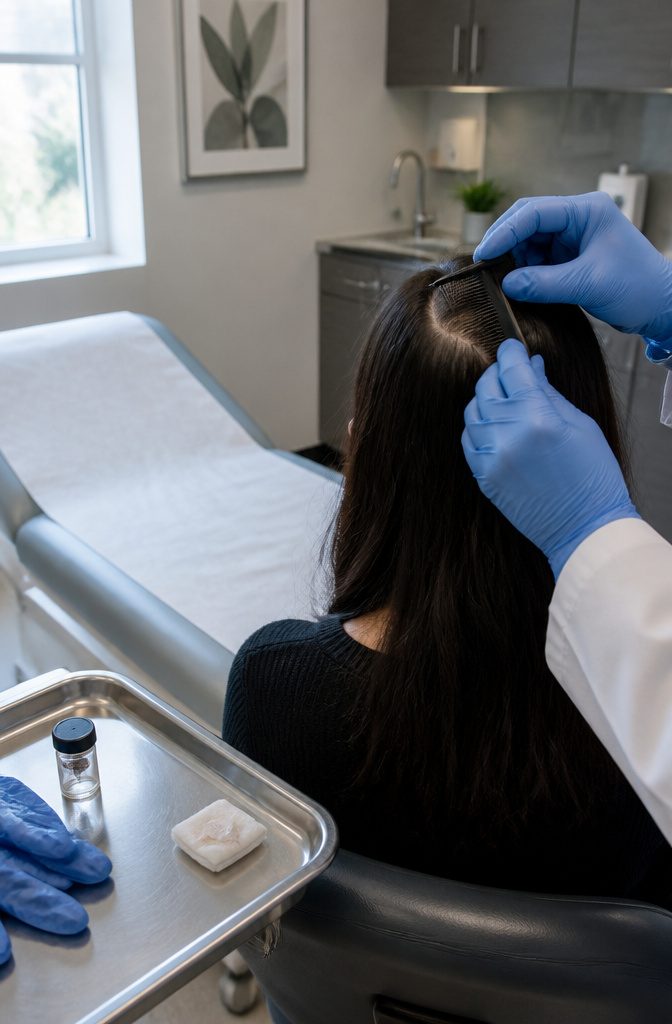
Treatment depends on the cause, and if your itchiness doesn’t go away in a few days, it’s time to see a doctor.
Hair loss, pain, sores, or intense itching all warrant a visit right away. Conditions like fungal infections or lice won’t resolve on their own, and attempting home remedies when an infection is present just delays the relief you need.
A physical exam and your medical history are usually enough for a diagnosis. If the picture isn’t clear, your doctor may scrape your scalp and send the cells to a lab.
Once the underlying cause is identified, treatment follows that diagnosis: ringworm typically gets antifungal tablets like griseofulvin or terbinafine alongside a ketoconazole shampoo.
Address the root problem first, and if hair loss is part of the picture, further treatment can follow once the scalp itself has settled.
What Causes an Itchy Scalp
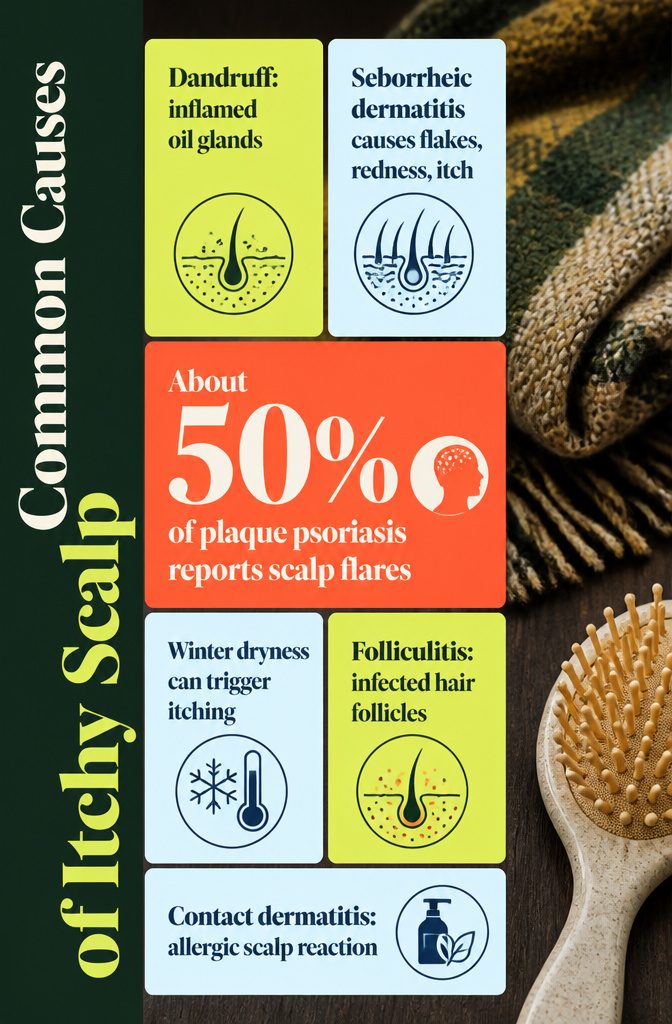
What Causes an Itchy Scalp
Dandruff is the most frequent cause, but itchy scalp and dandruff are not interchangeable terms.
Dandruff happens when oil-secreting glands in the scalp become inflamed, a condition formally called seborrheic dermatitis. That inflammation causes flaking, redness, and itching all at once.
Psoriasis is another common trigger.
About 50% of people with plaque psoriasis report scalp flare-ups, which show up as raised, rough patches that may crack or burn. Dry scalp causes itching too, especially in winter when skin loses moisture faster.
Folliculitis occurs when hair follicles get infected, and contact dermatitis shows up when your scalp touches something you’re allergic to, whether that’s a hair product or laundry detergent.
Product buildup, hard water deposits, eczema, head lice, and ringworm are other possibilities.
Some underlying health issues like diabetes, shingles, or anxiety disorders can also cause scalp itching. The range is wide, and most of the causes are benign but annoying.
Hair Loss Alongside Itch
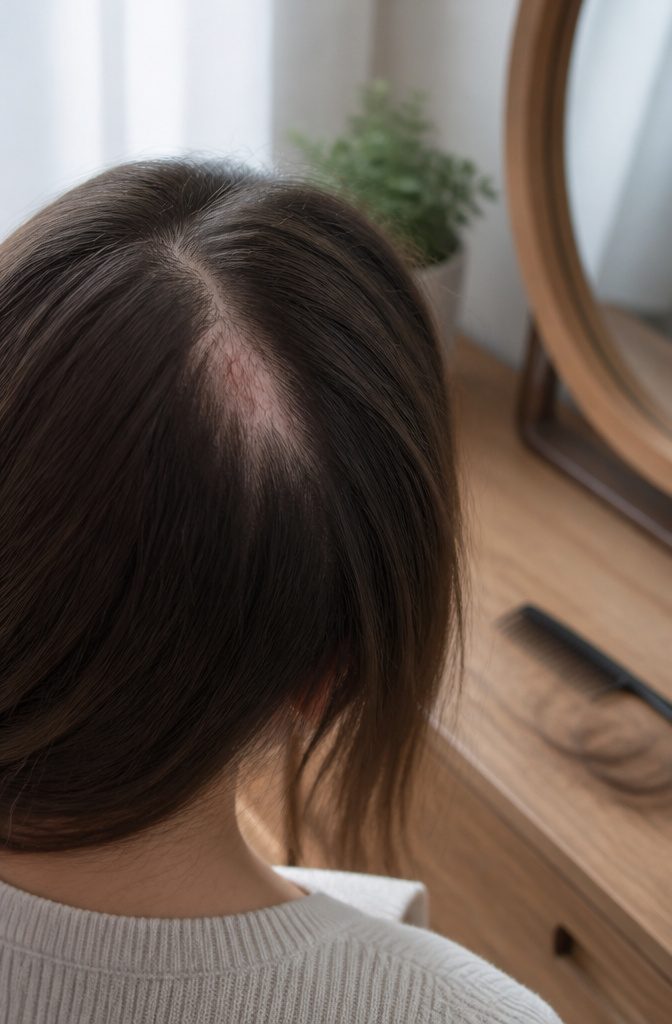
Some conditions that trigger scalp itch can also damage hair follicles and cause hair to fall out.
Ringworm, folliculitis, lichen planopilaris, and certain forms of alopecia all combine itch with thinning or patchy loss. Ringworm typically produces circular bald spots alongside the itch, and it requires an oral antifungal to clear.
With folliculitis and lichen planopilaris, inflammation around the follicle may lead to permanent loss if it scars the tissue. Diagnosis matters when hair is coming out, because waiting too long can let scarring set in.
Dandruff itself does not directly cause hair loss.
But constant, intense scratching can damage follicles and lead to some hair fall. If you notice thinning or bald patches alongside the itch, get it checked rather than treating it as simple dandruff.
Diet and Supplements for Scalp Health
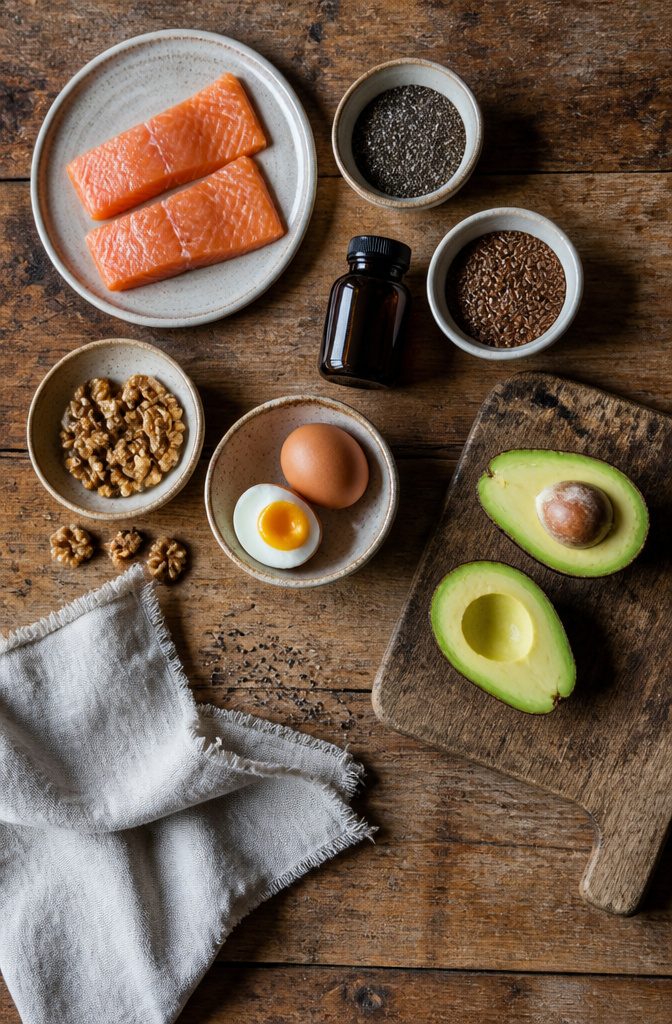
Omega-3 fatty acids fight inflammation, and that helps prevent dry, itchy, flaky scalp. Salmon, chia seeds, flax seeds, and walnuts are all solid sources.
You can also take an omega-3 supplement if getting enough through food feels like a stretch. Either way, the omega-3s work from the inside to improve scalp health and add shine to your hair.
Protein and soy matter, too. A diet rich in both supports a healthy scalp and hair.
Eggs and avocado are worth keeping in rotation for the same reason. They provide nutrients your scalp needs to stay in good shape.
Hair-loss vitamins and supplements get plenty of attention, but the evidence backing them is thin.
Your doctor will not prescribe them because there is little proof they work. A balanced diet that covers all your nutritional needs does more for your scalp and hair than any targeted supplement.
Frequently Asked Questions
What causes an itchy scalp?
Seborrheic dermatitis (dandruff) is the most common cause, triggered by inflamed oil glands in the scalp.
Psoriasis, dry scalp, folliculitis, contact dermatitis, product buildup, and ringworm can all cause itching as well. Less often, conditions like diabetes, shingles, or anxiety disorders lead to scalp itch.
What active ingredients can help with an itchy scalp?
Ketoconazole stops fungal overgrowth and treats dandruff and seborrheic dermatitis.
Pyrithione zinc controls yeast and flaking, salicylic acid lifts thick scales from psoriasis, and coal tar reduces inflammation. Selenium sulfide and sulfur also target fungal causes.
What lifestyle changes can help treat an itchy scalp?
Wash in lukewarm water instead of hot to avoid stripping natural oils.
Dry your scalp completely after washing and keep the dryer on low heat. Loosen tight hairstyles that stress follicles and limit heat styling to reduce inflammation.
How often should I use these home remedies?
Most treatments like coconut oil or vinegar rinses work once or twice a week.
Try one remedy at a time to see how your scalp responds. Overdoing it can irritate the scalp further.
Can dandruff cause hair loss?
Dandruff itself does not directly cause hair to fall out.
But constant, intense scratching can damage follicles and lead to some hair fall. If you notice thinning or bald patches, see a doctor rather than treating it as simple dandruff.
Is oiling my hair good for dandruff?
Coconut oil helps if dry skin is causing your dandruff, pulling moisture back into the scalp.
But if you have an oily scalp, adding more oil can make the problem worse. Match the treatment to what is happening on your scalp.
Why does my dandruff keep coming back?
Dandruff is often chronic because the fungus that causes it lives on the scalp permanently.
Consistent treatment and regular scalp hygiene keep flaking and itching under control. Stopping treatment allows the condition to return.
What are some natural treatments for dandruff at home?
Coconut oil moisturizes dry scalp when left on for at least an hour.
Aloe vera cools irritation and inflammation when applied for 30 minutes before rinsing. Apple cider vinegar strips buildup and balances pH when diluted and left on for 10 to 15 minutes.
What vitamins help itchy scalp?
Omega-3 fatty acids from salmon, chia seeds, flax seeds, and walnuts fight inflammation and prevent dry, flaky scalp.
A diet rich in protein, eggs, and avocado supports scalp health. Targeted hair supplements have little evidence backing them and do less than a balanced diet.
What are the signs of scalp psoriasis?
Raised, rough patches that may crack or burn are the main signs.
About 50% of people with plaque psoriasis get scalp flare-ups. The patches trap heat and cause itching, and salicylic acid or coal tar treatments help lift the thick scales.
Does dry air cause itchy scalp?
Dry air pulls moisture from the skin, and your scalp loses hydration faster in cold or winter weather.
This dryness leads to itching, especially if you already have conditions like eczema or psoriasis. Washing in lukewarm water and moisturizing help counter the effect.