The 11 foods in this list range from a handful of seeds to fresh oysters, and each one supplies a different nutrient that supports strand structure, scalp health, or follicle function.
Your choice depends on which nutrient you’re missing most: if your diet skips animal protein, lentils give you iron and zinc in one bowl; if you rarely eat fat, salmon and avocado deliver omega-3s and vitamin E that help the scalp absorb what it needs.
1. Salmon and Fatty Fish
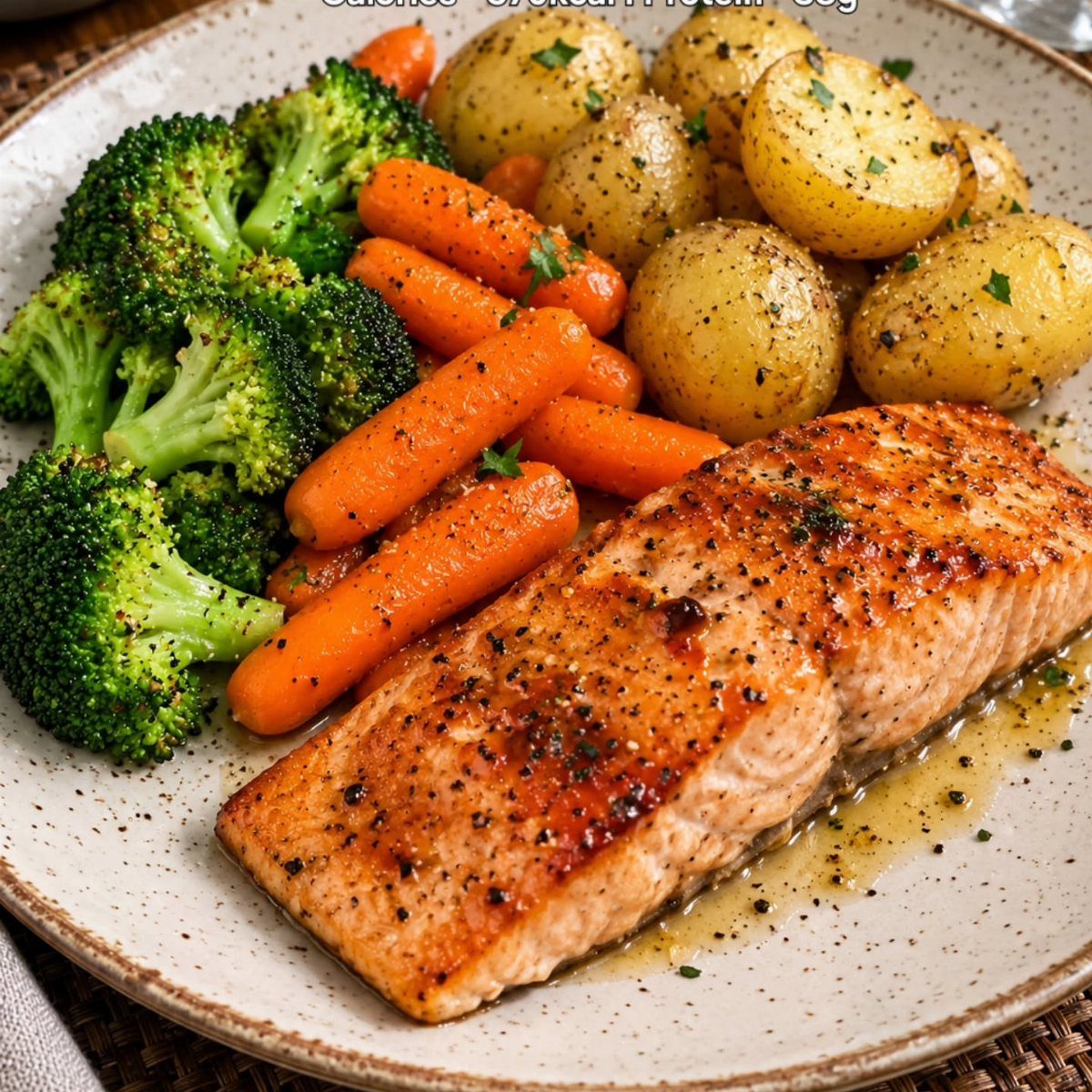
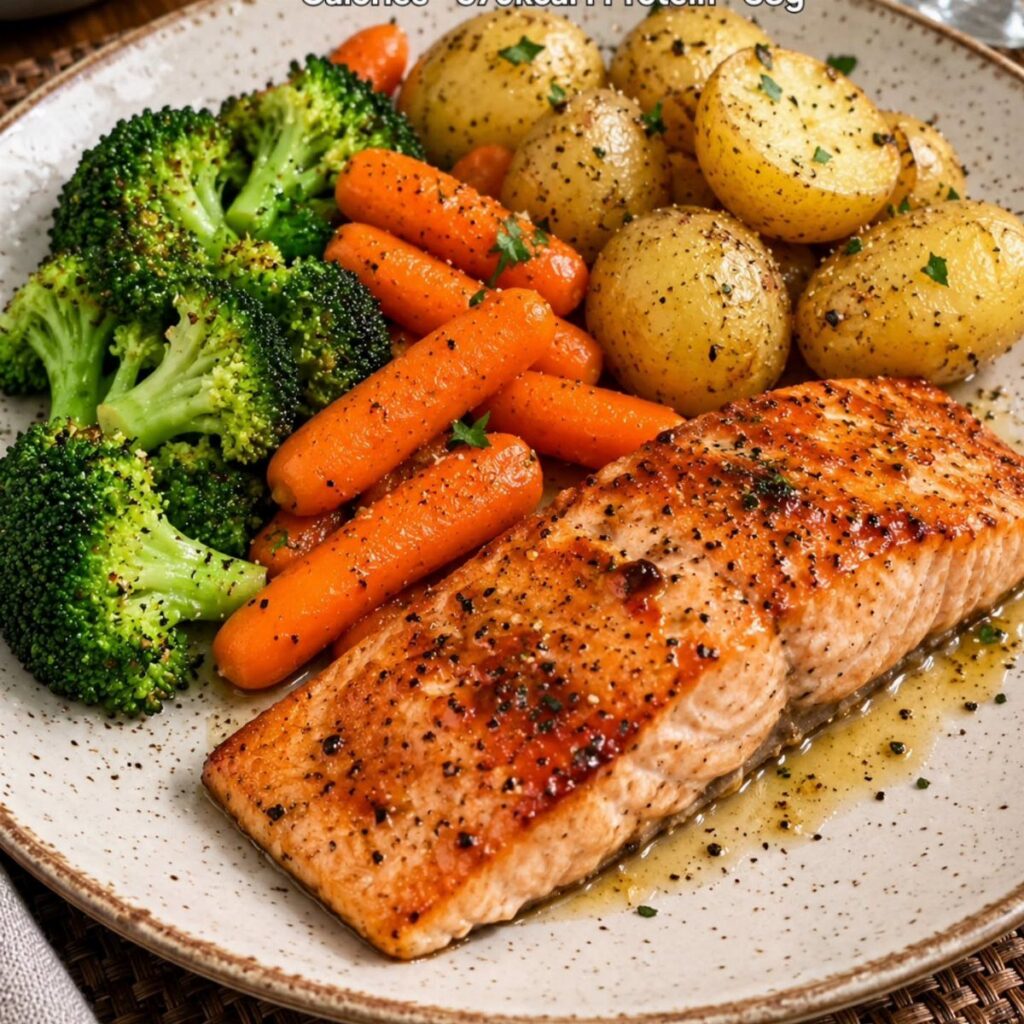
Salmon and fatty fish deliver omega-3 fatty acids, protein, and vitamin D in one meal.
The fats in salmon, mackerel, and sardines help nourish the scalp and support the structure of each strand. Pair a seared fillet with roasted potatoes and steamed vegetables for a straightforward dinner that covers several nutrient bases at once.
Frozen wild-caught salmon works as well as fresh and costs less per pound. I cook it skin-side down in a hot pan, flip once, then finish until the flesh turns opaque.
2. Spinach and Leafy Greens
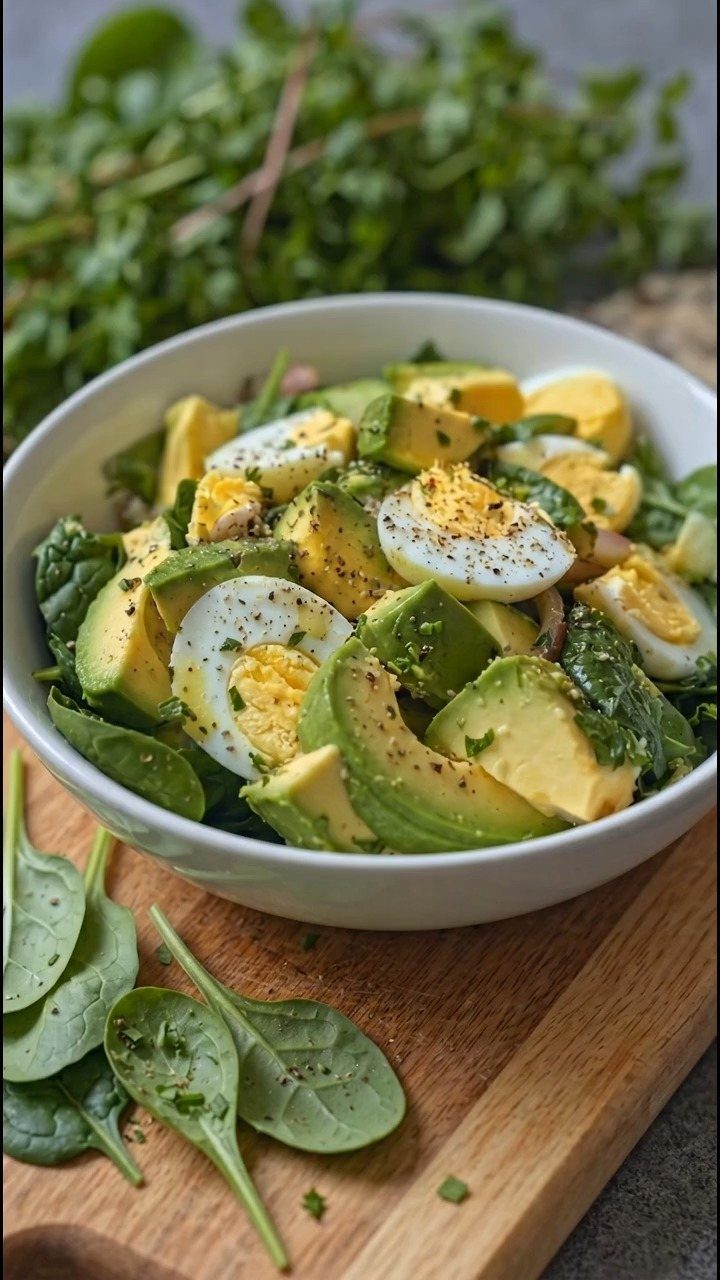
Iron-rich greens like spinach, kale, and Swiss chard help nourish follicles and support scalp circulation. Spinach also brings folate and vitamins A and C, which work together to keep hair from breaking off before it reaches length.
I toss spinach into scrambled eggs most mornings, or wilt a handful into soup at dinner. It cooks down fast, so start with more than you think you need.
3. Eggs and Avocado Breakfast
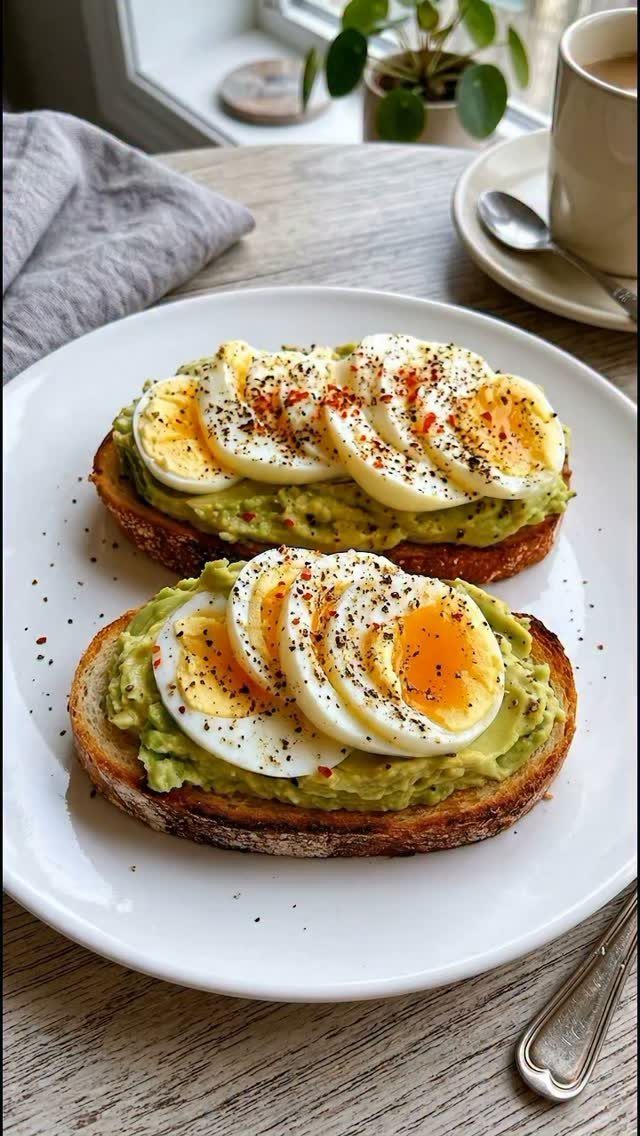
Hard-boiled eggs on avocado toast give you biotin, protein, and healthy fats in one plate. Eggs supply B vitamins that support keratin production, and avocado adds vitamin E and monounsaturated fats that help the scalp absorb fat-soluble nutrients.
Toast whole-grain bread, mash half an avocado onto each slice, then layer on sliced hard-boiled eggs.
I sprinkle black pepper and a pinch of salt over the top. The whole thing takes almost no time if the eggs are already cooked, and it holds you through the morning.
4. Mixed Nuts and Seeds
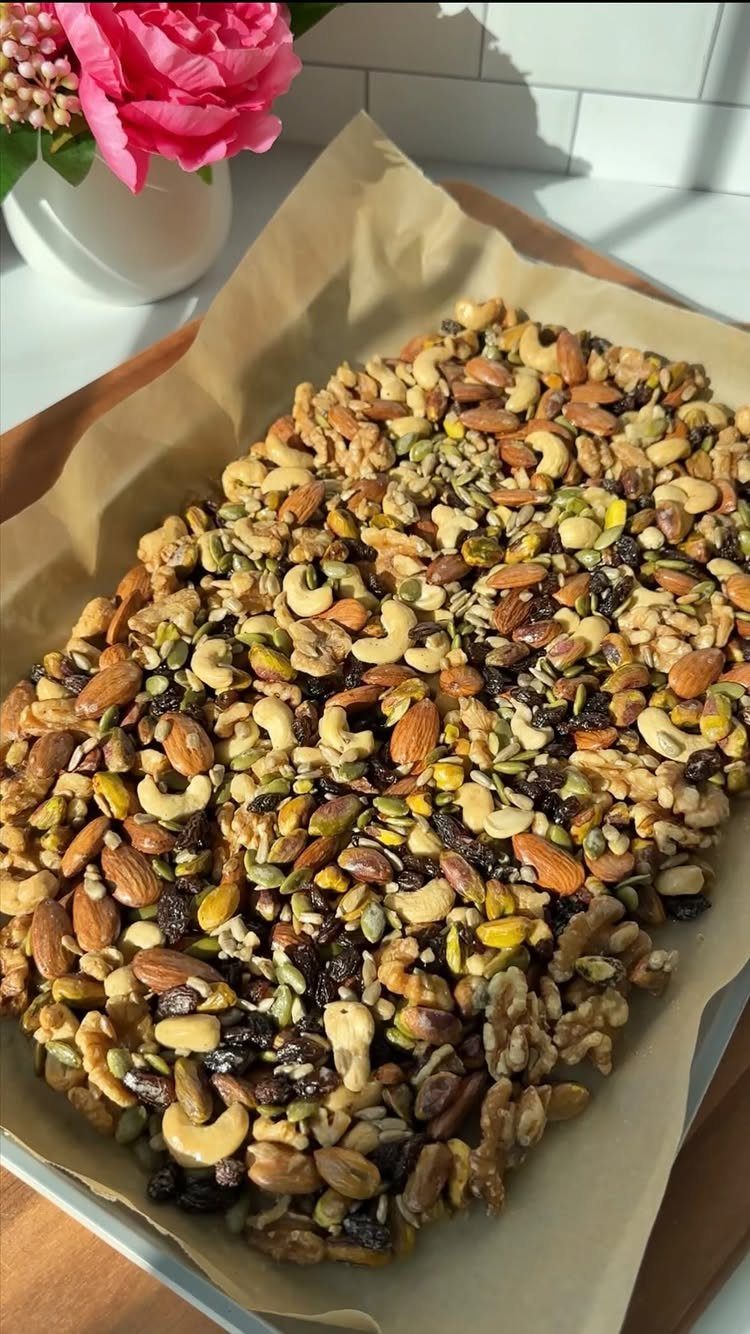
Almonds, walnuts, cashews, and sunflower seeds bring zinc, vitamin E, and selenium in a handful. Nuts and seeds also supply biotin and omega-3s, which help reduce scalp inflammation and support strand strength.
Keep a mix in a jar on the counter and add a palmful to oatmeal, yogurt, or salads.
I snack on raw almonds and pumpkin seeds between meals. Dry-roasting them brings out more flavor, but skip added salt if you eat them daily.
5. Roasted Sweet Potatoes
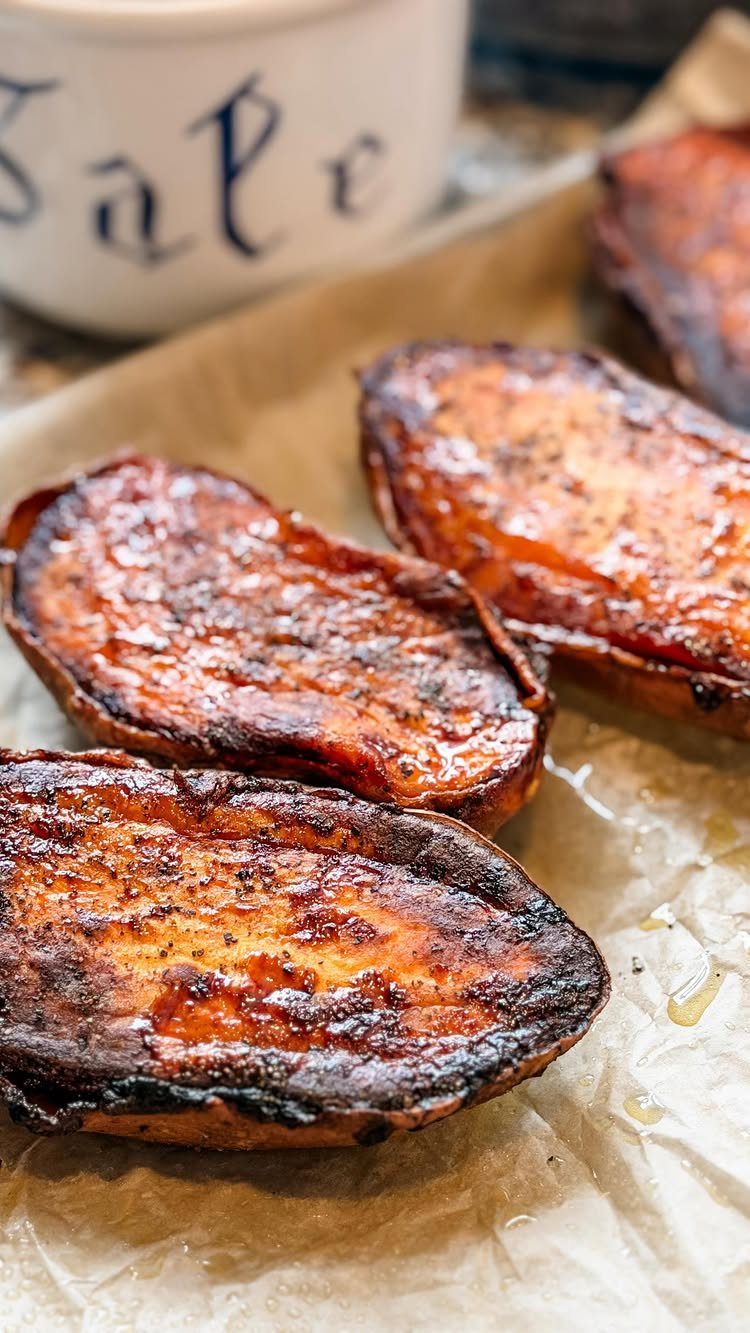
Roasted sweet potatoes give you beta-carotene, which the body converts to vitamin A, a nutrient that helps the scalp produce sebum and supports cell turnover. The caramelized edges add sweetness without any added sugar.
Slice sweet potatoes into rounds, toss with a drizzle of olive oil, and roast until the edges crisp and the centers turn soft.
I eat them as a side with chicken or beans, or cold the next day in a salad. They reheat well and hold their texture.
6. Lentils and Bean Stews
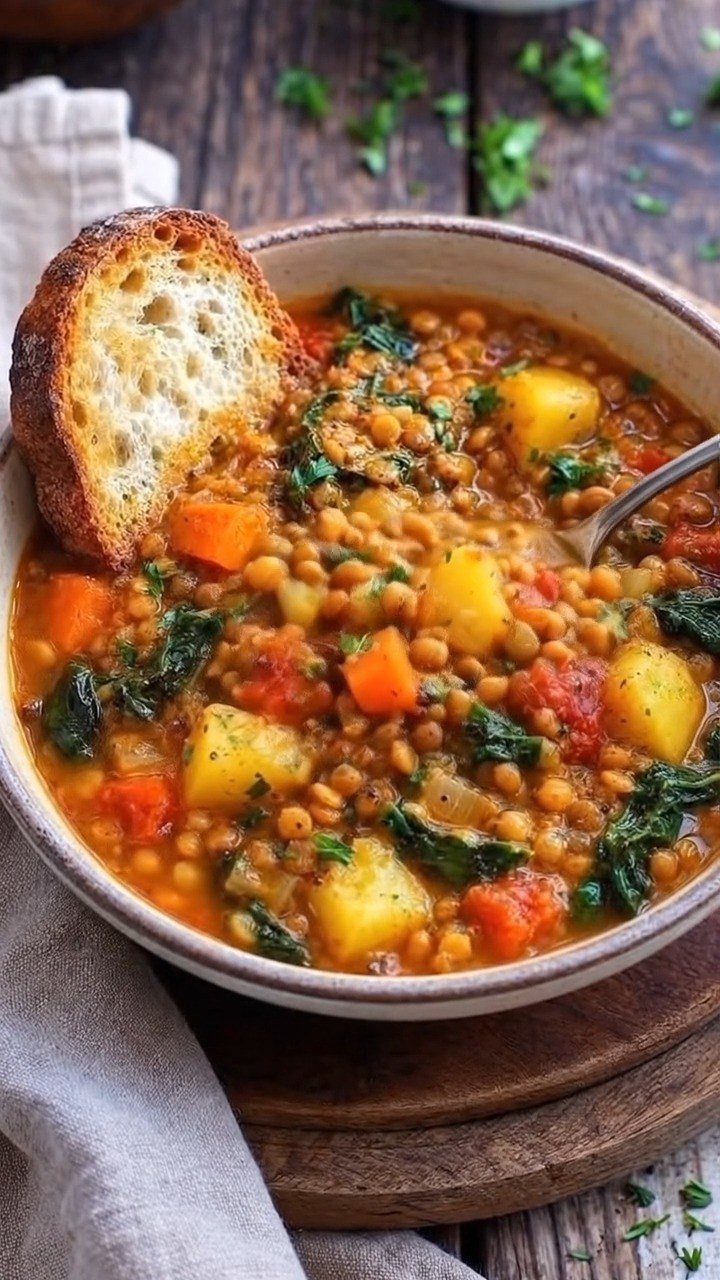
Lentils and beans pack protein, iron, and zinc into a single bowl, and they hold up to meal prep better than most vegetables.
A lentil stew with potatoes, carrots, and greens covers several nutrient needs at once and freezes well for later in the week.
Brown or green lentils keep their shape in soup. I simmer them with diced tomatoes, vegetable broth, and whatever vegetables need using.
Add a slice of crusty bread on the side for a complete meal. The whole pot cooks quickly and stretches across several servings.
7. Nutrient-Dense Veggie Bowls
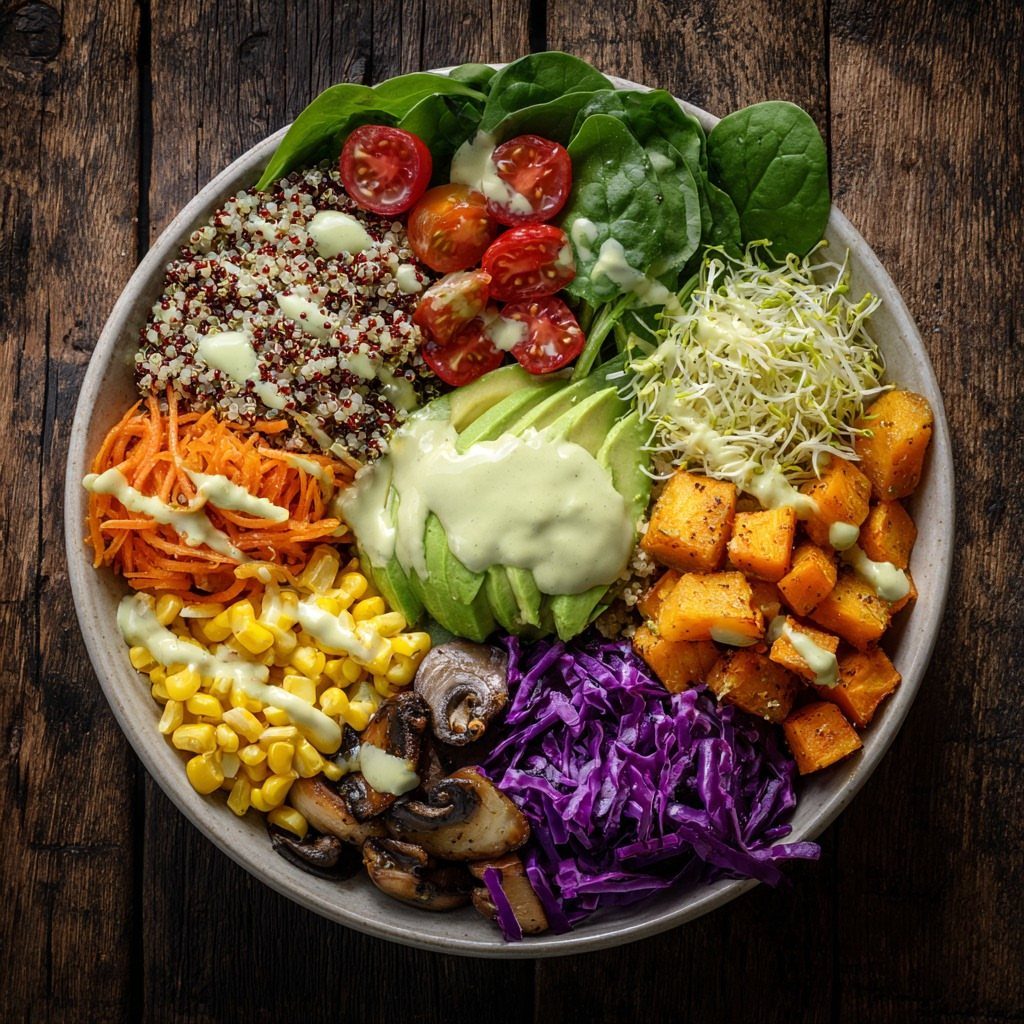
A bowl that layers grains, vegetables, and a protein source in one dish gives you several hair-supporting nutrients at once.
Quinoa supplies protein and iron, while avocado and seeds add vitamin E and healthy fats. The mix of textures and colors keeps the meal from getting boring midweek.
I build mine on cooked quinoa or brown rice, add whatever roasted vegetables are on hand, then top with avocado, chickpeas, and a handful of sprouts. A drizzle of tahini or olive oil ties it together.
8. Zinc-Rich Oysters
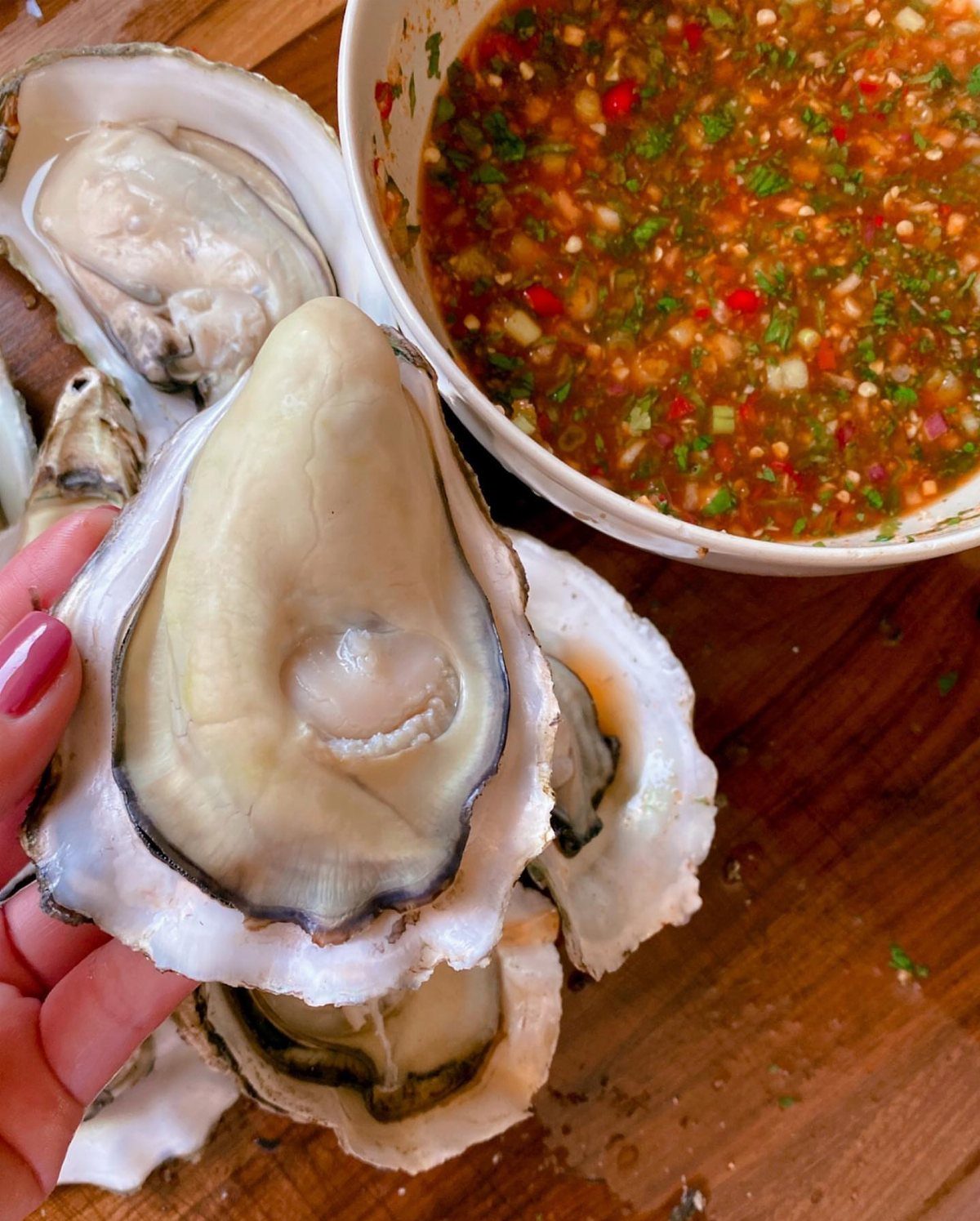
Oysters carry more zinc than just about anything else you can eat, and zinc supports the repair work happening inside each follicle. A half-dozen oysters can cover your daily zinc needs in one sitting.
I order them raw when they’re in season, with lemon and hot sauce on the side.
If raw oysters don’t appeal, grilled or broiled versions deliver the same zinc. The taste is briny and mineral, not for everyone, but the nutrient density per ounce is hard to match.
9. Lean Chicken Breast

Chicken breast gives you lean protein without much fat, and protein makes up most of hair’s structure. A serving supplies amino acids that support keratin production, the protein that forms each strand.
I bake chicken breasts until they’re cooked through, then slice them for salads or serve them alongside roasted vegetables.
Stuffing them with cheese and mushrooms adds flavor and keeps the meat moist. Season with salt, pepper, and garlic powder before cooking.
10. Fresh Pomegranate Seeds
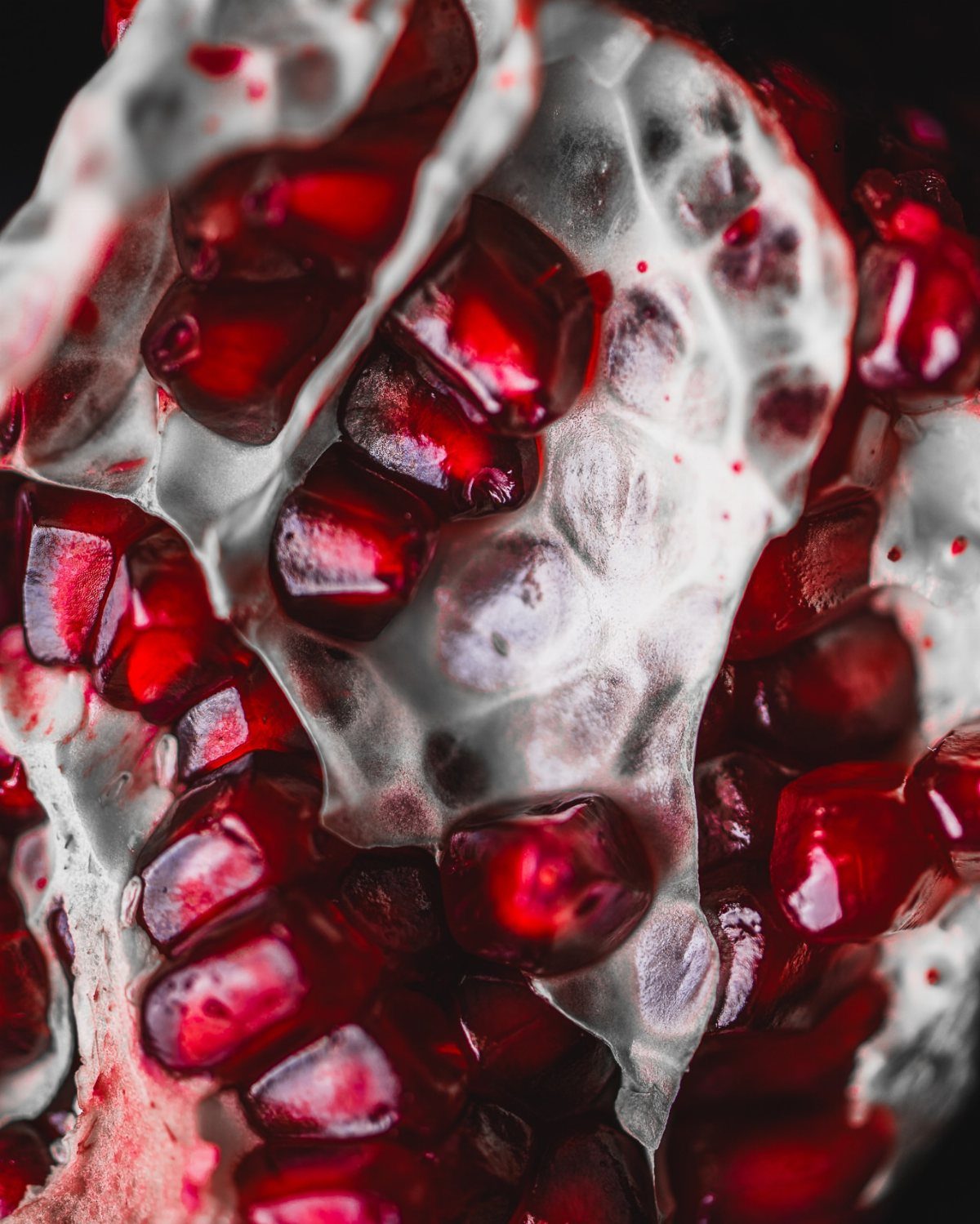
Pomegranate seeds give you vitamin C and compounds that guard follicles against damage. The seeds add a tart sweetness and a slight crunch to breakfast bowls, salads, or yogurt.
I scoop them straight from the fruit or buy them pre-seeded in the refrigerated section.
They last about a week in the fridge. Sprinkle them over oatmeal or grain bowls for color and a burst of juice with each bite.
When Diet May Not Be Enough
Diet may improve hair quality but may not address the underlying cause of thinning or loss.
Hair loss can also relate to genetics, hormones, stress, scalp problems, or autoimmune causes. If you’ve been eating well for several months and still see significant shedding or bald patches, a professional evaluation makes sense.
If genetics or hormones are behind the loss, you’ll likely need medical help along with better nutrition.
Restrictive Dieting and Shedding
Restrictive dieting can reduce the nutrients available for hair growth and trigger shedding.
Crash diets stress your body, and hair growth stops fast because your system prioritizes other functions first. Shedding can continue for months after you start eating normally again.
Fast weight loss sometimes triggers telogen effluvium, where far more hairs shift into the shedding phase at once. Low iron starves follicles of oxygen and stops their growth cycle, and it’s one of the most common reasons for thinning.
Time to Notice Dietary Changes
Hair growth is slow, and results from dietary changes are not immediate.
If you fix your diet and stick with it, you might see results in 2 to 3 months. When a deficiency caused the shedding, it usually takes 3 to 6 months of better eating to see a real difference.
Genetic or autoimmune hair loss rarely responds much to diet alone.
I wait at least 3 months before deciding whether a change is working. Hair that sheds today was affected by what you ate months ago, so patience matters more than most people expect.
After 24 weeks, the nine participants had thicker hair than at the start of the study. Larger studies are still needed to support these results.
Frequently Asked Questions
Is kale good for your hair?
Yes.
Iron carries oxygen to your follicles, folate supports cell division, and vitamins A and C keep your scalp healthy. They strengthen the strand so it stays attached long enough to gain length.
What foods are best for hair growth?
Eggs, salmon, spinach, lentils, nuts, seeds, and sweet potatoes give you protein, iron, zinc, omega-3s, and vitamins that support strand strength and follicle health. Each one brings several hair-supporting nutrients in a single serving.
Which nutrient is most important for hair growth?
Your hair is mostly protein, and your body needs amino acids to build the keratin that forms each strand. Without enough protein, hair becomes weak and can break off before it reaches length.
Can lack of vitamins cause hair fall?
Yes.
When iron drops too low, your follicles can’t get enough oxygen and they stop producing hair. Deficiencies in vitamin D, B vitamins, and zinc can also trigger shedding and weaken strands.
How long does it take to see results from a healthy diet?
You won’t see any change in thickness or length for at least 2 to 3 months. The hair falling out today reflects what you ate months earlier, so reversing deficiency-related shedding takes 3 to 6 months of consistent nutrition.
Can a crash diet cause hair loss?
Yes. Severe calorie restriction signals stress, your body diverts resources away from hair, and growth stops quickly.
Sudden weight loss can push a large number of follicles into rest at the same time, a condition called telogen effluvium, and the shedding phase can last months even after your diet improves.
Can junk food cause hair loss?
Too much junk food can crowd out nutrient-dense options and reduce the vitamins, minerals, and protein your hair needs to grow. Over time, that can weaken strands and slow the growth cycle.
Are supplements better than food for hair growth?
Natural food is better because it brings multiple nutrients together in forms your body recognizes and absorbs well. A multivitamin or targeted supplement helps when your doctor confirms you’re deficient, but food should still cover most of your needs.