These meals range from a 10-minute spinach smoothie to a baked sweet potato topped with a poached egg and avocado.
Low iron shows up often in women who shed more than normal, and the fatty fish here deliver omega-3s your scalp uses to keep follicles working.
1. Avocado Toast
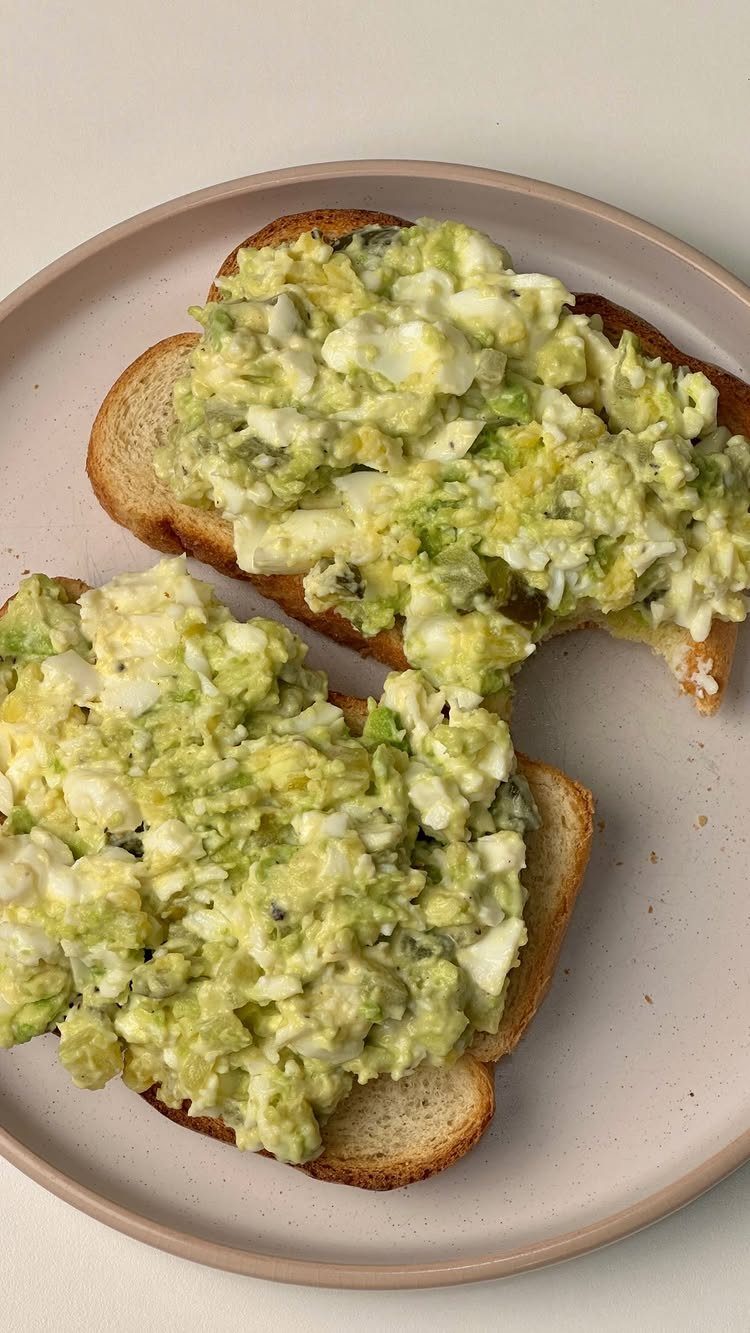
This version layers mashed avocado and chopped hard-boiled egg over toast. Both provide protein, and avocado adds healthy fats that help your body absorb vitamins from other foods.
The egg can be hard-boiled or scrambled.
I mash the avocado with a fork and season it with salt and pepper before spreading it on the bread. Toast made from whole-grain bread adds extra B vitamins.
2. Avocado Caprese Salad
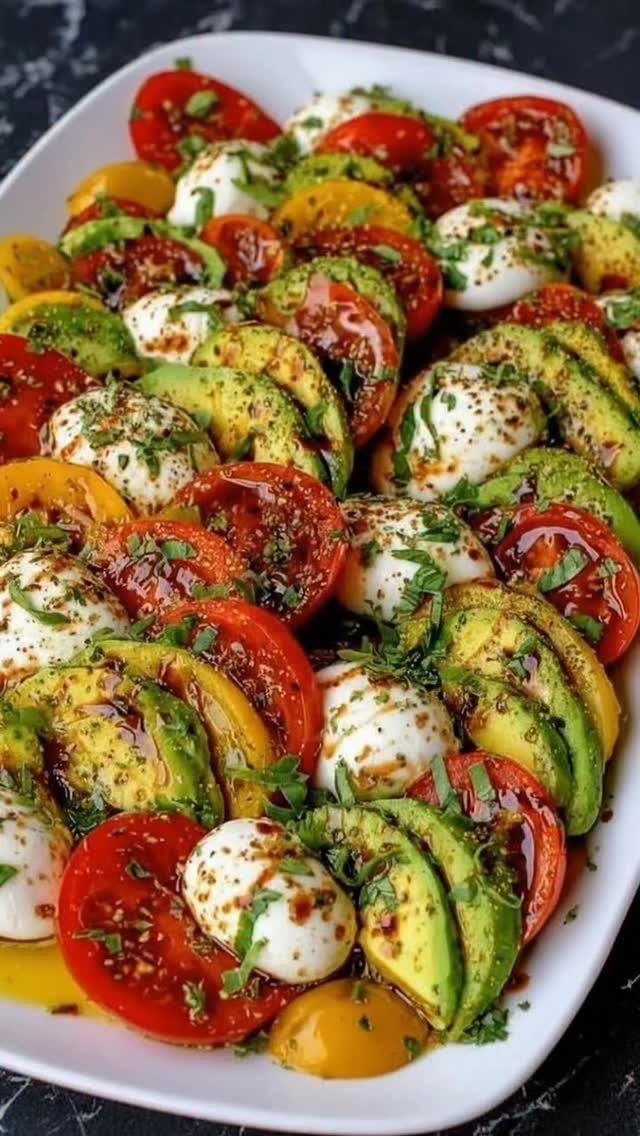
Sliced avocado, tomato, and fresh mozzarella make a simple salad with protein and healthy fats. Balsamic glaze and torn basil add acidity and a bit of peppery bite.
Avocado provides biotin and vitamin E, both support hair follicles.
The vitamin C in tomatoes helps you pull more iron from whatever else is on your plate. You can put this together quickly with what most stores carry.
3. Fatty Fish
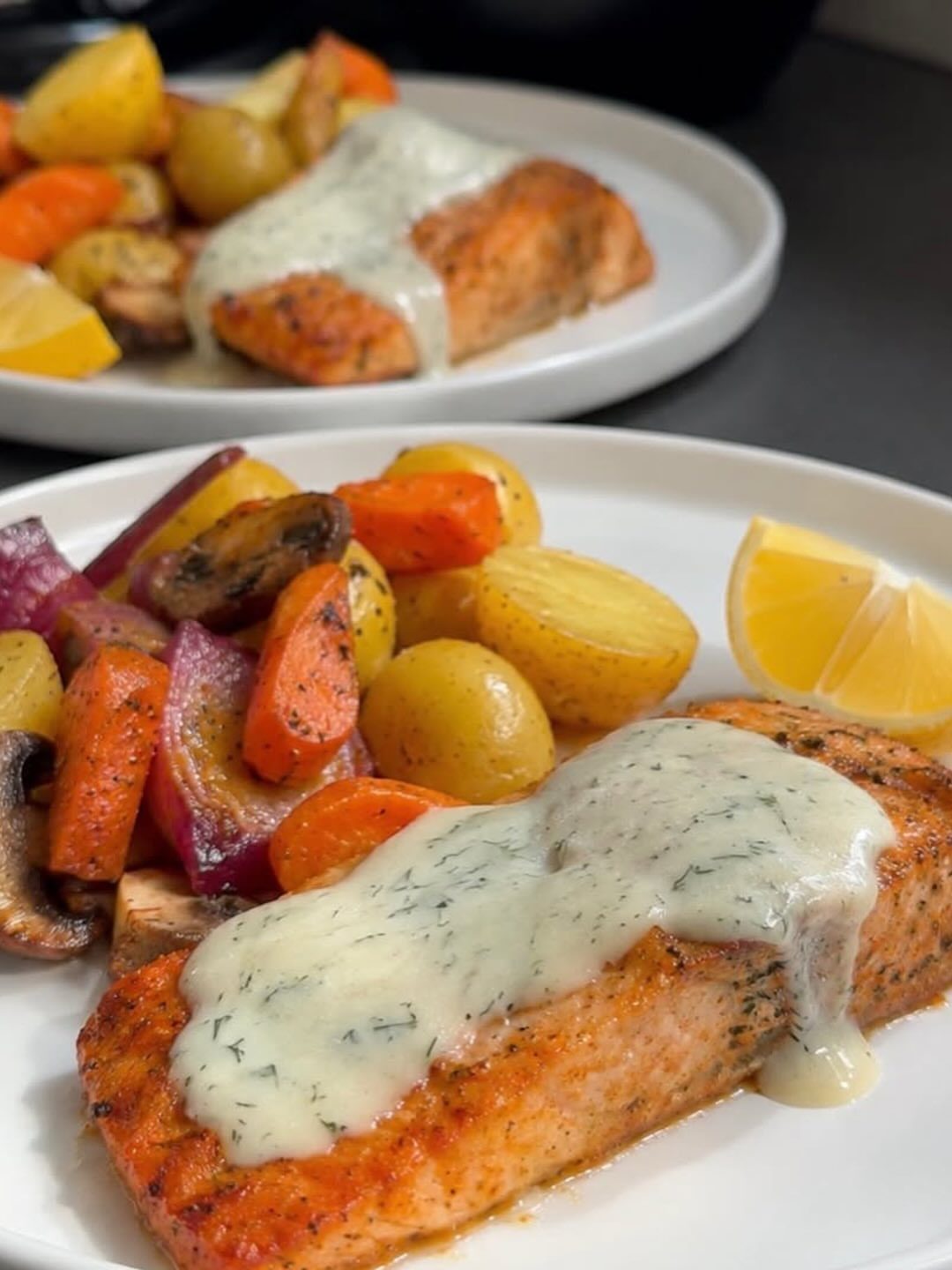
Salmon, sardines, mackerel, and herring all provide omega-3 fatty acids and protein. Omega-3s keep your scalp in good shape, and the protein supplies what hair needs to build itself.
I aim for 2 servings of fatty fish per week.
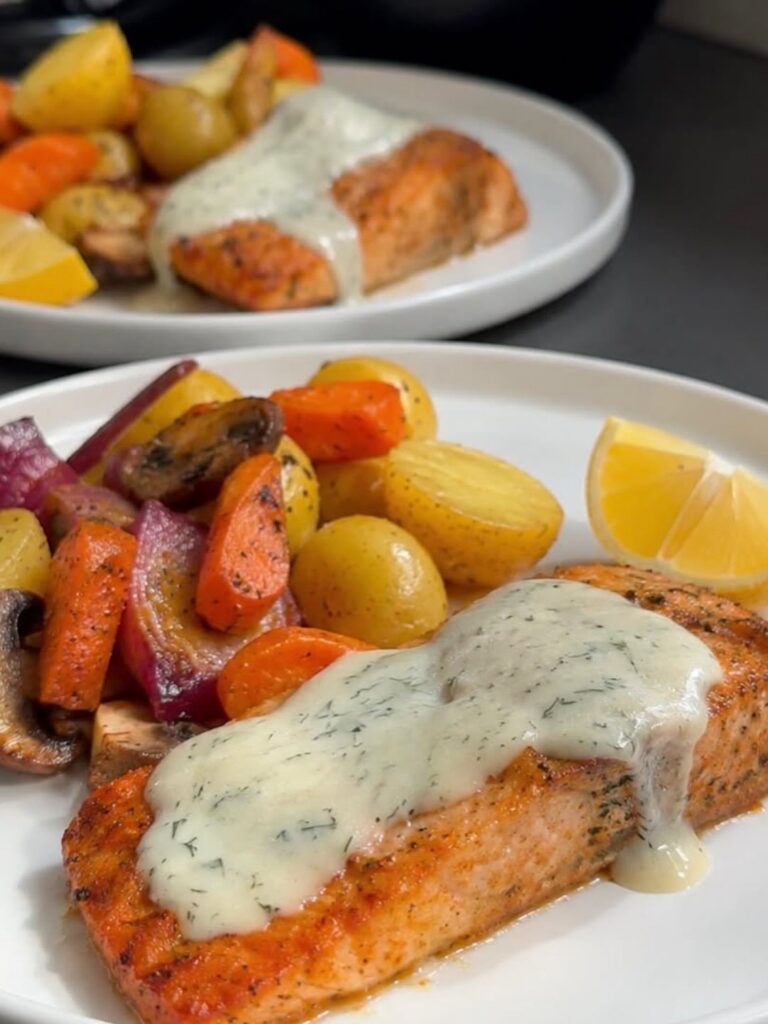
Pan-seared salmon cooks quickly and goes well with whatever vegetables you roast alongside it. Canned sardines or mackerel work when fresh fish is too expensive or hard to find.
4. Greek Yogurt and Berries
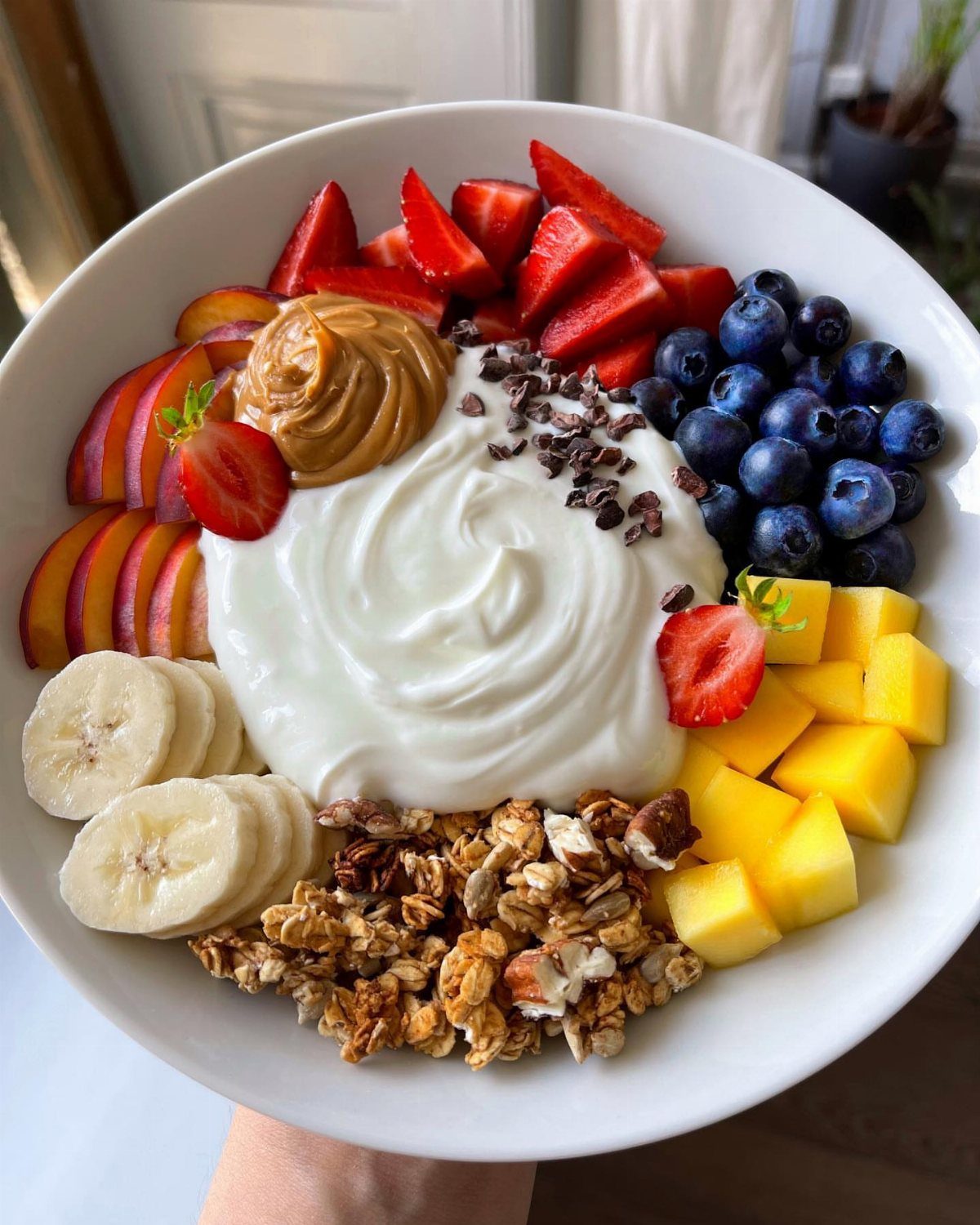
Greek yogurt delivers more protein per serving than regular yogurt, and berries add antioxidants that protect hair follicles.
You can keep it simpler with just yogurt and 1 or 2 fruits. I add a handful of nuts or seeds for extra zinc and iron when I need a more filling breakfast.
5. Spinach Green Smoothie
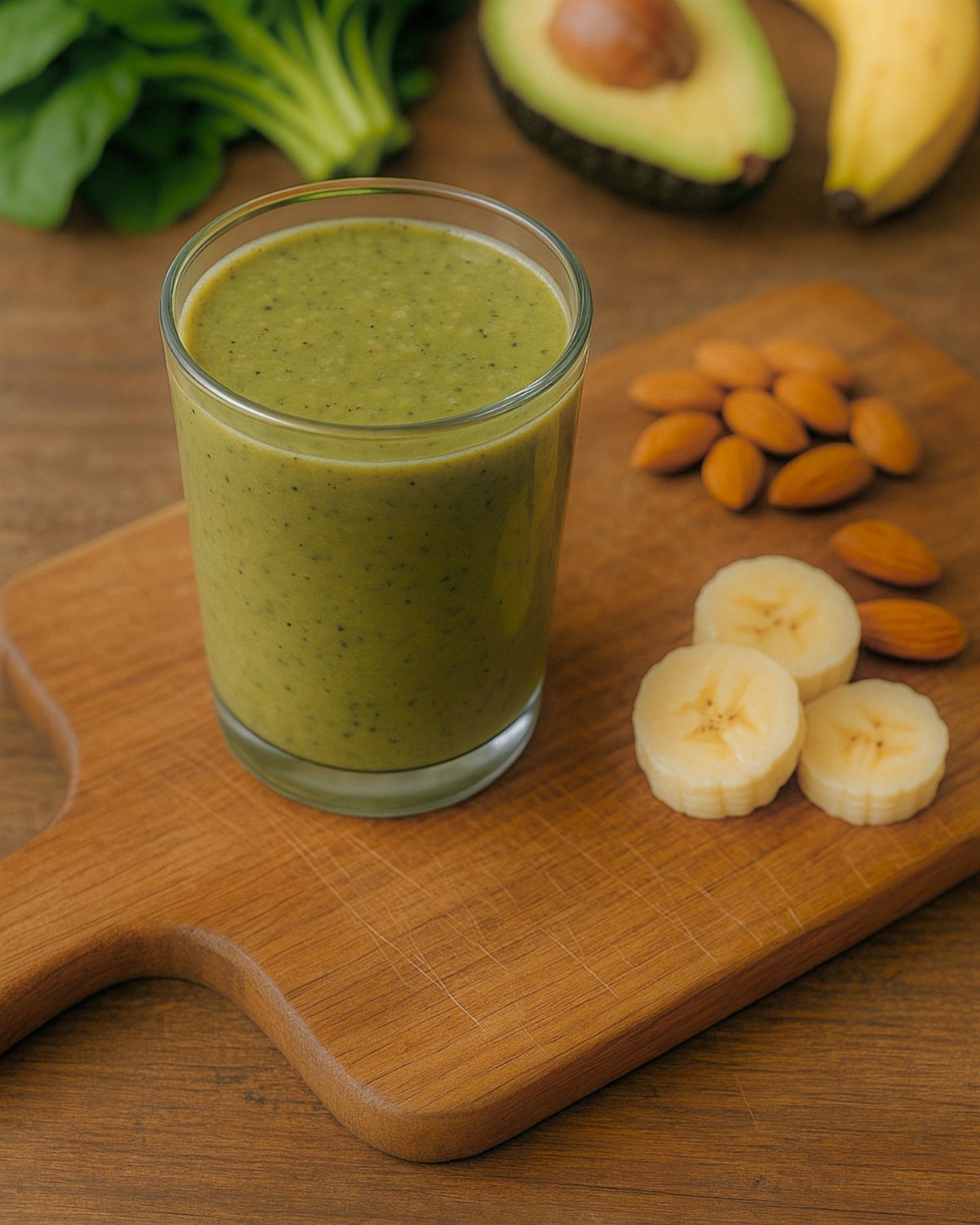
Spinach, avocado, banana, and almonds blended into a smoothie pack in iron, biotin, and vitamin E. Spinach provides iron without much flavor when you blend it with fruit.
I blend spinach, avocado, banana, and almonds with water or milk.
Frozen banana makes the texture thicker. If you find spinach too bitter, start with a smaller amount and add more once you get used to the taste.
6. Fresh Fruit Platter
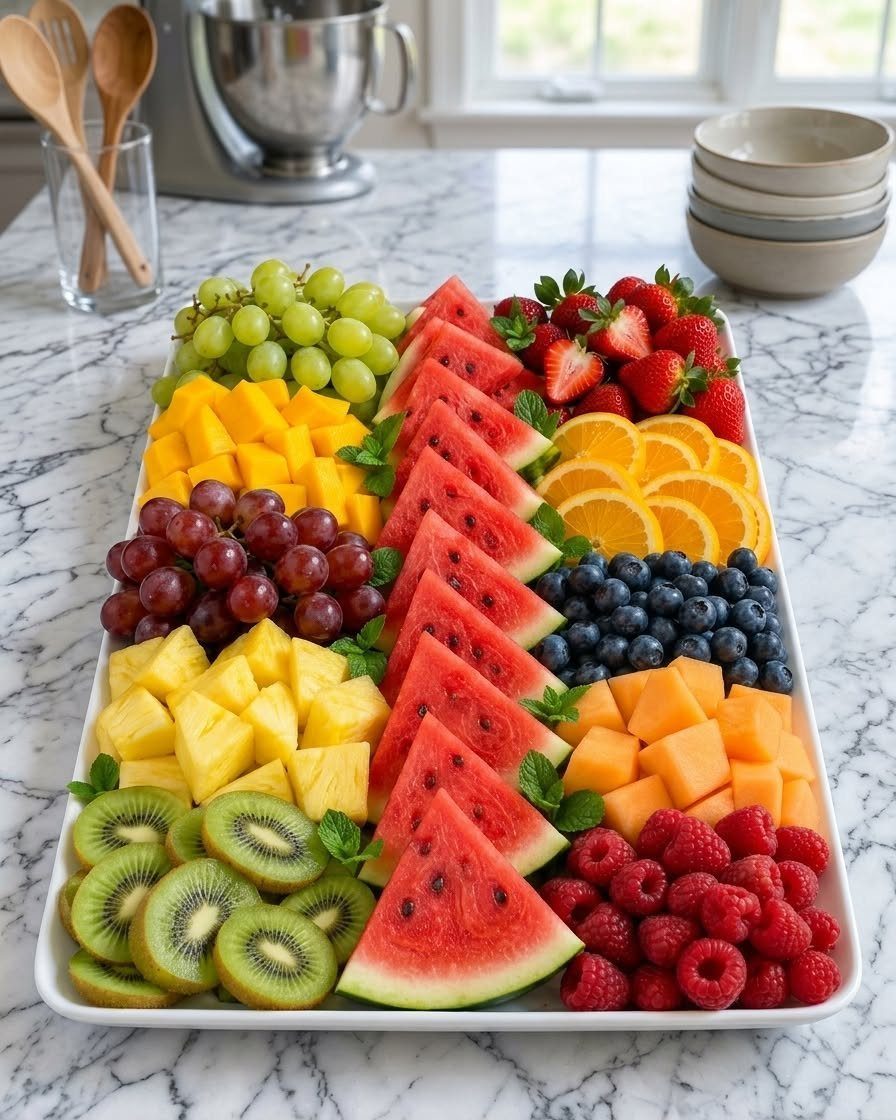
A platter of sliced watermelon, orange, berries, grapes, pineapple, kiwi, and cantaloupe gives you vitamin C and antioxidants in one sitting. Vitamin C pulls more iron from plants and keeps collagen production steady.
Berries and citrus are especially high in vitamin C. I cut fruit ahead of time and store it in the fridge for easy snacking. This works well when you need a quick breakfast or want something light after a workout.
7. Eggs and Veggie Breakfast Plate
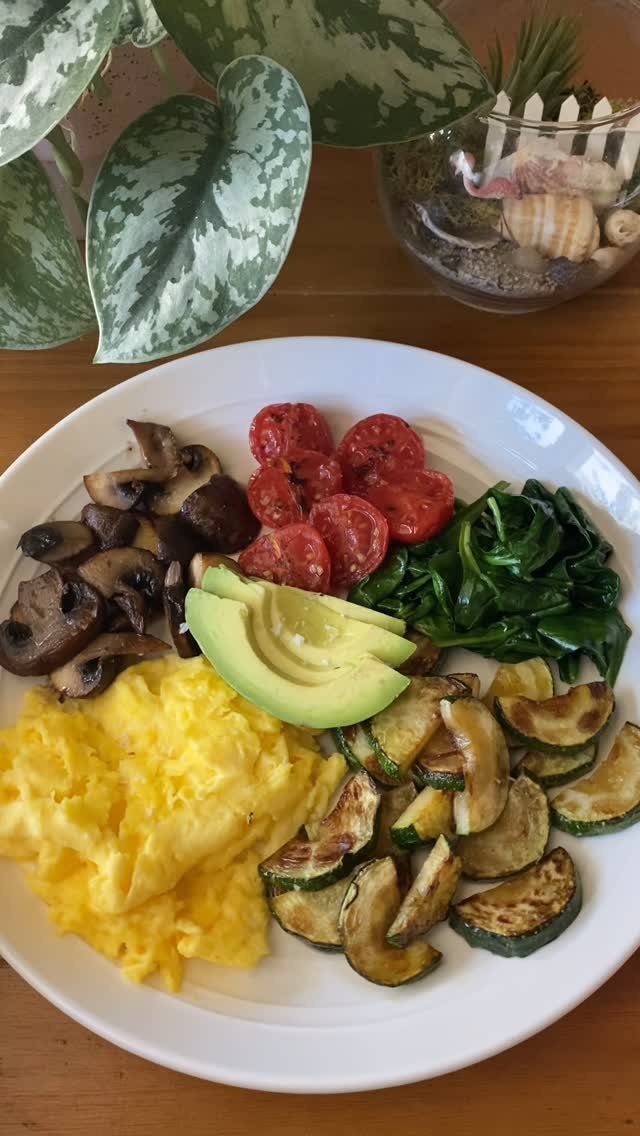
Scrambled eggs alongside avocado, spinach, mushrooms, tomatoes, and zucchini give you protein, iron, and healthy fats in one meal. Eggs provide protein and biotin, spinach adds iron, and avocado helps your body absorb fat-soluble vitamins from the vegetables.
I cook the eggs separately and sauté the vegetables in the same pan.
Mushrooms and zucchini cook quickly over medium heat. If you prep the vegetables the night before, this takes about 10 minutes start to finish.
8. Chicken and Bell Pepper Stir Fry
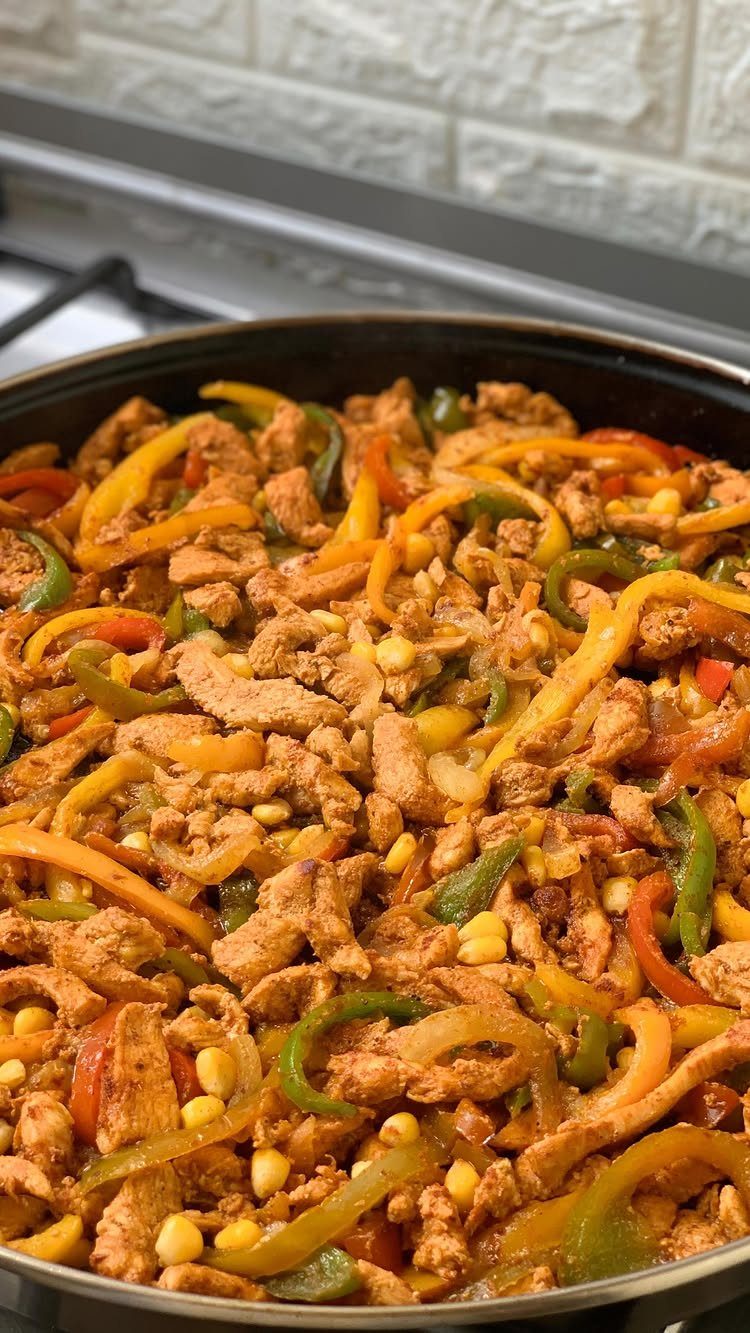
Sliced chicken cooked with bell peppers and corn gives you lean protein and vitamin C in one skillet.
The vitamin C in peppers helps your body pull more iron from other foods, and chicken provides the protein hair needs to grow.
Bell peppers cook fast and keep a slight crunch when you stir-fry them over high heat.
Bell peppers vary in sweetness depending on ripeness, with the fully ripe ones tasting the sweetest. I season with garlic, soy sauce, and a pinch of black pepper.
9. Berry and Nut Smoothie Blend
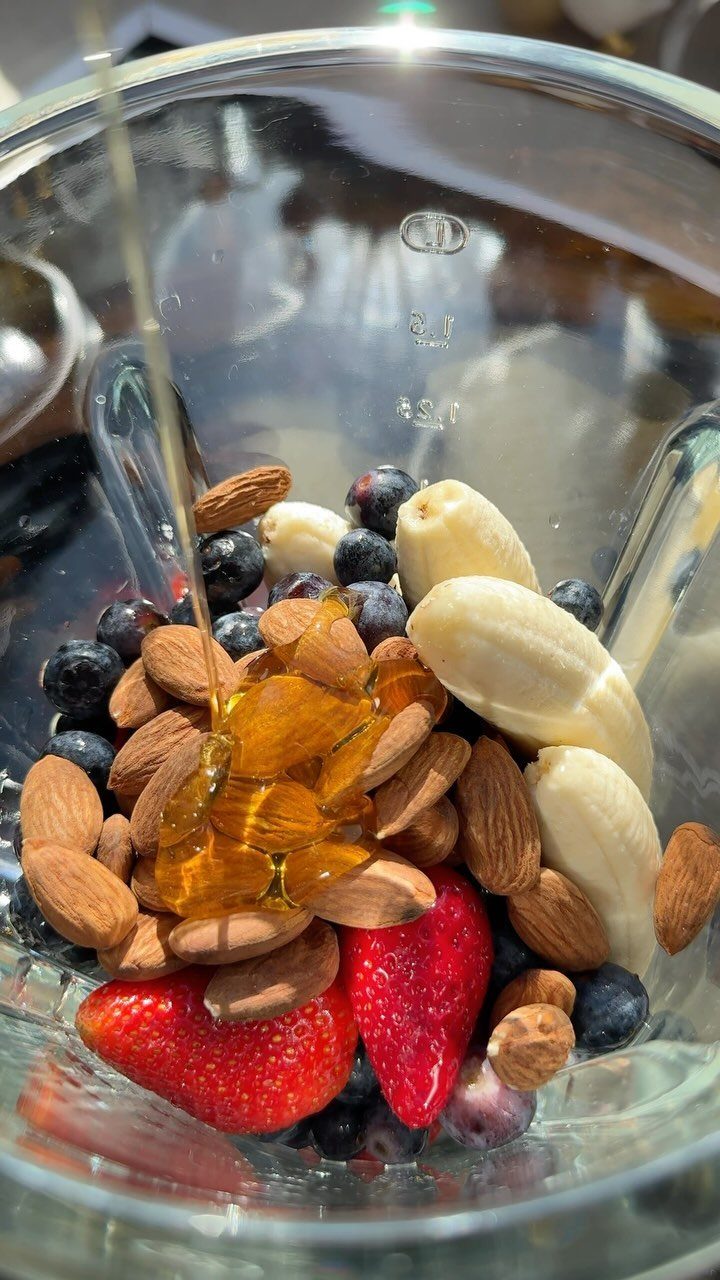
Strawberries, blueberries, banana, and almonds blended together give you antioxidants, biotin, and vitamin E. The honey adds natural sweetness without refined sugar.
Frozen berries work just as well as fresh and make the texture thicker.
Almonds bring biotin and fats that keep your scalp in good shape. I blend everything with water or milk until smooth, then drink it right away for breakfast or a post-workout snack.
10. Tuna and Avocado Tartare
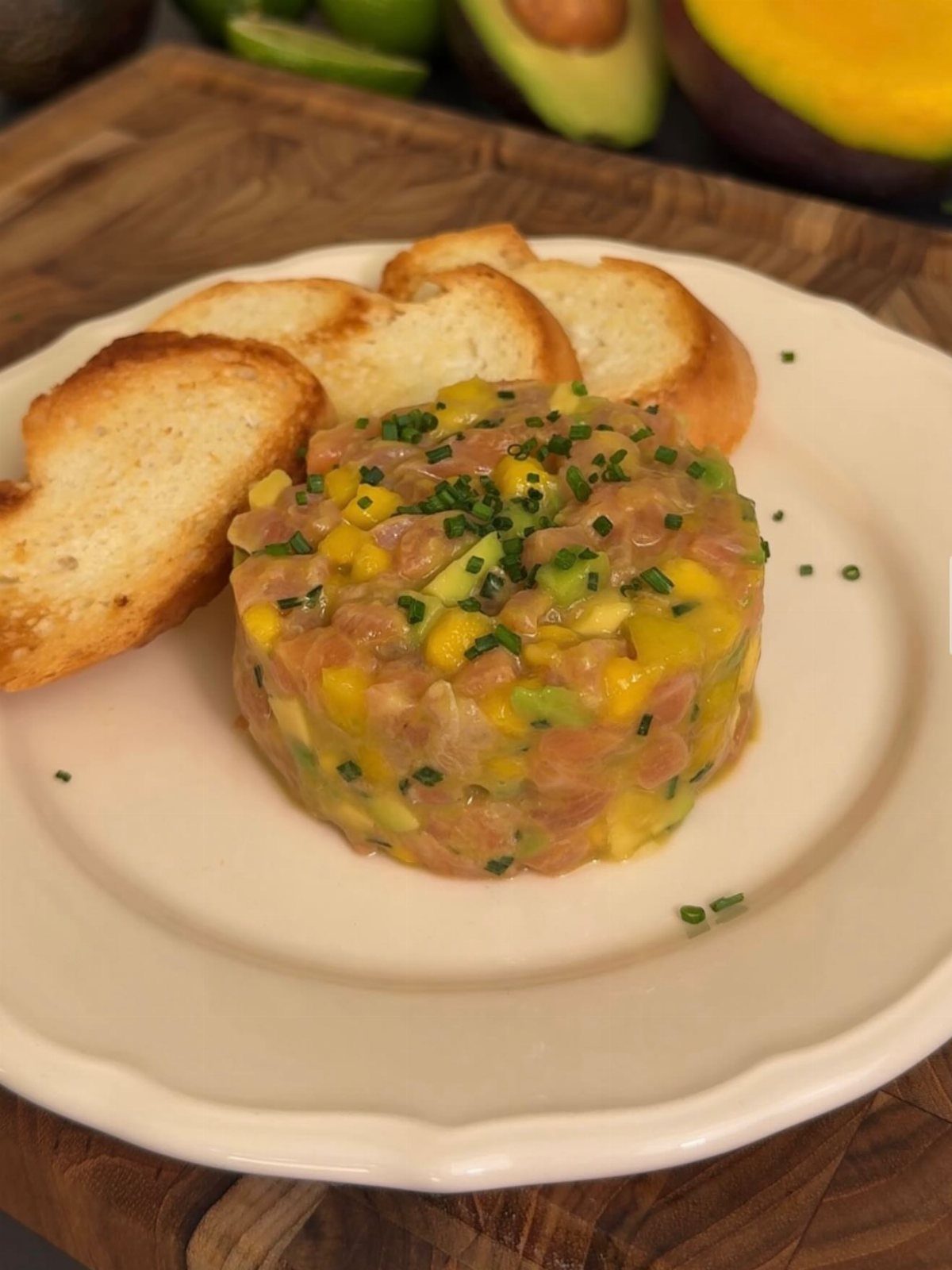
Fresh tuna mixed with diced avocado and mango, served with toasted baguette slices, combines omega-3s with healthy fats and vitamin C. Tuna provides protein and omega-3 fatty acids that keep your scalp healthy.
Mango brings vitamin C, which helps iron stick around when your body absorbs it.
You can use sushi-grade tuna from a fish counter or grocery store. I dice everything into small cubes and mix gently, then season with lime juice, salt, and chopped chives before serving.
11. Stuffed Baked Sweet Potato
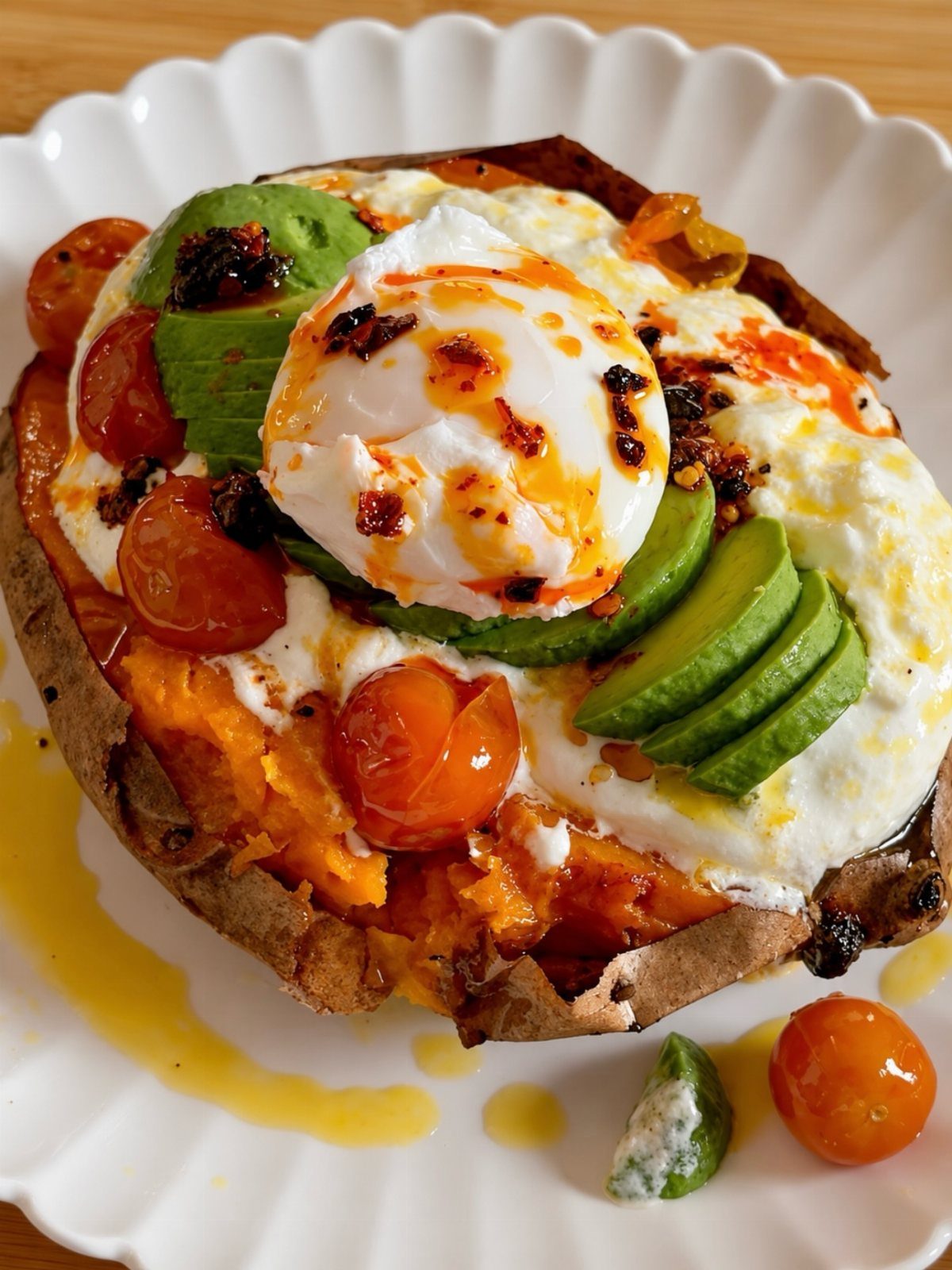
A baked sweet potato topped with a poached egg, avocado slices, and cherry tomatoes gives you beta-carotene, protein, and healthy fats.
Bake the sweet potato until the skin gives when you press it, or microwave it if you need it faster. The poached egg adds protein, and avocado contributes biotin and vitamin E.
12. Roasted Sweet Potato Wedges
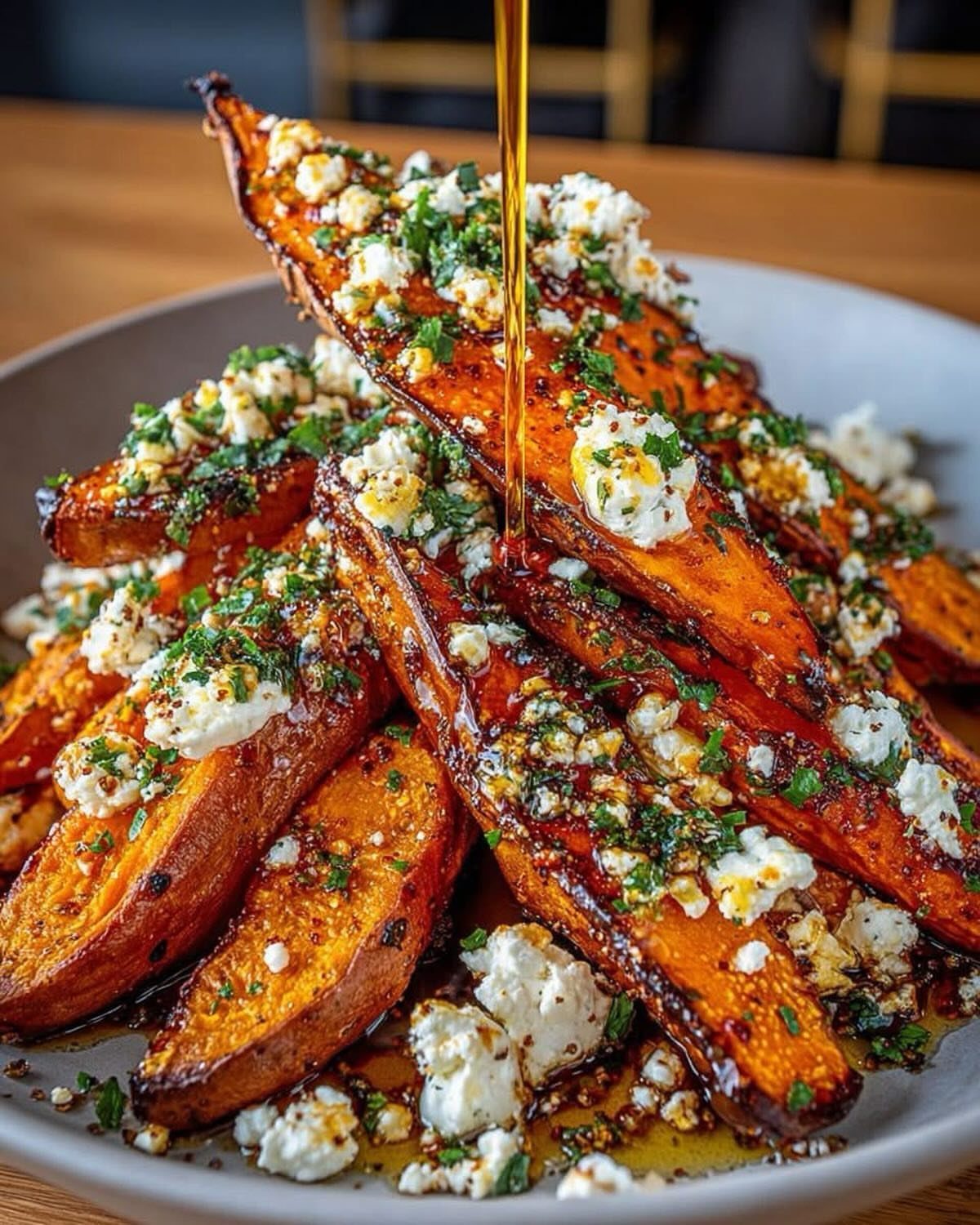
Sweet potato wedges roasted until crisp, then topped with crumbled feta, fresh herbs, and honey, turn a simple vegetable into something more filling. Sweet potatoes provide beta-carotene, and the feta adds protein and calcium.
Roast the wedges until the edges turn golden and the centers go soft, flipping halfway through.
I toss them with olive oil, salt, and pepper before roasting. The honey balances the salty feta, and herbs like parsley or cilantro add a fresh bite.
13. Shaved Carrot and Seed Salad
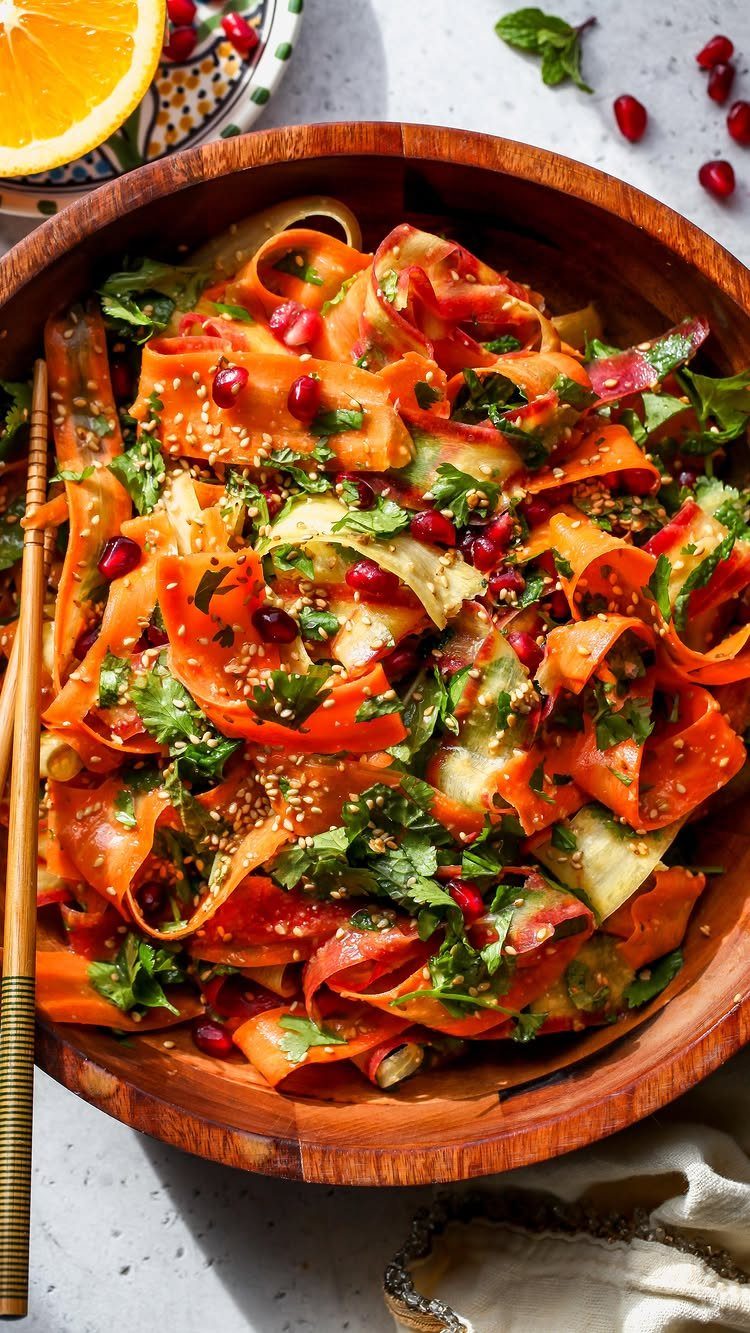
Sesame seeds add iron and zinc. Use a vegetable peeler to shave the carrots into thin ribbons.
Pomegranate seeds add tartness and extra antioxidants. Dress the salad lightly with olive oil and lemon juice so the ribbons stay crisp.
14. Mediterranean Chickpea Salad
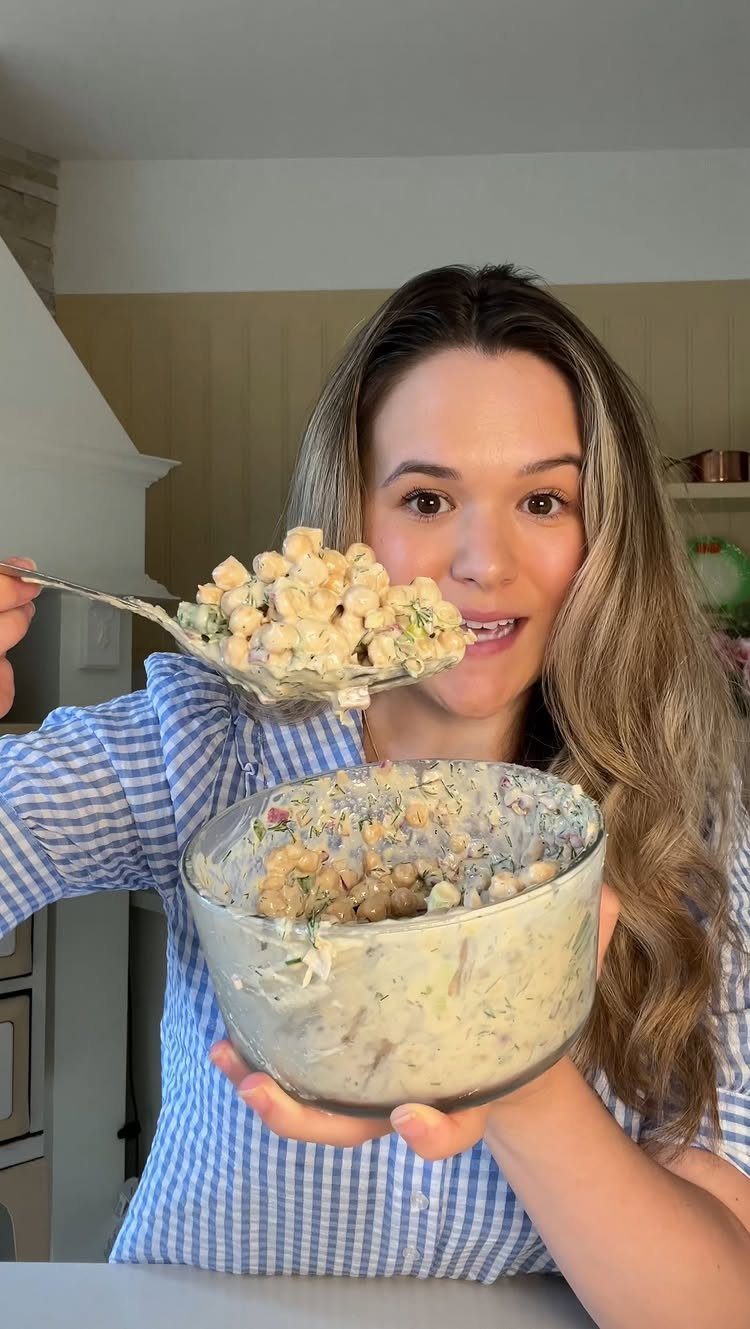
Chickpeas mixed with fresh herbs and vegetables give you plant-based protein, iron, and zinc in one bowl. Chickpeas provide protein without meat, and the iron they contain works better when you eat them with something that has vitamin C.
Add diced cucumber, tomato, red onion, and parsley. Mediterranean Chickpea Salad keeps well in the fridge, so you can make a larger batch and eat it through the week.
Nutrients and Hair Growth
Your hair is mostly keratin, and keratin is protein, which means your follicles can’t build new strands if you’re not eating enough of it.
Cleveland Clinic lists low iron as one of the most frequent reasons women shed hair. Spinach, lentils, red meat and pumpkin seeds all deliver a solid amount.
Your body can’t make them, so they have to come from what you eat.
Dieting and Hair Shedding
Restricting calories too hard pulls away the resources your follicles need to build hair.
Under that kind of stress, your body shuts down hair growth almost immediately because it ranks lower than keeping other systems running. Once you start eating normally again, shedding typically lasts another few months.
Losing weight too fast can also set off a temporary wave of shedding called telogen effluvium.
Drop more than 1 kilogram a week and your body reads it as a crisis, pulling resources away from your follicles first. The shedding starts 3 to 6 months after the weight drops, long after the diet itself has stopped.
Skipping meals to speed things up just makes the shedding worse.
Frequently Asked Questions
What to eat for female hair loss?
Protein from eggs, chicken, Greek yogurt, or lentils builds keratin, the structure of hair.
Iron from spinach, red meat, or pumpkin seeds keeps follicles supplied with oxygen, and low iron is one of the most common reasons women shed hair. Omega-3s from salmon, sardines, or walnuts support scalp health and reduce inflammation.
What vitamins are good for hair growth?
Biotin and other B vitamins feed keratin production and keep follicles moving through each growth phase. Vitamin E acts as an antioxidant that protects follicles from damage and keeps your scalp in good shape.
Vitamin C boosts iron absorption from plants and maintains collagen production, while vitamin A regulates follicle stem cells but triggers shedding in excess.
How fast does hair grow?
Hair grows around 1.25 cm per month, or roughly 15 cm a year. Nutrient deficiencies, crash diets, or chronic stress can slow that rate or push more follicles into the shedding phase before they finish growing.
How does diet affect hair growth?
Follicles run on protein, iron, zinc and vitamins to complete each growth cycle, and eating nutrient-dense meals regularly cuts down on breakage and shedding.
No single food fixes thinning, but what you eat daily either supplies the resources follicles need or pulls them away.
Which nutrients actually matter for hair?
Protein builds keratin, the structure of every strand.
Iron carries oxygen to follicles and prevents shedding, zinc supports tissue repair and helps regulate oil glands around hair, and biotin strengthens keratin production. Vitamin D regulates follicle cycling, and omega-3 fatty acids reduce scalp inflammation and support circulation.
What foods cause hair loss?
High sugar and refined carbohydrates drive inflammation and crowd out nutrient-dense foods.
Ultra-processed snacks and excess alcohol displace the protein, iron, and fats your follicles need. Crash diets and very low-protein eating trigger telogen effluvium, a temporary wave of shedding that starts 3 to 6 months after the restriction begins.
What causes hair loss in women?
Female-pattern hair loss is the most common reason and appears as gradual thinning across the scalp, typically inherited. Hormonal shifts during pregnancy, postpartum, perimenopause, or thyroid disorders can all contribute.
Why is undereating a major contributor?
When you eat too few calories or not enough protein, your body pulls resources away from hair to keep organs functioning.
Does eating eggs help hair growth?
Eggs provide protein and biotin, both support keratin production and give follicles what they need to build new strands.
One hard-boiled or scrambled egg adds a solid amount of protein to any meal, and the biotin inside helps strengthen hair from the inside.
Does eating avocado help hair growth?
Avocados supply monounsaturated fats, vitamin E, and biotin, all of which support scalp comfort and healthy follicles.