
Hair grows about half an inch each month, and you can’t speed that up, but you can stop breakage and protect what’s already growing.
The biggest decision is whether you’re dealing with shedding, breakage, or true follicle loss, because each one responds to different fixes.
Scalp massage sends more blood to the roots, protein from salmon and eggs feeds the strand from inside, and a satin pillowcase cuts friction while you sleep.
1. Scalp Massage

Massaging your scalp brings more blood to the follicles, which helps hair grow in healthier. You can use your fingertips or a silicone massage tool, whichever feels more comfortable.
Apply gentle pressure and work in small circles across your entire scalp. Some people do it in the shower with shampoo, others prefer dry massage with a few drops of oil before washing.
Doing it regularly matters more than doing it hard. Several short sessions beat one long one.
2. Salmon and Eggs
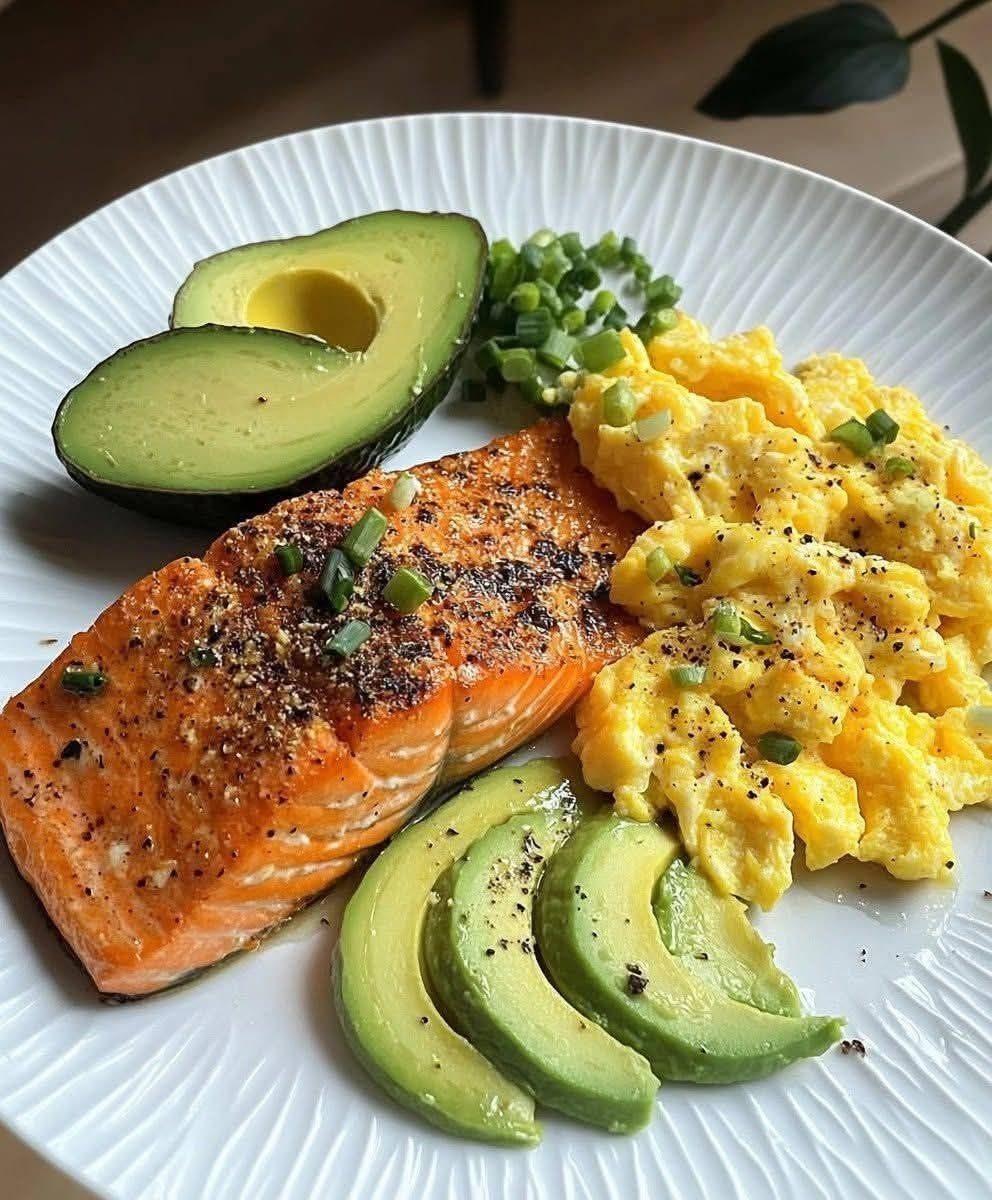
Protein and omega-3s support hair strength and growth from the inside. Salmon provides the fatty acids, eggs give you biotin and protein, and together they cover most of what your hair needs nutritionally.
Simple cooking works fine. Scrambled eggs with a piece of grilled or pan-seared salmon works, and you can add avocado or greens if you want more variety.
I aim for salmon twice in a week and eggs most days if your diet allows it.
3. Satin Pillowcase
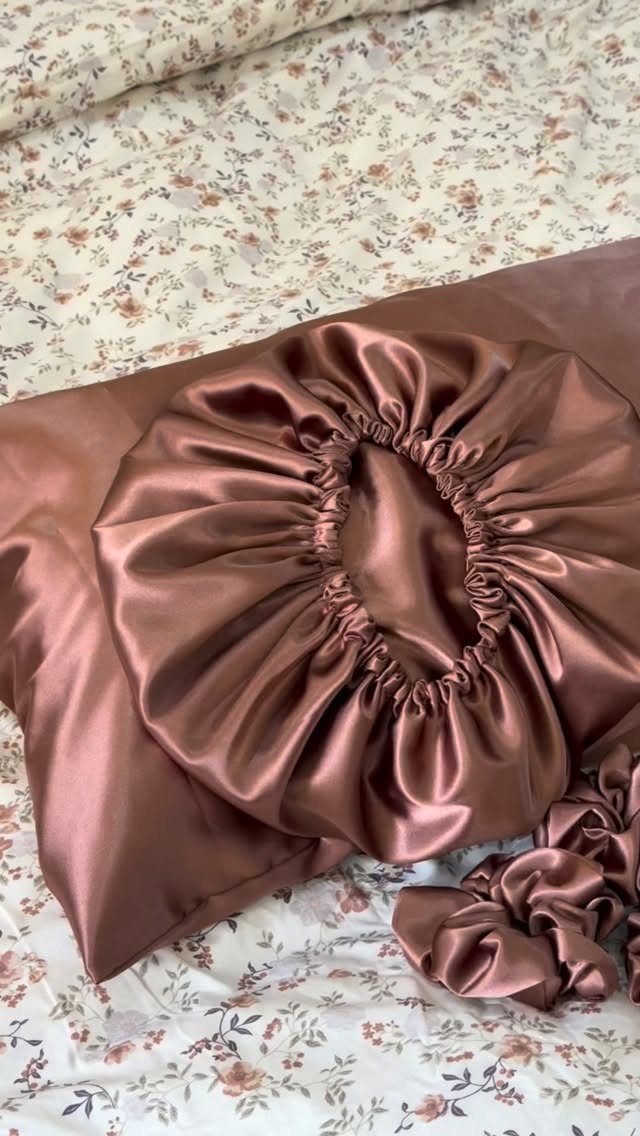
Cotton pillowcases create friction that can rough up the hair cuticle and cause breakage, especially if you move around at night. Satin (or silk) lets your hair slide instead of catching.
The pillowcase is the simplest swap.
If you prefer more coverage, a satin bonnet keeps your hair contained and protected all night. The scrunchie is just a gentler option for tying hair back before bed.
4. Blunt Bob
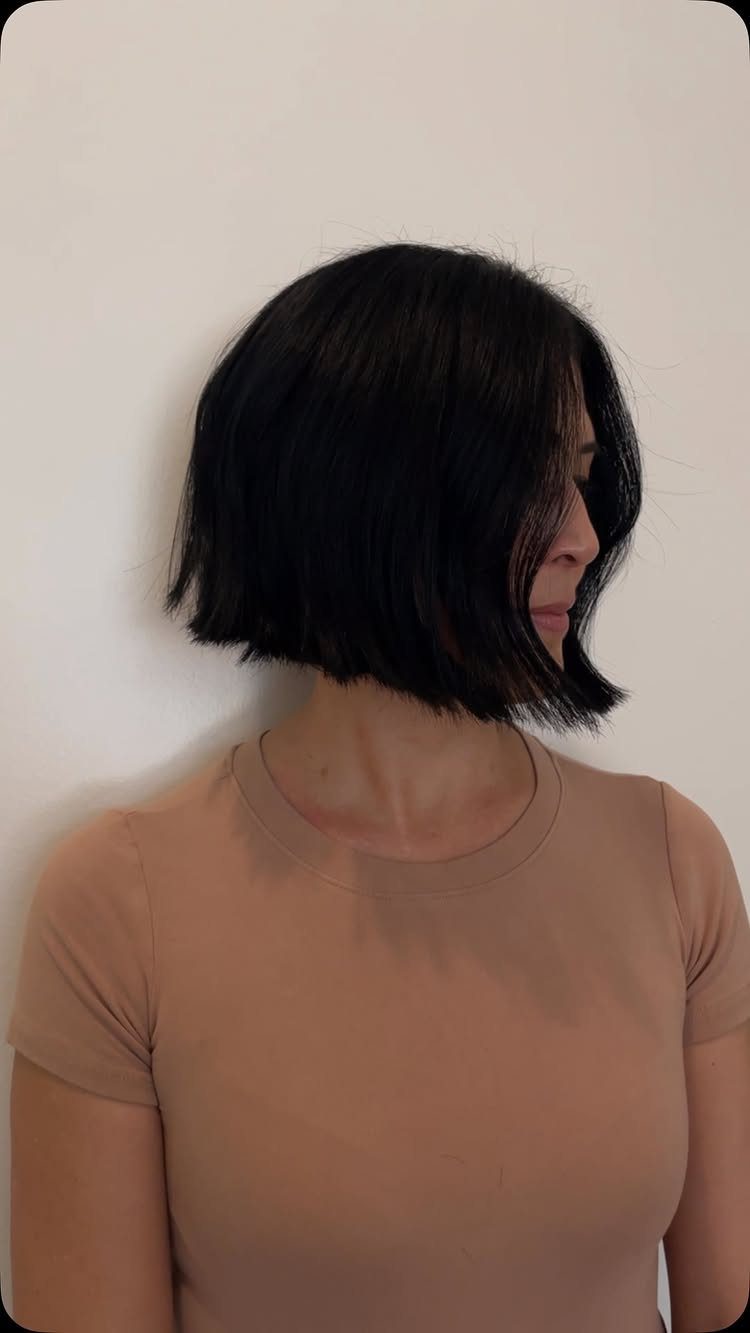
A blunt cut removes damaged ends and makes the hair look denser because every strand ends at the same length. There’s no tapering or layering to thin out the bottom, so you get maximum fullness at the hem.
Chin-length bobs are popular because they sit above the shoulders, which is where hair often thins or breaks. You can wear it straight, tucked behind the ears, or with a slight wave.
Ask your stylist for a true blunt line with no internal layering if thickness at the bottom is your priority.
5. Gentle Hair Brushing
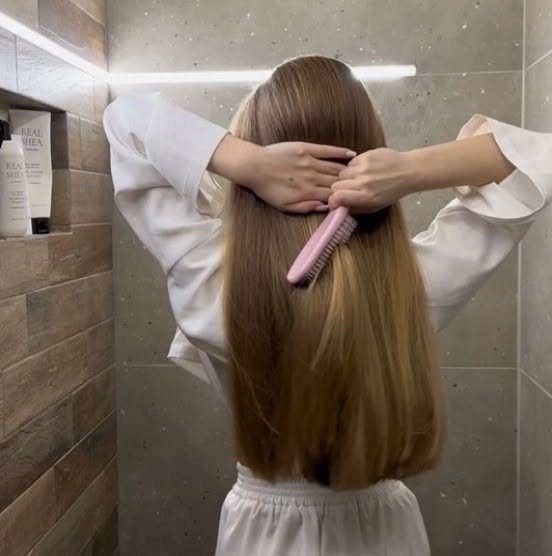
Rough brushing snaps hair, especially when it’s wet or tangled. A detangling brush with flexible bristles bends as it moves through knots instead of forcing through them.
I start at the ends and move up in sections.
If your hair is wet, use a wide-tooth comb or a wet brush designed for that. Dry hair can handle a paddle brush or a round detangler, but the motion stays the same: slow, patient strokes.
Skip brushing altogether on very curly hair unless you’re about to wash it.
Identify the Cause of Thinning
Hair thins for different reasons, and the approach changes based on what’s happening. Breakage snaps the hair shaft partway up, shedding is normal daily loss that’s temporarily ramped up, and hair loss means fewer strands growing from the follicle.
If you’re losing hair suddenly or in patches, see a doctor.
Hormonal shifts, stress, nutritional gaps, medications, and underlying health conditions can all trigger it. An iron deficiency or thyroid disorder won’t respond to better shampoo.
Over-styling and the wrong products can stress follicles enough to thin hair out.
So can major life events: childbirth, surgery, losing someone. Hair loss affects more than half of women at some point, and figuring out why it’s happening is the first step toward fixing it.
The key to getting thicker hair is identifying the cause of your thin hair in the first place.
— Vogue
Set Realistic Growth Expectations
Genetics set your hair texture and how many follicles you have. No treatment creates new ones or changes what you inherited.
Breakage is actually what you have the most control over, and for most people, it’s the bigger problem. Products that strengthen, daily scalp massage, and protecting hair from heat and friction all help maximize what’s already there.
Hair grows on a slow cycle, and you can’t speed that part up. Seeing real changes takes 3 to 6 months, sometimes longer for growth treatments.
Reversible causes like breakage, shedding, and poor condition respond better than genetic thinning, which is manageable but harder to reverse. Results depend on the type of hair loss you’re dealing with.
Check for Nutrient Deficiencies
A healthcare provider can test for deficiencies before you start taking anything.
Severe shortages of biotin, vitamin B, vitamin D, or iron have been linked to hair loss in some studies, but most people with a varied diet get enough of those nutrients already.
Most healthy adults get enough biotin from their diet.
If your levels are normal, supplementing won’t do much for growth. The research ties biotin to hair loss only when there’s a true deficiency.
If you do need more of something, food is the most reliable route. Biotin is water-soluble, so your body doesn’t store extra, and it’s widely available if your doctor recommends it.
Frequently Asked Questions
How do I increase my hair thickness naturally?
Focus on reducing breakage through gentle brushing, protecting hair at night with a satin pillowcase, and supporting follicle health with regular scalp massage.
Eating protein-rich foods like salmon and eggs provides the nutrients your hair needs to grow in stronger. Blunt cuts and volumizing products can make hair look fuller while you work on improving its actual condition.
What triggers hair growth?
Massaging the scalp brings more blood to the follicles, and that circulation is part of what keeps growth healthy. Nutrition also plays a role: protein, omega-3s, and biotin give your hair what it needs to grow.
Can thin hair become thick again in females?
Whether thin hair can thicken again depends on why it thinned in the first place.
Breakage, shedding, and poor condition are reversible with better care and the right products. If the cause is genetic, reversal is tougher, though prescription treatments can slow the loss and sometimes bring back density.
Can shampoo and conditioner make hair look thicker?
Yes. Volumizing formulas can lift hair at the roots and coat each strand to create the appearance of more body.
They won’t increase growth or change your follicle count, but they can make fine or thinning hair look fuller. Look for lightweight, sulfate-free options that don’t weigh hair down.
What products can help boost volume at home?
Volumizing shampoo and conditioner lift hair without weighing it down, and root-lifting sprays create a thin film around each strand that holds it away from the scalp.
Mousse and lightweight styling products add body when applied at the roots. These products create the appearance of thicker hair but don’t change growth or density.
Can changing my part make my hair look thicker?
Yes.
Hair flattens where it sits against the scalp for long periods, so switching the part lifts it at the root and creates the illusion of more volume. It’s a simple change that works immediately without products or tools.