The strand pushes out at roughly half an inch each month, and nothing accelerates that pace, but less breakage means more of each month’s growth remains on your head.
The ideas here span a scalp massage that costs nothing to a red light therapy helmet that runs high upfront, and the right pick depends on your budget and whether you need to address thinning or simply hold onto length.
1. Scalp Massage
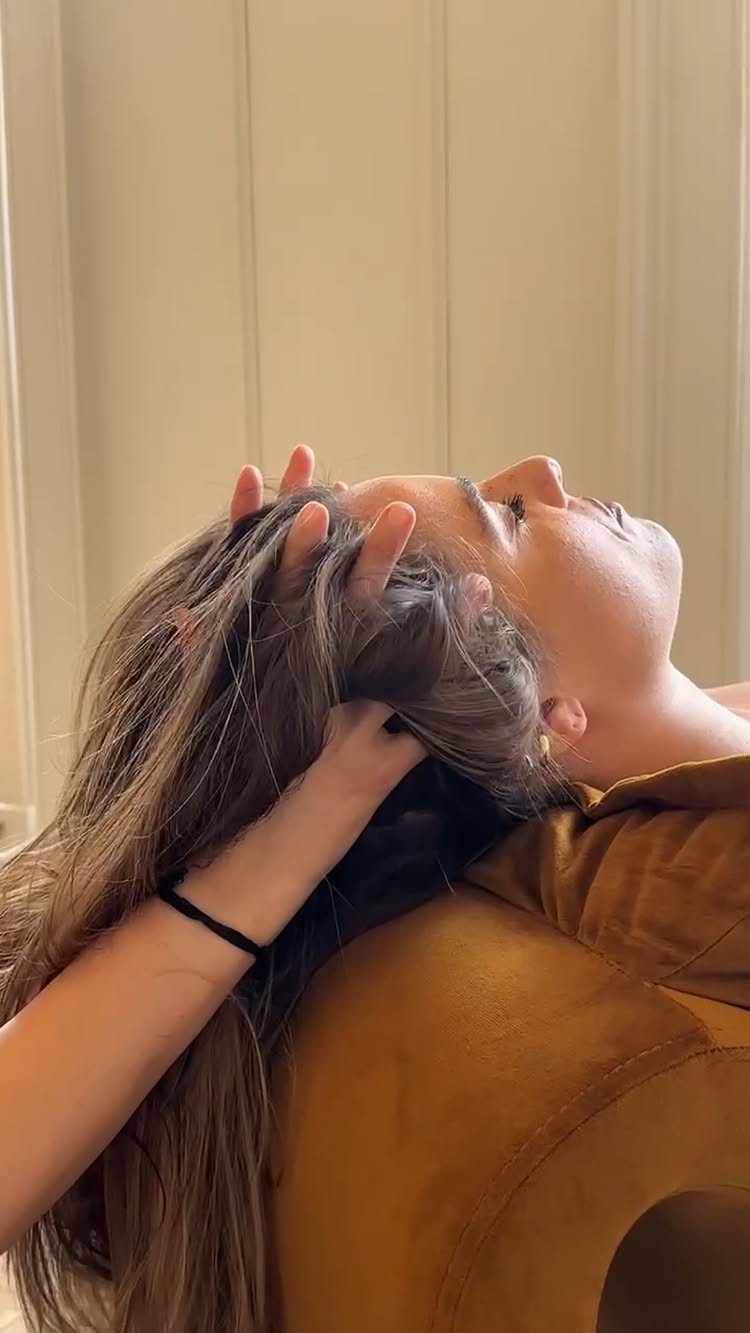
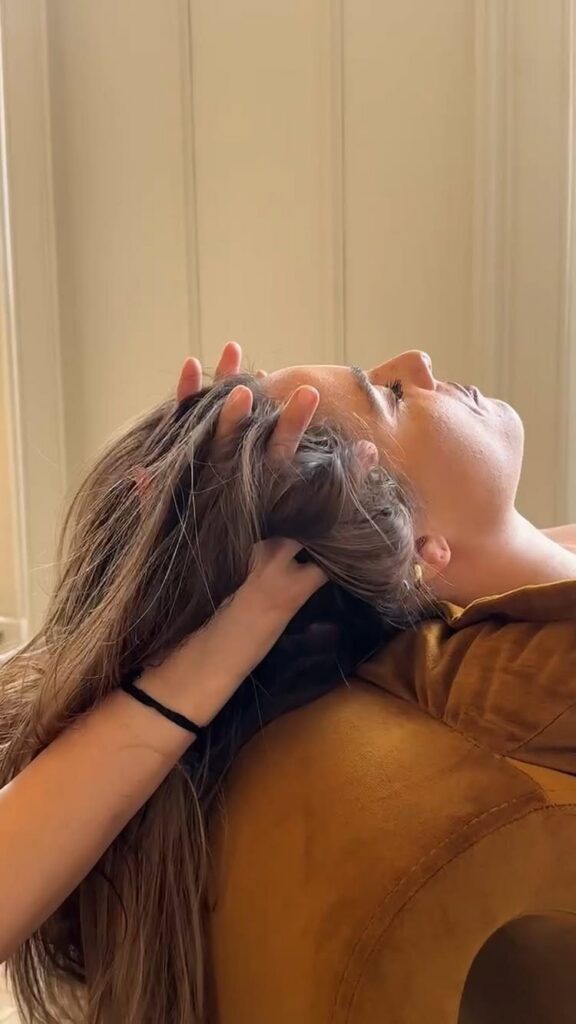
Massaging the scalp with your fingertips may increase blood flow to the hair follicles, and some small studies suggest it can improve hair thickness over time.
Use the pads of your fingers, not your nails, and apply gentle pressure in small circles across the entire scalp. I do this a few times a week, usually before washing my hair or while the conditioner sits.
It costs nothing, feels good, and fits into any routine. If nothing else, it’s a low-stress habit that might help.
2. Red Light Therapy Helmet
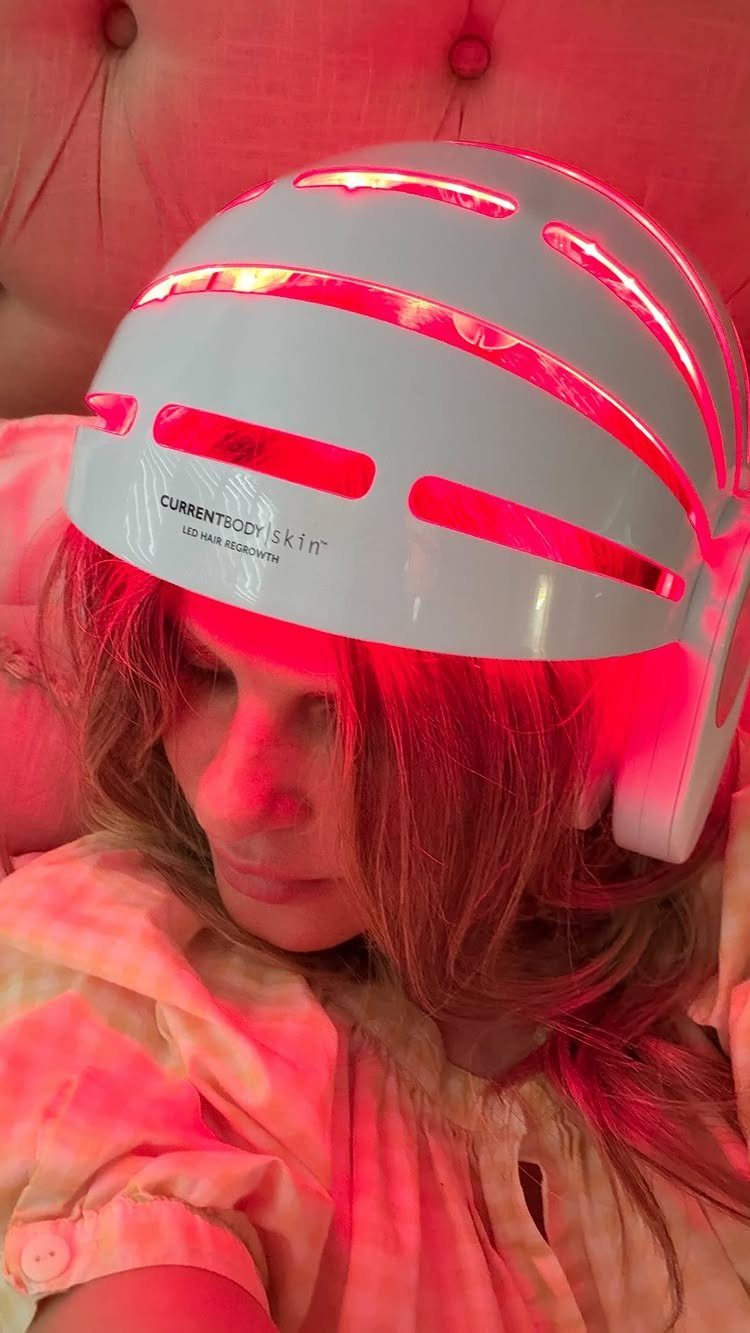
These helmets use low-level red or near-infrared light aimed at the scalp, and some clinical trials have shown modest improvements in hair density for people dealing with androgenetic alopecia.
You wear the device for a set amount of time several times a week, and the light is meant to stimulate follicle activity without heat or discomfort.
The upfront cost runs high, and results take months to show up if they show up at all. I’d consider it only after ruling out other causes of thinning with a doctor.
3. Protect Wet Hair
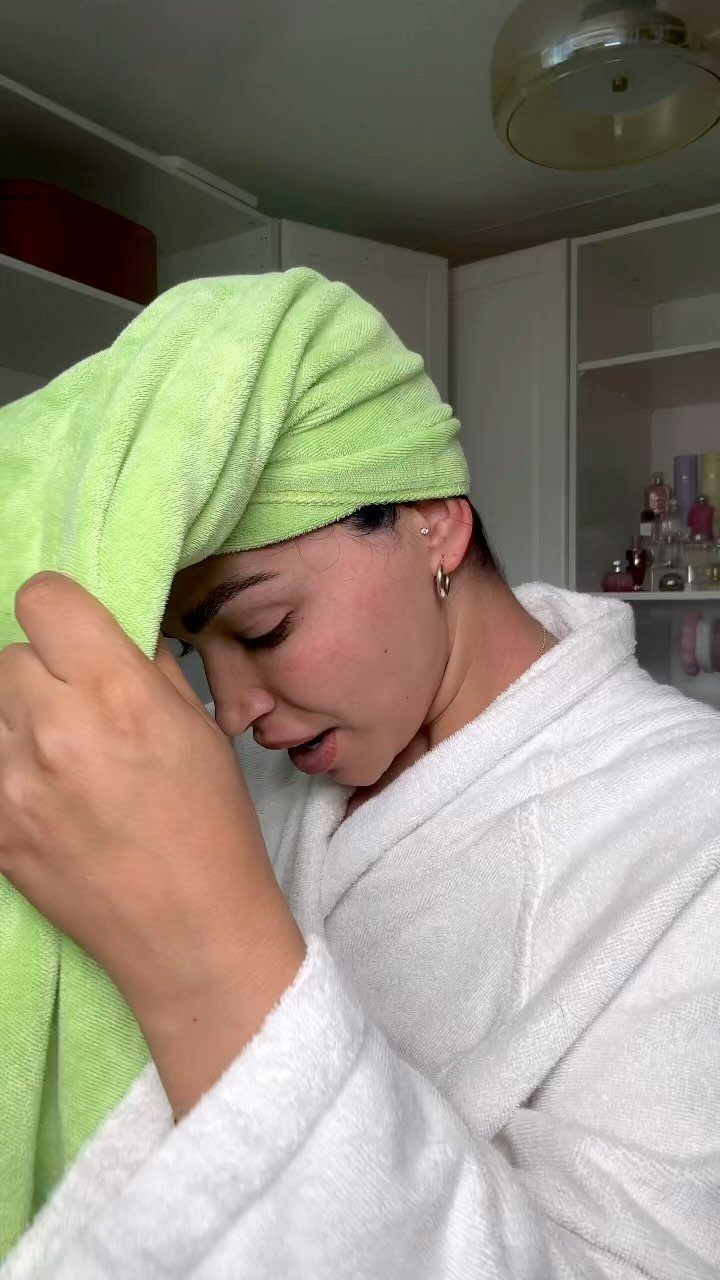
When hair is wet, the cuticle swells and the strand can stretch well beyond its dry length, making it far more prone to snapping.
Skip rough towel drying. Instead, press the water out with a microfiber towel or an old t-shirt, and detangle gently with a wide-tooth comb or your fingers, starting from the ends and working up.
If you can, let it air-dry partway before handling it too much. Protecting it while it’s wet means less breakage and more length retention over time.
Hair Growth Has Natural Limits
Growth speed sits around half an inch each month for most people, and genetics set that pace more than anything you apply or swallow.
You can’t push the strand out faster, but you can affect how much breaks off before it reaches the length you’re after.
The hair you see isn’t actually getting longer because of a product.
It’s getting longer because it stayed attached. If growth adds six inches in a year but breakage takes half of it, the net gain is only three.
Age, hormones, stress and nutrition all shift the cycle, sometimes pushing more follicles into a resting phase or shortening the time each strand spends growing.
A doctor can identify whether something medical is stalling things, and that’s where I’d start if shedding has increased or growth has visibly slowed.
Hair grows asynchronously, so different strands can be in different growth phases. According to board-certified dermatologist Dr Elyse Love, at any given time, approximately 85% to 90% of hairs are in the anagen phase, 10% to 15% are in the telogen phase, and 1% are in the catagen phase.
Different Hair Needs Different Care
Straight, thin hair tends to show oil faster, so washing every other day or even daily keeps it from looking flat.
Coils hold less moisture along the length and benefit from weekly washing with a rich conditioner to avoid stripping natural oils.
Curly hair needs more hydration than straight hair because the shape makes it harder for sebum to travel down the strand.
A deep conditioning session every week or 2 helps most at the ends, where the hair is oldest and prone to splitting.
Fine hair, on the other hand, gets weighed down easily, so lighter leave-ins and less product overall keep it from going limp.
Your scalp type matters just as much.
If it’s oily, you’ll wash more often. If it’s dry or flaky, spacing out washes and adding a pre-shampoo oil treatment can help without overdoing it.
Frequently Asked Questions
Does anything actually stimulate hair growth?
Massage may pull more blood to the follicles, and a few small studies show it thickening hair after a few months of regular use.
Minoxidil has clinical evidence for androgenetic alopecia, both as a topical foam and in pill form under medical supervision. Red light therapy helmets show modest improvements in some trials, though results take months and the upfront cost runs high.
What vitamin are you lacking if your hair is thinning?
Low iron is one of the more common reasons women lose hair, and low vitamin D can affect how follicles cycle.
Low zinc shows up in studies on shedding, too. A blood test shows whether you need to supplement, and the benefit usually shows up only when you started low.
Can foods affect hair growth?
Nutrition affects hair health directly, and deficiencies can lead to brittle strands or shedding.
A balanced diet with adequate protein, iron, zinc, vitamin D, and antioxidants supports follicle function. A Mediterranean pattern of eating gets recommended often for hair: plants, whole grains, fish and olive oil.
What causes hair loss?
Pattern hair loss, the kind that runs in families and arrives with age, accounts for most of it.
Hormonal changes, stress, certain medications, autoimmune conditions, illness, rapid weight loss, and nutritional deficiencies can also shift the hair cycle and increase shedding.
Can I regrow hair naturally?
It depends on the cause and severity. Natural approaches like scalp massage, improved nutrition, and stress management may help with temporary or lifestyle-related loss, but they are less likely to reverse genetic hair loss.
A dermatologist can identify the underlying cause and suggest whether natural methods or medical treatment will work better.
Can female hair loss grow back?
Regrowth is possible depending on what caused the loss.
Stress or illness can trigger temporary shedding that reverses itself in 4 to 6 months once the trigger is gone. Androgenetic alopecia may respond to minoxidil or other treatments, though results vary and take time.
Can thin hair become thick again in females?
Medical treatment, better nutrition and scalp care can all help, but none of it works overnight. Minoxidil, addressing vitamin deficiencies, and reducing breakage can all contribute to fuller-looking hair over time.
What are effective treatments for female hair growth?
Minoxidil has the most published studies behind it and sits on the drugstore shelf.
A dermatologist can prescribe oral minoxidil or spironolactone when hormones are part of the problem. Newer options like PRP and exosomes show promise but cost more and are still being studied.
Are there treatments for severe hair loss?
Treatment depends on the cause.
Patchy autoimmune loss may respond to steroid injections; pattern loss gets treated with minoxidil or hormone adjustment. Hair transplantation is an option when medications don’t provide enough improvement.